- Home>
- Travel Guide>
- Everest Base Camp Trek
Everest Base Camp Nepal | Ultimate Travel Guide
Everest Base Camp lies at the foot of the world's highest mountain, Mount Everest, in Nepal's Khumbu region. Reached through a network of mountain trails connecting Sherpa settlements, monasteries, and glacial valleys, it is one of the best-known destinations in the Himalayas.
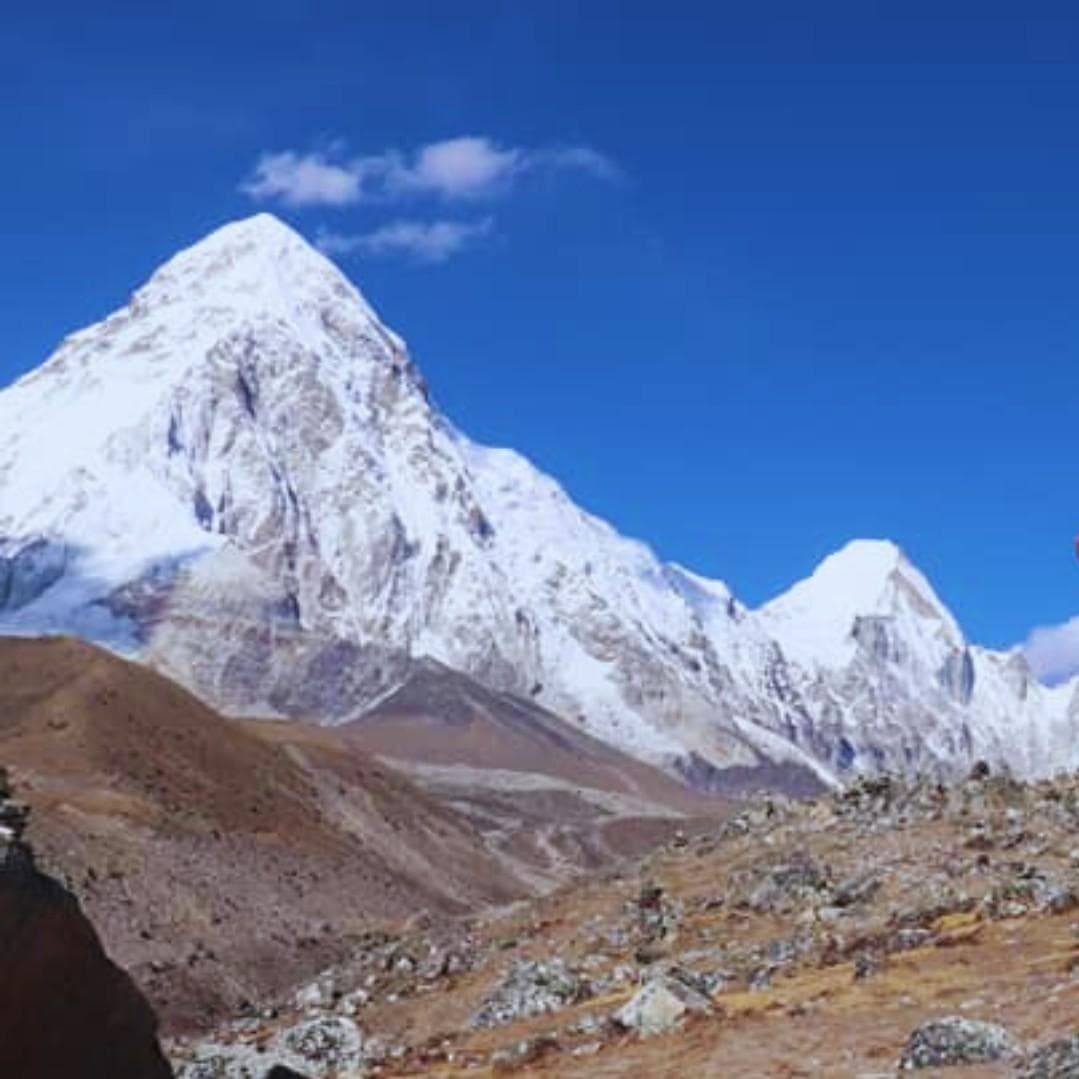
The classic Everest Base Camp Trek begins in Lukla and follows the Khumbu Valley toward Namche Bazaar, Tengboche, Dingboche, Lobuche, and Gorak Shep. Along the way, the landscape changes from established mountain villages to rugged terrain surrounding the Khumbu Glacier.
Reaching base camp is only one part of understanding the Everest region. Its location, surrounding viewpoints, local communities, and different access options all shape the experience. This guide explains where Everest Base Camp is, how to reach it, how it differs from Advanced Base Camp, and which travel options may suit your plans.
Everest Base Camp at a Glance
| Details | Information |
|---|---|
| Destination | Everest Base Camp, Nepal |
| Region | Khumbu, Solukhumbu District |
| Elevation | Approximately 5,364 m (17,598 ft) |
| Main trekking gateway | Lukla |
| Nearby viewpoint | Kala Patthar |
| Surrounding landscape | Khumbu Glacier and Himalayan mountains |
| Available experiences | Trekking, helicopter tours, extended routes, and climbing combinations |
These details provide a quick introduction to Mount Everest Base Camp. For a closer look at elevation changes, daily walking distances, and the route profile, see our Everest Base Camp Trek Altitude and Distance Guide.
Where Is Everest Base Camp?
Everest Base Camp is located on the Khumbu Glacier in northeastern Nepal, within the Everest region. It serves as a staging area for mountaineering expeditions approaching Mount Everest from the south.
The base camp sits beyond Gorak Shep, one of the final settlements on the classic trekking route. The journey passes through the Khumbu Valley, where villages, suspension bridges, monasteries, and mountain trails connect the lower and upper parts of the region.
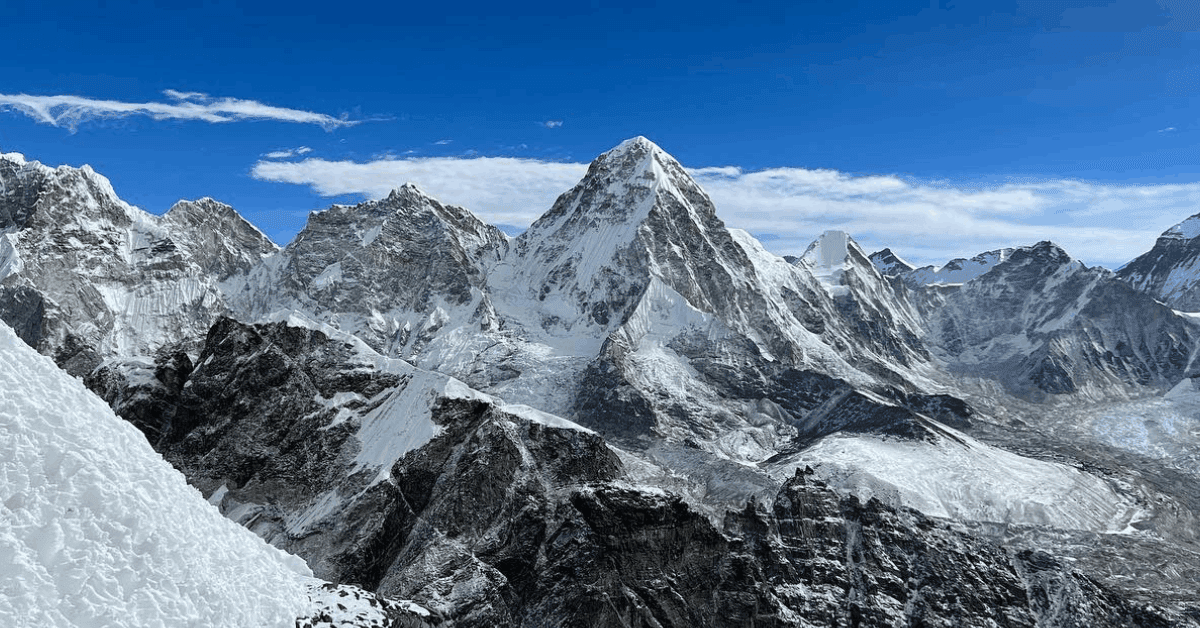
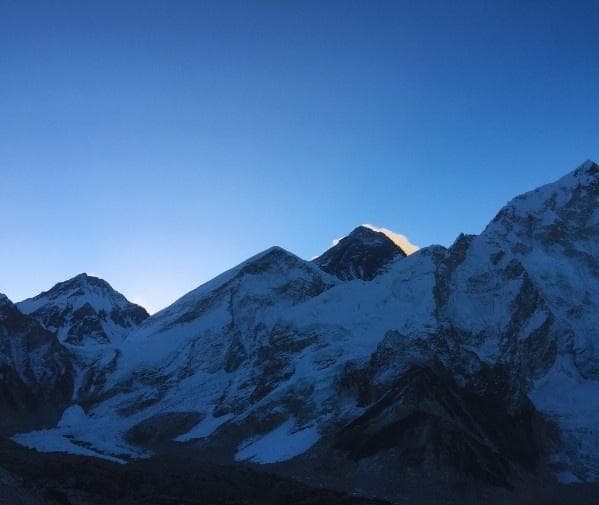
Everest Base Camp should not be confused with a viewpoint offering an unobstructed view of the summit. The surrounding terrain can restrict direct views of Everest from base camp itself. Kala Patthar is a popular nearby viewpoint for a wider panorama of Everest and neighboring peaks when visibility is favorable.
Everest Base Camp vs. Everest Advanced Base Camp
Although the names sound similar, Everest Base Camp and Everest Advanced Base Camp refer to different locations associated with different journeys to Mount Everest.
| Feature | Everest Base Camp | Everest Advanced Base Camp |
|---|---|---|
| Location | South side of Everest, Nepal | North-side expedition route, Tibet |
| Approximate elevation | 5,364 m | Around 6,400 m, depending on the camp |
| Main purpose | Trekking destination and south-side expedition base | High-altitude staging point for north-side expeditions |
| Typical access | Trek through the Khumbu region | Specialized mountaineering expedition |
The standard Everest Base Camp Trek visits the Nepalese base camp, not Advanced Base Camp in Tibet. The two destinations involve different routes, access arrangements, and objectives.
For travelers researching a Himalayan base camp experience, this distinction is important: a trek to Nepal's Everest Base Camp is not the same as joining an expedition toward Advanced Base Camp on Everest's north side.
How to Reach Everest Base Camp
You can experience Everest Base Camp in different ways depending on your available time, physical fitness, interests, and preferred style of adventure. Whether you want to trek through the Khumbu region, enjoy a scenic helicopter flight, or combine the journey with high mountain passes and peak climbing, Everest Thrill offers several options to suit different travel preferences.
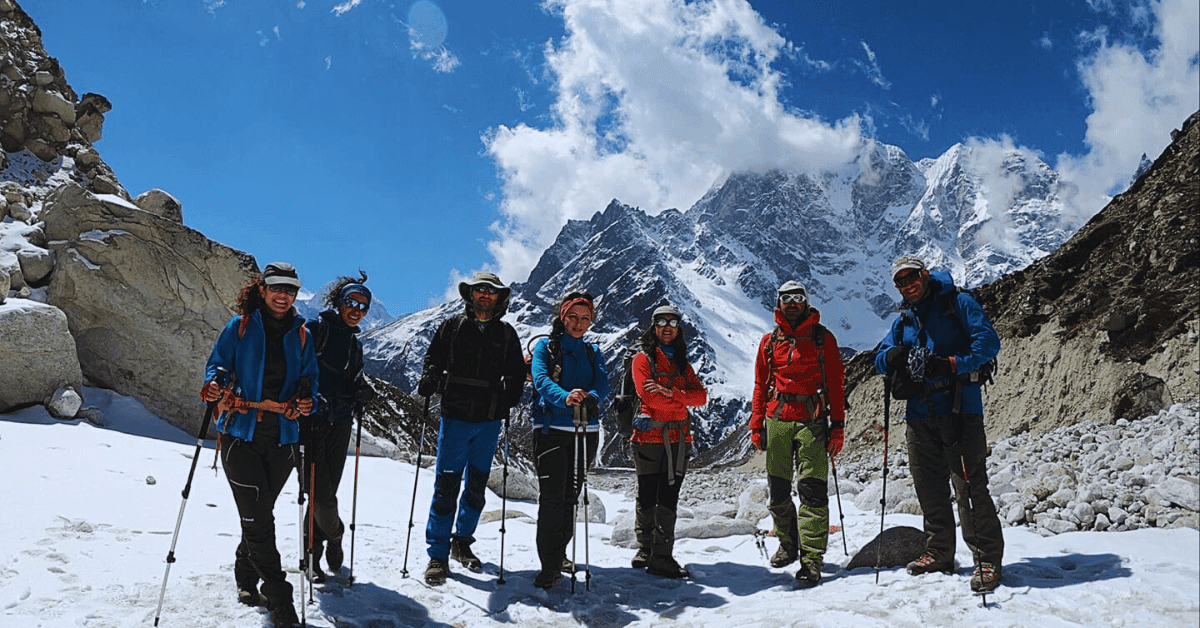
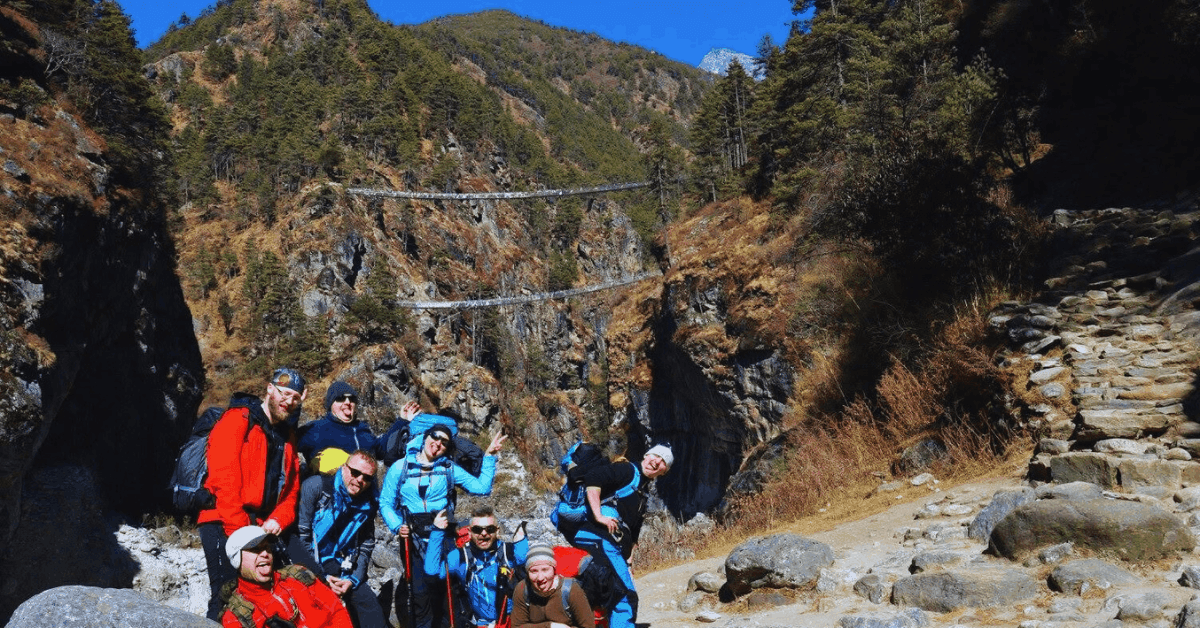
Ideal for travelers seeking a classic Himalayan trekking experience, this 14-day Everest Base Camp trek follows the trail from Lukla through Sherpa villages, monasteries, and mountain valleys to Everest Base Camp.
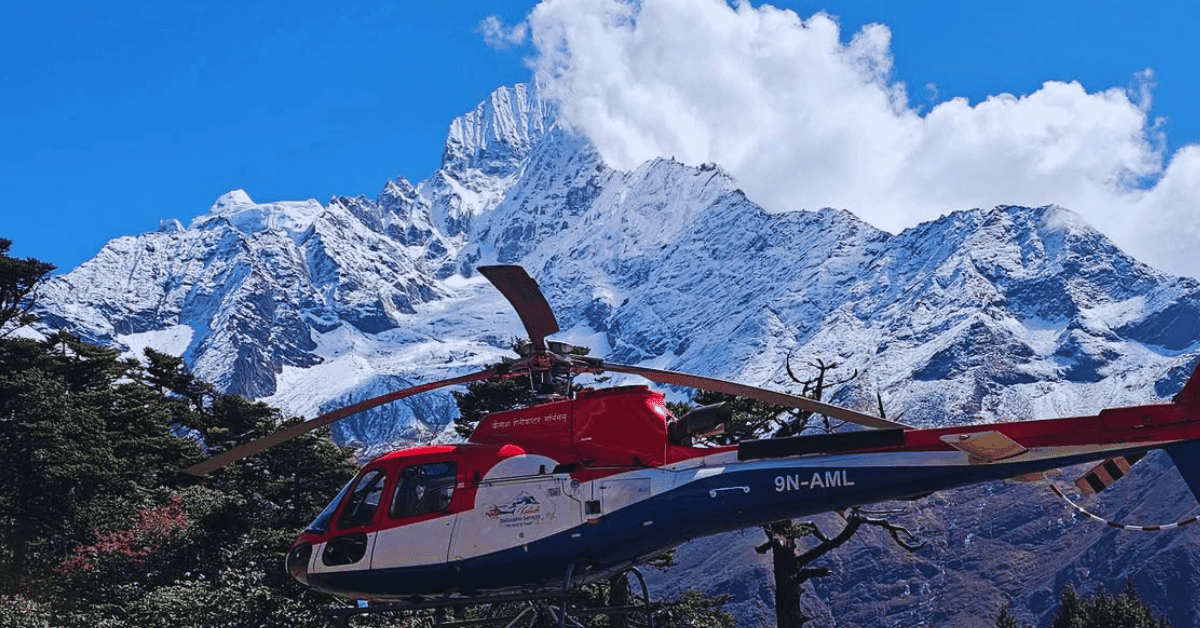
For travelers who want to complete the trek to base camp but prefer to avoid the full return walk, this Everest Base Camp Trek with Helicopter Return package combines trekking with a helicopter flight back.
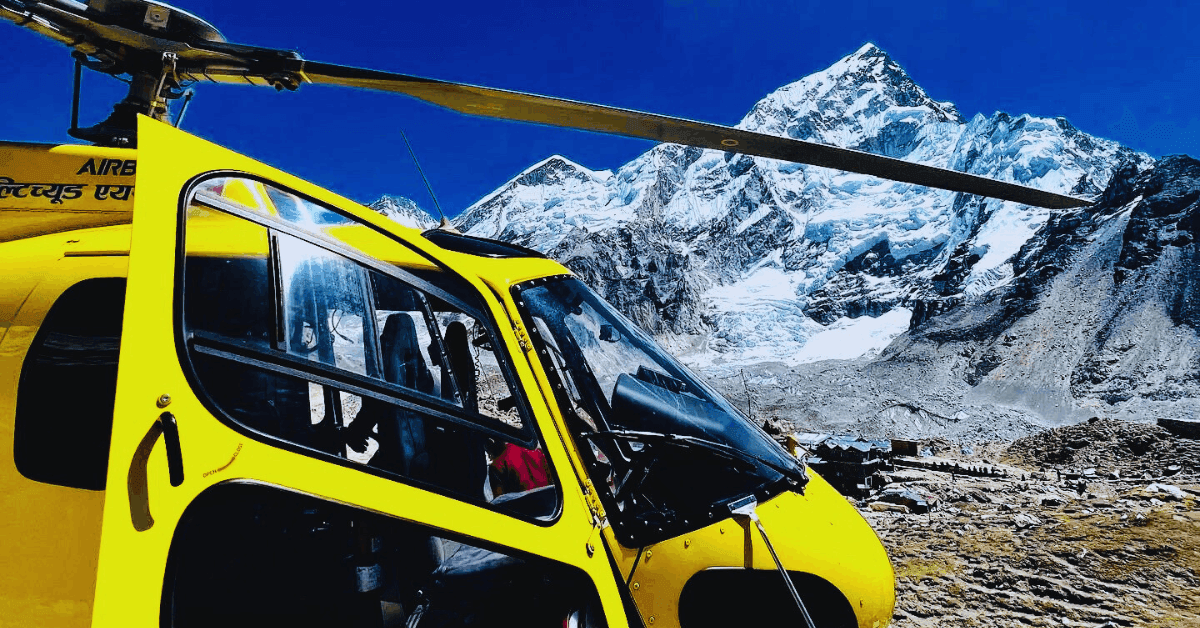
For travelers with limited vacation time, those who prefer not to undertake strenuous high-altitude trekking, and visitors seeking a more comfortable or luxury-oriented experience, an Everest Base Camp helicopter tour offers an opportunity to see the Everest region from the air.
Travelers who want to experience a tented camp at Everest Base Camp can join the annual Everest Marathon or an Everest Expedition.
What Is Everest Base Camp Like?
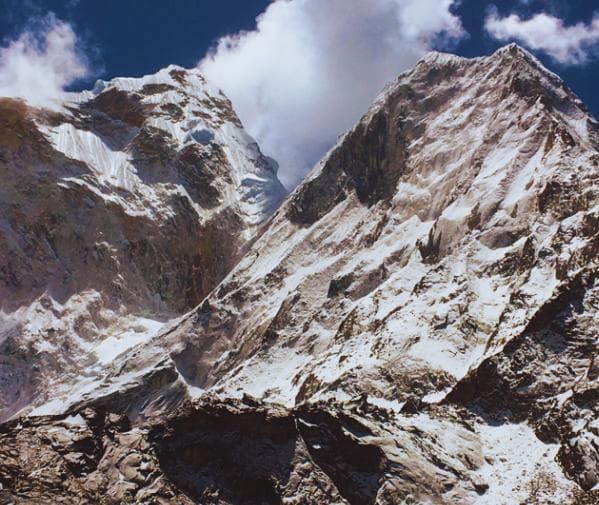
Everest Base Camp is a rugged glacial destination rather than a developed mountain village. Its surroundings are shaped by the Khumbu Glacier, rocky terrain, and the high peaks of the Everest region.
During the climbing season, expedition tents may be visible around base camp as mountaineering teams prepare for their climbs. The amount of activity and the appearance of the site change throughout the year, so visitors should not expect the same scene on every trip.
Another important distinction is the view of Mount Everest. Reaching base camp does not necessarily provide the clearest or widest view of the summit because the surrounding terrain can obstruct the panorama. Kala Patthar is commonly included in trekking itineraries for its elevated outlook toward Everest and neighboring mountains, weather permitting.
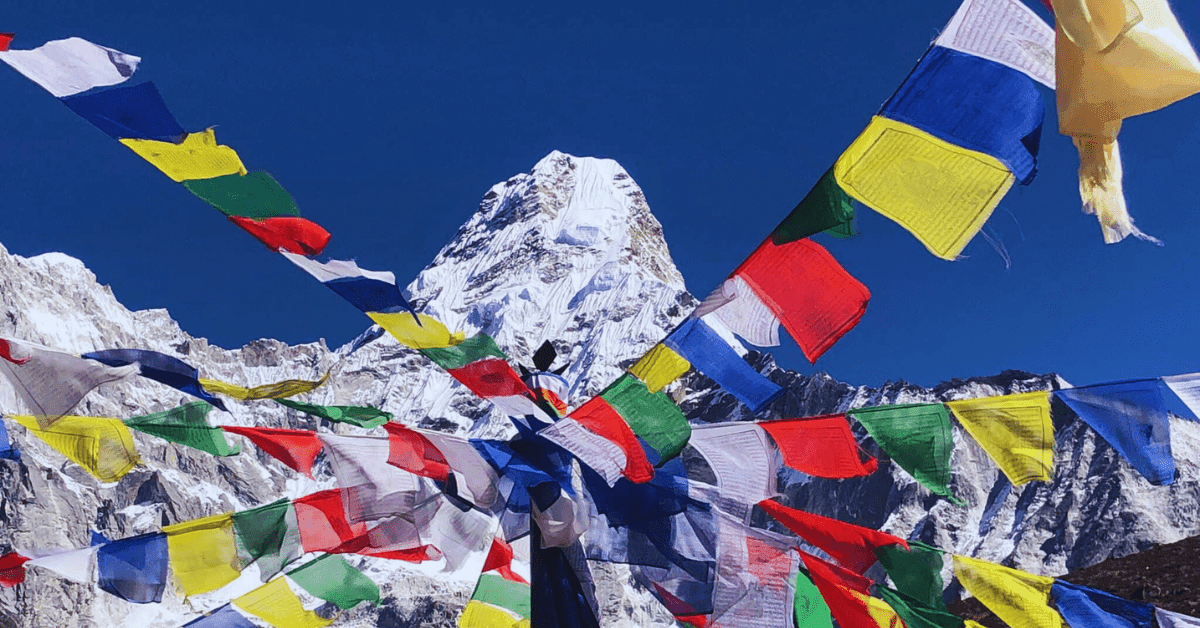
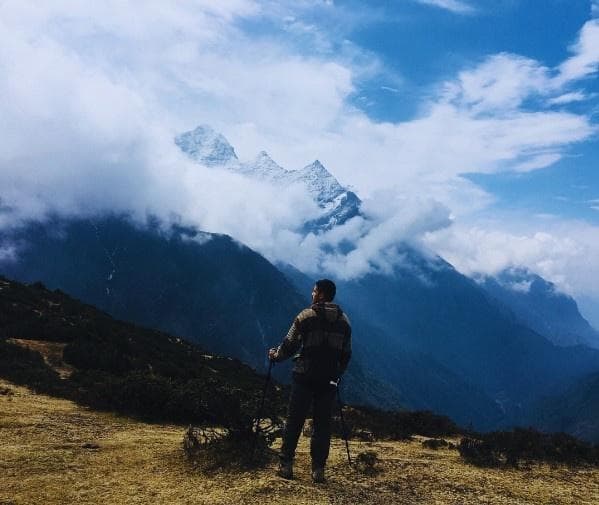
The wider region also provides cultural context for the destination. Sherpa communities, Buddhist monasteries, traditional settlements, and the practical routines of mountain life are part of the experience along the journey.
Understanding these differences helps set realistic expectations: Everest Base Camp is a significant destination in its own right, while the trail and surrounding viewpoints offer other perspectives on the mountain
How Difficult Is It to Reach Everest Base Camp
The difficulty of reaching Everest Base Camp depends on how you choose to travel and which route you follow. The classic trekking route requires several days of walking at high altitude, while helicopter tours offer an alternative for travelers who prefer not to undertake a demanding trek. Extended routes, such as the Three Passes Trek, involve additional distance and challenging mountain passes.
To understand the physical demands, trail conditions, and challenges of the traditional route, read our Everest Base Camp Trek Difficulty Guide for a detailed breakdown.
When Is the Best Time to Visit Everest Base Camp?
The Everest Base Camp experience changes with the seasons, from clear mountain views and lively trekking trails to snowy landscapes and quieter paths. Spring (March-May) and autumn (September-November) are generally the most popular periods for EBC trekking.
Your ideal travel period depends on your weather preferences, schedule, and tolerance for cold or changing conditions. Read our detailed Best Time for Everest Base Camp Trek guide to compare the seasons and choose a suitable time for your visit.
Plan Your Everest Base Camp Visit with Everest Thrill
Visiting Everest Base Camp involves more than choosing a destination on a map. Your preferred route, available time, travel style, physical preparation, and choice of EBC trekking operator all play an important role in planning the right experience.
Everest Thrill organizes trekking and adventure experiences in the Everest region, from the classic base camp trek to helicopter-return options, extended trekking routes, and climbing combinations.
Explore our 14-Day Everest Base Camp Trek Package for the planned itinerary, included services, and booking details. If you prefer a different experience, compare our other Everest region packages or contact our team to discuss your travel plans.


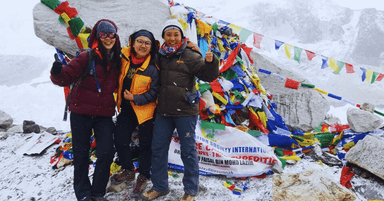
Private Everest Base Camp Trek Package (14 days)
USD 1366/per person
Explore the Everest Base Camp Trek Travel Guides in Detail


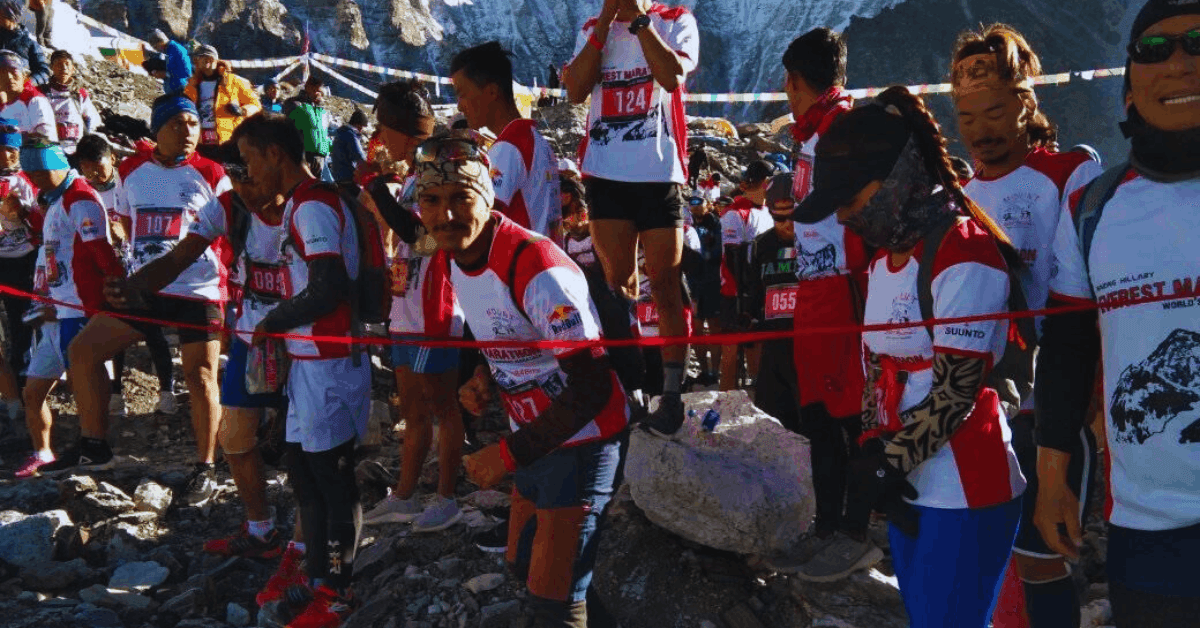
Everest Marathon - 15 Days
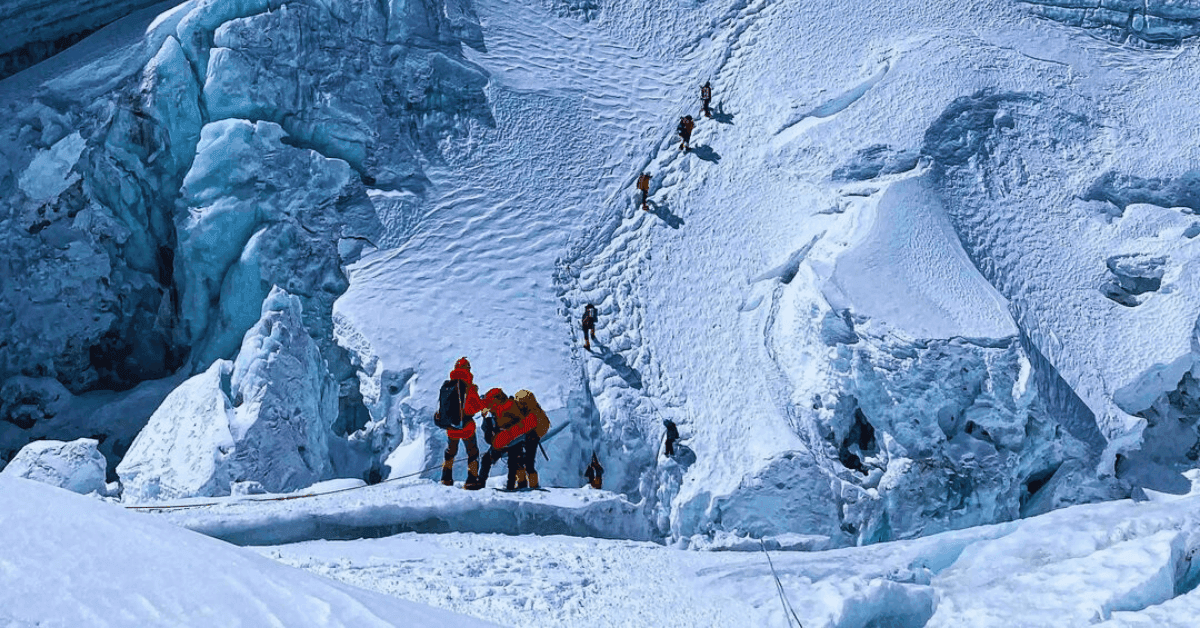
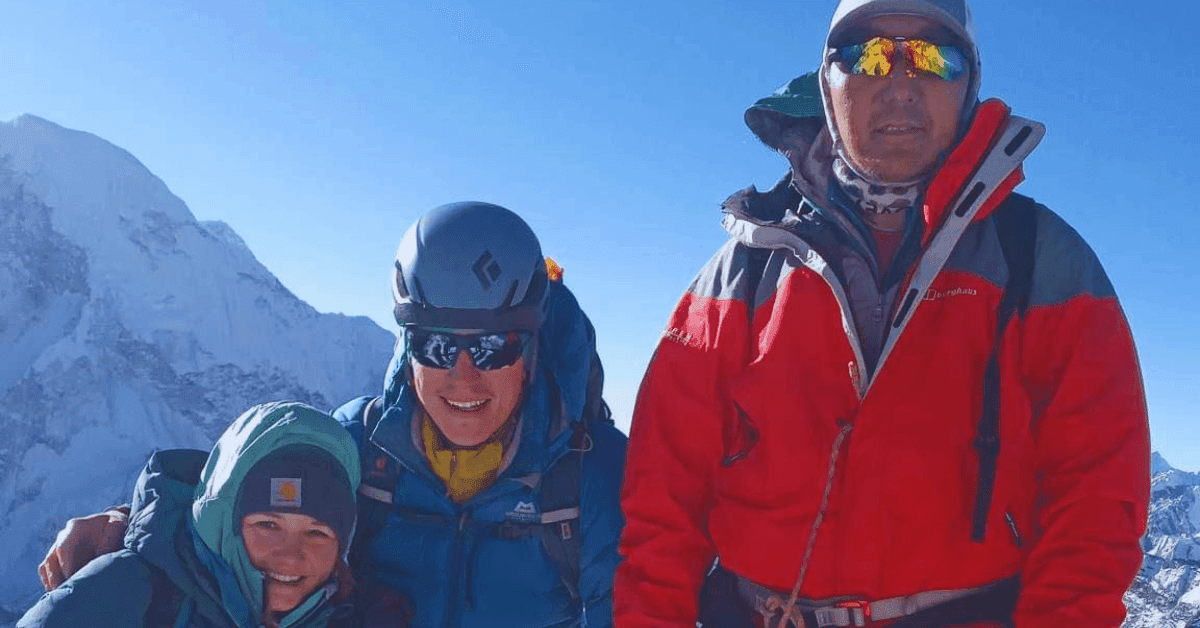
Everest Expedition