Date Updated:
Everest Base Camp Trek Distance and Altitude | How Long Walk Each Day
Table of Contents
- Quick Overview Of The Everest Base Camp Trek Distance and Altitude
- Why Distance and Altitude Matter
- Everest Base Camp Trek Distance Explained
- How Far Is the Everest Base Camp Trek?
- Everest Base Camp Trek Distance at a Glance
- One-Way vs. Round-Trip Distance
- Daily Walking Distance
- Why the Trek Feels Longer Than 130 Kilometers
- Does a Longer Itinerary Mean More Walking?
- Factors That Can Affect Trekking Distance
- Is the Distance Suitable for Beginners?
- Everest Base Camp Trek Altitude Explained
- Everest Base Camp Trek Altitude: How High Is It?
- Everest Base Camp Altitude at a Glance
- Everest Base Camp Elevation Profile
- Why Altitude Is More Challenging Than Distance
- How Oxygen Levels Change During the Trek
- Understanding Elevation Gain
- Which Village Is Highest Before Everest Base Camp?
- Why Kala Patthar Is Higher Than Everest Base Camp
- How the Body Adapts to High Altitude
- Why Acclimatization Days Are Included
- Common Altitude Mistakes to Avoid
- Day by Day Everest Base Camp Trek Distance and Altitude
- Which Day Is the Most Difficult?
- Trekking Pace: Why Slow and Steady Wins
- Everest Base Camp Trek Distance and Altitude FAQs
- How far is the Everest Base Camp trek?
- What is the altitude of Everest Base Camp?
- What is the altitude gain from Lukla to Everest Base Camp?
- Can beginners complete the Everest Base Camp trek?
- Do I need oxygen support for the Everest Base Camp trek?
- Is Everest Base Camp harder because of distance or altitude?
- Final Thoughts
Planning to trek to Everest Base Camp (EBC) is exciting, but one of the first questions most trekkers ask is: How far is the Everest Base Camp trek, and how high does it go? Understanding the total distance, daily walking requirements, and altitude gain is essential for choosing the right itinerary and preparing for a safe journey in the Himalayas.
The classic Everest Base Camp trek begins with a flight to Lukla and follows a well-established route through the Khumbu region, passing traditional Sherpa villages, suspension bridges, alpine forests, and glacial valleys before reaching Everest Base Camp. While the trail does not require technical climbing skills, the combination of long walking days and increasing altitude makes good preparation important.
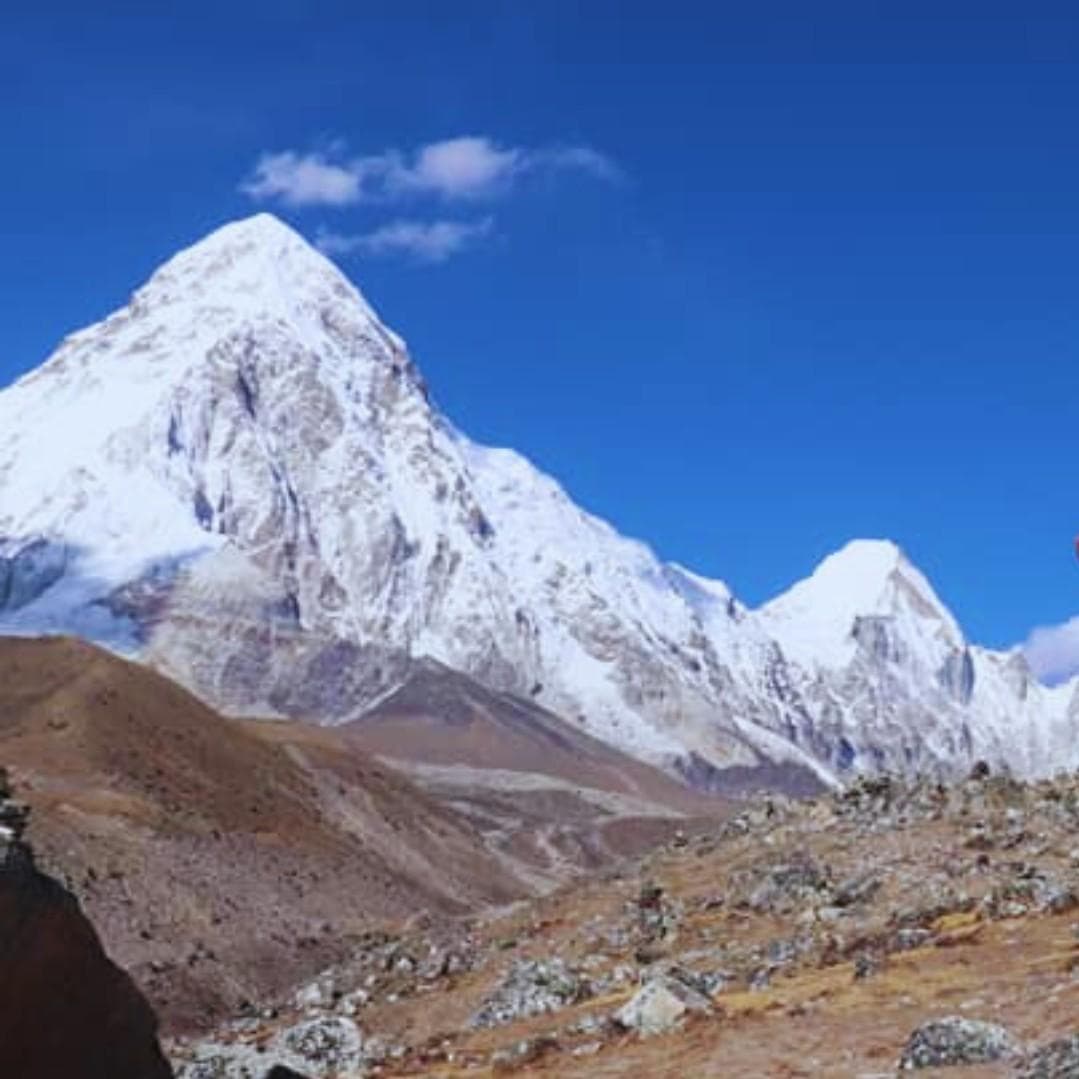
The standard route covers approximately 130 kilometers (80 miles) round trip from Lukla to Everest Base Camp and back. Most itineraries take 12 to 14 days, allowing time for acclimatization as trekkers gradually ascend from 2,860 meters (9,383 feet) at Lukla to 5,364 meters (17,598 feet) at Everest Base Camp. Many trekkers also hike to Kala Patthar (5,644 meters / 18,514 feet), the highest point reached on the trek and one of the best viewpoints for panoramic views of Mount Everest.
Although the total distance may seem manageable, altitude has a much greater impact than mileage alone. As you climb higher, the air becomes thinner and your body needs time to adjust to lower oxygen levels. This is why a well-planned itinerary includes acclimatization days rather than focusing only on covering distance.
Whether you are trekking independently or joining a guided group, understanding the relationship between distance, elevation, and daily walking time will help you prepare physically, pack appropriately, and enjoy a safer and more rewarding experience.
Quick Overview Of The Everest Base Camp Trek Distance and Altitude
If you're looking for a quick overview,
Here are the key facts about the Everest Base Camp trek:
| Details | Information |
|---|---|
| Luka (Starting Point) | 2,860 m / 9,383 ft |
| Everest Base Camp (Final Destination) | 5364 m / 17,598 ft |
| Kala Patthar (Highest Point) | 5644 m / 18,514 ft |
| One-Way Trek Distance | 65 km (40 miles) Approximately |
| Round-Trip Distance | 130 km (80 miles) Approximately |
| Trek Duration | 12-14 days |
| Average Walking Time | 5-7 hours per day |
| Difficulty Level | Moderate to Challenging |
| Best Seasons | Spring (March-May) and Autumn (September-November) |
Why Distance and Altitude Matter
Many first-time trekkers focus on the total number of kilometers, but success on the Everest Base Camp trek depends more on how your body adapts to altitude than on the distance itself. Daily stages are designed to balance physical effort with gradual elevation gain, reducing the risk of altitude sickness while giving you time to appreciate the landscapes, Sherpa culture, and mountain views.
In the following sections, we'll break down the trek day by day, explain the altitude profile, discuss elevation gain, and share practical tips to help you prepare for one of the world's most iconic trekking adventures.
Everest Base Camp Trek Distance Explained
How Far Is the Everest Base Camp Trek?
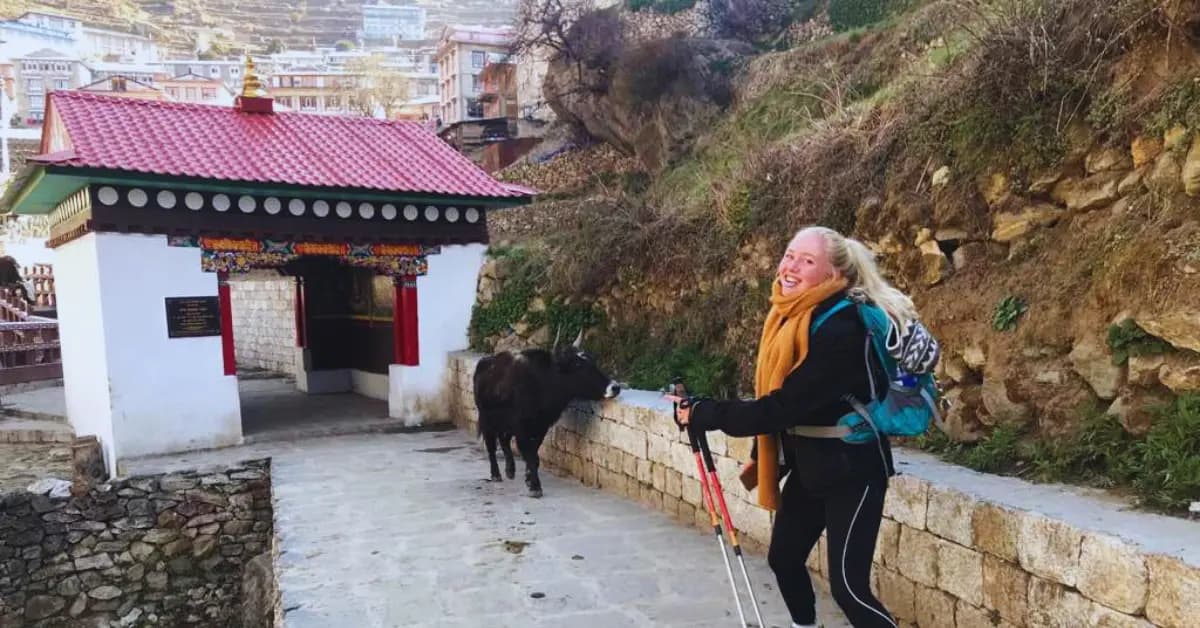
The Everest Base Camp (EBC) trek covers approximately 130 kilometers (80 miles) round trip, making it one of the world's most iconic high-altitude trekking adventures. The journey starts and ends in Lukla, the gateway to the Everest region, and follows the same trail to Everest Base Camp before returning along the same route.
While the distance itself is moderate compared to some long-distance treks, the challenge lies in the high altitude, steep ascents and descents, and rugged mountain terrain. Unlike hiking at lower elevations, every kilometer becomes more demanding as oxygen levels decrease. This is why the Everest Base Camp trek is often described as an endurance journey rather than a distance challenge.
Most trekkers complete the classic route in 12 to 14 days, allowing enough time for acclimatization and safe altitude gain. Although experienced hikers may cover the route in fewer days, rushing the itinerary significantly increases the risk of altitude sickness.
Everest Base Camp Trek Distance at a Glance
| Trek Details | Distance |
|---|---|
| One-way (Lukla to EBC) | 65 km (40 miles) Approximately |
| Round-Trip (Lukla-EBC-Lukla) | 130 km (80 miles) Approximately |
| Average Daily Walking | 8-15 km |
Note: Distances may vary slightly depending on your itinerary, accommodation stops, acclimatization hikes, and GPS measurements.
One-Way vs. Round-Trip Distance
Many trekkers are surprised to learn that the trek to Everest Base Camp follows the same trail in both directions. There is no circular route on the classic itinerary, so the return journey retraces your steps through the Khumbu Valley.
- One-Way Distance
From Lukla (2,860 m) to Everest Base Camp (5,364 m), you'll walk approximately 65 kilometers (40 miles). This gradual ascent takes you through:
Phakding → Namche Bazaar → Tengboche → Dingboche → Lobuche → Gorak Shep → Everest Base Camp
Each destination serves as an overnight stop, helping trekkers gain altitude safely while exploring the unique landscapes and Sherpa culture of the Everest region.
- Round-Trip Distance
After reaching Everest Base Camp, you'll return to Lukla along the same route, bringing the total trekking distance to approximately 130 kilometers (80 miles). Although the return journey is mostly downhill, it should not be underestimated. Long descents can be strenuous on the knees and leg muscles, especially after several days at high altitude.
Daily Walking Distance
The Everest Base Camp trek is not about covering long distances each day. Instead, the itinerary is designed to allow your body to adapt to increasing elevation. Daily walking distances typically range from 8 to 15 kilometers (5 to 9 miles), depending on the day's destination.
Here's an overview of the average daily distances:
| Trekking Day | Approximate Distance | Average Walking Time |
|---|---|---|
| Lukla to Phakding | 8 km | 3-4 hours |
| Phakding to Namche Bazaar | 10-11 km | 6-7 hours |
| Namche Bazaar Acclimatization Hike | 5-8 km | 3-5 hours |
| Namche Bazaar to Tengboche | 10 km | 5-6 hours |
| Tengboche to Dingboche | 11-12 km | 5-6 hours |
| Dingboche Acclimatization Hike | 6-8 km | 4-5 hours |
| Dingboche to Lobuche | 8 km | 5-6 km |
| Lobuche to Gorak Shep | 4 km | 3 hours |
| Gorak Shep to EBC and Return | 7 km | 4-5 hours |
| Gorak Shep to Kala Patthar and Descend | 5-6 km | 3-4 hours |
Although these distances appear manageable, the time required to complete each day is influenced by altitude, trail conditions, weather, and frequent rest breaks.
Why the Trek Feels Longer Than 130 Kilometers
A common question among first-time trekkers is why the Everest Base Camp trek feels more challenging than hiking a similar distance elsewhere. The answer lies in the environment rather than the mileage.
- High Altitude: As you climb above 3,000 meters (9,843 feet), the air becomes thinner, and your body receives less oxygen with every breath. Walking at a comfortable pace becomes increasingly difficult, making even short distances feel longer.
- Continuous Elevation Changes: The trail is rarely flat. Each day includes a combination of steep ascents, descents, and uneven terrain. Even on the return journey, you'll encounter climbs before descending into the valleys.
- Suspension Bridges and Rocky Trails: The route crosses several suspension bridges over deep river gorges and passes through rocky paths, glacial moraines, and stone staircases. These sections require careful footing and naturally slow your pace.
- Weather Conditions: Mountain weather can change rapidly. Rain, snow, strong winds, or cold temperatures may reduce walking speed and require additional caution.
- Acclimatization Breaks: Trekkers intentionally walk at a slower pace to help their bodies adjust to altitude. Guides often encourage a steady rhythm with regular hydration and rest stops, prioritizing safety over speed.
Does a Longer Itinerary Mean More Walking?
Not necessarily. Longer itineraries generally include additional acclimatization days rather than extra trekking distance. These rest days often involve short hikes to higher elevations followed by a return to the same lodge for the night.
This "climb high, sleep low" approach helps your body adapt to altitude while keeping daily walking distances manageable. It is widely regarded as one of the most effective strategies for reducing the risk of Acute Mountain Sickness (AMS).
Factors That Can Affect Trekking Distance
Although the standard route is approximately 130 kilometers, your total walking distance may vary depending on several factors.
- Acclimatization Hikes: Most itineraries include side hikes around Namche Bazaar and Dingboche, adding several kilometers to your overall journey while improving acclimatization.
- Optional Visit to Kala Patthar: Most trekkers hike to Kala Patthar (5,545 m) for its panoramic sunrise or sunset views of Mount Everest. This optional excursion adds around 5–6 kilometers to the trek but is considered one of the highlights of the journey.
- Trail Variations: Weather conditions, trail maintenance, or itinerary adjustments may lead to minor route changes. While these variations are usually small, GPS devices may record slightly different total distances.
- Starting or Ending Point: Some itineraries begin with a drive to Ramechhap before flying to Lukla, while others include helicopter returns from Gorak Shep or Everest Base Camp. These options affect the overall travel experience but do not significantly change the trekking distance unless you skip the return walk.
Is the Distance Suitable for Beginners?
Yes. Many first-time trekkers successfully complete the Everest Base Camp trek each year. The route does not require mountaineering skills or technical climbing experience.
Success depends more on preparation than on hiking experience. Building cardiovascular fitness, strengthening your legs, and practicing multi-day hikes before your trip will help you enjoy the journey. Following a gradual itinerary, staying hydrated, eating well, and listening to your guide are equally important.
Rather than focusing solely on the total distance, prepare for consistent daily walking at high altitude. With realistic expectations and proper acclimatization, the Everest Base Camp trek is achievable for many reasonably fit travelers.
If you are a beginner and unaware of the price calculation, then check our Everest Base Camp trek cost guide and know how the cost is calculated and affects the entire journey experience.
Everest Base Camp Trek Altitude Explained
Everest Base Camp Trek Altitude: How High Is It?
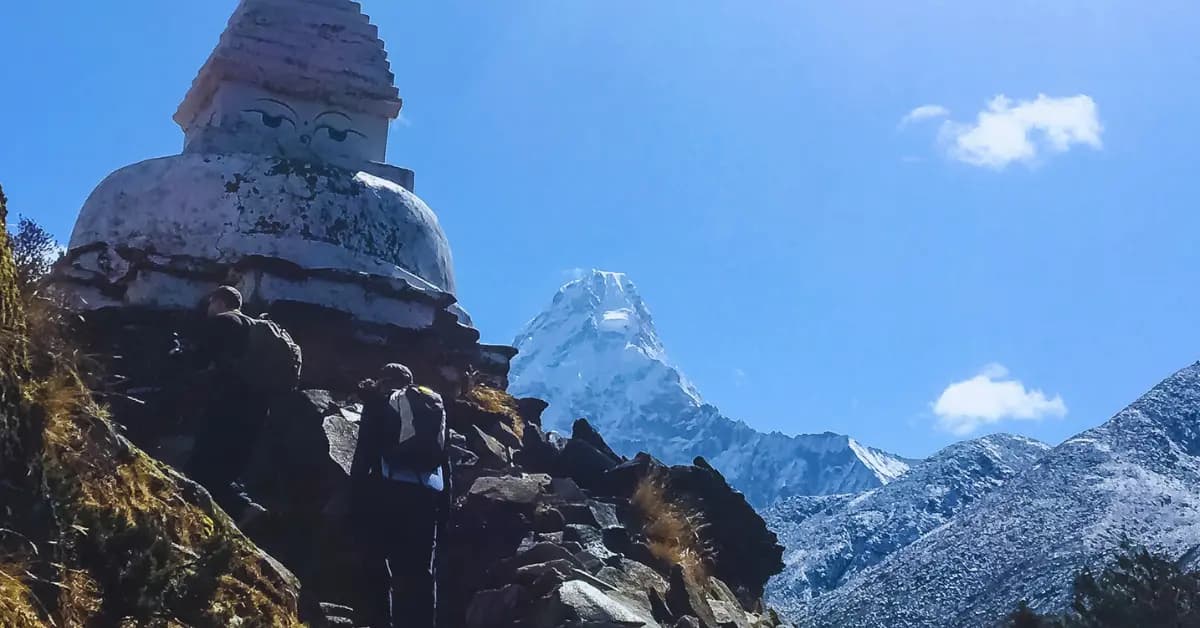
The Everest Base Camp Trek takes you from Lukla at 2,860 meters (9,383 feet) to Everest Base Camp at 5,364 meters (17,598 feet). Although reaching Base Camp is the main goal for many trekkers, the highest point of the standard trek is Kala Patthar at 5,644 meters (18,514 feet), a famous viewpoint offering one of the best panoramic views of Mount Everest.
Altitude is one of the most important factors to understand before starting the trek. Unlike lower-elevation hikes, the Everest Base Camp route climbs into a high-altitude environment where the air becomes thinner and oxygen levels gradually decrease. As elevation increases, your body works harder with every step, making proper acclimatization just as important as physical fitness.
The classic itinerary is carefully designed to help trekkers adjust to these conditions. By gaining elevation gradually and including acclimatization days, most people can safely complete the journey while reducing the risk of altitude sickness.
Everest Base Camp Altitude at a Glance
| Location | Altitude (Meters) | Altitude (Feet) |
|---|---|---|
| Lukla | 2,860 m | 9,383 ft |
| Phakding | 2,610 m | 8,563 ft |
| Namche Bazaar | 3,440 m | 11,286 ft |
| Tengboche | 3,867 m | 12,687 ft |
| Dingboche | 4,410 m | 14,469 ft |
| Lobuche | 4,910 m | 16,109 ft |
| Gorak Shep | 5,164 m | 16,942 ft |
| Everest Base Camp | 5,364 m | 17,598 ft |
| Kala Patthar | 5,644 m | 18,514 ft |
Did You Know? Although Everest Base Camp is the destination, Kala Patthar is actually 280 meters (916 feet) higher and provides the most iconic close-up views of Mount Everest.
Everest Base Camp Elevation Profile
The Everest Base Camp trek follows a gradual ascent through the Khumbu Valley. Rather than climbing continuously each day, the route includes natural ascents, descents, and scheduled acclimatization stops to help your body adapt to the changing altitude.
Here's how the elevation increases/gains throughout the journey:
| Destination | Elevation Gain From Previous Stop |
|---|---|
| Lukla to Phakding | -250 m |
| Phakding to Namche Bazaar | +830 m |
| Namche Bazaar to Tengboche | +427 m |
| Tengboche to Dinboche | +543 m |
| Dingboche to Lobuche | +500 m |
| Lobuche to Gorak Shep | +254 m |
| Gorak Shep to EBC | +200 m |
| Gorak Shep to Kala Patthar | +480 m |
Notice that the first day actually involves a slight descent before the trail begins its steady climb toward Everest Base Camp.
Why Altitude Is More Challenging Than Distance
Many trekkers assume that walking 10 kilometers a day is the hardest part of the Everest Base Camp trek. In reality, the biggest challenge is adjusting to the thinner air at higher elevations.
As you climb higher, atmospheric pressure decreases. Although the percentage of oxygen in the air remains about 21%, the lower air pressure means each breath contains fewer oxygen molecules than at sea level. This makes it harder for your body to supply oxygen to your muscles and organs.
The effects become more noticeable above 3,000 meters (9,843 feet), where you may find yourself walking more slowly, breathing more deeply, and needing frequent breaks, even on gentle slopes.
How Oxygen Levels Change During the Trek
The amount of oxygen available decreases significantly as you gain altitude. This is one of the main reasons why trekkers must acclimatize properly.
| Location | Approximate Oxygen Availability |
|---|---|
| Sea Level | 100% |
| Lukla (2,860 m) | ~72% |
| Namche Bazaar (3,440 m) | ~66% |
| Dingboche (4,410 m) | ~58% |
| Lobuche (4,910 m) | ~54% |
| Everest Base Camp (5,364 m) | ~50% |
| Kala Patthar (5,644 m) | ~49% |
*Approximate values compared to oxygen availability at sea level. Individual physiological responses vary.
By the time you reach Everest Base Camp, your body is functioning with roughly half the oxygen available at sea level. This is why climbing slowly and following a proper itinerary is essential.
Understanding Elevation Gain
The difference between your starting point and Everest Base Camp is approximately 2,504 meters (8,215 feet).
However, the total amount of climbing during the trek is greater than this figure because the trail includes many uphill and downhill sections. You'll often descend into river valleys before climbing back up to the next village.
This repeated climbing means your legs may feel more tired than the net elevation gain suggests.
Which Village Is Highest Before Everest Base Camp?
Many trekkers spend the night at Gorak Shep, located at 5,164 meters (16,942 feet). It is the highest permanent settlement and the final overnight stop before visiting Everest Base Camp.
From Gorak Shep, trekkers usually:
- Trek to Everest Base Camp in the afternoon, or
- Hike to Kala Patthar early the following morning for sunrise views.
Because of the altitude, most itineraries do not recommend spending more than one night at Gorak Shep unless necessary.
Why Kala Patthar Is Higher Than Everest Base Camp
A common misconception is that Everest Base Camp is the highest point of the trek.
In reality, Kala Patthar is 280 meters (916 feet) higher than Base Camp.
Most trekkers choose to hike to Kala Patthar because:
- It offers unobstructed panoramic views of Mount Everest.
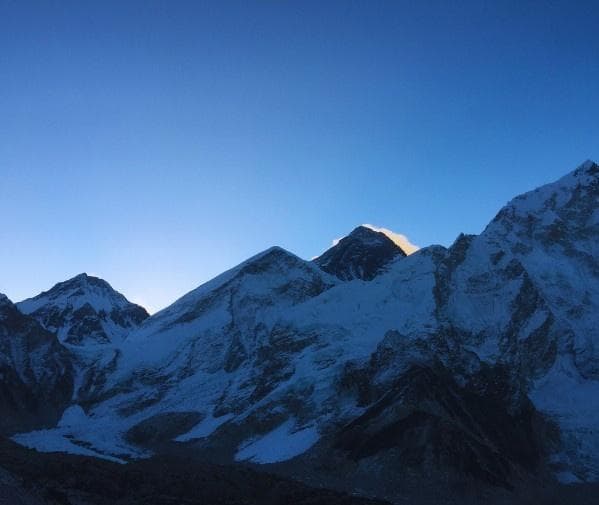
- Everest itself is not fully visible from Base Camp.
- Sunrise and sunset create spectacular lighting over the Himalayan peaks.
- It is considered the highlight of the trek by many experienced hikers.
Although the climb is short, it is steep and takes place at very high altitude, making it one of the most physically demanding parts of the journey.
How the Body Adapts to High Altitude
Your body begins adjusting to lower oxygen levels as you gain elevation. This process, known as acclimatization, helps improve oxygen delivery to your muscles and organs over time.
Some of the natural adaptations include:
- Increased breathing rate
- Higher heart rate during activity
- Production of more red blood cells over time
- Improved oxygen transport throughout the body
These changes take time, which is why experienced guides recommend ascending gradually rather than rushing to higher elevations.
Why Acclimatization Days Are Included
Most Everest Base Camp itineraries include two acclimatization days:
Namche Bazaar (3,440 m): This is usually the first acclimatization stop. Trekkers take a short hike to a higher elevation before returning to Namche Bazaar to sleep.
Dingboche (4,410 m): A second acclimatization day allows your body to adapt before entering the higher alpine zone above 5,000 meters.
These rest days are not "days off." Instead, they involve light hiking to encourage the body to adjust while following the principle of "climb high, sleep low."
Common Altitude Mistakes to Avoid
Even experienced hikers can underestimate the effects of high altitude. To improve your chances of a safe and enjoyable trek, avoid these common mistakes:
- Ascending too quickly without proper acclimatization
- Ignoring early symptoms of altitude sickness
- Skipping rest or acclimatization days
- Becoming dehydrated
- Drinking excessive alcohol at high elevations
- Walking too fast on steep climbs
- Sleeping at significantly higher elevations without gradual progression
- A steady pace is one of the best strategies for reaching Everest Base Camp safely.
Once you understand the trek route's altitude and distance, learn more about expert training and preparation tips for the Everest Base Camp trek for a safe and successful adventure.
Day by Day Everest Base Camp Trek Distance and Altitude
Understanding the daily distance, walking hours, and altitude gain helps you prepare both physically and mentally for the Everest Base Camp trek. While the overall distance is around 130 km (80 miles) round trip, each day offers a different experience. Some days involve gradual walks through forests and villages, while others require steep climbs at high altitude.
A well-planned itinerary balances daily walking distance with proper acclimatization, reducing the risk of altitude sickness and making the journey more enjoyable. Most standard itineraries follow a 12 to 14 day schedule, including two acclimatization days at Namche Bazaar and Dingboche.
The table below provides a quick overview of the classic Everest Base Camp trekking route.
Everest Base Camp Trek Distance and Altitude Table:
| Day | Route | Distance | Walking Time | Overnight Altitude |
|---|---|---|---|---|
| 1 | Lukla to Phakding | 8 km | 3-4 hrs | 2,610 m |
| 2 | Phakding to Namche Bazaar | 10-11 km | 6-7 hrs | 3,440 m |
| 3 | Acclimatization at Namche Bazaar | 5-8 km | 3-5 hrs | 3,440 m |
| 4 | Nache Bazaar to Tengboche | 10 km | 5-6 hrs | 3,867 m |
| 5 | Tengboche to Dingboche | 11-12 km | 5-6 hrs | 4,410 m |
| 6 | Acclimatization at Dingboche | 6-7 km | 4-5 hrs | 4,410 m |
| 7 | Dingboche to Lobuche | 8 km | 7-8 hrs | 4,910 m |
| 8 | Lobuche-Gorak Shep-EBC-Gorak Shep | 11 km | 7-8 hrs | 5,164 m |
| 9 | Gorak Shep-Kala Patthar-Pheriche | 13-14 km | 7-8 hrs | 4,240 m |
| 10 | Pheriche-Namche Bazaar | 19-20 km | 7-8 hrs | 3,440 m |
| 11 | Namche Bazaar-Lukla | 18-19 km | 7-8 hrs | 2,860 m |
Note: Distances are approximate and may vary slightly depending on GPS devices, lodge locations, and trail conditions.
Which Day Is the Most Difficult?
Although every trekker's experience is different,
These stages are generally considered the most challenging:
| Day | Reason |
|---|---|
| Day 2 | Long Ascent to Namche Bazaar |
| Day 7 | High Altitude and Thinner Air |
| Day 8 | Reaching Everest Base Camp Over Rocky Glacial Terrain |
| Day 9 | Early Morning Climb to Kala Patthar (5,644 m) |
The challenge comes from altitude and elevation gain, not simply the number of kilometers walked.
Trekking Pace: Why Slow and Steady Wins
One of the biggest mistakes first-time trekkers make is trying to walk too quickly. At higher elevations, maintaining a slow, consistent pace allows your body to conserve energy and adapt to lower oxygen levels.
A few practical tips:
- Walk at a pace where you can still hold a conversation.
- Drink water regularly throughout the day.
- Take short breaks instead of long stops that cool the body too much.
- Listen to your guide's advice, especially above 3,500 meters.
- Don't compare your pace with others; everyone acclimatizes differently.
Everest Base Camp Trek Distance and Altitude FAQs
Below are the most commonly asked questions and answers from our expert about the Everest Base Camp trek distance and altitude:
How far is the Everest Base Camp trek?
The classic Everest Base Camp trek covers approximately 130 kilometers (80 miles) round trip from Lukla to Everest Base Camp and back. The one-way distance from Lukla to Everest Base Camp is around 65 kilometers (40 miles). The exact distance may vary slightly depending on the route, side hikes, acclimatization walks, and GPS measurements. Most trekkers complete the journey within 12-14 days, including acclimatization days at Namche Bazaar and Dingboche.
What is the altitude of Everest Base Camp?
Everest Base Camp is located at an altitude of 5,364 meters (17,598 feet) above sea level.
At this elevation, oxygen levels are significantly lower than at sea level, which is why proper acclimatization is essential. Although Base Camp is the final destination, most trekkers climb higher to Kala Patthar, which reaches 5,644 meters (18,514 feet). Kala Patthar is the highest point of the standard Everest Base Camp trek.
What is the altitude gain from Lukla to Everest Base Camp?
The elevation gain from Lukla to Everest Base Camp is approximately 2,504 meters (8,215 feet). The trek begins at Lukla at 2,860 meters and reaches Everest Base Camp at 5,364 meters. However, the total amount of climbing is much greater because the trail includes many ups and downs throughout the journey.
Can beginners complete the Everest Base Camp trek?
Yes, beginners can successfully complete the Everest Base Camp trek. Many first-time trekkers reach Base Camp every year without previous Himalayan trekking experience.
Do I need oxygen support for the Everest Base Camp trek?
Most healthy trekkers do not need supplemental oxygen during the Everest Base Camp trek. However, the risk of altitude-related problems increases above 3,000 meters, so preparation and awareness are essential.
Is Everest Base Camp harder because of distance or altitude?
For most trekkers, altitude is the biggest challenge, not the distance. Walking 10 kilometers at low elevation is very different from walking 10 kilometers above 4,000 meters. Learn more about the difficulty level of the Everest Base Camp trek in detail before joining the adventure.
Final Thoughts
The Everest Base Camp trek is not just a journey measured in kilometers; it is an experience shaped by altitude, landscapes, culture, and personal endurance. Understanding the distance and elevation profile helps you prepare realistically and enjoy the adventure with greater confidence.
With proper training, a gradual itinerary, and respect for the mountain environment, the trek is achievable for many travelers. The reward is an unforgettable journey through the heart of the Himalayas, surrounded by some of the world's highest peaks and the unique Sherpa culture of the Everest region.
Ready to conquer the EBC? Join our guided 14 days Everest Base Camp trek Itinerary package to experience the once-in-a-lifetime journey.
About Author
Amir Adhikari is the Founder and Trip Curator of Everest Thrill Trek and Expedition. With 10+ years of experience in Nepal’s competitive tourism sector, he is a recognized expert in designing safe, personalized, and high-thrill Himalayan itineraries. His dedication to responsible travel and creating authentic experiences has positioned Everest Thrill as a leading specialist for Everest, Annapurna, and off-the-beaten-path adventures.


Private Everest Base Camp Trek Package (14 days)
USD 1366/per person