Date Updated:
Best Time To Trek To Everest Base Camp | What the Trail Is Really Like by Season
Table of Contents
- Everest Base Camp Trekking Seasons at a Glance
- Spring: March to May
- March
- April
- May
- Autumn: September to November
- September
- October
- November
- Everest Base Camp During the Monsoon: June to August
- Everest Base Camp in Winter: December to February
- Everest Base Camp Weather Changes With Altitude
- What Seasonal Conditions Mean on the Trail
- Lukla Flights
- Accommodation
- Trail Conditions
- Crowds
- Does the Season Affect Altitude Sickness?
- Everest Base Camp Month by Month
- When Should You Plan Your Everest Base Camp Trek?
- How We Plan Everest Base Camp Treks
- Frequently Asked Questions
- What is the best time for the Everest Base Camp trek?
- Is April a good month for Everest Base Camp?
- Is May a good month for Everest Base Camp?
- Is October a good month for Everest Base Camp?
- Is November a good month for Everest Base Camp?
- Can you trek to Everest Base Camp in winter?
- Can you trek to Everest Base Camp during the monsoon?
- Does weather affect Lukla flights?
- How long does the Everest Base Camp trek take?
- Final Thoughts
April, May, October and November are the main months we operate Everest Base Camp treks. Each has a different feel on the trail, and conditions can change noticeably between the beginning and end of a month.
Spring brings warmer days, flowering rhododendrons and increasing activity around the Everest climbing season. Autumn follows the monsoon with generally clearer skies and mountain views, while November becomes quieter as temperatures drop at higher elevations.
The trek can also be done outside these months. Winter brings cold, snow and ice on the upper trail, while the monsoon brings more rain, cloud and uncertainty around Lukla flights.
After organizing EBC departures across different seasons, one point is particularly important: there is no single Everest Base Camp weather pattern for the entire trek. A comfortable afternoon in Lukla can be followed by freezing conditions several days later at Gorak Shep.
Everest Base Camp Trekking Seasons at a Glance
The year on the Everest trail can broadly be divided into four periods:
| Season | Months | Weather and Trail | What We Watch |
|---|---|---|---|
| Spring | March-May | Warmer days and increasingly active trails | Crowds, accommodation and changing weather |
| Monsoon | June-September | Rain and cloud, especially lower down | Trail conditions and Lukla flights |
| Autumn | October-November | Drier trails and clearer mountain views | Crowds in October and cold in November |
| Winter | December-February | Cold, dry conditions with possible snow and ice | Upper-route conditions and lodge operations |
The transitions are gradual. Early September can still feel like the monsoon, while late September may have noticeably different conditions. The same applies to late November, when winter is more apparent than at the beginning of the month.
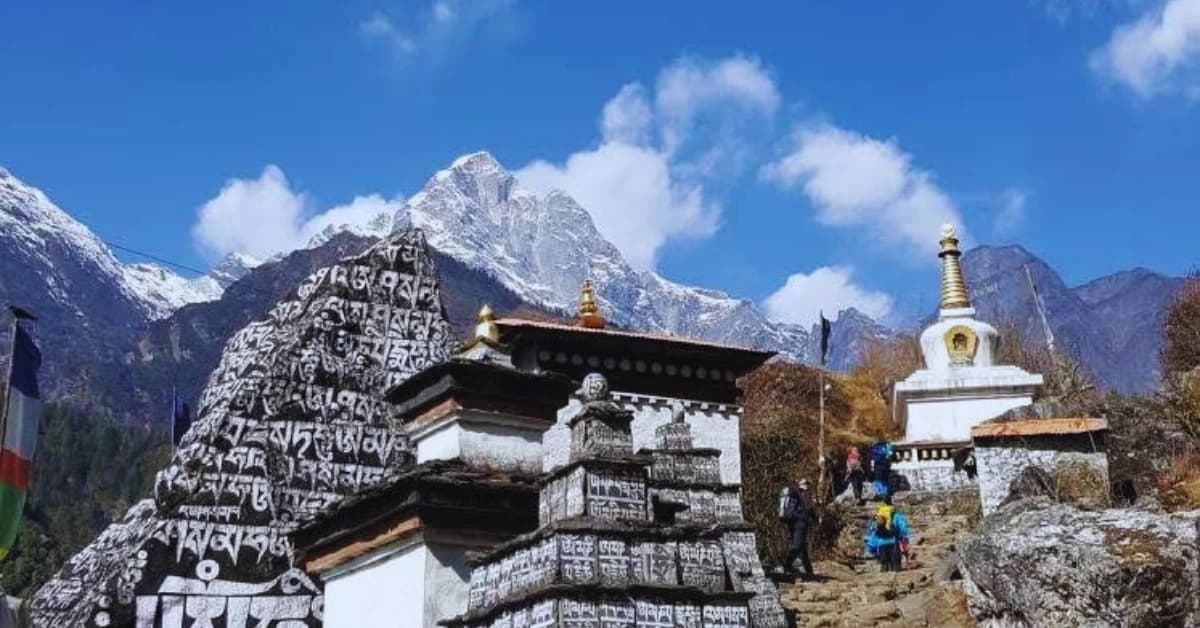
Spring: March to May
Spring is one of the main trekking periods in the Khumbu. The three months are different enough that the exact departure date is worth considering.
March
March sits between winter and spring.
Lower sections of the trail begin to feel more comfortable as the month progresses, and the first signs of spring appear around the valleys. Higher sections can still be cold, with snow or ice possible depending on winter conditions.
The change is particularly noticeable as you gain altitude. An afternoon that feels mild around Namche does not necessarily mean the upper trail has warmed up.
April
An Everest Base Camp trek in April takes place during a busy period in the Khumbu.
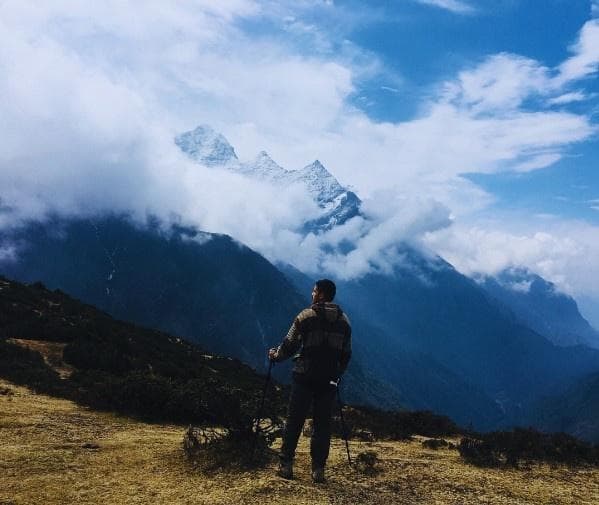
The lower trail around Lukla, Phakding and Namche becomes more comfortable during the day, while rhododendrons add color to the forested sections.
April also coincides with increased Everest expedition activity. As the route moves beyond Namche toward Tengboche, Dingboche, Lobuche and Base Camp, trekkers begin to see more of the activity associated with the climbing season.
From an organizing perspective, April requires advance planning. Accommodation at popular overnight stops can be in high demand, and flights should not be left to the last minute.
On busy departures, the difference is most noticeable around places such as Namche, Dingboche and Gorak Shep. The quieter sections between villages can still feel relatively open.
May
An Everest Base Camp trek in May continues the spring season but gradually moves toward the monsoon.
Early May generally has comfortable daytime walking conditions at lower elevations, while Everest expedition activity is at its height.
Later in the month, cloud and weather variability can become more noticeable. The change is gradual rather than occurring on a particular date, so early-May and late-May departures can feel quite different.
For May departures, we pay closer attention to the exact travel dates and the amount of flexibility around the trek, particularly for travelers with fixed international flights.
Autumn: September to November
Autumn begins with the retreat of the monsoon and moves toward colder, quieter conditions in November.
September
September should not be treated as a best month.
Early September can still have rain and cloud, especially on lower sections of the route. Conditions generally become more settled toward the end of the month as monsoon influence decreases.
This is why the departure date matters more in September than simply labeling the entire month as “autumn.”
October
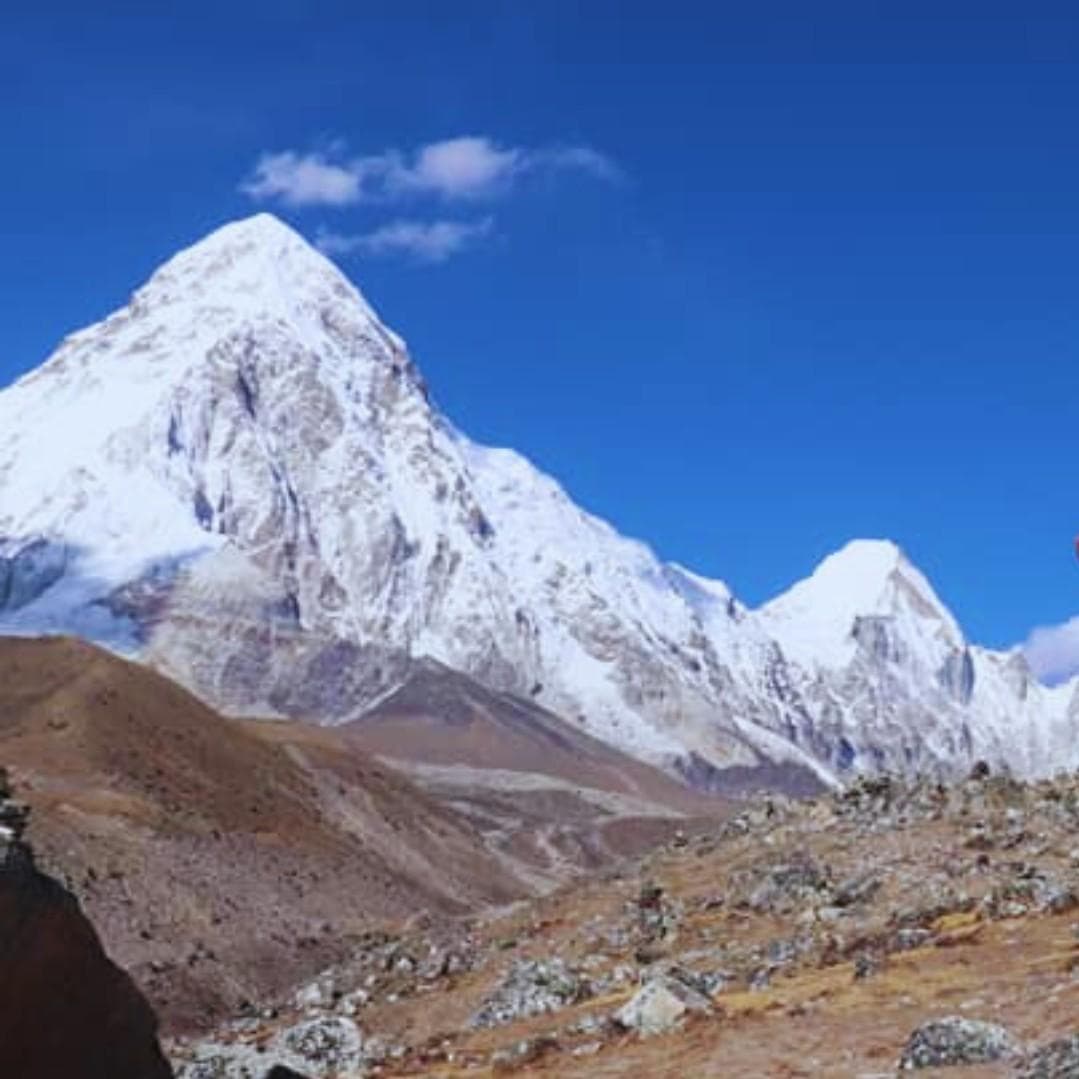
Following the monsoon, the atmosphere is generally clearer and lower trails are usually drier. Clear mornings can produce excellent views of the surrounding peaks.
The downside from an operational perspective is demand. Namche Bazaar, Dingboche, Lobuche and Gorak Shep can become busy, and accommodation needs to be organized well ahead of departure.
Lukla flights still require flexibility. Good trekking weather does not guarantee that every flight will operate on schedule, as visibility, wind and other conditions can affect operations.
For this reason, we advise trekkers to leave some buffer around the trek rather than connecting an international flight too closely to the scheduled Lukla return.
November
An Everest Base Camp trek in November begins with autumn conditions and gradually takes on a winter character.
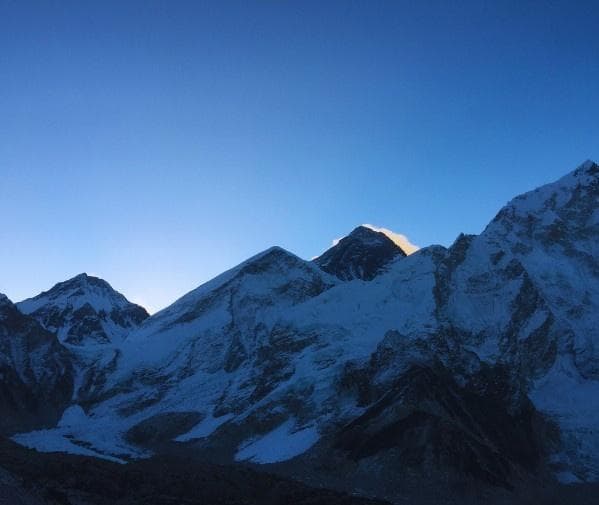
The trail is generally quieter than in October, and clear mornings can provide excellent mountain visibility. The main change is temperature, particularly around Dingboche, Lobuche and Gorak Shep.
Early mornings and nights at these elevations can be very cold. Later November departures also require closer attention to upper-elevation accommodation and changing winter conditions.
Everest Base Camp During the Monsoon: June to August
Trekking to Everest Base Camp during the monsoon is possible, but the experience is different from spring and autumn.
Rain and cloud are more common, particularly on the lower sections. After sustained rainfall, some trails can become wet and muddy, while mountain views may remain hidden behind cloud.
The upper Khumbu does not necessarily experience the same rainfall as the lower valleys, so conditions can vary along the route.
For trekkers, one of the bigger practical concerns is transportation. Weather can affect flights between Kathmandu and Lukla, and a delay can become more complicated when the trek is tied to fixed international flights.
Monsoon departures therefore require more flexibility in both the itinerary and travel arrangements.
Everest Base Camp in Winter: December to February
Everest Base Camp in winter is much quieter, but cold becomes the main consideration.
Clear winter mornings can offer excellent mountain visibility. At higher elevations, however, temperatures can fall well below freezing, particularly overnight and before sunrise.
Snow and ice may affect parts of the upper trail. Some teahouses at higher elevations may also reduce operations or close temporarily during the coldest part of the season.
Winter departures therefore require proper cold-weather equipment, careful accommodation planning and closer attention to conditions above Namche.
Everest Base Camp Weather Changes With Altitude
One of the easiest mistakes when planning an EBC trek is to think of the route as having one climate.
The classic trek starts at about 2,860 metres in Lukla, climbs to around 3,440 metres at Namche Bazaar, passes through Tengboche and Dingboche, and eventually reaches over 5,000 metres around Gorak Shep and Everest Base Camp.
The weather changes as the route climbs.
At lower elevations, daytime temperatures can be comfortable for walking. Higher up, wind, overnight temperatures and exposure become much more important. By the time trekkers reach Gorak Shep, conditions can be completely different from those experienced at the start of the trek.
The time of day also matters. Mornings often provide the clearest mountain views, while cloud and wind can develop later depending on the season.
For this reason, when we prepare trekkers, we look at the conditions expected along the entire route rather than relying on one forecast for Everest Base Camp.
What Seasonal Conditions Mean on the Trail
Seasonal changes affect more than temperature and mountain views. They influence how we organize the trek.
Lukla Flights
Flights between Kathmandu and Lukla are affected by weather and operating conditions.
A delay at the beginning of the trek can reduce the time available on the trail. A delayed return flight can be more serious if an international departure is scheduled for the same day.
We therefore recommend keeping contingency time around the trek whenever possible.
Accommodation
EBC trek route Accommodation demand changes considerably during the year.
April and October can place considerable pressure on teahouses at popular stops, especially Namche Bazaar, Dingboche, Lobuche and Gorak Shep.
Winter is different. There may be fewer trekkers, but some higher-elevation lodges reduce operations or close temporarily.
Trail Conditions
Spring and autumn generally offer drier walking conditions.
Monsoon rain can make lower trails wet and muddy. Winter can bring snow and ice to higher sections.
These changes affect the footwear, clothing and daily preparation we recommend.
Crowds
Trail traffic is concentrated around particular places rather than being constant throughout the route.
During busy periods, trekkers notice it most around villages, viewpoints, accommodation and narrow sections of the trail. October and April can be particularly active, while November, winter and monsoon departures are considerably quieter.
Does the Season Affect Altitude Sickness?
Altitude sickness can occur on the Everest Base Camp trek in any season.
The main factors are the rate of ascent, sleeping altitude, acclimatization and individual response to altitude. Warm weather does not remove altitude risk, and cold weather does not cause altitude sickness by itself.
A well-planned Everest Base Camp trek itinerary includes appropriate acclimatization days and avoids increasing sleeping altitude too quickly.
Trekkers should know the symptoms of altitude-related illness and inform their guide promptly if they feel unwell.
Everest Base Camp Month by Month
| Month | Weather and Trail | Crowds | What We Watch |
|---|---|---|---|
| January | Cold winter; snow or ice possible | Very quiet | Severe cold and upper-route conditions |
| February | Cold, gradually improving | Quiet | Winter conditions at higher elevations |
| March | Winter changing to spring | Increasing | Cold mornings and upper-route conditions |
| April | Spring; warmer days | Busy | Accommodation, flights and expedition activity |
| May | Warmer spring; increasing variability | Busy | Changing weather later in the month |
| June | Monsoon begins | Quiet | Rain, cloud and flight uncertainty |
| July | Monsoon | Very quiet | Wet lower trails and limited visibility |
| August | Monsoon | Very quiet | Rain, cloud and trail conditions |
| September | Monsoon gradually retreats | Increasing | Exact departure date and changing weather |
| October | Dry post-monsoon | Very busy | Accommodation and flight scheduling |
| November | Dry and increasingly cold | Quieter | Cold at higher elevations |
| December | Winter | Very quiet | Snow, cold and upper-lodge operations |
When Should You Plan Your Everest Base Camp Trek?
Planning needs depend on both the season and the departure date.
April and October are busy periods, so arranging flights, accommodation and trekking services several months ahead gives you more flexibility.
May can also be busy, while November generally offers more flexibility with accommodation.
For winter and monsoon departures, availability is usually less of the issue. Instead, the focus shifts toward weather monitoring, flight flexibility, upper-route accommodation and suitable equipment.
Whatever month you choose, we recommend leaving some contingency time around the trek. A tightly scheduled itinerary can become difficult when a Lukla flight is delayed by weather.
How We Plan Everest Base Camp Treks
We do not build an EBC itinerary around the calendar alone.
Before confirming a departure, we look at the travel dates, altitude profile, acclimatization schedule, expected conditions, accommodation, Lukla flights, walking pace and available contingency time.
The same route can require different planning at different times of the year.
For example, on a later November departure, we pay closer attention to the timing of the Gorak Shep-Everest Base Camp walk because early mornings at that altitude can be extremely cold. During the busier spring and autumn periods, accommodation and flight arrangements receive more attention.
We also consider the group itself. A trekker who is accustomed to high-altitude walking may manage the schedule differently from someone completing their first trek above 4,000 metres.
That is why we prefer to plan around the actual departure dates and the people making the journey rather than treating an entire month as having identical conditions.
Frequently Asked Questions
What is the best time for the Everest Base Camp trek?
April, May, October and November are the main months we operate for Everest Base Camp treks. They offer different combinations of weather, mountain visibility, trail activity and temperature, so the exact departure date still matters.
Is April a good month for Everest Base Camp?
April brings spring conditions, rhododendron blooms at lower elevations and increasing activity around the Everest climbing season. It is also a busy period, so accommodation and flights need advance planning.
Is May a good month for Everest Base Camp?
May continues the spring trekking period. Early May generally has more settled conditions, while weather becomes more variable as the month progresses toward the monsoon.
Is October a good month for Everest Base Camp?
October follows the monsoon and generally brings drier trails and clearer mountain views. It is also one of the busiest periods, particularly around the main overnight villages.
Is November a good month for Everest Base Camp?
November is generally quieter than October and can provide excellent mountain visibility. Temperatures become increasingly cold at higher elevations, especially later in the month.
Can you trek to Everest Base Camp in winter?
Yes. Winter trekking requires preparation for freezing temperatures and possible snow or ice. Upper-elevation accommodation should also be checked carefully before departure.
Can you trek to Everest Base Camp during the monsoon?
Yes. The trek can be done during the monsoon, but rain, cloud, wet lower trails and possible Lukla flight delays make the itinerary more weather-dependent.
Does weather affect Lukla flights?
Yes. Visibility, wind and other operating conditions can cause delays or rescheduling. Trekkers with fixed international connections should leave sufficient contingency time around the trek.
How long does the Everest Base Camp trek take?
The classic Lukla-to-Everest Base Camp and return trek generally takes around two weeks, including acclimatization days. The exact duration depends on the itinerary, walking pace and whether additional acclimatization or contingency days are included.
Final Thoughts
The best time for an Everest Base Camp trek depends on more than the name of the month.
From our experience, April, May, October and November are the main periods we operate. Spring brings an active trail and Everest expedition atmosphere, while autumn follows the monsoon with generally clearer mountain conditions. November becomes quieter as temperatures fall.
At the same time, conditions change significantly with altitude. Lukla, Namche, Dingboche and Gorak Shep can all feel very different on the same trek.
For that reason, we plan each Everest Base Camp trek departure around the actual travel dates, route conditions, acclimatization, accommodation, Lukla flights and available contingency time.
On the Everest trail, the calendar gives you an indication of what to expect. The details of the journey are determined on the ground.
About Author
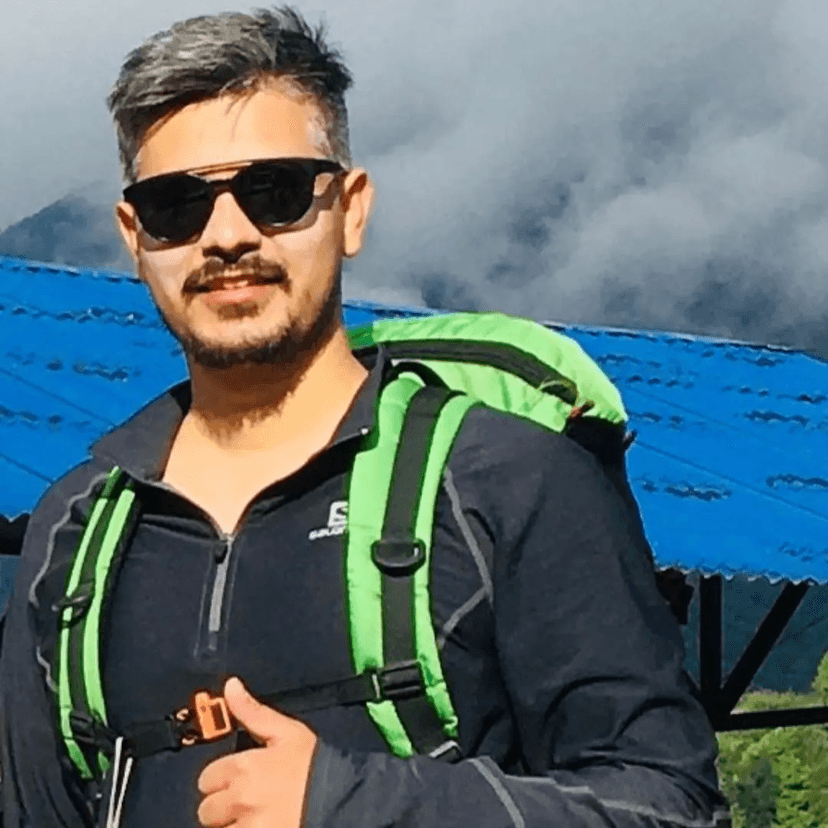
Amir Adhikari is the Founder and Trip Curator of Everest Thrill Trek and Expedition. With 10+ years of experience in Nepal’s competitive tourism sector, he is a recognized expert in designing safe, personalized, and high-thrill Himalayan itineraries. His dedication to responsible travel and creating authentic experiences has positioned Everest Thrill as a leading specialist for Everest, Annapurna, and off-the-beaten-path adventures.


Private Everest Base Camp Trek Package (14 days)
USD 1366/per person