Date Updated:
Everest Base Camp Trek Difficulty Level | How Hard Is the Trek?
Table of Contents
- Everest Base Camp Trek Difficulty at a Glance
- What Makes the Everest Base Camp Trek Difficult?
- Altitude and Acclimatization
- Long Walking Days and Cumulative Fatigue
- Rocky Trails, Climbs and Descents
- Cold and Changing Mountain Weather
- Everest Base Camp Trek Difficulty by Section
- Lukla to Namche Bazaar
- Namche to Dingboche
- Dingboche to Lobuche
- Lobuche to Gorak Shep and Everest Base Camp
- Gorak Shep to Kala Patthar
- What Is the Hardest Part of the Everest Base Camp Trek?
- Is Everest Base Camp Trek Suitable for Beginners?
- Altitude Sickness on the EBC Trek
- Does the Heli Fly Back from Ghorak Shep Make the Trek Easier?
- Lukla Flights and Other Practical Challenges
- How to Make the EBC Trek More Manageable
- So, How Difficult Is the Everest Base Camp Trek?
The Everest Base Camp trek is a moderately challenging high-altitude trek, but it is not a technical climbing expedition. You do not need mountaineering skills to reach Base Camp. What you do need is the ability to walk for several hours on consecutive days while adapting to increasingly thin air.
The trail reaches 5,364 meters (17,598 feet) at Everest Base Camp, with Kala Patthar rising to about 5,644 meters. The combination of altitude, long walking days, rocky trails, ascents and descents, and changing mountain conditions is what makes the journey challenging.
From our experience organizing Everest Base Camp treks, we have found that altitude is usually the factor that changes the experience most. Someone who is comfortable hiking at lower elevations may still need to slow down considerably in the Khumbu.
The aim is not to walk fast. A steady pace, sensible acclimatization and good communication with your guide are far more important.
Everest Base Camp Trek Difficulty at a Glance
| Factor | What to expect |
|---|---|
| Overall difficulty | Moderately challenging, non-technical high-altitude trek |
| Everest Base Camp elevation | 5,364 m / 17,598 ft |
| Kala Patthar elevation | About 5,644 m / 18,192 ft |
| Walking | Several hours on most trekking days |
| Main challenge | Altitude and cumulative fatigue |
| Trail | Rocky paths, stone steps, climbs and descents |
| Technical climbing | Not required on the standard route |
What Makes the Everest Base Camp Trek Difficult?
Altitude and Acclimatization
Altitude is the biggest difference between EBC and an ordinary multi-day hike.
The lower trail around Lukla Airport and Phakding can feel relatively comfortable. As you move through Namche, Tengboche and Dingboche, the air becomes thinner and the same uphill effort can feel noticeably harder.
You may find yourself breathing more heavily, taking smaller steps and stopping more often. This can happen even if you are fit and have plenty of hiking experience.
Common symptoms of altitude sickness can include headache, nausea, dizziness, unusual tiredness, reduced appetite and difficulty sleeping. If you feel unwell, tell your guide rather than trying to push through it.
This is why a properly planned EBC itinerary includes time for acclimatization. The purpose is to give your body time to adjust before gaining more elevation.
Fitness helps you handle the walking; acclimatization helps your body adjust to altitude. They are not the same thing.
Meanwhile, even elderly trekkers have completed the EBC trek comfortably, all because they had adequate training and respected the pace.
Long Walking Days and Cumulative Fatigue
The challenge is not one particularly long hike. It is doing several hours of walking day after day.
Many trekking days take around 5-7 hours, depending on the section, pace, breaks and trail conditions. By the time you reach the higher Khumbu, tired legs can make relatively short climbs feel much harder.
Your body is also recovering less efficiently at altitude. A good night's sleep is not always guaranteed, and the next morning you still have another day on the trail.
This cumulative fatigue is one of the aspects first-time trekkers often underestimate.
Rocky Trails, Climbs and Descents
The EBC route is not technically difficult, but it is rarely flat.
Expect rocky paths, stone steps, suspension bridges and repeated climbs and descents. The trail can rise considerably and then drop into a valley before climbing again.
The section toward Namche is a good early example. Later, the trail becomes more exposed and rugged around Dingboche, Lobuche and Gorak Shep.
The EBC trek distance alone, therefore, does not tell you how difficult a particular day will feel. Elevation gain, terrain and altitude all matter.
Cold and Changing Mountain Weather
Weather becomes increasingly important as you gain elevation.
Conditions can change during the day, with wind, cloud, rain or snow affecting how comfortable and manageable the trail feels. Around Dingboche, Lobuche and Gorak Shep, cold becomes a much bigger part of daily life.
Early starts can be particularly cold, especially on the morning hike toward Kala Patthar.
Choosing the right Everest trek season and preparing appropriately for the conditions can make a significant difference.
Everest Base Camp Trek Difficulty by Section
The experience changes considerably as you move higher.
Lukla to Namche Bazaar
The first days provide a gradual introduction to the trail. The approach to Namche Bazaar includes a sustained climb, making it one of the first days when the physical effort becomes noticeable.
Namche to Dingboche
After Namche, elevation becomes increasingly important. The trail continues through Tengboche and into the higher Khumbu, where walking at your usual pace may no longer feel comfortable.
Dingboche to Lobuche
This is where many trekkers begin to notice the altitude more clearly. The landscape becomes more barren and the air thinner, while the accumulated walking starts to show.
Lobuche to Gorak Shep and Everest Base Camp
This is a high-altitude day with little room for rushing. From Gorak Shep, the trail continues toward Everest Base Camp along the Khumbu Glacier area before returning to Gorak Shep.
Gorak Shep to Kala Patthar
Kala Patthar is higher than Base Camp and involves a steep climb. Although the distance is relatively short, the elevation makes the ascent demanding.
There is no single section that feels hardest for everyone. Altitude, previous experience, weather and accumulated fatigue all influence how an individual experiences the trail.
What Is the Hardest Part of the Everest Base Camp Trek?
For many trekkers, the hardest part is not a single steep climb. It is the combination of high altitude and accumulated fatigue.
By the time you reach Lobuche and Gorak Shep, you have already spent several days walking. The air is thin, temperatures are lower and recovery may be slower.
This is where pacing becomes particularly important.
There is no benefit in trying to keep up with the fastest person in the group. Walking slowly and consistently is usually much more sustainable at altitude.
Is Everest Base Camp Trek Suitable for Beginners?
Yes. EBC trail is even beginner-friendly. Previous high-altitude trekking experience is not a requirement for the standard EBC route.
However, a beginner should understand what they are signing up for. You should be comfortable walking for several hours, handling uphill and downhill sections, staying active on consecutive days and adapting to basic mountain conditions.
You do not need to be an elite athlete or an experienced mountaineer.
What matters more is arriving prepared, following a sensible itinerary and being willing to adjust your pace as the altitude increases.
Altitude Sickness on the EBC Trek
Altitude sickness deserves more attention than simply asking whether you are fit enough for the trek.
Anyone can be affected by altitude, regardless of age, gender or physical fitness. Symptoms should never be ignored simply because you are determined to reach Base Camp.
Tell your guide if you develop a headache, nausea, dizziness, unusual fatigue or other symptoms at altitude. Your guide can assess the situation and decide whether rest, further acclimatization or descent is appropriate.
A successful EBC trek is not about reaching each destination according to the fastest possible schedule. It is about making sensible decisions as you gain elevation.
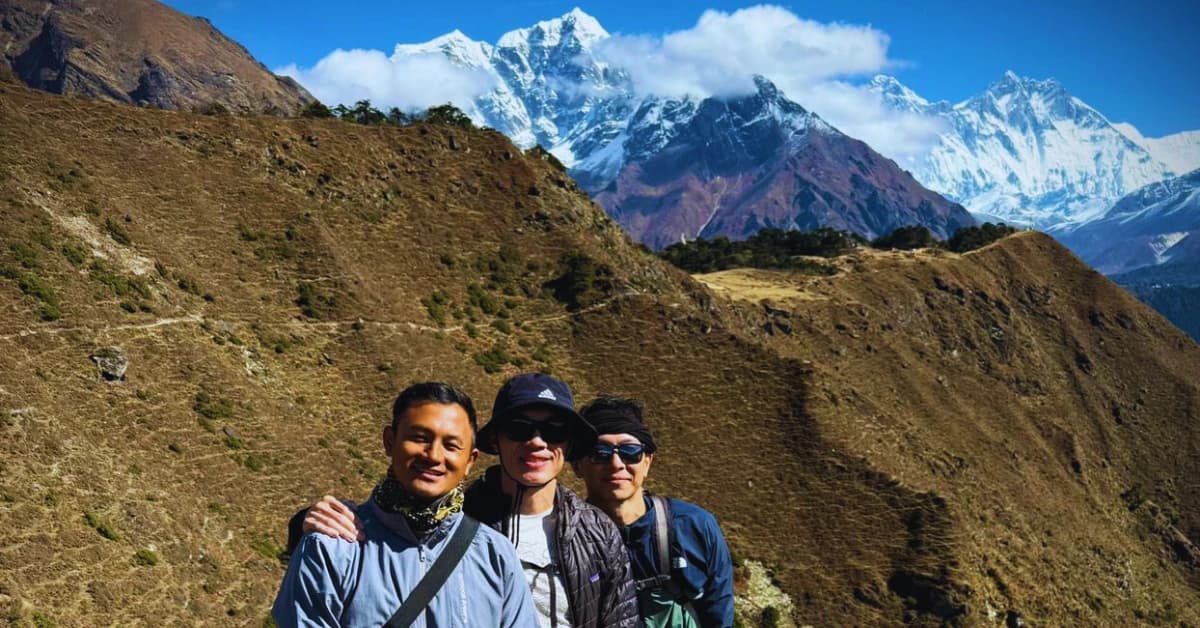
I am an experienced hiker, so I trekked to Everest Base Camp in 2024 with my friends. When I reached Namche, I felt a little affected by the high altitude and became a bit nervous. Consulting with the guide, I drank plenty of water, walked slowly, and took enough rest. These helped me continue my journey and finally reach Everest Base Camp. Sometimes I also had problems with digestion during the trek. After completing the trek, I returned by helicopter. This experience taught me that anyone can have altitude problems, so it is important to hike slowly, drink lots of water, and listen to your body and guide.
— Julia, had trekked EBC in May 2024 with us
Does the Heli Fly Back from Ghorak Shep Make the Trek Easier?
In one important sense, yes: as you descend, the air becomes thicker and breathing generally feels easier.
But the return is not effortless.
After reaching Base Camp, your legs have already covered many kilometers at altitude. Long downhill sections can put considerable strain on tired knees and muscles, particularly on uneven stone trails.
This is one reason some trekkers choose a helicopter return from Gorak Shep rather than walking all the way back to Lukla.
A helicopter return reduces the long descent, but it does not change the challenge of reaching Base Camp in the first place.
Lukla Flights and Other Practical Challenges
The trek begins and ends with a practical consideration that is outside your control: Lukla flights.
Fog rolls in? Cancelled.
Strong winds? Delayed.
Cloud cover too thick? Try again tomorrow.
And “tomorrow” can easily become two or three days.
Mountain weather can cause delays or cancellations, so we recommend allowing some flexibility around your international departure. An extra buffer day can save considerable stress if your return flight from Lukla is disrupted.
Other small practical adjustments are part of the experience too. Wi-Fi, charging and hot showers may be available at additional cost, while everyday supplies become more expensive at higher elevations.
These factors do not determine whether you can complete the trek, but they can affect your comfort along the way.
If you are preparing for your first EBC trek, our Everest Base Camp Trek Accommodation Guide explains what to expect from teahouses, facilities and daily living conditions along the route.
How to Make the EBC Trek More Manageable
You cannot remove the altitude or mountains from the Everest Base Camp trek, but you can approach the journey intelligently.
- Choose an itinerary with adequate acclimatization. Avoid rushing through the higher sections.
- Start slowly. A comfortable pace early in the day is easier to maintain later.
- Communicate with your guide. Mention symptoms or unusual fatigue rather than hiding them.
- Stay hydrated and eat regularly. You need sufficient energy throughout the trek.
- Respect the altitude. Do not assume that fitness makes you immune to altitude problems
- Allow flexibility. Weather and Lukla flights can affect the schedule.
- Listen to your body. Reaching Base Camp safely is more important than maintaining a predetermined pace.
Good preparation also makes the walking more manageable. If you want to prepare specifically for the physical demands of EBC, see our Everest Base Camp Trek Training Guide for practical advice on endurance, hiking and strength preparation.
So, How Difficult Is the Everest Base Camp Trek?
The Everest Base Camp trek is moderately challenging, but it does not require technical climbing skills.
Its difficulty comes from the combination of altitude, consecutive walking days, uneven terrain, cold conditions and cumulative fatigue. The higher you go, the more important pacing and acclimatization become.
For a properly prepared trekker, the route is achievable without previous mountaineering experience. But preparation should include more than simply getting fit: you also need to understand how your body may respond to altitude and be prepared to adjust your plans when necessary.
The goal is not to reach Base Camp as quickly as possible. The goal is to reach it safely and enjoy the journey along the way.
So, choose a well-planned Everest Base Camp trek package before booking a random itinerary.
About Author
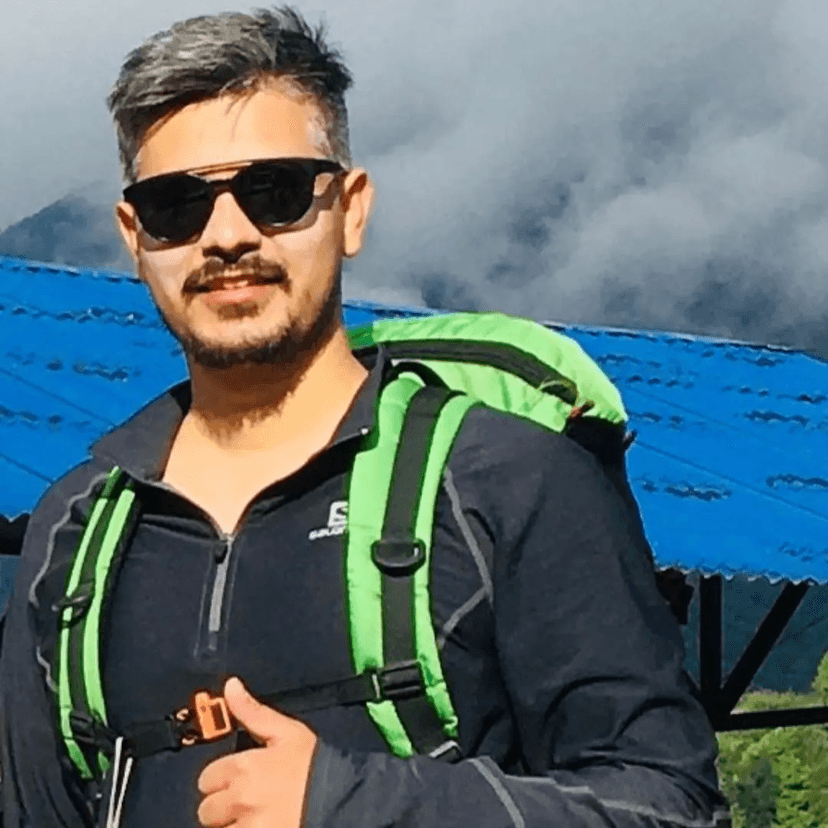
Amir Adhikari is the Founder and Trip Curator of Everest Thrill Trek and Expedition. With 10+ years of experience in Nepal’s competitive tourism sector, he is a recognized expert in designing safe, personalized, and high-thrill Himalayan itineraries. His dedication to responsible travel and creating authentic experiences has positioned Everest Thrill as a leading specialist for Everest, Annapurna, and off-the-beaten-path adventures.


Private Everest Base Camp Trek Package (14 days)
USD 1366/per person