Date Updated:
Everest Expedition

Trip Overview
Take on the world's highest mountain with a professionally organized Everest Expedition in Nepal with Everest Thrill. Our inclusive, guided expedition is designed for experienced mountaineers seeking a structured approach to Mount Everest (8,848.86 m / 29,031.7 ft) with experienced Sherpa support, planned acclimatization, and coordinated expedition logistics.
Climbing Mount Everest is far more than reaching the world's highest summit. It requires extensive preparation, high-altitude experience, technical climbing ability, patience, and the ability to make sound decisions in a demanding mountain environment.
The expedition follows the established route from the Everest Base Camp through the Khumbu Icefall, Camp 1, Camp 2, Camp 3, and the South Col before the final summit attempt. Climbers spend substantial time at Base Camp and higher camps, making acclimatization rotations before returning to Base Camp to prepare for the summit push.
Highlights of The Everest Expedition
- Guided Mount Everest Expedition in Nepal
- Summit of Mount Everest at 8,848.86 meters
- Experienced Sherpa climbing support
- Acclimatization rotations through the higher camps
- Technical climbing through the Khumbu Icefall
- Progression through Camp 1, Camp 2, Camp 3, and the South Col
- Final summit push during the appropriate weather window
- Spectacular views across the Everest and Khumbu region
- Immersion in Sherpa culture and the mountain communities of the Everest region
- Carefully coordinated expedition logistics from Base Camp to the summit and return
Everest Expedition Experience
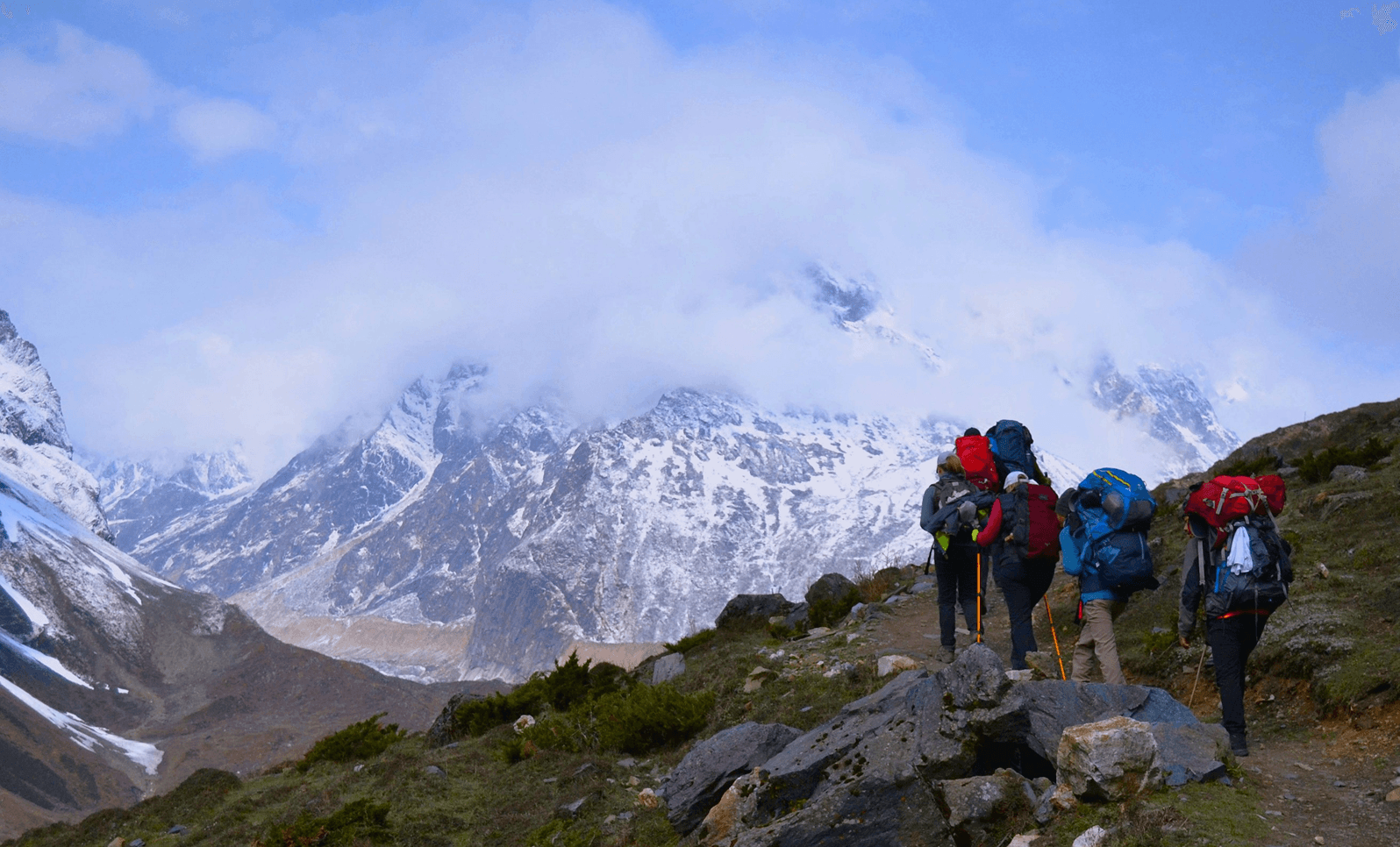
The expedition begins with the trek to Everest Base Camp, where the team establishes its main operational base and begins the acclimatization and preparation process.
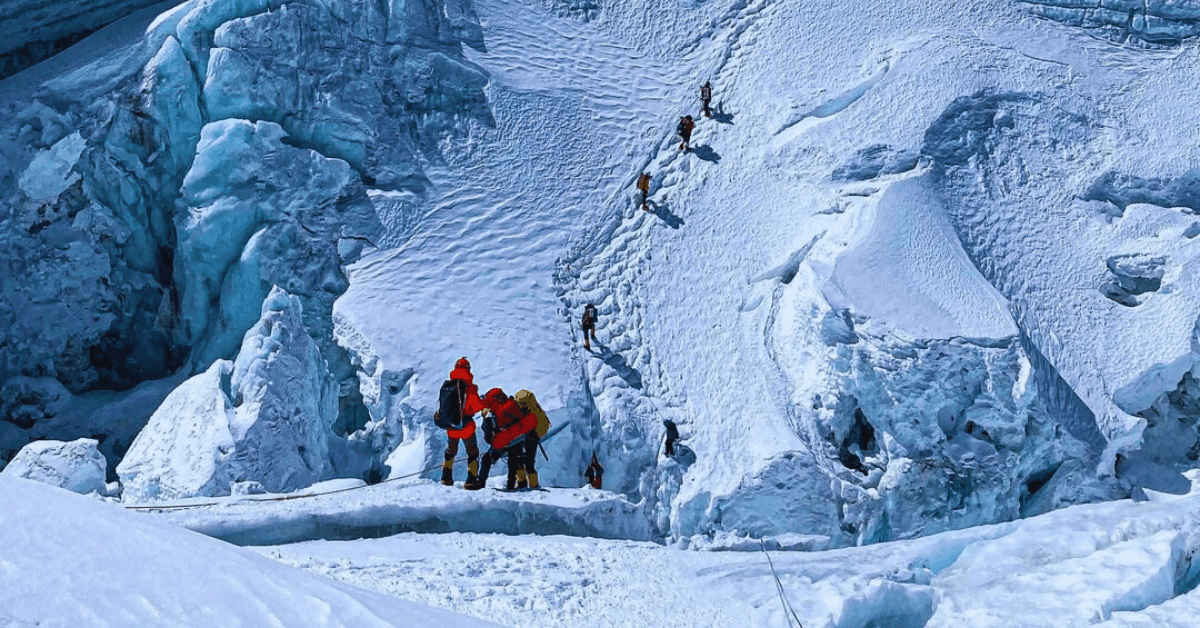
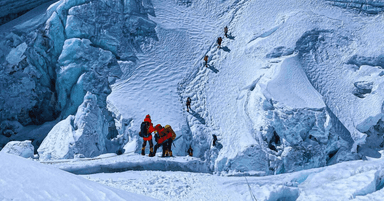
One of the most demanding sections of the route is the Khumbu Icefall, where constantly changing ice formations, crevasses, and seracs require careful movement and experienced mountain support. Climbers make planned rotations through the higher camps to progressively adapt to the altitude.
The route continues through Camp 1, Camp 2, and Camp 3, with the South Col serving as the final high-altitude camp before the summit attempt. From there, the team makes its summit push when weather, route conditions, and acclimatization provide a suitable opportunity.
The descent is an equally important part of the expedition. After reaching the summit, climbers must safely return through the high-altitude route and back to Base Camp.
Our experienced Sherpa climbing team provides local knowledge and high-altitude expedition support throughout this climb. Their experience in the Khumbu is an important part of managing the practical challenges of a Mount Everest expedition.
Who Can Join the Everest Expedition?
The Everest Expedition is intended for highly experienced mountaineers with previous high-altitude and technical climbing experience. It is not suitable as a first major Himalayan climbing objective.
A suitable Everest climber should have experience with:
- High-altitude mountaineering and prolonged exposure above 6,000 meters
- Crampons, ice axe techniques, fixed ropes, ascenders, and rappelling
- Glacier travel and crevassed terrain
- Steep snow and ice climbing
- Long climbing days in demanding conditions
- Previous acclimatization at significant altitude
- Making safe decisions in changing weather and mountain conditions
Previous experience on 6,000-meter and 7,000-meter peaks can provide valuable preparation for Everest, although the requirements of an 8,000-meter expedition are substantially greater.
For climbers planning their progression toward Everest, our Ama Dablam Expedition can provide experience in technical Himalayan climbing, high-altitude acclimatization, fixed-rope movement, and a multi-camp expedition environment.
Island Peak Climbing and Lobuche Peak Climbing can also be considered as earlier preparation objectives depending on your existing climbing experience and long-term goals.
Everest Expedition Cost 2027-28
The cost of an Everest Expedition varies according to the level of support, operator, group size, services, logistics, and expedition arrangements.
Our fully guided and inclusive Everest Expedition package costs USD 45,500 per person.
| Group Size | Expedition Cost (Standard) |
|---|---|
| 1 person | 48,500$ |
| 2-4 persons | 45,500$/person |
For a detailed quotation, the final package can be customized according to your climbing experience, preferred services, group size, and expedition requirements.
Contact Everest Thrill to discuss your Everest Expedition dates, previous climbing experience, preparation, group size, and required expedition support.
Itinerary
Planning a Mount Everest Expedition requires careful coordination of acclimatization, climbing rotations, weather conditions, and expedition logistics. Our Everest Expedition itinerary allows sufficient time for preparation and gradual acclimatization before the summit attempt.
A complete Everest expedition typically takes around two to three months, including the trek to Everest Base Camp, acclimatization rotations through the higher camps, summit preparation, summit push, and descent. The itinerary below provides an overview of the planned stages of the expedition.
Upcoming Departures
| Departure Date | Price | Trip Status | |
|---|---|---|---|
| No departures available for October | |||
Trip Map
The Everest Expedition route covers Kathmandu to Everest Base Camp and onward through the Khumbu Icefall, Camp 1, Camp 2, Camp 3, and the South Col before the final ascent to the summit of Mount Everest.
Altitude
The Everest Expedition altitude profile shows the progressive rise in elevation from Everest Base Camp through Camp 1, Camp 2, Camp 3, and the South Col to the Mount Everest summit at 8,848.86 meters. It provides a clear overview of the altitude gains involved and highlights the importance of planned acclimatization throughout the expedition.
| Locations | Altitude (Meters) | Altitude (Feet) |
|---|---|---|
| Base Camp (EBC) | 5,364m | 17,598ft |
| Camp I | 6,065m | 19,900ft |
| Camp II | 6,400m | 21,000ft |
| Camp III | 7,200m | 23,600ft |
| Camp IV | 7,950m | 26,085ft |
| South Summit | 8,690m | 28,510ft |
| Everest Summit | 8,848.86m | 29,032ft |
Weather
The table below shows the average temperature ranges and wind speeds at different locations along the Everest climbing route during the main climbing season from April to May. These figures provide a general indication of conditions, as actual mountain weather can vary with altitude, day, and weather system.
| Locations | Altitude (m) | Day Temp. (∘C) | Night Temp. (∘C) | Avg. Wind Speed |
|---|---|---|---|---|
| Base Camp | 5,364m | 0 to +10 | -10 to -15 | 10-15km/h |
| Camp I and II | 6,000m+ | -5 to -10 | -15 to -20 | 15-25km/h |
| Camp III | 7,200m | -15 to -20 | -25 to -30 | 20-40km/h |
| Camp IV (South Col) | 7,950m | -20 to -25 | -30 to -35 | 30-60km/h |
| Everest Summit | 8,848.86m | -25 to -30 | -35 to -45 | 40-160+km/h |
Gear & Equipments
What will you experience?
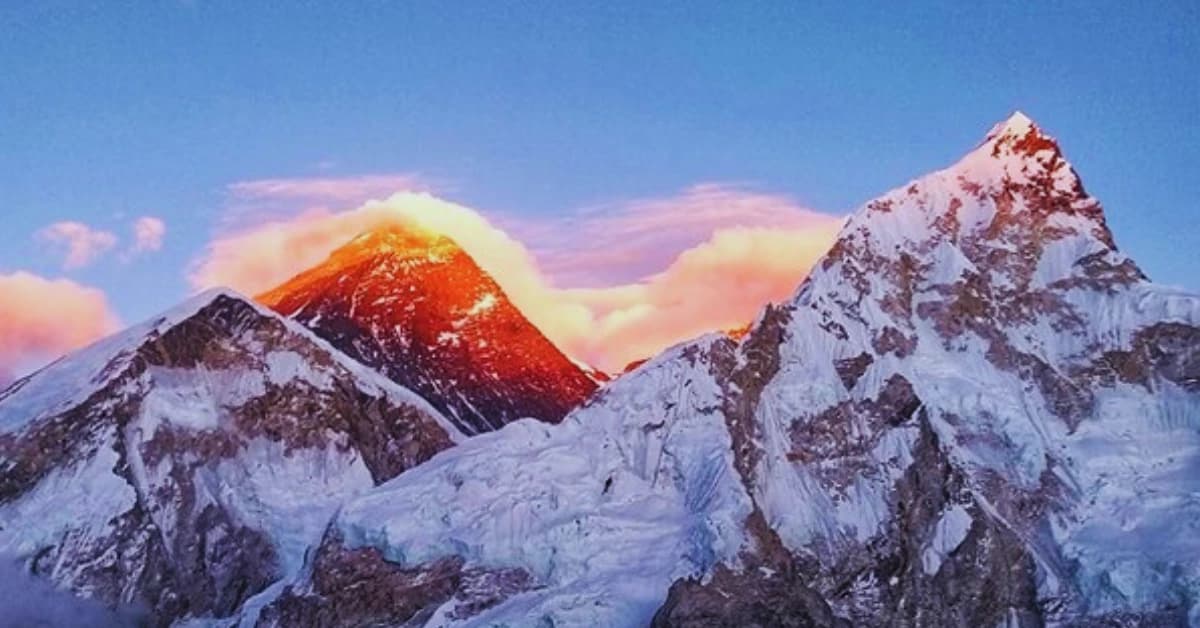
Mt. Everest
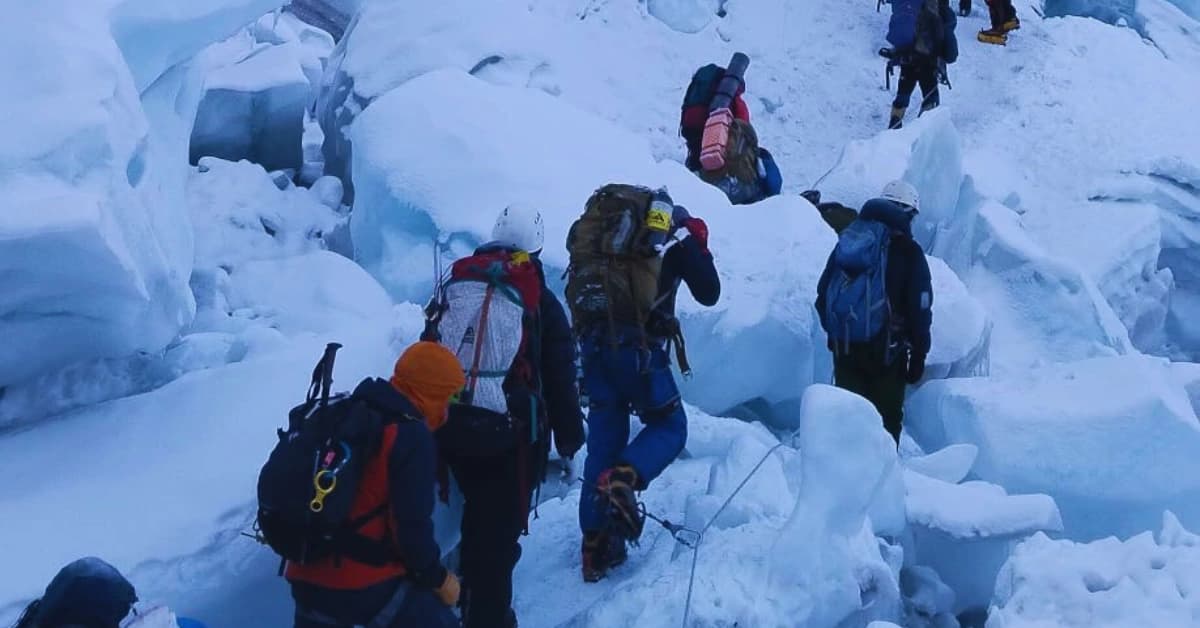
Climbing Everest
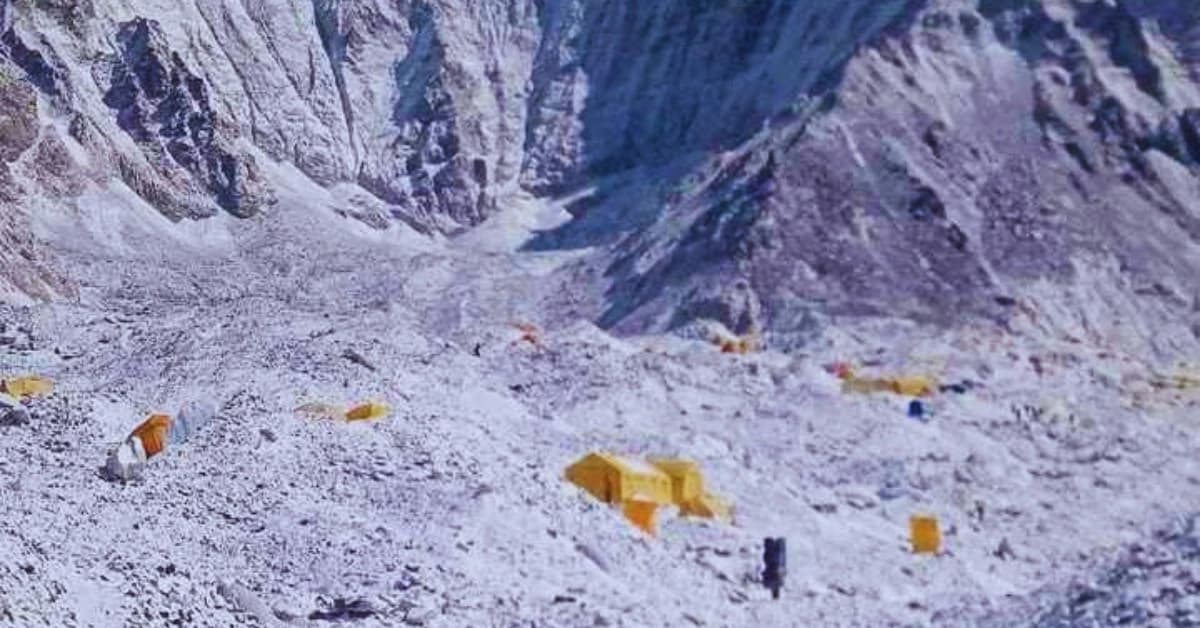
Base Camp Everest
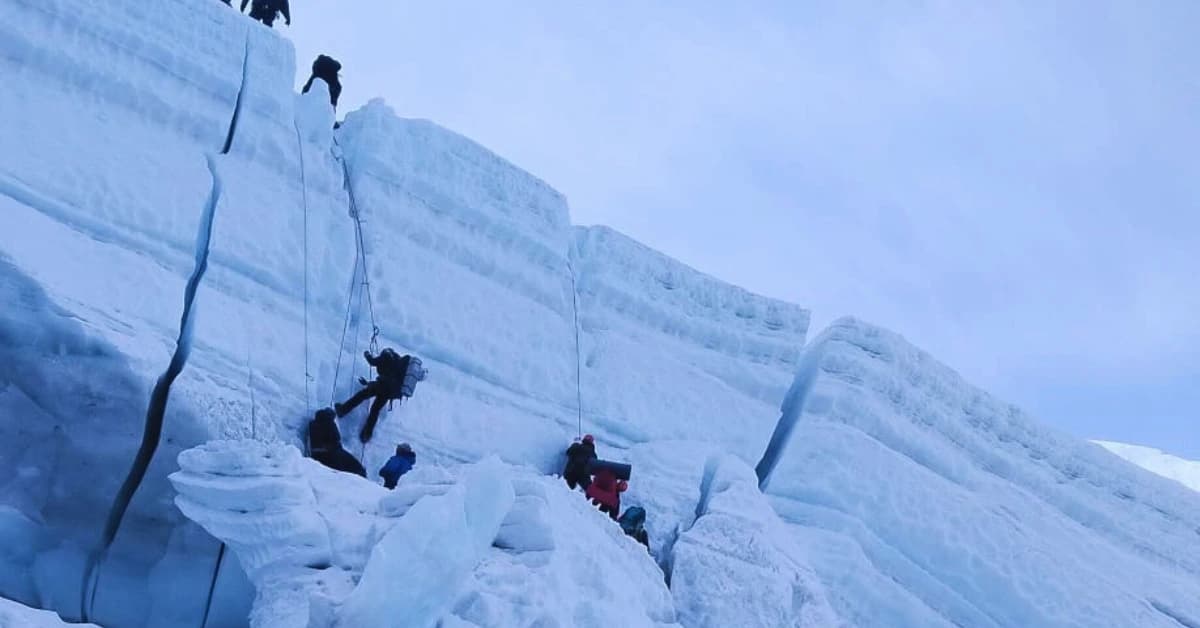
Khumbu Icefall
Last-Minute Booking
Everest Expedition bookings must be arranged well in advance. We do not accept last-minute bookings because an Everest attempt involves extensive preparation, permit arrangements, high-altitude support, climbing equipment, acclimatization planning, and coordination of logistics throughout the expedition.
Early booking also gives our team enough time to review your previous climbing experience and ensure the expedition is properly prepared before you arrive in Nepal.


Everest Expedition
USD 45500/per person