Date Updated:
Everest Base Camp Trek in October | Weather, Crowds, Flights, Cost & Booking 2026
Table of Contents
- Everest Base Camp Trek in October at a Glance
- Why October Is the Most Popular Month for the Everest Base Camp Trek
- Everest Base Camp Weather in October
- Why October Has the Best Weather
- Early October (1st-10th)
- Mid-October (11th-20th)
- Late October (21st-31st)
- Weather Changes as You Gain Altitude in October
- Does It Rain or Snow in October?
- What Does the Typical Day Weather Actually Feel Like?
- Lukla Flights Status in October for EBC Trek
- Why Are Lukla Flights Sometimes Delayed?
- Are October Flights More Reliable?
- Kathmandu or Ramechhap? Why Does Your Departure Airport Matter?
- Should I Add Extra Days to My Trip?
- What Happens if My Lukla Flight Is Canceled?
- Is a Helicopter Return Worth Considering?
- Crowds and Accommodation Availability on Everest Base Camp Trek in October
- How Crowded Is the Everest Base Camp Trail in October?
- Everest Base Camp Trek Route Accommodation in October: What to Expect
- Everest Base Camp Trek Cost in October 2026
- Trail Conditions and Trekking Experience on the Everest Base Camp Trek in October
- Preparing for Everest Base Camp Trek in October: What We Recommend
- What We Suggest Packing for a Successful October Trek
- Final Thoughts on Everest Base Camp Trek in October: Our Experience on the Trail
- Frequently Asked Questions About Everest Base Camp Trek in October
- Is October the best time to do the Everest Base Camp Trek?
- How difficult is the Everest Base Camp Trek in October?
- How cold is Everest Base Camp in October?
If you're planning the Everest Base Camp Trek in October, you're choosing what many experienced guides and trekkers consider the best time of year to visit the Everest region. After leading countless treks through the Khumbu over the years, I've found that October consistently offers the most reliable combination of stable weather, clear mountain views, comfortable trekking conditions, and a lively atmosphere along the trail.
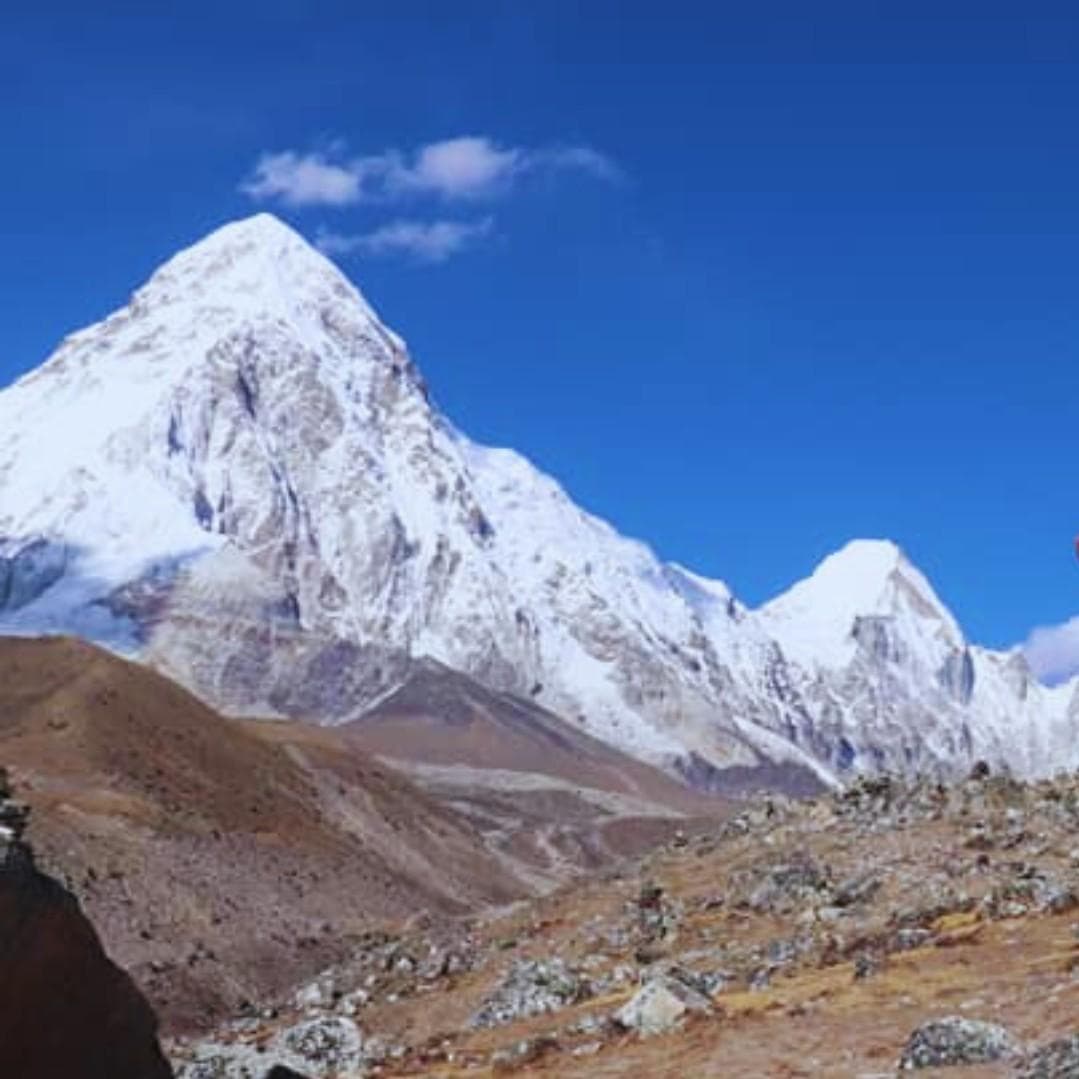
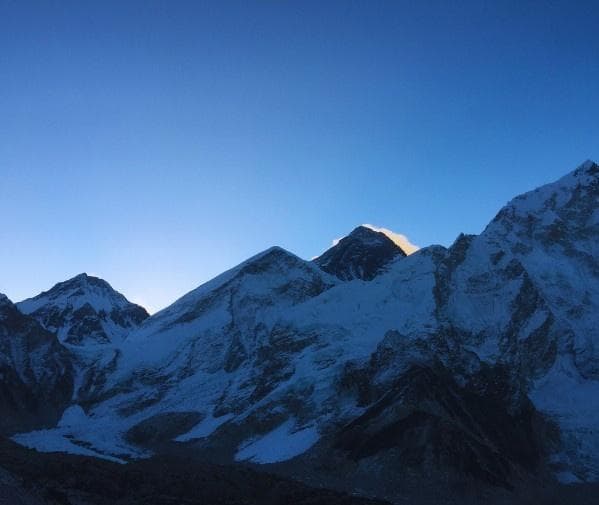
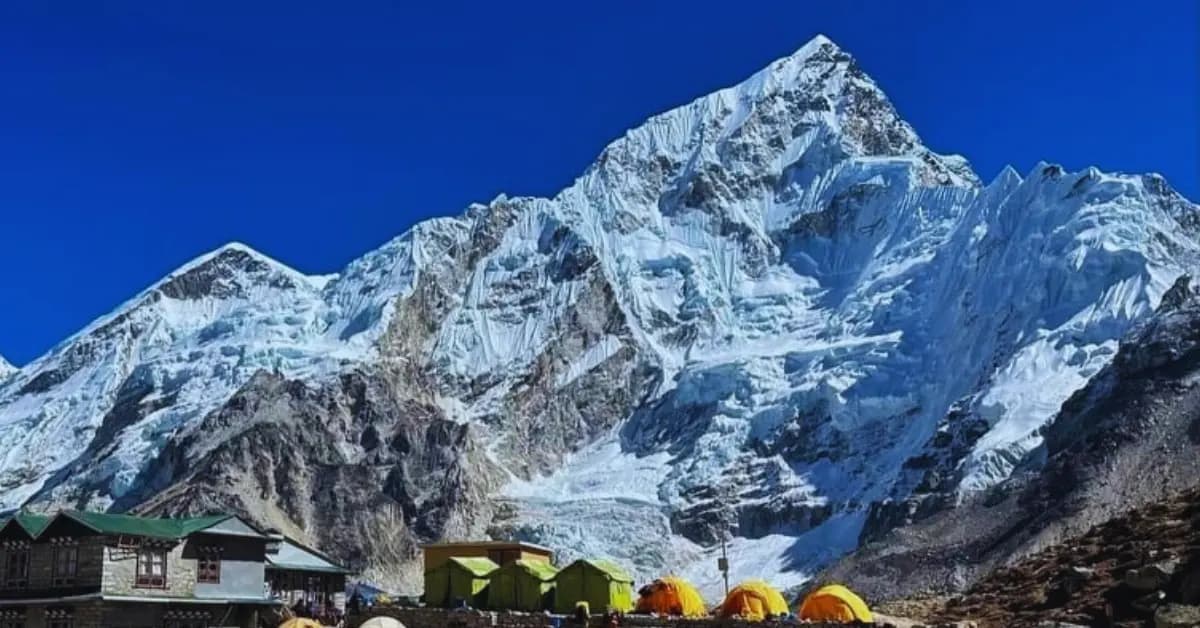
October marks the beginning of Nepal's peak autumn trekking season. The summer monsoon has usually retreated, leaving behind fresh mountain landscapes, cleaner air, and exceptional visibility. On clear mornings, you'll enjoy panoramic views of some of the world's highest peaks, including Everest, Lhotse, Nuptse, Ama Dablam, and Thamserku, often without the clouds that are common during the monsoon months.
However, October's popularity also brings a few challenges. Tea houses fill up quickly, Lukla flights can experience weather-related delays, and popular viewpoints become busier than at other times of the year. These aren't reasons to avoid trekking in October, but they are important factors to plan for if you want a smooth and enjoyable experience.
One of the biggest misconceptions I hear from first-time trekkers is that "good weather means everything will be easy." In reality, trekking to Everest Base Camp still requires proper preparation. Temperatures vary significantly as you gain altitude, weather conditions can change quickly in the mountains, and securing flights and accommodation during peak season requires advance planning.
This guide goes beyond general travel advice. Instead of simply telling you that October is a good month, I'll explain why it's the most popular trekking season, what conditions you can realistically expect each week of the month, how to prepare for Lukla flights, where crowds are most noticeable, and what experienced local guides do to help trekkers avoid common mistakes.
Whether you're planning your first Himalayan adventure or returning to Nepal for another trek, this guide will help you decide if October is the right time for you and how to make the most of your journey to Everest Base Camp.
Everest Base Camp Trek in October at a Glance
| Factor | What to Expect |
|---|---|
| Weather | Stable, dry, and generally sunny |
| Mountain Views | Excellent, especially in the mornings |
| Daytime Temperature | Comfortable for trekking |
| Nighttime Temperature | Cold at higher elevations |
| Rainfall | Low after the monsoon ends |
| Trai Conditions | Dry and easy to walk |
| Crowds | High, especially from mid to late October |
| Tea House Availability | Limited without advance booking |
| Lukla Flights | Mostly reliable, but weather delays remain possible |
| Photography | Outstanding visibility and vibrant autumn scenery |
| Overall Recommendation | 5* Excellent |
Why October Is the Most Popular Month for the Everest Base Camp Trek
Every trekking season in Nepal has its strengths, but October has earned its reputation for good reasons. It's not simply because the weather is pleasant; it's because several important factors come together to create ideal trekking conditions.
By early October, the monsoon has usually moved out of eastern Nepal. This transition leaves the Khumbu region fresh and vibrant. Forests below Namche Bazaar appear greener, the air is noticeably cleaner, and distant mountain peaks are much easier to see than during the rainy season.
For trekkers, this means you spend less time worrying about muddy trails or limited visibility and more time enjoying the landscapes that make the Everest region famous.
Another advantage is the consistency of the weather. While mountain weather is never completely predictable, October generally offers more stable conditions than many other months. Mornings often begin with blue skies and calm winds, making them ideal for trekking as well as for scenic flights into Lukla. Afternoon clouds can still develop, but prolonged rain is much less common than during the summer months.
The comfortable daytime temperatures also make hiking more enjoyable. You can often trek in lightweight layers during the day, while adding warmer clothing in the evenings as temperatures drop at higher elevations. This balance helps many trekkers maintain a steady pace without facing the extreme cold of winter.
October is also one of the most social times to trek. Tea houses are lively, you'll meet travelers from around the world, and villages such as Namche Bazaar, Tengboche, and Dingboche have a vibrant atmosphere. For many people, sharing stories over dinner with fellow trekkers becomes one of the highlights of the journey.
At the same time, popularity means planning ahead is essential. Flights to Lukla, experienced guides, porters, and quality tea houses often reach full capacity weeks or even months before the trekking season peaks. Waiting until the last minute can limit your choices and increase costs.
After organizing many Everest Base Camp treks over the years, one piece of advice remains consistent: October rewards travelers who plan early. Booking your trek in advance allows you to secure better flight schedules, preferred accommodations, and experienced local guides, making the entire journey more enjoyable and less stressful.

Everest Base Camp Weather in October
Weather is one of the biggest reasons why October is considered the best month for the Everest Base Camp Trek. After guiding trekkers through the Everest region for many years, I can confidently say that no other month offers the same balance of clear skies, comfortable temperatures, and reliable trekking conditions.
That said, mountain weather is never completely predictable. Even during October, conditions can change within a few hours, especially at higher elevations. Understanding how the weather changes throughout the month will help you pack wisely, plan your daily hikes, and avoid unrealistic expectations.
The good news is that October is one of the most dependable months to trek to Everest Base Camp. Most days begin with blue skies, dry trails, and spectacular mountain views that remain clear until early afternoon.
Why October Has the Best Weather
October falls immediately after Nepal's summer monsoon. By this time, the heavy rain has usually ended, leaving the Khumbu region refreshed and dust-free.
For trekkers, this means several advantages:
- Crystal-clear mountain views almost every morning
- Low chance of prolonged rainfall
- Dry and stable trekking trails
- Comfortable temperatures during the day
- Excellent visibility for photography
- Lower humidity than in the summer months
Unlike spring, when haze can sometimes reduce visibility in the lower valleys, autumn air is remarkably clean. This is why many professional photographers and experienced trekkers prefer October.
Another benefit is the trail itself. After the monsoon, forests become lush and green, rivers are full, waterfalls are at their most impressive, and the landscape feels alive without becoming muddy or difficult to walk.
Early October (1st-10th)
The first week of October is often overlooked, but it can be an excellent time to begin your trek.
Although the monsoon has usually ended, occasional clouds or brief showers are still possible during the first few days, particularly at lower elevations. These showers are generally short-lived and rarely affect the overall trekking experience.
One advantage of trekking in early October is that the trails are slightly quieter than later in the month. Tea houses have more room availability, and you'll enjoy a more relaxed atmosphere before the peak trekking season begins.
The surrounding hills are also at their greenest after months of rainfall, creating beautiful scenery from Lukla to Namche Bazaar.
Best for:
- Travelers looking to avoid the busiest weeks
- Landscape photography
- Flexible itineraries
Mid-October (11th-20th)
If someone asked me to recommend the single best time to trek to Everest Base Camp, I would usually suggest the middle of October.
By this stage, the atmosphere has become very stable. Clear mornings are common, rainfall is rare, and mountain visibility is outstanding.
This is the period when you'll often see Everest, Ama Dablam, Lhotse, and Nuptse standing sharply against deep blue skies.
These conditions also make acclimatization hikes more enjoyable. Instead of clouds hiding the scenery, you'll be rewarded with panoramic mountain views from places like Namche Bazaar, Hotel Everest View, and Tengboche.
The trade-off is that more trekkers arrive during this period, making it the busiest part of the month.
Late October (21st-31st)
Late October continues to offer excellent trekking conditions, but temperatures gradually begin to fall as winter approaches.
During the day, hiking remains comfortable with sunshine and dry weather. However, mornings and evenings become noticeably colder, especially above Dingboche.
Frost becomes more common, and water bottles left outside overnight may freeze.
Despite the cooler temperatures, many experienced trekkers actually prefer late October because the mountain views are often exceptional and rainfall is extremely unlikely.
If you don't mind packing an extra warm layer, late October remains one of the finest times to visit Everest Base Camp.
Weather Changes as You Gain Altitude in October
One mistake many first-time trekkers make is checking the weather forecast for Lukla and assuming the entire trek will feel the same.
In reality, temperatures drop significantly as you climb higher into the Khumbu Valley.
A warm afternoon in Lukla can quickly turn into a freezing evening at Lobuche or Gorak Shep.
This is why layering your clothing is much more effective than relying on one heavy jacket throughout the trek.
As a general rule, expect the temperature to become colder with every day's ascent. While the days are often pleasant for walking, the nights become increasingly cold after Namche Bazaar.
The quick view of temperatures below is a typical average. Actual conditions vary depending on altitude, cloud cover, and wind.
| Location | Elevation | Daytime | Nighttime |
|---|---|---|---|
| Lukla | 2,860 m | 15-18°C | 5-8°C |
| Phakding | 2,610 m | 16-19°C | 6-8°C |
| Namche Bazaar | 3,440 m | 12-16°C | 2-5°C |
| Tnengboche | 3,860 m | 10-14°C | 0 to 2°C |
| Dingboche | 4,410 m | 8-12°C | -2 to -5°C |
| Lobuche | 4,940 m | 5-8°C | -5 to -8°C |
| Gorak Shep | 5,164 m | 3-7°C | -7 to -10°C |
| Everest Base Camp | 5,364 m | 2-6°C | -8 to -12°C |
Does It Rain or Snow in October?
Rainfall during October is generally low, especially after the first week.
At lower elevations, you may experience an occasional brief shower early in the month, but continuous rain is uncommon.
Snow is also uncommon along the main Everest Base Camp trail during October. However, light snowfall can occasionally occur above Lobuche or Gorak Shep toward the end of the month. These light snowfalls rarely disrupt trekking itineraries, although they often create beautiful scenery around Kala Patthar and Everest Base Camp.
Heavy snowfall that blocks the trail is much more likely during winter than in October.
What Does the Typical Day Weather Actually Feel Like?
Weather forecasts only tell part of the story.
From practical experience, a typical October trekking day feels something like this:
- Morning (6:00-9:00 AM): Cold enough for a fleece or down jacket while starting your hike.
- Late Morning (9:00-12:00 PM): Comfortable temperatures with strong sunshine. Many trekkers remove their outer layers.
- Afternoon (12:00-3:00 PM): Mild conditions for walking, though clouds may begin forming around nearby peaks.
- Evening (After 5:00 PM): Temperatures drop quickly, making warm clothing essential inside and outside the tea house.
This daily temperature variation is why experienced guides recommend dressing in layers rather than relying on one bulky jacket.
Lukla Flights Status in October for EBC Trek
For many trekkers, the journey to Everest Base Camp doesn't truly begin on the trail; it begins with the flight to Lukla. After organizing hundreds of Everest treks over the years, I can confidently say that Lukla flights are one of the most important parts of your trip planning, especially during October.
Many travelers worry about flight cancellations after reading stories online. While weather-related delays do happen, the situation is often misunderstood. October is actually one of the best months for flying to Lukla because the skies are generally more stable than during the monsoon or winter seasons.
However, October is also the busiest trekking month of the year. That means flights operate at full capacity, seats sell out quickly, and even a short weather delay can affect hundreds of trekkers.
The key is not to worry about Lukla flights but to plan for them wisely.
Why Are Lukla Flights Sometimes Delayed?
Lukla's Tenzing-Hillary Airport is one of the world's most unique mountain airports. Unlike airports in major cities, flight operations here depend almost entirely on local weather conditions.
Even if Kathmandu has clear skies, clouds, fog, or strong winds around Lukla can temporarily prevent aircraft from landing safely.
Pilots need excellent visibility because:
- The runway is short.
- The airport sits between steep mountain slopes.
- Aircraft operate under visual flight rules.
- Weather in the Himalayas can change quickly.
These safety measures are the reason why airlines sometimes delay or postpone flights rather than taking unnecessary risks.
As local operators, we always tell trekkers that a delayed flight is frustrating, but it is far better than compromising safety.
Are October Flights More Reliable?
Yes.
Compared to other seasons, October generally offers one of the highest flight success rates.
By this time, the summer monsoon has ended, reducing heavy cloud cover and persistent rainfall. Clear mornings become much more common, which is exactly when most Lukla flights are scheduled.
While no mountain flight can ever be guaranteed, October provides much better flying conditions than:
- June to September (monsoon)
- December to February (winter storms)
This is one of the reasons October remains the busiest trekking season in Nepal.
Kathmandu or Ramechhap? Why Does Your Departure Airport Matter?
One question we receive every trekking season is:
"Why am I flying from Ramechhap instead of Kathmandu?"
During the busy autumn season, many Lukla flights are temporarily operated from Ramechhap Airport (Manthali) instead of Kathmandu to reduce congestion at Tribhuvan International Airport.
If your flight departs from Ramechhap, expect:
- A road journey of approximately 4-5 hours from Kathmandu.
- A very early morning departure from your hotel.
- Less flight duration to Lukla once you arrive at the airport.
Although the transfer requires an earlier start, it helps airlines operate more efficiently during Nepal's busiest trekking months. Your trekking company, like us, will normally arrange the transportation if your itinerary includes a Ramechhap departure.
Should I Add Extra Days to My Trip?
Absolutely.
This is one of the most valuable pieces of advice we give every Everest Base Camp trekker.
Even during October, unexpected weather can occasionally delay flights for several hours or, in rare cases, a full day. If your international flight home is scheduled immediately after returning from the mountains, even a short Lukla delay could create unnecessary stress.
We always recommend including at least two buffer days at the end of your EBC itinerary. Those extra days provide flexibility if weather affects your return flight and also give you time to relax in Kathmandu after completing the trek. Think of buffer days as part of your travel insurance rather than wasted vacation time.
What Happens if My Lukla Flight Is Canceled?
Flight cancellations are uncommon during stable October weather, but they can happen.
When they do, airlines generally rebook passengers on the next available flight once conditions improve. Because October is a busy season, available seats can fill quickly.
If delays continue for more than one day, some trekkers choose to fly/return by helicopter, provided weather conditions allow and seats are available.
Helicopter flights are significantly more expensive than regular flights, but they can be a practical solution for travelers with fixed international departure dates.
Experienced trekking companies monitor weather forecasts closely and help clients explore the best available alternatives if disruptions occur.
Is a Helicopter Return Worth Considering?
Some trekkers choose to EBC trek with return from Gorak Shep by helicopter instead of hiking back to Lukla.
This option is ideal for travelers who:
- Have limited vacation time.
- Prefer a shorter itinerary.
- Want spectacular aerial views of the Khumbu region.
- Wish to reduce the physical demands of the return trek.
Helicopter returns can also serve as an alternative if prolonged flight disruptions affect Lukla operations, although availability depends on weather and aircraft schedules. If you're considering this option, discuss it with your trekking company before your trip so you understand the costs and logistics.
Crowds and Accommodation Availability on Everest Base Camp Trek in October
One of the most common questions we receive from trekkers planning the Everest Base Camp Trek in October is:
"Will the trail be too crowded, and will I find good accommodation?"
The short answer is: October is the busiest trekking season in the Everest region, but it is also one of the best times to experience Everest Base Camp.
After years of organizing treks in the Khumbu region, I have learned that crowds are not the main challenge during October. The bigger factor is planning correctly. When the trek is well organized, October offers an incredible experience with excellent weather, lively mountain villages, and comfortable tea house stays.
The Everest Base Camp trail has welcomed trekkers from around the world for decades. The local communities are experienced in managing the autumn trekking season, and the tea house network is well established. However, because thousands of trekkers arrive during October, accommodation choices become more limited, especially in popular villages.
Understanding how crowds affect the trail and where accommodation becomes limited will help you prepare for a smoother and more enjoyable journey.
How Crowded Is the Everest Base Camp Trail in October?
The level of crowd varies depending on where you are on the route. Some sections feel lively, while others remain peaceful.
Lukla to Namche Bazaar: The Busiest Section
The first part of the trek is usually the most crowded because every Everest Base Camp trekker begins from Lukla and follows the same route.
You may notice more people around:
- Suspension bridges
- Lunch stops
- Popular viewpoints
- Villages such as Phakding and Monjo
The trail becomes more spread out after Namche Bazaar, especially during walking hours.
Namche Bazaar: Busy but Worth Experiencing
Namche Bazaar is the largest village in the Everest region and an important acclimatization stop.
During October, Namche has a lively atmosphere with:
- Bakeries and cafes
- Local markets
- Trekking shops
- International travelers
- Beautiful mountain viewpoints
Some trekkers worry about Namche being crowded, but many consider it one of the highlights of the journey. It is a place where you experience both Himalayan culture and the international trekking community.
Dingboche, Lobuche, and Gorak Shep: Higher Altitude Crowds
As you move higher, the number of trekkers usually feels lower during the daytime because groups spread out according to their walking pace. However, accommodation areas can become busy because there are fewer villages and fewer tea houses available.
The most noticeable places are:
- Dingboche (important acclimatization stop)
- Lobuche (limited accommodation)
- Gorak Shep (final settlement before Everest Base Camp and Kala Patthar)
Early October vs Mid October vs Late October: Crowd Comparison
Choosing the right time within October can significantly affect your experience.
| Period | Crowd Level | Advantages | Things to Consider |
|---|---|---|---|
| Early October | Moderate | Quieter trails, easier accommodation availability | Little possibility of leftover monsoon weather |
| Mid October | Highest | Most stable weather and best visibility | Advance booking is essential |
| Late October | Moderate to High | Excellent mountain views and slightly fewer people | Colder nights at higher elevations |
Our Tip: Starting your trek early in the morning is one of the easiest ways to enjoy quieter trails. Most groups start later after breakfast, so early departures allow you to experience the mountains with fewer people around.
Everest Base Camp Trek Route Accommodation in October: What to Expect
Accommodation on the Everest Base Camp route is mainly provided by traditional tea houses. These are family-run mountain lodges that provide trekkers with a place to sleep, eat, and rest after long trekking days.
A typical tea house offers:
- Twin-sharing rooms
- Beds with mattresses
- Blankets
- Dining areas
- Hot meals
- Charging facilities
- Wi-Fi (usually available for an additional cost)
Do You Need to Reserve Tea Houses in Advance in October?
For October trekking, especially during peak weeks, advance planning is strongly recommended. In quieter months, independent trekkers may have more flexibility. During October, however, popular tea houses can fill quickly.
Advance planning is especially important if you:
- Want a private room
- Are traveling in a group
- Have a fixed itinerary
- Prefer specific tea houses
- Are trekking during mid-October
Where Is Accommodation Most Limited?
Not every village has the same accommodation situation.
Namche Bazaar
Facilities: Better
Namche has some of the best accommodation options on the route, including:
- More comfortable rooms
- Better food choices
- Bakeries and cafes
- Some private bathrooms
However, demand is also very high because almost every trekker stays here.
Dingboche
Demand: Very High
Dingboche is one of the most important stops because trekkers usually spend an extra night here for acclimatization. Because many itineraries include a rest day, accommodation fills quickly during October.
Lobuche and Gorak Shep
Most Limited Accommodation
These villages are located at higher elevations and have fewer tea houses.
Expect:
- More basic rooms
- Shared facilities
- Limited private room availability
- Colder indoor temperatures
At this altitude, comfort comes more from proper preparation than luxury facilities.
Can You Get a Private Room During October?
Yes, but it depends on location and availability.
Private rooms are easier to find in lower villages such as:
- Lukla
- Phakding
- Namche Bazaar
They become more difficult at higher elevations, especially:
- Lobuche
- Gorak Shep
If having a private room is important, inform your trekking company before departure. A professional operator can plan accommodation according to your preferences wherever possible.
Everest Base Camp Trek Cost in October 2026
From our experience organizing Everest Base Camp Trek during October, the cost depends on your trek duration, group size, service level, and the type of experience you prefer. Since October is the peak trekking season, flights to Lukla and accommodation can be in higher demand, which may affect the overall cost.
Instead of choosing only based on price, we recommend selecting an itinerary that matches your time, fitness level, and trekking goals.
For a standard Everest Base Camp Trek in October 2026, most travelers can expect the cost to be approximately:
- Budget trek: USD 1,200-1,300 per person
- Standard guided trek: USD 1,300-2,000 per person
- Premium/private trek: USD 2,200+ per person
For most trekkers, our 14 Days Everest Base Camp Trek itinerary offers the best balance of acclimatization, comfort, and Himalayan experience. If you have limited time or prefer a more comfortable return, our Everest Base Camp Helicopter Return Trek is an excellent option.
We also provide customized Everest Base Camp Trek itineraries for October based on your preferred duration, pace, and travel requirements.
For a detailed breakdown of inclusions, expenses, and updated prices, check our complete Everest Base Camp Trek Cost Guide or contact our team for a personalized trek plan.
Trail Conditions and Trekking Experience on the Everest Base Camp Trek in October
Many trekkers ask, "What is the trail like during the Everest Base Camp Trek in October?"
After years of organizing treks in the Everest region, we can say that October offers some of the best trekking conditions of the year. The monsoon has usually ended, trails are mostly dry, mountain views are excellent, and the overall trekking experience is comfortable compared to other seasons.
However, Everest Base Camp is still a high-altitude adventure. Good weather does not remove the challenges of long walking days, steep climbs, rocky terrain, and altitude.
The Everest Base Camp trail in October is generally:
- Dry and stable
- Less muddy compared to monsoon months
- Easier for walking and photography
- Clearer with better mountain visibility
The lower sections from Lukla to Namche Bazaar offer green forests, villages, suspension bridges, and river valleys. Above Namche, the landscape gradually changes into a high alpine environment with rocky paths and open mountain terrain.
The trail itself is not technically difficult, but altitude makes the higher sections more demanding.
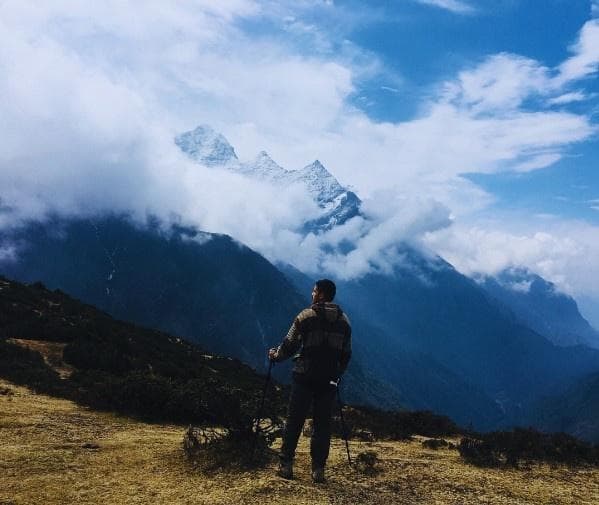
Walking through the Khumbu Valley, we regularly stop to admire:
- The elegant pyramid shape of Ama Dablam
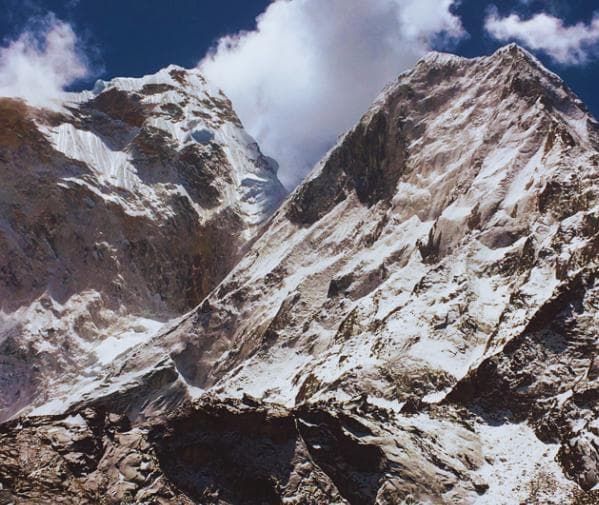
- The massive walls of Nuptse and Lhotse
- The distant summit of Mount Everest rising above the valley
- Glaciers, moraines, and snow-covered Himalayan peaks surround the trail
Preparing for Everest Base Camp Trek in October: What We Recommend
What We Suggest Packing for a Successful October Trek
After guiding trekkers to Everest Base Camp in October, we have learned that the right preparation can completely change your experience on the trail. Many first-time trekkers worry about the cold, altitude, and changing conditions, but with proper clothing and equipment, October is one of the most comfortable times to walk to Everest Base Camp.
We help our trekkers prepare with a practical packing list rather than encouraging them to carry unnecessary items. The goal is to stay warm, comfortable, and prepared without making your backpack unnecessarily heavy.
For an October Everest Base Camp Trek, we recommend bringing:
- Comfortable trekking boots that are already broken in
- Warm layers for cold mornings and evenings
- A good-quality down jacket and sleeping bag
- Waterproof outer clothing
- Trekking poles for support on steep sections
- Sunglasses, sunscreen, and personal medication
- Lightweight daypack for daily essentials
Final Thoughts on Everest Base Camp Trek in October: Our Experience on the Trail
After years of hiking through the Everest region and experiencing the trail in different seasons, we can confidently say that October is one of the most rewarding times to trek to Everest Base Camp.
What makes October special is not only the clear skies and incredible mountain views, but the complete experience it offers. Walking through the beautiful Sherpa villages, crossing suspension bridges over rushing rivers, watching the first sunlight touch Himalayan peaks, and finally standing beneath the world's highest mountain creates memories that stay with you long after you return home.
Of course, the Everest Base Camp Trek is not an easy journey. The altitude, long walking days, and changing mountain conditions require preparation and determination. But with a well-planned itinerary, proper acclimatization, and the support of an experienced team, the challenge becomes one of the most meaningful adventures you can experience.
From our perspective as hikers, October provides the perfect balance of comfortable trekking conditions, breathtaking scenery, lively mountain trails, and the best opportunity to enjoy Everest at its most beautiful. The trail may be busier than other months, but the energy, safety, and atmosphere of the season make it truly special.
If Everest Base Camp has been on your bucket list, October is a great time to make that dream a reality. We are here to help you prepare, guide you through the journey, and make your Everest adventure safe, comfortable, and unforgettable. Book an Everest Base Camp Trek package in October With Confidence
Frequently Asked Questions About Everest Base Camp Trek in October
Is October the best time to do the Everest Base Camp Trek?
Yes, based on our experience, October is one of the best months to trek to Everest Base Camp. The monsoon has cleared, leaving behind fresh air, stable weather, dry trails, and exceptional mountain views. While it is the busiest trekking season, the reliable conditions and breathtaking scenery make October our top recommendation for most trekkers.
How difficult is the Everest Base Camp Trek in October?
The Everest Base Camp Trek is considered moderately challenging. The biggest challenge is not the trail itself but the high altitude. Most days involve 5-7 hours of walking, and proper acclimatization is essential. With good physical preparation, a well-planned itinerary, and experienced guides, many first-time trekkers successfully reach Everest Base Camp.
How cold is Everest Base Camp in October?
Daytime temperatures are generally comfortable for trekking, especially at lower elevations. However, mornings, evenings, and higher places like Gorak Shep and Everest Base Camp can be well below freezing. We recommend dressing in layers and bringing quality cold-weather gear to stay comfortable throughout the journey.
About Author
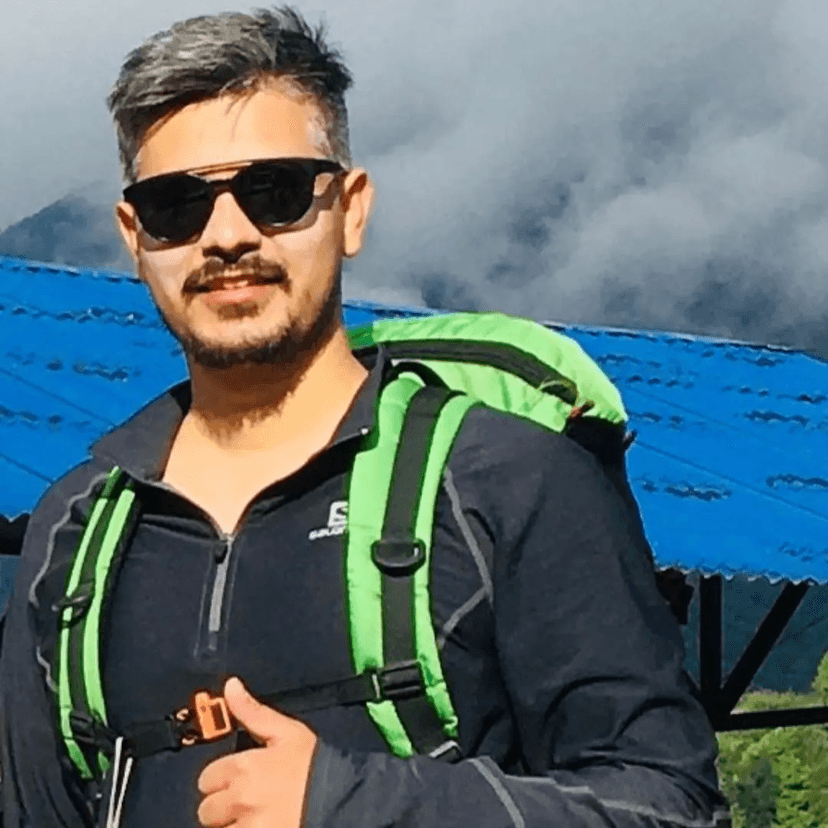
Amir Adhikari is the Founder and Trip Curator of Everest Thrill Trek and Expedition. With 10+ years of experience in Nepal’s competitive tourism sector, he is a recognized expert in designing safe, personalized, and high-thrill Himalayan itineraries. His dedication to responsible travel and creating authentic experiences has positioned Everest Thrill as a leading specialist for Everest, Annapurna, and off-the-beaten-path adventures.


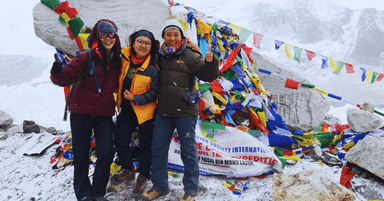
Private Everest Base Camp Trek Package (14 days)
USD 1366/per person