Date Updated:
Everest Base Camp Trek Permits & Fees 2026/27 | Requirements Guide
Table of Contents
- What Permits Do You Need for the Everest Base Camp Trek?
- How Much Does the Everest Base Camp Trek Permit Cost?
- Sagarmatha National Park Entry Fee
- Khumbu Pasang Lhamu Rural Municipality Entry Fee
- Everest Base Camp Permit Cost at a Glance
- What Is Not Included in the Permit Cost?
- Is TIMS Required for Everest Base Camp?
- Where Do You Get the Everest Base Camp Permits?
- Starting the Trek from Lukla
- Starting the Trek Through Jiri
- Where Are Permits Checked on the Everest Base Camp Route?
- Are the Same Permits Required for Gokyo, Cho La and Three Passes?
- What About Everest Base Camp with Helicopter Fly Back?
- What About the Short Everest Base Camp Trek 7 Days?
- Do You Need a Different Permit for the Three Passes Trek?
- What About a Gokyo and Everest Base Camp Combination?
- What About EBC Trekking Permits Starting from Salleri and Jiri
- Salleri Route
- Jiri Route
- What Documents Should You Carry?
- Do Trekking Companies Arrange the Everest Permits?
- Common Everest Base Camp Permit Mistakes
- Relying on Old Permit Information
- Assuming TIMS Is Automatically Required
- Providing Incorrect Passport Details
- Keeping Permits Inaccessible
- Assuming Every Everest Itinerary Is Identical
- Planning Your Everest Trek?
Planning an Everest Base Camp trek and wondering which permits you need, where to get them, and how much they cost?
For the standard Everest Base Camp route, there are two main entry requirements to consider:
- Sagarmatha National Park entry permit
- Khumbu Pasang Lhamu Rural Municipality entry permit
At present, TIMS is not being required in practice for the Everest Base Camp trek. However, the official online information has not fully caught up with the current implementation. There have been ongoing discussions and changes regarding TIMS, so trekkers should confirm the latest arrangement before departure rather than automatically adding a TIMS card to their budget.
The same core Everest-region entry requirements generally apply to other popular routes such as the Gokyo Lakes Trek, Cho La Pass Trek and Three Passes Trek, although the complete itinerary should always be checked for any additional requirements.
What Permits Do You Need for the Everest Base Camp Trek?
For the standard Lukla to Everest Base Camp route, you need the relevant entry arrangements for both Sagarmatha National Park and the Khumbu local administrative area.
| Requirement | Current situation | Purpose |
|---|---|---|
| Sagarmatha National Park entry permit | Required | Entry into Sagarmatha National Park |
| Khumbu Pasang Lhamu Rural Municipality entry permit | Required | Entry into the Khumbu region |
| TIMS card | Currently not required in practice for EBC | Implementation remains subject to change |
| Restricted-area permit | Not required for the standard EBC route | Applies only to designated restricted areas |
These Nepal trekking permits serve different purposes. The national park entry fee covers access to the protected area, while the Khumbu local entry fee is collected by the local authority for entering the Khumbu region.
There is no separate document called an “Everest Base Camp permit.” The two main entry requirements above are what trekkers normally need for the standard route.
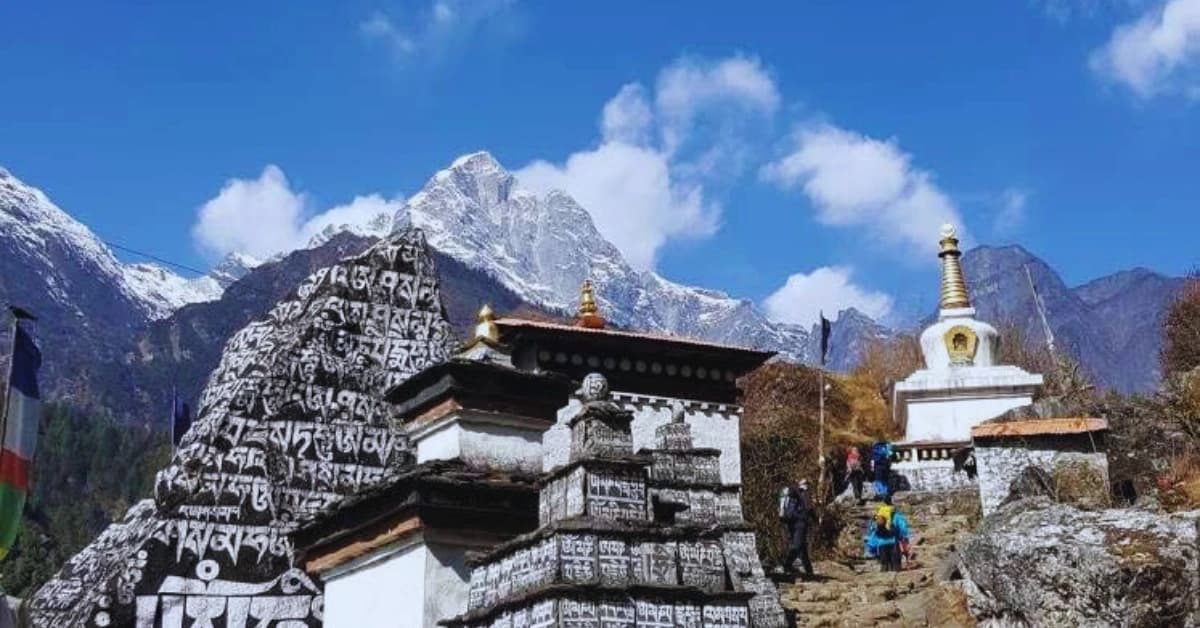
How Much Does the Everest Base Camp Trek Permit Cost?
The current fees should be understood separately because the two authorities charge different amounts.
Sagarmatha National Park Entry Fee
For foreign visitors, the current Sagarmatha National Park entry fee is NPR 3,000 per person. SAARC nationals and Nepali citizens have different rates.
Khumbu Pasang Lhamu Rural Municipality Entry Fee
For visitors from countries outside the SAARC region, the Khumbu local entry fee is:
- NPR 3,000 per person for the first four weeks
- NPR 3,500 per person per week after four weeks extra
The longer-stay rate is particularly relevant for trekkers on extended itineraries or other routes that keep them in the Khumbu for more than four weeks.
Everest Base Camp Permit Cost at a Glance
| Entry requirement | Current fee (Per person) |
|---|---|
| Sagarmatha National Park - foreign visitor | NPR 3,000 |
| Khumbu Pasang Lhamu Rural Municipality - first 4 weeks | NPR 3,000 |
| Khumbu fee - after 4 weeks | NPR 3,500/week extra |
| TIMS | Currently not being required in practice for EBC |
Note: For SAARC nationals, the EBC National Park permit and Khumbu Rural Municipality entry fee are NPR 1,500 and NPR 2,000, respectively. Fees and procedures can change, so it is wise to verify the current rates shortly before departure.
What Is Not Included in the Permit Cost?
Permits and entry fees are only one part of your Everest Base Camp trekking budget.
They do not normally cover:
- Lukla flights
- Meals
- Travel insurance
- Personal trekking equipment
- Tips and personal expenses
If you are comparing Everest trekking packages, ask whether the required entry fees are already included in the quoted price.
Is TIMS Required for Everest Base Camp?
This is currently one of the more confusing parts of trekking in Nepal.
TIMS is currently not being required in practice for the Everest Base Camp trek.
However, the official information and implementation on the ground have not always been fully synchronized. The situation around TIMS has been under discussion and may change.
For this reason, trekkers should check the current arrangement when their trek is being organized.
In particular, do not automatically purchase a TIMS card simply because an older Everest Base Camp article says that it is required.
If the regulation changes before your departure, your trekking company should be able to update the arrangements accordingly.
Where Do You Get the Everest Base Camp Permits?
The permits are handled through the authorized entry points and offices serving the Khumbu region.
If you are trekking with a registered local company, the operator normally arranges the required documentation for you. You provide your passport details and confirmed itinerary, and the company handles the permit process.
Independent trekkers should confirm the current issuing procedure before leaving Kathmandu because local arrangements can change.
Starting the Trek from Lukla
Most trekkers begin the standard Everest Base Camp trek by flying to Lukla.
The Khumbu local entry fee is associated with entering the local administrative area, while the Sagarmatha National Park entry fee applies when entering the protected area.
If you are travelling with a trekking company, your guide or operator can arrange the required documentation rather than leaving you to work through the process on your own.
Starting the Trek Through Jiri
If you approach Everest through Jiri instead of flying directly to Lukla, the complete route should be checked before departure.
An approach from Jiri can involve entering areas outside the standard Lukla-EBC route, so you should not assume that every approach to Everest has exactly the same paperwork.
Where Are Permits Checked on the Everest Base Camp Route?
Permit checks are part of the normal trekking process.
On the classic Lukla route, Jorsale, just beyond Monjo, is the entrance to Sagarmatha National Park. This is an important point where trekkers entering the national park can have their documents checked and arrange permits if they were not issued in Kathmandu.
There are other checkpoints, like in Namche Bazaar and before Tengboche, etc., to check permits. So, keep your passport and permits somewhere accessible during the trek.
There is no reason to keep them at the bottom of your main backpack and unpack everything whenever an official asks for them.
Are the Same Permits Required for Gokyo, Cho La and Three Passes?
The major trekking routes in the Everest region operate within the broader Khumbu and Sagarmatha area. The same core national park and Khumbu local entry requirements generally apply.
This includes:
- Everest Base Camp Trek
- Gokyo Lakes Trek
- Cho La Pass Trek
- Three Passes Trek
- Everest View Trek
You do not normally need a separate “Gokyo permit,” “Cho La permit,” or “Three Passes permit” simply because you choose one of these routes.
However, additional requirements can apply if your itinerary enters another protected or restricted area. The complete route should therefore be checked before departure.
What About Everest Base Camp with Helicopter Fly Back?
An Everest Base Camp Trek with Helicopter Fly Back follows the same basic permit requirements for the trekking portion of the journey.
Taking a helicopter back does not create a separate Everest Base Camp trekking permit.
For example, if you trek from Lukla to Namche, continue toward Everest Base Camp and then return by helicopter from the Everest region, your required trekking entry documents are still based on the areas you entered during the trek.
The helicopter is a separate part of the travel arrangement. Its operation depends on weather, visibility, aircraft availability, landing conditions and the permitted landing location.
This itinerary is useful for trekkers who want to experience the main Everest Base Camp trail without walking the entire return route.
What About the Short Everest Base Camp Trek 7 Days?
A Short Everest Base Camp Trek 7 Days does not normally require a different permit simply because the itinerary is shorter.
Permit requirements are based on the trekking areas you enter, not simply on the number of days in the itinerary.
A seven-day EBC itinerary may use longer walking days, a different acclimatization schedule or helicopter transportation to reduce the overall travel time.
For a short EBC itinerary, the more important planning question is whether the schedule is appropriate for the altitude and allows enough time for the body to adjust.
The actual itinerary should therefore be reviewed rather than assuming that every seven-day EBC package follows the same route.
Do You Need a Different Permit for the Three Passes Trek?
Not simply because you are doing the Everest Three Passes Trek.
The Three Passes route remains within the broader Everest/Khumbu trekking region, so the same core Sagarmatha National Park and Khumbu local entry arrangements generally apply.
The route is considerably more demanding than the standard EBC trek and crosses Kongma La, Cho La and Renjo La.
For longer itineraries, remember that the Khumbu local entry fee for visitors from outside the SAARC region is NPR 3,000 for the first four weeks and NPR 3,500 per week after four weeks.
Your trekking company should check the complete route before departure, particularly if the itinerary includes areas outside the normal Khumbu trekking route.
What About a Gokyo and Everest Base Camp Combination?
A Gokyo-Everest Base Camp trek combination remains within the broader Everest-region trekking area.
For example, a trek can travel through Namche and the Gokyo Valley, cross Cho La and then continue toward Everest Base Camp.
You do not normally obtain a new permit simply because the route changes from Gokyo to the Everest Base Camp trail.
What matters is the complete itinerary and the areas it enters.
This becomes particularly important for longer combinations involving Gokyo, Cho La, Three Passes and other sections of the Khumbu.
What About EBC Trekking Permits Starting from Salleri and Jiri
Permit requirements depend on the designated trekking entry point.
Salleri Route
Trekkers commencing the journey from Salleri do not require an additional conservation-area permit. The standard permits applicable to the Everest trekking route remain sufficient.
Jiri Route
Trekkers entering the Everest region via Jiri are required to obtain a Gaurishankar Conservation Area Permit (GCAP), as the route passes through the Gaurishankar Conservation Area. The GCAP is NPR 3,000 per person and must be secured before entering the designated conservation area.
For itinerary planning and permit processing, the starting point should be confirmed in advance, as the required permits and associated costs may differ between the Salleri and Jiri approaches.
What Documents Should You Carry?
Keep the following accessible during the trek:
- Original passport
- Permit and entry documents
- Passport copies or digital backups
- Travel insurance information
- Emergency contact details
- Important flight and accommodation information
A small waterproof document pouch is useful. Rain, snow and moisture are normal in the Khumbu, and damaged documents are an avoidable problem.
Do Trekking Companies Arrange the Everest Permits?
Yes. If you book an organized Everest Base Camp trek package, your trekking company normally handles the required permit arrangements.
You generally need to provide:
- Passport information
- Passport copy
- Trekking dates
- Confirmed itinerary
Before booking, ask the operator exactly what is included in the package price.
A clear quotation should specify whether the following are included:
- Sagarmatha National Park entry
- Khumbu local entry fee
- Guide
- Porter
- Accommodation
- Meals
- Flights
- Helicopter services, if included
This makes it easier to compare trekking packages that appear to have different prices.
Common Everest Base Camp Permit Mistakes
Most permit problems are simple to avoid.
Relying on Old Permit Information
Permit fees and trekking procedures can change. An article written several years ago may still appear in search results even though its prices or procedures are outdated.
Check the current information before departure.
Assuming TIMS Is Automatically Required
The current implementation in the Everest region does not fully match all information published online. Confirm the situation for your departure rather than automatically paying for TIMS.
Providing Incorrect Passport Details
Check your name and passport number carefully when your documents are prepared.
A small error is easier to correct before you start trekking than after you are already on the trail.
Keeping Permits Inaccessible
You may need to show your documents at an entry point or checkpoint, so keep them somewhere easy to reach.
Assuming Every Everest Itinerary Is Identical
Everest Base Camp, Gokyo, Cho La, Three Passes and Jiri-to-Everest itineraries can have different logistical considerations.
Always check the complete route rather than relying on the name of the trek alone.
Planning Your Everest Trek?
Permits are only one part of preparing for an Everest journey. Your itinerary, acclimatization schedule, Lukla flights, accommodation, guide support, weather planning and emergency arrangements all affect how smoothly the trek runs.
Whether you are planning the classic Everest Base Camp Trek, Everest Base Camp with Helicopter Fly Back, Short Everest Base Camp Trek 7 Days, Gokyo Lakes Trek, Cho La Pass Trek or Three Passes Trek, we can arrange the required documentation and trekking logistics around your actual route.
If you already have your EBC travel dates and preferred itinerary, send them to us. We can check the current permit requirements and organize the necessary arrangements before you begin your trek.
About Author
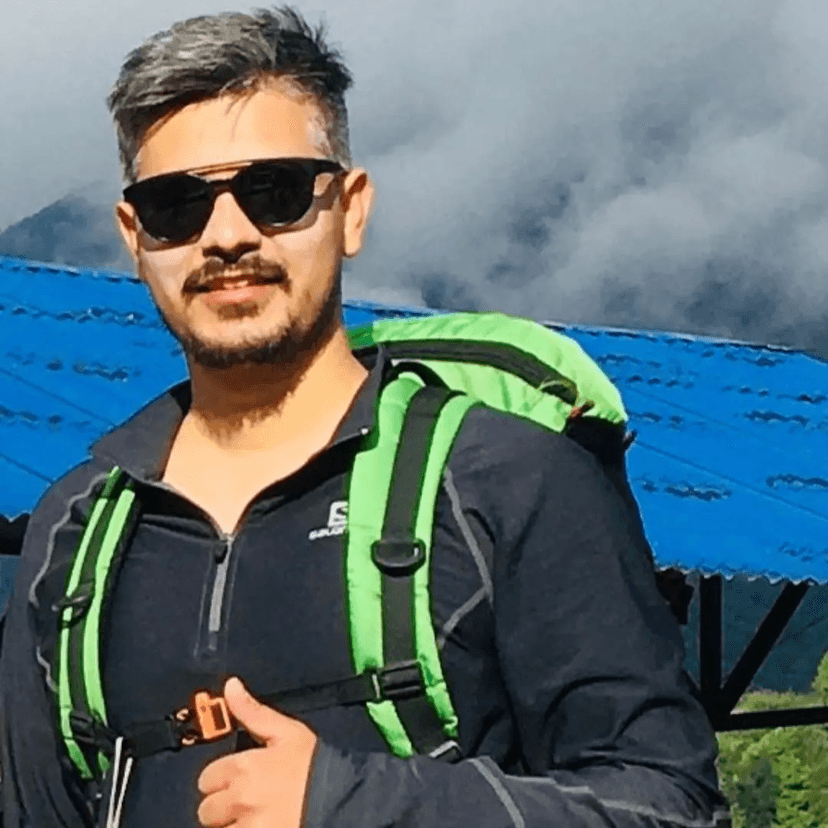
Amir Adhikari is the Founder and Trip Curator of Everest Thrill Trek and Expedition. With 10+ years of experience in Nepal’s competitive tourism sector, he is a recognized expert in designing safe, personalized, and high-thrill Himalayan itineraries. His dedication to responsible travel and creating authentic experiences has positioned Everest Thrill as a leading specialist for Everest, Annapurna, and off-the-beaten-path adventures.


Private Everest Base Camp Trek Package (14 days)
USD 1366/per person