Namche Bazaar | A Colorful and Rich Sherpa Town
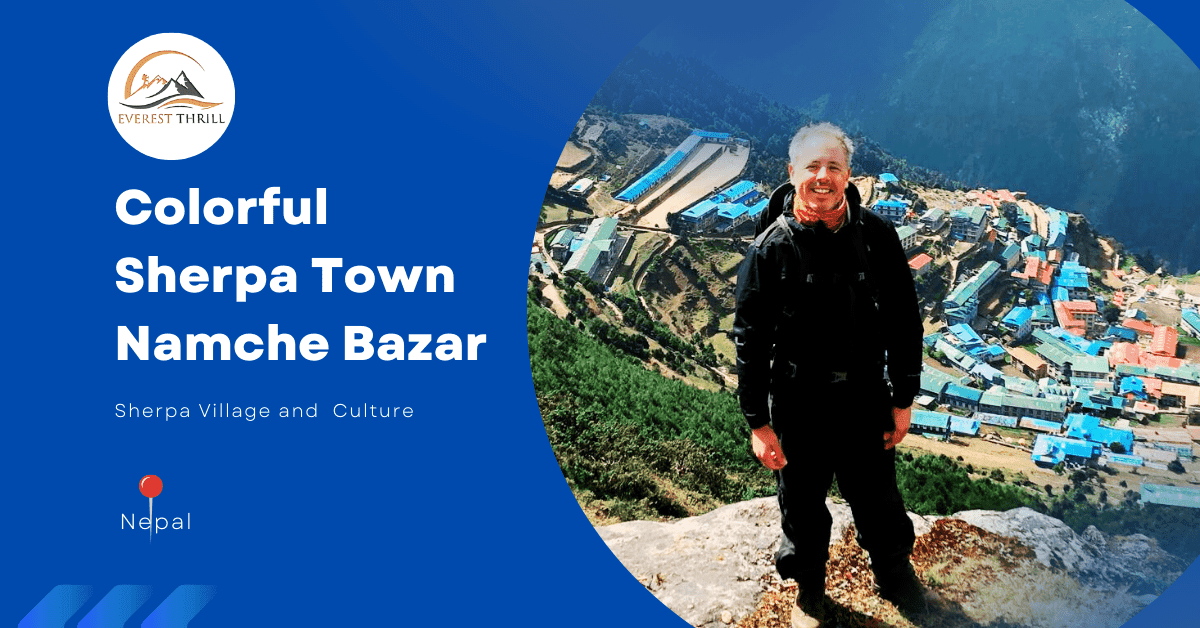
Table of Contents
- History Of Namche Bazaar
- Origin: A Trade Center between Nepal and Tibet
- Namche's Role in Preliminary Rock Climbing Campaigns
- Modern Development and Change
- Getting To Namche Bazaar
- Aerial Flight from Kathmandu to Lukla
- Trekking: Route from Lukla to Namche
- Alternative Route: Jiri and Phaplu
- Hotel And Homestays
- Accommodation
- Popular Dinning
- Local Attractions And Activities
- Sagarmatha National Park Museum
- Everest Viewpoint Hike
- Namche Monastery
- Saturday Market and Local Trade
- Yak Breeding Farm
- Acclimatization And Health Ideas
- The Importance of Acclimatization at 3,440 m
- Small Increase and Activities Recommended
- Prevention of Altitude-related Sicknesses
- The Best Time To Travel
- The Season's Weather Conditions
- Which One is Best?
- Culture and Traditions
- Sherpa’s Mountaineering Heritage
- Major Festivals
- Buddhism Influence in Daily Life
- Conclusion
- Frequently Asked Questions About Namche Bazaar
Namche Bazaar is simply known as an important checkpoint on your way to Everest Base Camp and other destinations.
However, for those who come to know the reality of this amazing place, it's more than that, the beating heart of the Khumbu region.
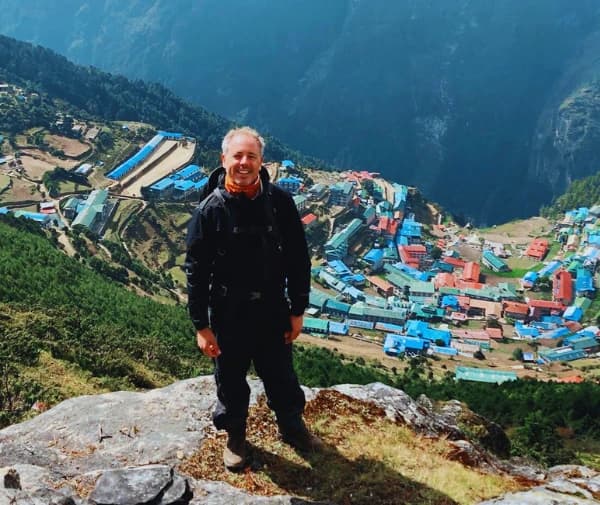
At an elevation of 3,440 meters, this vibrant Sherpa town mixes culture and adventure with scenic views of the Himalayas.
Whether you are an explorer, trekker, or cultural enthusiast, Namche Bazaar is a perfect destination.
History Of Namche Bazaar
The transformation of Namche from a humble trading spot to the lively hub of Khumbu over time is epic.
For centuries, it has served as an important commercial center, being an important location for the explorers heading to Everest.
Origin: A Trade Center between Nepal and Tibet
Today, Namche Bazaar is famous as a trekking destination. But before, it was an important trade point between Nepal and Tibet.
The Sherpas, who are known to have a deep relationship with the mountains, used to exchange goods with the Tibetan traders.
The trading items were grains, textiles, and garments from Nepal and salt, wool, and dried meat from Tibet.
Please note: This barter system was the backbone of the local economy, and the Saturday market in Namche has become a tradition that continues even today.
Now, the locals gather in the town square to buy and sell goods, which preserves the historical essence of Namche’s trading past.
Namche's Role in Preliminary Rock Climbing Campaigns
With the growing interest in rock climbing in the early 1900s, Namche Bazaar began to attract foreign explorers.
The first major change occurred when British and European campaigns had to pass through the region in search of the routes of Everest and other huge peaks.
However, the famous first climb of Mount Everest by Sir Edmund Hillary and Tenzing Norgay in 1953 made it recognized worldwide.
With time, the interest in Everest exploration increased, resulting in rapid demand for housing, supplies, and services.
This gradually led to the establishment of teahouses, hotels, and trekking agencies, and created this popular town, Namche Bazaar.
Modern Development and Change
Namche Market is now a bustling town that blends tradition and modern amenities. While retaining its Sherpa heritage, it has also adapted to the needs of global travelers.
Today, Namche offers:
- Modern Lodge and Cafe for trekkers from all over the world.
- Banking and ATM services, a rare service in the Himalayas.
- Internet access and communication facilities.
- Stores required for high-altitude gear and essentials.
Despite these modern changes, the Namche Bazaar remains true to its heritage. The traditional Saturday market is still a celebrated program, and the Sherpa people still respect their cultural and religious traditions.
Getting To Namche Bazaar
Getting to Namche Bazaar is optional, as you can reach there by helicopter as well as by trek. However, considering comfort and time, the scenic flight from Kathmandu to Lukla is the most appreciated option.
In case you want a more immersive journey and have enough time, you can prefer the routes like Jiri or Phaplu as an alternative.
Aerial Flight from Kathmandu to Lukla
Fly for just 30 minutes from Kathmandu, and you are in a place of your dreams. A thrilling landing in one of the world's most daring airports (Tenzing Hillary Airport) welcomes you to Lukla (2,860 meters).
The flight provides fantastic views of the Himalayas and serves as a door to a surprising landscape waiting for hikers.
Trekking: Route from Lukla to Namche
From Lukla, the Namche Bazaar Trek usually takes 2-3 days, depending on speed and acclimatization requirements.
This route is beautiful and gives a glimpse of life in the Khumbu region, through beautiful Sherpa villages, green forests, and rivers. Here are your stay points of the trek:
Phakding: A peaceful village about 3 hours from Lukla, which presents you with the first taste of the pure beauty of the Everest region.
Jorsale: Located just before the entrance to Sagarmatha National Park, it marks an important checkpoint where your trekking journey starts.
Bankar: A village surrounded by pine forests offering fantastic views of the surrounding peaks.
The path ascends continuously, crossing the suspension bridges and navigating the steep paths that provide spectacular views of the Himalayas.
Alternative Route: Jiri and Phaplu
For those looking for more extensive and traditional journeys, Jiri or Phaplu are good alternatives.
Both routes take longer and are more challenging, but they provide a deep connection to the region's culture and landscape.
Jiri Route: This route is a classic approach to the Everest region. It takes 7-8 days to reach Namche Bazaar.
The trail goes through lush valleys, high mountain passes, and various picturesque villages, giving you a taste of countryside life before reaching more tourist-centric areas.
Phaplu Route: Slightly smaller than the Jiri route, but still offers a challenging and rewarding experience, this route is a great option for those looking for a less crowded path.
Each route provides its unique charm, whether it is a flight through Kathmandu or a quiet immersion in local culture from Jiri or Phalpu.
Regardless of which alternative is your selection, the journey to Namche Bazaar delivers an unforgettable adventure in the Himalayas.
Hotel And Homestays
When it comes to dining and accommodation, Namche Bazaar is the top among any other stops in the Everest region.
Accommodation
Namche has different types of hotels, including budget teahouses, mid-range lodges, and a few luxury options too:
- Budget Teahouse: Basic rooms with shared features, generally comfortable for trekkers.
- Mid-range lodges: Rooms with attached bathrooms and some facilities such as a hot shower and Wi-Fi.
- Luxury Lodge: They are in small numbers, but offer spacious rooms, modern facilities, and the best food.
Popular Dinning
Many hotels are serving local and international food in Namche Bazaar. Food involves:
- Dal Bhat: Nepali rice and lentil dish.
- Sherpa Stew: A Vegetable dish with meat stew.
- Yak Paneer: Cheese made from Yak’s milk.
- Momo: Tibetan dumplings.
A number of international foods, such as pizza, pasta, and baked goods, can also be found as alternatives; however, try the local taste at least once.
The place’s bakeries are widely popular. Try fresh cakes, pies, and pastries if you want. For dining, some restaurants serve a mixture of Western and local food, providing you with a unique taste.
Local Attractions And Activities
Namche Bazaar is more than just a place to rest on the way to Everest Base Camp; it's a living city with a lot of attractions and activities to enjoy. From cultural experiences to beautiful trips, there is something for everyone.
Sagarmatha National Park Museum
The museum is located on a hill overlooking Namche Bazaar and is for those interested in learning about the story, the flora, and the fauna in the Everest region.
It offers an attractive outlook of the Sherpa culture, mountaineering expeditions, and various wildlife in the region, including rare species such as snow leopards.
Everest Viewpoint Hike
One of the most popular short trips around the place is the Everest Viewpoint. The hike takes about 2-3 hours and offers a spectacular glimpse of Mount Everest and other huge peaks such as Lhotse, Ama Dablam, and Nuptse.
Namche Monastery
The monastery is a peaceful and spiritual place, which is perfect for those wanting to experience local Buddhist culture.
Visitors can participate in prayer ceremonies, discover the monastery, and get in touch with local monks. The calm environment is a reminder of the spiritual heritage that the region holds.
Saturday Market and Local Trade
Every Saturday, Namche Bazaar hosts a vibrant market, where the locals gather to trade goods such as fresh Yak products and handmade crafts.
This is a great opportunity to experience lively Sherpa culture and buy unique souvenirs or requirements for your trek.
Yak Breeding Farm
The Yak-breeding farm is a short walk away from Namche, which provides insight into the famous Yak farming practices.
Visitors can learn about Yak herding and gain a deep understanding of their role in the local economy and culture.
Thus, apart from being just a checkpoint in the trekkers’ way, the Namche Bazaar is a place to sink yourself into the beauty, culture, and history of the Everest region.
Acclimatization And Health Ideas
At a height of 3,440 meters, Namche Bazaar has played an important role in the acclimatization process for trekkers moving towards Everest Base Camp.
Proper acclimatization is important to avoid altitude-related disorders and ensure a safe journey in the higher Himalayas.
The Importance of Acclimatization at 3,440 m
It is necessary to adjust to the height by spending a few nights in Namche if you plan to further climb. The town’s medium height helps hikers to adapt gradually before climbing at high-altitude.
If you haste to ascend, altitude sickness may disrupt your journey, so it is recommended to relax here and allow your body to adjust to the low oxygen levels.
Small Increase and Activities Recommended
To help the acclimatization, trekkers can participate in a gradual ascent around Namche. Popular options include:
- Everest Viewpoint Hike: A 2-3 hour trek that provides great views of Mount Everest and helps your body adapt to great height.
- Hiking for Sagarmatha National Park Museum: A short walk to the museum gives you a chance to move at a greater elevation.
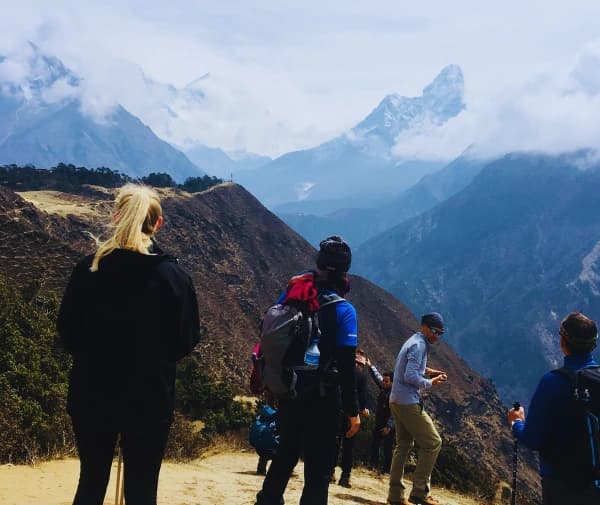
These light activities help to improve circulation and familiarize your body to height, providing the opportunity to detect the surrounding landscape.
Prevention of Altitude-related Sicknesses
Avoiding altitude sickness should be your prime concern.
Follow the highlighted points below to stay safe:
- Be well hydrated: Drinking plenty of water at high altitude is compulsory.
- Eat well: Whatever you eat should consist of enough calories to meet the altitude requirements.
- Don’t haste: Climb gently and avoid overwork. It is important to take regular breaks.
- Listen to your body: If you experience symptoms of altitude sickness, such as headaches, dizziness, or nausea, it is important to relax and seek attention.
The Best Time To Travel
To gain the best experience throughout your journey, it is necessary to find your perfect season of travelling.
Since the weather of the area greatly varies according to the respective seasons, you must know about each season beforehand.
The Season's Weather Conditions
Namche Bazaar's weather can’t be called stable, as the temperature dramatically swings throughout the year:
- Winter (December to February): Winter brings harsh conditions along with freezing temperatures. This is usually not recommended for trekking due to severe weather.
- Monsoon (June to August): Monsoon is the season of heavy rainfall, and heavy rain can cause disturbance in the trek and visibility. The slippery path and risk of landslides increase. So, trekking this season is generally not considered safe.
- Autumn (September to November): It is considered the best time to travel. The weather is clear, perfect for trekking with calm, dry conditions. The visibility of the mountains is at its best, and the trails are in excellent condition.
- Spring (March to May): Another great time to travel. The weather is comfortable with mild temperatures, and the flowering rhododendron adds to the beauty of the region. However, it may be busy due to the peak trekking season.
| Seasons | Month | Weather | Trekking Condition | Benefits | Drawbacks |
|---|---|---|---|---|---|
| Winter | December to February | Very cold, snow, freezing temperatures | Not ideal for trekking due to harsh conditions | Fewer trekkers, quiet environment | Risk of extreme cold, snow, and limited accessibility |
| Monsoon | June to August | Heavy rainfall, wet trails, cloudy skies | Challenging conditions,slippery trails, landslides | Quieter trails, fewer trekkers | Wet and muddy trails, landslide risks, and limited visibility |
| Autumn | September to November | Clear skies, cool and dry temperatures | Best trekking conditions, trails in good shape | Perfect weather, spectacular views, fewer trekkers | Can be busy, especially inOctober |
| Spring | March to May | Mild temperatures, occasional rain | Great trekking conditions, scenic with blooming flowers | Mild weather and vibrant landscape | Can be crowded |
Which One is Best?
For the best trekking experience, autumn (September to November) is an ideal time to visit Namche Bazaar.
The weather is clear, dry, and cool, and offers optimal conditions for trekking with fantastic scenes.
Spring (March to May) is also a great alternative, with mild temperatures and beautiful landscapes, although it can be busy.
Avoid the winter and monsoon season due to extremely cold and challenging weather conditions.
Culture and Traditions
Namche Market is not only the entrance to the Everest region, but also a place that is rich in the Sherpa culture and traditions.
Its cultural significance has been influenced by centuries of history, Buddhism, and mountaineering heritage.
Sherpa’s Mountaineering Heritage
The Sherpa, originally from the Khumbu region, has been associated with rock climbing for a long time.
Their expertise in high-altitude climbing and deep understanding of the mountains had made them inevitable for Everest campaigns.
Now, Namche, being a Sherpa Heartland, reflects this legacy in its daily life, rituals, and interaction with the trekkers.
Major Festivals
Namche is known for its lively culture and festivals, most remarkably:
- Mani Rimdu: A Buddhist festival held in the Tengboche monastery, which is celebrated with a mask dance, prayer, and rituals to bring prosperity.
- Dumji: Another important festival, especially important for the Sherpa community, marks Guru Rinpoche's birthday, the founder of Tibetan Buddhism.
Buddhism Influence in Daily Life
Buddhism plays a key role in the life of the inhabitants of Namche. Monasteries, prayer flags, and stupas are integrated parts of the town.
Local people engage in daily prayers and rituals, and trekkers often witness the Buddhist ceremonies in Namche Monastery.
A peaceful and spiritual atmosphere is an important aspect of Namche Bazaar, making it a harmonious mix of tradition and nature.
Conclusion
For newbie, Namche Bazaar is just an entrance point to Everest Base Camp, but those who truly have visited this bustling town, know that it's something more than just a checkpoint, something that holds great significance in the trekking world, providing a deep dive into culture, history, and traditions of Sherpas.
Here, the availability of modern facilities at such a high altitude makes it a unique destination for hikers and travelers.
From Everest's fantastic views to peaceful monasteries and lively local markets, the Namche Bazaar offers a fulfilling experience beyond the trek itself.
Whether you stay at high altitude or in the local area, Namche is a place that leaves a permanent impression.
Frequently Asked Questions About Namche Bazaar
About Author
Amir Adhikari is the Founder and Trip Curator of Everest Thrill Trek and Expedition. With 10+ years of experience in Nepal’s competitive tourism sector, he is a recognized expert in designing safe, personalized, and high-thrill Himalayan itineraries. His dedication to responsible travel and creating authentic experiences has positioned Everest Thrill as a leading specialist for Everest, Annapurna, and off-the-beaten-path adventures.