High Pass Treks in Nepal | Cho La, Thorong La, Larke La and More
Table of Contents
- Why Choose A High Pass Trek in Nepal?
- High Pass Treks We Offer
- Cho La Pass trek
- Renjo La Pass Trek
- Kongma La Pass Trek
- Larke La Pass Trek
- Thorong La Pass Trek
- How is The High Pass Trek Different From a Normal Trek?
- Who Can Join High Pass Adventure Trips?
- Top Things You Should Consider for The High Pass Trek
- Acclimatization is not Optional
- Training Before the Trek is a Must
- Packing the Right Gear is the Key
- Right Weather = Comfort
- Guide & Porters are the Ones to Trust
- Lack of Weather Knowledge Can Be Risky
- Packing Snacks and Water Purifiers Will Be Fruitful
- Best Season to Join a High Pass Trek
- Spring Awakens Mountains (April to May)
- Autumn is Renowned as the Best (October to November)
- Winter Demands More (December to February)
- Monsoon is a True Test (June to September)
- Bonus Tip: Keep it Flexible
- Conclusion
- Frequently Asked Questions About High Pass Treks
Nepal, home to some of the world's highest mountain passes rising over 5000 meters (16,400 ft), is truly a trekking paradise.
From the extraordinary experience of navigating the rugged mountain terrain and viewing panoramic Himalaya scenes to immersing yourself in the unique local cultures, trekking here offers a rare and unforgettable experience.
Unlike regular valley routes, high passes challenge both your physicality and mentality, and provide a rewarding journey with scenery and solitude like nowhere else.
Are you looking for a personalized high pass trek Package? Our expert and experienced adventure professionals are here to guide you through each step of your trip planning. For expert free trip consultation, Contact Us.
Why Choose A High Pass Trek in Nepal?
- Breathtaking Mountain Views: Experience some of the most luxurious scenes with prestigious peaks such as Everest, Annapurna, and Manaslu.
- Unique Adventure: High Pass Trek presents an exciting challenge with steep climbs, robust terrain and high altitude, which is perfect for adventurers.
- Less-crowded Trails: These routes are less frequented than popular hiking trails, providing an opportunity for a more peaceful and authentic experience.
- Cultural Meetings: Cross through remote mountain villages and interact with local communities, learn about their traditions and lifestyle.
- Miscellaneous Landscapes: From lush green forests and alpine grasslands to ice-covered passes and glaciers, high-pass trips show diverse natural beauty in Nepal.
- Physical and Mental Challenge: Push your boundaries and build endurance by enjoying a rewarding journey that tests your strength and flexibility.
High Pass Treks We Offer
Here is the list of high pass treks organized by Everest Thrill, which’d probably help you find the best one for your trip:
Cho La Pass trek
Region: Everest
Height: 5,420 m
Overview: A glacier-covered pass between Gokyo and Everest Base Camp.
What’s special about the Cho La Pass Trek?
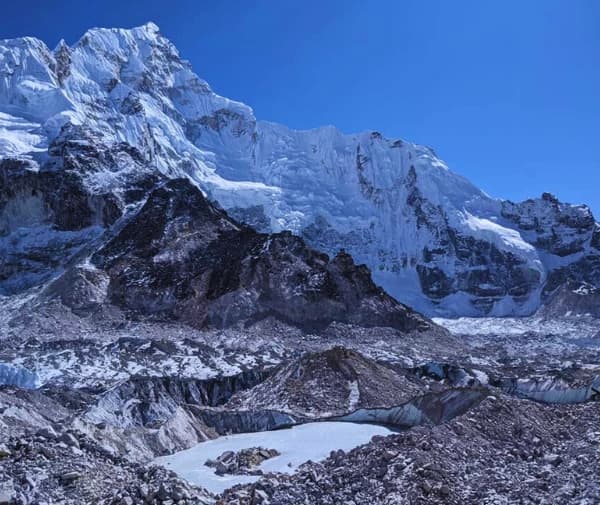
Cho La Pass is one of the most exciting sections in the Everest region. You will go on glaciers, cross the icy bumps, and reach a windswept pass with jaw-dropping views of Cho Oyu, Everest, and other huge peaks. It is an ideal add-on trek for hikers who want to combine Gokyo Lakes and Everest Base Camp in an unforgettable loop.
Renjo La Pass Trek
Region: Everest (Gokyo Side)
Height: 5,360 m
Overview: It connects Gokyo Valley to the Thame Valley via a high and panoramic ridge.
Why is the Renjo La Pass Trek special?
Renjo La offers one of the widest and most stunning views in Khumbu. From the top, you can see Everest, Lhotse, Makalu, and the turquoise lakes of Gokyo in a wide frame. It is less crowded than other passes, making it a peaceful route for solitude-loving adventurers. Follow the Gokyo Lake Trek that covers Renjo La Pass.
Kongma La Pass Trek
Region: Everest
Height: 5,535 meters (high on three passes)
Highlights: Bypassing the main EBC trail, this trek links Chhukung (near Island Peak) to Lobuche.
Why choose the Kongma La Pass Trek?
It is the most difficult of the "three passes" in Everest, in both altitude and terrain difficulty. There are no lodges between the points - simply raw nature and glacier area. However, the quiet cool trail, close-up views of Nuptse and Makalu, and the joy of crossing the region’s most challenging pass stand as the reward of your hard work, which is very big.
Special Note* follow our guided Everest Three Passes trek to cover all passes within a single trip in the Everest Region.
Larke La Pass Trek
Region: Manaslu
Height: 5,106 m
Highlights: The dramatic climax of the Manaslu Circuit that connects Bimthang and Dharamsala is its major highlight.
Why Larke La Pass Trek?
This hike offers a wild and low-traveled path compared to Everest or Annapurna. Larke La is a long and demanding day trek, with its beginning in early morning and unpredictable weather.
But the sunrise from the top and the outstanding views of Cheo Himal, Kang Guru, and Annapurna II make every step feel meaningful. This is the crown jewel of the Manaslu Circuit trek.
Knowing what makes this pass challenging can make your crossing safer and more manageable.
Thorong La Pass Trek
Region: Annapurna
Height: 5,416 m
Highlights: Crossing from Manang to Muktinath, it connects two culturally rich areas.
What is special about the Thorong La Pass Trek?
Thorong La is the most famous high pass in Nepal - a real trekking milestone. The trail begins in green forests, rises in alpine deserts, and ends with a spiritual touch of the Muktinath temple. The climb is steady and difficult due to the altitude, especially on the summit day, which starts around 4-5 AM. The views from the top are wide, windy, and unforgettable. Either you follow our guided Annapurna Circuit trek or Annapurna Circuit with Tilicho Lake trek, the Thorong La Pass is covered in both trips.
How is The High Pass Trek Different From a Normal Trek?
The following are some of the traits that differentiate High Passes from the normal ones:
- Altitude: While a normal trek in Nepal ranges from 3000 to 4000 meters, this high pass trip goes beyond 5000 meters, where the air becomes thin and the climb feels real.
- Level of Physical and Mental Demand: High Pass Trek includes long days, steep rising, rocky trails, and often, icy routes. They are both physically and mentally demanding.
- Less-travelled Routes: These trails are quiet and more remote. You won’t find many people, and sometimes you don't see a tea house for hours - it's just you and the mountains.
- Unmatched View: The more you go, the wider the views become. These passes open up to a 360° Himalaya Panorama on a large scale, which is impossible to obtain from regular trails.
- Constantly Changing Terrain: You pass through dense forests, cross rivers, move into glaciers, and climb through rugged rocks- all in a single trip.
- More Preparation Needed: Normal treks are usually straightforward and beginner-friendly. Meanwhile, the High Pass Trek requires good stamina, prior hiking experience, and proper acclimatization schedules.
- Greater Reward: Conquering a high pass feels like a true achievement - something earned with passion and hard work.
Who Can Join High Pass Adventure Trips?
High Pass Trek is not just about reaching a high point on a map; they are about testing your boundaries, embracing the mountains, and stepping out of your comfort zone. These hikes are best for:
- Experienced Trekkers in Search of a New Challenge: If you have already completed the Everest Base Camp trek or the Annapurna Base Camp Trek, the High Pass routes provide more adventurous experiences with greater rewards.
- Physically Fit and Active Individual: You definitely need strength, endurance, and good balance for these treks. If you exercise regularly, hiking, running, and cycling, then you are probably fit enough for these trails.
- Mentally Strong and Determined Walkers: Mountain climbs are hard, the weather can be tough, and some days will bring out your boundaries. Mental resilience is as important as physical strength.
- People Familiar with Heights: Since you draw more than 5000 meters, it is better if you have experienced hiking in the past or at least high height or at least understand how to identify and handle altitude.
- Trekkers with a Solitude Preference: These routes are far away from crowds and commercialization. If you prefer a peaceful landscape, pristine nature, and a challenging mountain experience, this trek is just for you.
Please note: If this is your first trek, it makes sense to start with something simple and gain some mountain experience first. Until you're ready, high passes will wait for you.
Top Things You Should Consider for The High Pass Trek
Trekking on a high pass is an incredible experience, but it comes with unique challenges. Before you embark there, here are the most important things to know about:
Acclimatization is not Optional
High Pass Trek takes you over 5000 meters, like Larke La Pass at 5,106m in the Manaslu region. This means that your body needs time to adjust to thin air. Plan rest days, climb slowly, and always listen to your body.
Training Before the Trek is a Must
Good stamina makes the journey more fun. Start walking uphill, follow cardio exercise, or try hiking with a loaded backpack before the trip. It helps to build endurance and prepare your legs for the upcoming final test in Nepal.
Packing the Right Gear is the Key
You need warm clothes for cold temperature, high quality hiking shoes, a reliable backpack, gloves and a decent sleeping bag. The weather at high altitude can quickly change, so be ready for sun, snow, wind as well as rain.
Right Weather = Comfort
Late spring (April -Mai) and early fall (October - November) are the safest and most beautiful season. These times are most comfortable for crossing the passes as they offer clear skies and most stable weather without heavy snow.
Guide & Porters are the Ones to Trust
Paths on the high pass can be misleading, especially if the snow covers the route. A local guide adds safety and support. A porter can carry your heavy bag so you can just focus on the trek.
Lack of Weather Knowledge Can Be Risky
Even in the best weather, circumstances can change for hours. Always be ready to turn back or wait for the weather. Flexibility is important in the mountains.
Packing Snacks and Water Purifiers Will Be Fruitful
There may not be food stalls on the longer trail between the villages. Bring energy bars, nuts, or chocolate. Water from local sources should always be clean or boiled.
Best Season to Join a High Pass Trek
Time is everything in the higher Himalayas. Choose the right season, and you’ll trek under warm sunshine, under the deep blue sky, through snow-dusted paths. Choose the wrong one, and you might get lost in the fog or stuck in the damaged trails. So, when are you going? Here’s the breakdown:
Spring Awakens Mountains (April to May)
This is when the Himalayas stretch and yawn after the winter. The trails are clear, the sky is light, and Rhododendron paints the lower hills in red and pink. The snow is still fresh on the trails - just enough to make the views stunning, but not too much to obstruct your journey. A golden window for trekking high passage.
Autumn is Renowned as the Best (October to November)
Crisp air and clear skies are the main features of Autumn. It is the time when the monsoon has washed the dust, and the trails are at their best, providing cinematic views. It is probably the most popular time for Trek.
Winter Demands More (December to February)
Winter is for the brave hearts. Snow covers the pass, which makes most of the routes impassable. The views are unsurprisingly beautiful but it's bitterly cold. It is wise to skip this season until you are an experienced winter trekker with the right equipment and backup.
Monsoon is a True Test (June to September)
Heavy rain, slippery trails, leeches in the forest, and clouds hide the peaks, add the risk of landslides and delays the flying. Hence, the monsoon is the least recommended time. Some rain-shadow fields like Upper Mustang are exceptions but not the high passes.
Bonus Tip: Keep it Flexible
Even in the "best" months, the mountain weather can surprise you. Always add 1-2 buffer day to your walk - for safety, rest or unexpected delay. Remember, flexibility is your hidden power in the Himalayas.
Conclusion
High pass trekking is not just about reaching a height; it's about testing your limits, embracing raw nature, discovering untamed beauty, and earning each scene with each breath.
Whether you dream of standing on Cho La with Everest in the distance, crossing the icy path of Kongma La, or following the old trails of Larke La and Thorong La, we’re here to make that happen - safely, confidently, and wholeheartedly.
Our experienced guides at Everest Thrill know each turn, every weather shift, and help you in every possible way. We take care of every single detail including permits, plans and pace - so you can focus on mountains and your journey.
Your destination is waiting. Let's cross it together.
Frequently Asked Questions About High Pass Treks
About Author
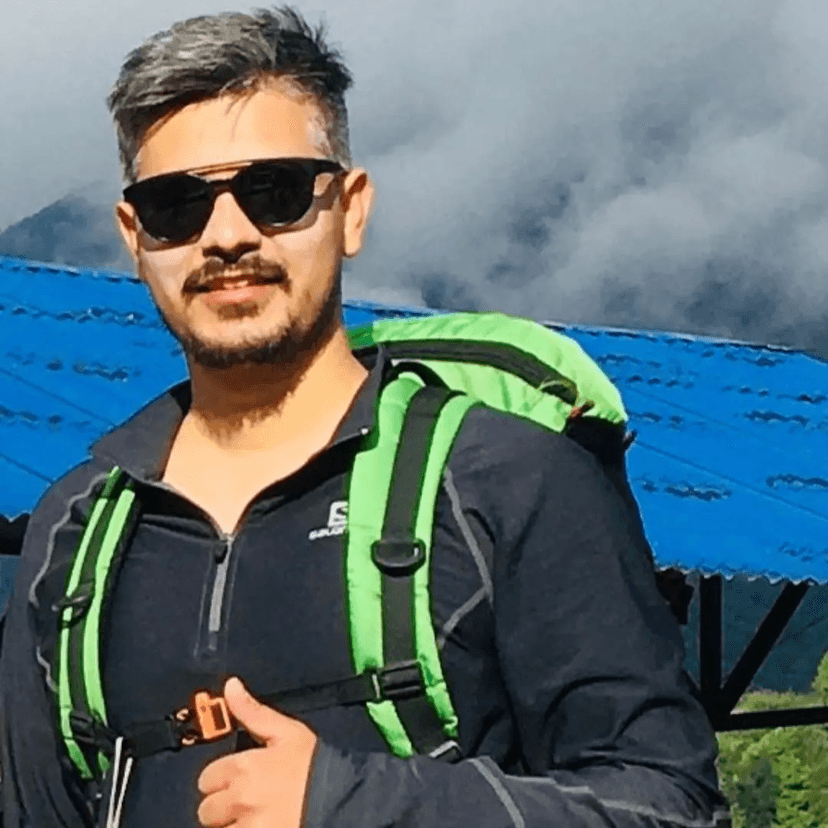
Amir Adhikari is the Founder and Trip Curator of Everest Thrill Trek and Expedition. With 10+ years of experience in Nepal’s competitive tourism sector, he is a recognized expert in designing safe, personalized, and high-thrill Himalayan itineraries. His dedication to responsible travel and creating authentic experiences has positioned Everest Thrill as a leading specialist for Everest, Annapurna, and off-the-beaten-path adventures.