Nepal Visit Guide | Top Things to Do and Experience 2026-27
Table of Contents
- What Can You Really Experience in Nepal?
- Choose Your Nepal Experience Based on What You Want From Your Trip
- If you want to experience the Himalayas
- Experience Nepal's Mountains Without a Long Trek
- Experience Nepal's Heritage, Culture and Everyday Life
- Experience Nepal's Landscapes Beyond the Mountains
- Experience Nepal's Wildlife and Jungle
- Experience Nepal Through Adventure
- Explore Nepal's Remote Side
- Choose the Right Nepal Trip for Your Time
- 3-5 Days
- 7-10 Days
- 10-14 Days
- 2+ Weeks
- Choose Your Nepal Trip Based on Your Travel Style
- Trekking, Permits, Guides and Practical Decisions
- Do I need a guide and porter?
- What permits do I need?
- Can beginners trek in Nepal?
- Can children trek in Nepal?
- Which base camp trek should I choose?
- Which Nepal Experience Is Right for You?
- Plan Your Nepal Visit With Local Experts
What Can You Really Experience in Nepal?
After more than 10 years of organizing trips in Nepal, we have learned that travelers rarely need a longer list of places to visit and things to do. What they really need is to know which experiences are worth their time.
Nepal offers far more than most visitors can fit into one trip. The challenge is deciding what to include and, just as importantly, what to leave out. Travel times, altitude, season, fitness, budget, and the way you prefer to travel can all change what makes sense.
For example, a traveler with five days should not plan the same trip as someone staying for three weeks. Someone who wants to reach Everest Base Camp needs a different itinerary from a family looking for culture, nature, and comfortable travel.
So, instead of giving you another long list of attractions, this Nepal visit guide focuses on the experiences you can have and how to choose what fits your trip.
Choose Your Nepal Experience Based on What You Want From Your Trip
If you want to experience the Himalayas
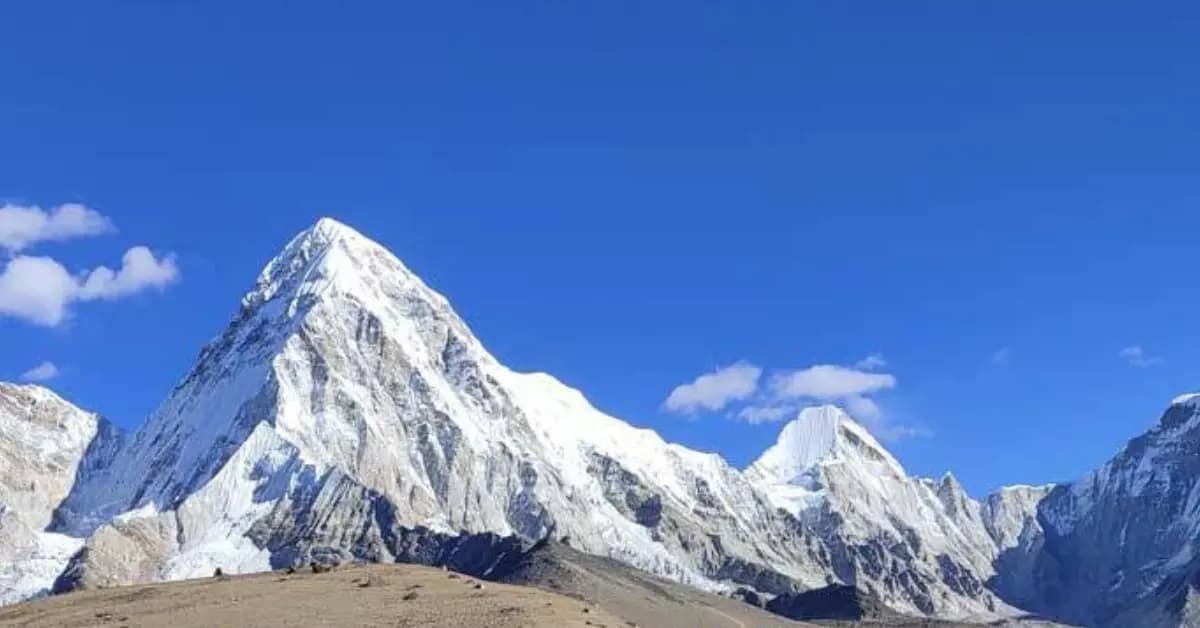
For many travelers, the Himalayas are the main reason for visiting Nepal. But there is no single best way to experience them.
You can take a short mountain hike, spend several days trekking through Himalayan villages, reach a high-altitude base camp, or see the mountains from a scenic flight or helicopter.
If Everest is your main priority, the 14-day Everest Base Camp Trek is the classic choice. The experience is about much more than reaching Base Camp. You spend days walking through the Khumbu, staying in mountain villages, crossing suspension bridges, and gradually adapting to the altitude.
If you want a shorter and more varied Himalayan journey, the 10-day Annapurna Base Camp Trek may suit you better. The trail passes through forests, villages, and changing mountain landscapes before reaching the sanctuary surrounded by Annapurna peaks.
For a longer journey with changing landscapes and a high mountain pass, consider the Annapurna Circuit Trek package. The route takes you from lower, greener landscapes toward the high Himalayas and across the Thorong La, making it ideal for travelers who want variety throughout the trek.
If you prefer a quieter and more remote trekking experience, the Manaslu Circuit Trek Package is worth considering. The trail passes through mountain villages and increasingly dramatic Himalayan scenery, with fewer trekkers than the more established Annapurna and Everest routes.
In the Everest region, the Gokyo Lake Trek Itinerary offers a different experience from the standard EBC route. The turquoise glacial lakes, Ngozumpa Glacier, and views toward Cho Oyu make it particularly appealing if you want beautiful high-altitude scenery without following the classic EBC itinerary.
For travelers looking for a more demanding Everest-region adventure, the Cho La Pass Trek combines the Gokyo area with a challenging high-altitude pass. It is better suited to trekkers who are comfortable with longer walking days and difficult terrain.
The Three Passes Trek is better suited to experienced trekkers who want a more complete and demanding high-altitude exploration of the Khumbu rather than a single destination.
If you want mountain scenery and traditional village life without committing to a long, high-altitude trek, the Khopra Danda Trek can be a good alternative. It is shorter and generally less demanding, while still offering impressive views of the Annapurna and Dhaulagiri ranges.
For travelers who want to go farther from the popular trekking routes, the Kanchenjunga Base Camp Trek offers a genuinely remote Himalayan experience. The longer journey, fewer trekkers, and wilderness setting make it particularly suitable for travelers who value solitude and exploration.
We often find that travelers choose a trek because of its name first and only later think about walking days, altitude, and difficulty. We recommend doing the opposite. Decide what kind of experience you want and what you can comfortably handle, then choose the route.
If you are unsure, our guide to which base camp trek to choose can help you compare the main options based on duration, difficulty, scenery, and overall experience.
Experience Nepal's Mountains Without a Long Trek
Not everyone visiting Nepal wants to spend two weeks walking in the mountains. You can still have a meaningful Himalayan experience without committing to a demanding trek.
Mountain viewpoints, short hikes, scenic flights, and helicopter tours are practical alternatives for travelers with limited time, families, older travelers, or anyone who simply prefers not to trek.
A luxury Everest Base Camp helicopter tour with Kala Patthar landing is one option for seeing the Everest region when you do not have enough time or do not want to walk for several days.
But we always make one distinction clear to our travelers: seeing the Himalayas and living in the Himalayas are different experiences.
A helicopter tour gives you access to the mountains in a short time and with considerably less physical effort. Trekking gives you several days to experience the villages, trails, changing landscapes and gradual increase in altitude.
If you have the time and enjoy walking, we would generally encourage you to experience the mountains on foot. If time or physical ability is the limiting factor, a helicopter tour experience can be a sensible alternative.
Experience Nepal's Heritage, Culture and Everyday Life
Nepal's cultural experience is not limited to visiting famous temples.
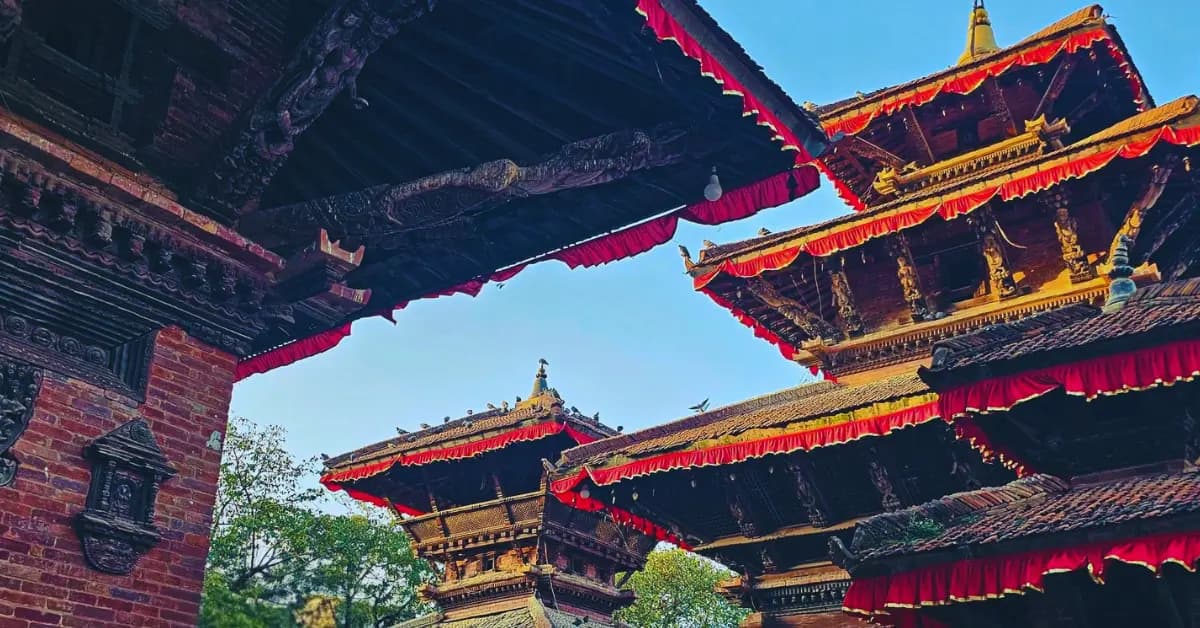
Kathmandu Valley's historic cities of Kathmandu, Patan and Bhaktapur offer traditional Newari architecture, Hindu and Buddhist heritage, courtyards, temples and everyday local life.
If you have only one day in Kathmandu, a well-planned Kathmandu Day Tour package can cover the important cultural highlights without making the day feel like a race between monuments.
We also recommend allowing some time to walk rather than seeing everything from a vehicle. A quiet courtyard, local market, or traditional neighborhood can sometimes tell you more about Kathmandu than another attraction added to your list.
If you want to experience village life, a Ghandruk Village Tour can combine mountain scenery with local culture and traditional village life without requiring a long trek.
For travelers with more time, combining Kathmandu with Pokhara or a village experience gives you a better understanding of Nepal beyond the capital.
For pilgrims, Kathmandu can also serve as a starting point for a Manasarovar Yatra from Kathmandu to Mount Kailash and Lake Manasarovar in Tibet. This is a very different journey from a Nepal holiday, involving high-altitude travel and specific pilgrimage arrangements. If this is part of your travel plan, you can combine some time in Kathmandu with the pilgrimage rather than trying to fit it into a regular Nepal sightseeing itinerary.
Experience Nepal's Landscapes Beyond the Mountains
Nepal changes considerably as you travel from the high mountains toward the lower hills and Terai.
Pokhara is a good example. Its lakeside setting, mountain views, nearby hills and access to outdoor activities make it useful for many different types of travelers.
For a first visit of around a week, a Kathmandu-Pokhara tour package can be a sensible combination. You get the cultural side of Kathmandu and the more relaxed mountain setting of Pokhara without trying to cover too much ground.
If you have a few more days, you can add Chitwan for a completely different landscape. A Kathmandu Chitwan Tour combines cultural sightseeing with wildlife.
For a broader introduction to Nepal through culture, mountains, lakes, and jungle safari, the Kathmandu Pokhara Chitwan Tour is a great option for you.
We would not recommend adding every destination simply because it is popular. If you only have a week, too many stops can turn a relaxing holiday into a series of long transfers. A smaller number of well-chosen experiences usually works better.
Experience Nepal's Wildlife and Jungle
Chitwan is worth considering if you want to see a side of Nepal that has little to do with high mountains.
The Terai is warmer and flatter, with forests, grasslands, and rivers. Jungle activities can allow you to look for the one-horned rhinoceros and other wildlife while also experiencing the landscape and culture of southern Nepal.
For travelers who enjoy nature, Chitwan can be a valuable addition to a Nepal trip, particularly after spending several days in the hills or mountains.
But if your holiday is very short, we would not add Chitwan simply because it appears on every Nepal itinerary. Ask yourself whether wildlife and the Terai are important enough to justify the additional travel time.
That is why a Kathmandu Chitwan Tour package may suit one traveler, while another may be better off using those days for Pokhara or a short trek.
Experience Nepal Through Adventure
If you want your Nepal trip to be more active, you have plenty of choices beyond trekking.
Depending on your interests and the season, you can add rafting, paragliding, bungee jumping, mountain biking, and other outdoor activities. Trekking itself is already one of the country's most rewarding adventures.
If you want to go beyond trekking, peak climbing is another possibility. Island Peak Climbing, Mera Peak Climbing, and Lobuche Peak Climbing are popular and are mostly chosen as climbing packages by travelers who want to take their Himalayan experience a step further.
However, peak climbing should not be treated simply as a harder trek. The physical demands, altitude, equipment, and technical requirements can be very different.
Some travelers tell us they want to "climb a peak" when what they really want is a challenging trek. Others genuinely want to learn and take on a mountaineering objective. Our guide to which peak to climb can help you understand the difference before choosing.
For experienced mountaineers, expeditions such as the Ama Dablam Expedition and the Everest Expedition are much more serious undertakings and require considerably more preparation.
Explore Nepal's Remote Side
If you have already seen the greener Himalayan landscapes or simply want something different, Upper Mustang deserves consideration.
The region has a dry Himalayan landscape, ancient settlements, caves and strong Tibetan cultural influences. It feels very different from the forests and green hills found on many of Nepal's popular trekking routes.
Upper Mustang can also be experienced in different ways.
The Upper Mustang Trek package is for travelers who want to explore the region on foot and spend more time in the landscape and villages. Walking between the settlements gives you a slower and more immersive experience, particularly if you enjoy being away from the more crowded trekking routes.
An Upper Mustang Jeep Tour package allows you to explore more of the region without committing to long days of walking. The road network allows you to reach remote settlements and viewpoints that would otherwise require considerably more time on foot, making it suitable for families, older travelers, and those with limited trekking experience.
For travelers who enjoy adventure and want more freedom on the road, an Upper Mustang Bike Tour package offers a completely different way to experience the region. Riding through the dry valleys, mountain passes, and remote settlements can be particularly rewarding if the journey itself is an important part of your travel experience.
These are not simply different ways of selling the same trip. The way you travel changes what you experience. Trekking gives you more time to walk through the landscape, while a road journey allows you to reach more places in less time.
Choose the Right Nepal Trip for Your Time
Your available time should influence your itinerary from the beginning.
3-5 Days
Keep the trip simple.
Focus on Kathmandu and its cultural heritage, nearby experiences, or a short mountain excursion. If seeing Everest is important but trekking is not possible, a helicopter experience can make more sense than trying to squeeze a multi-day trek into a very short holiday.
We would not recommend trying to combine Kathmandu, Pokhara, Chitwan, and a trek in five days. You may technically reach all of them, but you will spend too much of the trip traveling.
7-10 Days
You have more flexibility.
A combination of Kathmandu and Pokhara works well for many first-time visitors. You can also add Chitwan if wildlife interests you, or use most of the available time for a short trek.
If trekking is the main reason for your visit, make the trek the priority and build the rest of the itinerary around it rather than trying to fit everything in.
10-14 Days
A two-week trip opens up more substantial trekking possibilities.
Depending on your fitness, season, and available trekking days, you can consider Everest Base Camp, Annapurna Base Camp, Manaslu Circuit, Annapurna Circuit, or Gokyo Lake Trek.
You can then add a few days in Kathmandu or Pokhara before or after the trek without making the entire trip feel rushed.
2+ Weeks
With more than two weeks, longer and more specialized experiences become realistic.
You can consider the High Passes Nepal Treks, Kanchenjunga Base Camp Trek, Upper Mustang Trek, or other longer Himalayan journeys.
This is also a more realistic timeframe if you are considering peak climbing, because you have more room for preparation, acclimatization, and recovery rather than trying to fit a climbing objective into an already crowded itinerary.
Choose Your Nepal Trip Based on Your Travel Style
Your travel style is just as important as your number of days.
First-time visitors: Kathmandu and Pokhara provide a good introduction to Nepal's culture and mountain scenery. If you have enough time, Chitwan can add wildlife and a completely different landscape.
Families: A family trip does not need to revolve around a demanding trek. 9-day Nepal tour with family around Kathmandu, Pokhara, village experiences, and selected short hikes can provide variety without making every day physically demanding. If you are considering trekking with children, our guide to Nepal treks with kids can help you understand what to consider before choosing a route.
Student groups: Nepal can also be a rewarding destination for students when the itinerary is designed around learning rather than simply sightseeing. Cultural visits, village experiences, short treks, wildlife, and community-based activities can give students a more direct understanding of Nepal's people, environment, and way of life. Our Student Tour in Nepal article is designed for groups looking for this kind of educational and experiential travel idea.
Travelers interested in volunteering: If you want your Nepal visit to include meaningful community involvement, a Volunteer Tour in Nepal can combine travel with opportunities to support local communities or participate in appropriate community-based projects. The right program depends on the group's interests, skills, duration, and the type of involvement you are looking for.
Adventure travelers: Trekking, rafting, paragliding, bungee jumping, mountain biking, and peak climbing can all be considered according to your interests and experience.
Trekkers: Choose the trek first. Once you know the route, dates, and number of trekking days, it becomes much easier to build the rest of the holiday around it.
Luxury travelers: You can combine comfortable accommodation and private travel with mountain experiences. A luxury Everest Base Camp helicopter tour with Kala Patthar landing can be particularly suitable when you want access to the Everest region without a long trek.
Travelers looking for quieter places: Consider Manaslu, Kanchenjunga, Khopra Danda, village stays, or Upper Mustang rather than following only the busiest routes.
Visitors who do not want to trek: You can still experience a lot of Nepal through cultural tours, Pokhara, Chitwan, village visits, short hikes, and helicopter or scenic mountain flights.
Trekking, Permits, Guides and Practical Decisions
Some of the most important decisions are not about where to go, but about understanding what your chosen trip requires.
Do I need a guide and porter?
This depends on the route, current regulations, and your own needs. A good guide can also be valuable for route planning, local communication, altitude management, and dealing with unexpected situations.
If you are unsure, our guide to guide and porter hiring in Nepal explains what to consider.
What permits do I need?
Permit requirements depend on the trekking region and route. Some restricted areas have additional permit requirements, while protected areas can also require entry fees. It is better to check the requirements for your specific trek rather than assuming that the same permit arrangements apply everywhere.
See our updated Nepal trek permit guide before making your plans.
Can beginners trek in Nepal?
Yes, but being a beginner does not mean every trek is suitable. Your fitness, walking experience, altitude, season, and available time all matter.
For a first trek, choosing a route simply because it is famous is not always the best approach. A shorter and lower-altitude trek may give you a much more enjoyable first experience.
Our guide to easy Nepal treks for beginners can help you compare suitable options.
Can children trek in Nepal?
Some families trek successfully in Nepal, but the route needs to be chosen around the child's age, fitness, walking ability, and the altitude involved.
A family trek should not simply be an adult itinerary with children added to it. If you are considering one, see our guide to Nepal treks with kids.
Which base camp trek should I choose?
There is no universal answer. Everest offers the classic Khumbu and Everest experience, Annapurna provides a different combination of scenery and accessibility, while other routes offer more remote or challenging experiences.
Our which base camp trek to choose guide can help you make the comparison before committing to a route.
Which Nepal Experience Is Right for You?
If you are still deciding, start with the experience you want rather than choosing a package first.
- If you want your first major Himalayan trek, consider the Everest Base Camp Trek or Annapurna Base Camp Trek.
- If you want a quieter trekking experience, look at the Manaslu Circuit Trek or Khopra Danda Trek.
- For high-altitude adventure, the Gokyo Lake Trek, Cho La Pass Trek, and Three Passes Trek offer different levels of challenge.
- For remote Himalayan culture and landscapes, consider the Upper Mustang Trek or Kanchenjunga Base Camp Trek.
- If you want a classic Nepal holiday without a long trek, a Kathmandu Pokhara Tour is a sensible starting point.
- If you want culture, mountains and wildlife together, a Kathmandu Pokhara Chitwan Tour gives you more variety.
- If you want to experience the Himalayas without trekking, a luxury Everest Base Camp helicopter tour with a Kala Patthar landing may be the better choice.
- For families, Kathmandu, Pokhara and selected short activities can provide a more comfortable experience than a demanding trek.
- For peak climbing, Island Peak, Mera Peak, and Lobuche Peak offer different challenges, while experienced mountaineers can consider objectives such as Ama Dablam or Everest.
Plan Your Nepal Visit With Local Experts
Not every popular Nepal itinerary is right for every traveler.
After more than 10 years of organizing trips in Nepal, we have learned that a good itinerary is often about what you leave out as much as what you include. Trying to see everything can leave you tired and spending too much time on the road. Choosing the right combination gives you time to actually enjoy the places you came to see.
You may want a Himalayan trek, a cultural journey, a family holiday, a road trip through Upper Mustang, a combination of Kathmandu, Pokhara and Chitwan, or simply a comfortable way to experience the mountains without trekking.
If you are not sure which option makes sense, tell us how many days you have, who you are traveling with, your approximate budget, and what you most want to experience. With more than 10 years of experience organizing trips in Nepal, we can help you decide what is realistic, what is worth prioritizing, and what you can comfortably leave out.
Still deciding where to go?
Our Places to See in Nepal guide compares destinations where to go, what to see, and how to choose a trip as per your plan. Or Tell us what you have in mind → We'll help you plan the right Nepal experience.
About Author
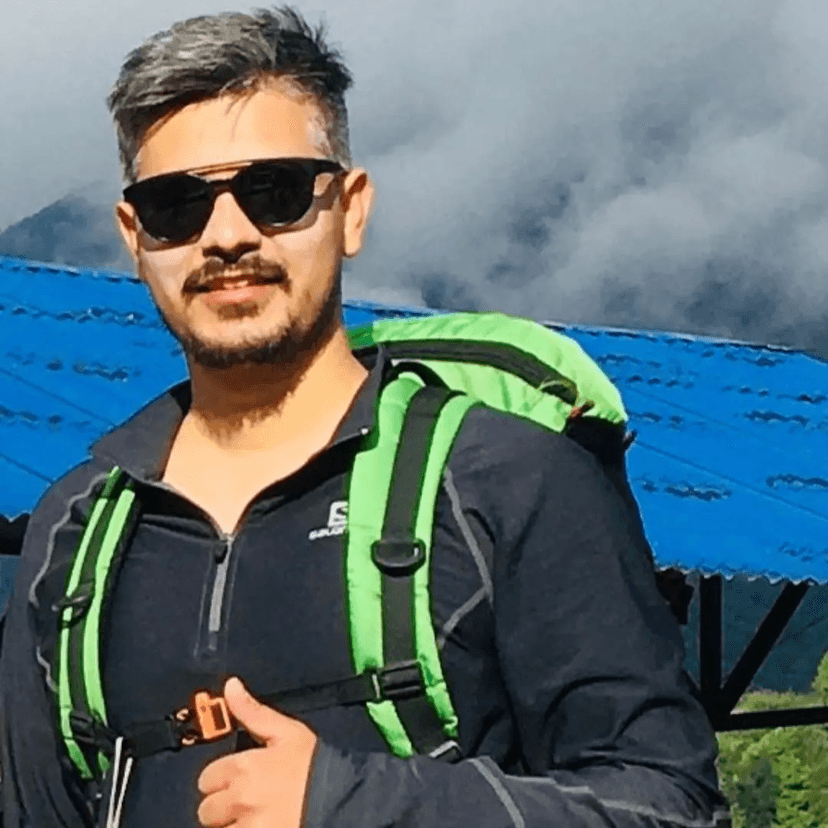
Amir Adhikari is the Founder and Trip Curator of Everest Thrill Trek and Expedition. With 10+ years of experience in Nepal’s competitive tourism sector, he is a recognized expert in designing safe, personalized, and high-thrill Himalayan itineraries. His dedication to responsible travel and creating authentic experiences has positioned Everest Thrill as a leading specialist for Everest, Annapurna, and off-the-beaten-path adventures.