Volunteer Tour in Nepal | Embrace Culture and Service
Table of Contents
- Dive Into Nepal's Soul: Volunteering Adventures
- Why Volunteering In Nepal Is Life-Changing
- Cultural Immersion
- Personal Development
- Significant Contributions
- Long-lasting Connections
- Adventure and Exploration
- Perspective and Gratitude
- Legacy and Inspiration
- What To Expect: Volunteering Anticipation
- Welcome Communities
- Various Volunteer Projects
- Basic Living Conditions
- Cultural Exchange
- Scenic Beauty
- Learning Opportunities
- Teamwork and Collaboration
- Adventure and Exploration
- Personal Growth
- Best Times to Volunteer in Nepal: Seasonal Insights
- Spring (March-May)
- Summer (June-August)
- Autumn (September-November)
- Winter (December–February)
- Considerations
- A Day In The Life Of A Volunteer In Nepal
- Morning
- Mid-Morning
- Late Morning to Afternoon
- Afternoon
- Evening
- Night
- Accommodation And Meals: Living Like A Local
- Accommodation
- Meals
- Safety and Comfort
- Cultural Immersion: Connecting With Nepali Communities
- Essentials Packing List For Volunteering In Nepal
- Clothing
- Footwear
- Personal Care
- Practical Gear
- Miscellaneous
- Navigating Volunteering Permits and Regulations
- Tourist Visa
- Working Visa
- Organization Affiliation
- Documents
- Regulations
- Safety Tips for Volunteering In Nepal
- Before You Go
- During Your Stay
- Personal Safety Tips
- Cultural Sensitivity
- Emergency Preparedness
- Environmental Awareness
- Reflections And Personal Growth: The Impact Of Volunteering In Nepal
- Volunteer's Testimonials: Stories From The Field
- Frequently Asked Questions About Volunteer Tour in Nepal
Dive Into Nepal's Soul: Volunteering Adventures
Volunteering in Nepal allows you to go beyond the conventional tourist experience and into the heart of the country.
This one-of-a-kind experience allows you to leave a lasting impression while immersing yourself in Nepal's rich culture, magnificent landscapes, and friendly hospitality.
Whether you teach in local schools, work on conservation projects, or support community development initiatives, your contributions will leave a lasting impression and generate true connections.
Why Volunteering In Nepal Is Life-Changing
Volunteering in Nepal provides a unique opportunity to significantly impact both the communities you serve and your personal development. Here's what makes this encounter truly life-changing:
Cultural Immersion
Volunteering allows you to live and work directly with locals, providing a rich cultural interaction beyond ordinary travel experiences. You will learn about Nepali customs, languages, and daily life firsthand.
Personal Development
Taking on new challenges and venturing outside of your comfort zone promotes considerable personal development. You'll develop resilience, adaptability, and empathy while obtaining a fresh perspective on life.
Significant Contributions
Your actions have a direct impact on local communities, whether you are educating, working on health projects, or participating in environmental protection. Seeing the tangible difference you make is extremely fulfilling.
Long-lasting Connections
Forming relationships with the individuals you encounter, both locals and fellow volunteers, fosters long-term friendships and a sense of global solidarity. These ties frequently last beyond your stay in Nepal.
Adventure and Exploration
Nepal's breathtaking landscapes, ranging from the Himalayas to verdant lowlands, offer unlimited options for adventure. Trips like trekking, sightseeing, and enjoying Nepal's natural beauty all add to the pleasure of your volunteering experience.
Perspective and Gratitude
Living in Nepal frequently increases one's appreciation for the simple things in life. You'll get a new perspective on your own life and learn to respect what's important.
Legacy and Inspiration
Your contributions leave a lasting impression, inspiring others to follow in your footsteps. Sharing your experiences can encourage friends, family, and readers to volunteer and make a difference.
Volunteering in Nepal is more than simply a travel experience; it is a transforming adventure that enriches both your life and the lives of the people you assist.
This experience will leave you with memories, talents, and views that will last a lifetime, reminding you of the power of giving and connecting.
What To Expect: Volunteering Anticipation
Volunteering in the Himalayas provides a unique and rewarding experience. Here is what you may expect during your journey:
Welcome Communities
Nepali communities are noted for their friendliness and kindness. Expect to be welcomed with wide arms and treated like a member of the family.
Various Volunteer Projects
Opportunities include teaching English, assisting with healthcare, environmental conservation, and community development. Choose a project that matches your talents and interests.
Basic Living Conditions
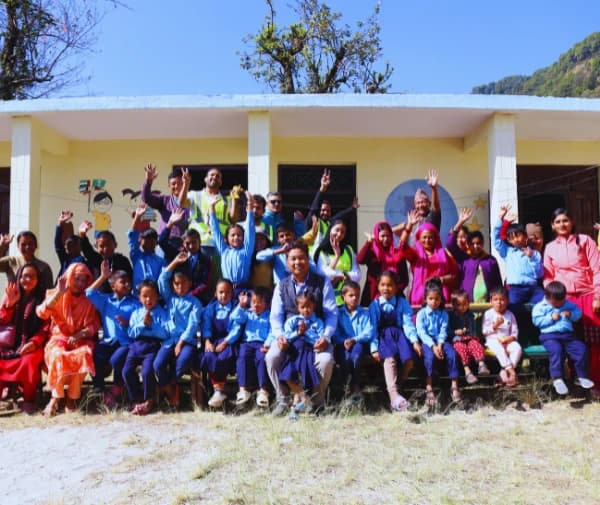
Accommodations are often basic, with many taking place in local homes or community centers. Prepare for modest amenities and a rural lifestyle, which contributes to the genuineness of the experience.
Cultural Exchange
You will get the opportunity to learn about and engage in local customs, festivals, and daily activities, obtaining a comprehensive grasp of Nepali culture and traditions.
Scenic Beauty
The Himalayan backdrop is spectacular, featuring stunning scenery, terraced crops, and lovely villages. Your volunteer spot will most likely provide breathtaking vistas and a tranquil setting.
Learning Opportunities
You'll learn new skills and knowledge, such as the Nepali language and local farming techniques or healthcare systems.
Teamwork and Collaboration
Expect to collaborate closely with fellow volunteers and local personnel. Collaboration and teamwork are essential to making a positive impact.
Adventure and Exploration
Make the most of your time in Nepal by exploring the region. Trekking, visiting temples, and attending local markets and festivals can all add excitement to your volunteering experience.
Personal Growth
Expect substantial personal growth as you face new difficulties, form relationships, and make a difference. The event is sure to broaden your viewpoint and enrich your life.
Volunteering in the Himalayas is a transforming experience that involves cultural immersion, stunning beauty, and meaningful labor. While it can be difficult, the benefits are enormous, including personal development and amazing memories.
Best Times to Volunteer in Nepal: Seasonal Insights
Choosing the ideal time to volunteer in Nepal might considerably improve your experience. Below is the information about the ideal seasons for volunteering.
Spring (March-May)
- Weather: Warm temps, flowering flowers, and clear skies.
- Activity: Perfect for outdoor projects and cultural celebrations such as Holi and Nepali New Year (Nepal Sambat).
Summer (June-August)
- Weather: The monsoon season brings strong rains, luxuriant foliage, and the odd flood.
- Activities: Ideal for indoor projects or volunteering in the healthcare and education fields.
Autumn (September-November)
- Weather: Clear skies, mild temperatures, and breathtaking mountain vistas after the rain.
- Activity: Ideal for outdoor activities, treks, and cultural immersion. This season coincides with major holidays such as Dashain and Tihar.
Winter (December–February)
- Weather: Cold temperatures, particularly at higher elevations, with occasional snowfall.
- Activities: Ideal for indoor projects or volunteering in low-altitude areas. Christmas and Losar (Tibetan New Year) are celebrated.
Considerations
- Project Requirements: Certain projects may have seasonal needs, such as agricultural initiatives during planting or harvesting seasons.
- Personal Preferences: Select a season that matches your tolerance for weather conditions and chosen hobbies.
Every season in Nepal has distinct volunteer possibilities, whether you enjoy exciting festivals, trekking through breathtaking terrain, or cultural immersion. When planning your volunteer experience, consider your interests and project requirements.
A Day In The Life Of A Volunteer In Nepal
A typical day as a volunteer in Nepal includes new difficulties, connections, and memorable moments:
Morning
- Rise and Shine: Begin your day early to enjoy the peaceful morning calm.
- Breakfast: Share a hearty Nepalese breakfast with your host family or other volunteers.
Mid-Morning
- Project Preparation: Visit your project site, such as a school, healthcare center, or conservation area.
- Orientation: Be briefed on the day's tasks and objectives.
Late Morning to Afternoon
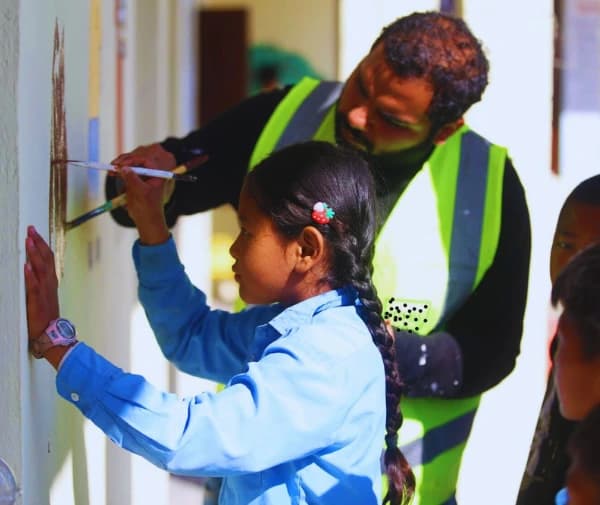
- Hands-On Work: Perform given activities, such as teaching, assisting in healthcare, or conservation initiatives.
- Lunch Break: Pause to refuel with a local meal, which is often shared with community residents or fellow volunteers.
Afternoon
- Continued Projects: Apply what you've learned and contribute to current endeavors.
- Community Interaction: Engage with locals, form relationships, and learn about their daily life.
Evening
- Wrap-up: Discuss the day's successes and issues with your team or project leaders.
- Cultural Activities: Take part in cultural exchanges, language practice, or local festivals.
Night
- Dinner and Relaxation: Share a traditional meal with your host family or volunteers.
- Free Time: Spend your evening exploring local sites, socializing, or relaxing and unwinding.
Every day as a volunteer in Nepal is filled with meaningful encounters, personal development, and community service. Embrace the experience fully as you immerse yourself in Nepali culture and leave a lasting impression with your determined efforts.
Accommodation And Meals: Living Like A Local
Living arrangements and meals during your volunteer stay in Nepal are critical to boost cultural immersion and overall comfort. Here's what you may expect:
Accommodation
- Homestays: Volunteers often stay with local families for a real experience of Nepali living.
- Community Centers: Certain projects provide shared housing in community centers or volunteer houses.
- Basic Amenities: Expect basic living conditions, including power, running water, and communal bathrooms.
Meals
- Traditional Cuisine: Enjoy tasty Nepali meals made with locally obtained ingredients that accentuate regional flavors.
- Family Meals: Meals are frequently shared with your host family or other volunteers, which promotes friendship and cultural exchange.
- Vegan Options: Nepali food is mostly vegetarian, making it suited for various dietary preferences.
Safety and Comfort
- Supportive Environment: Our host families and project coordinators prioritize your safety and comfort during your stay.
- Local Guidance: Get help understanding local norms, transit alternatives, and emergency contacts.
Living as a local in Nepal through homestays and shared housing enhances the volunteer experience. Accept the warmth, cuisine, and cultural immersion as you contribute to worthwhile causes and form long-lasting ties within the community.
Cultural Immersion: Connecting With Nepali Communities
Volunteering in Nepal offers a rich cultural experience in which volunteers can become fully involved in local traditions and daily life.
Participating in festivals like Dashain and Tihar provides insight into Nepali customs and rituals, as well as opportunities to form important connections with the community.
Learning basic Nepali words and sharing daily routines with host families strengthens cultural immersion, allowing volunteers to appreciate and respect local traditions firsthand.
Exploring local arts, crafts, and workshops enriches the experience by allowing visitors to learn traditional skills and gain an understanding of Nepal's varied artistic legacy.
Volunteers who actively participate in community projects and demonstrate cultural awareness not only help local development but also foster long-term relationships based on mutual respect and shared experiences.
This immersion goes beyond volunteering; it becomes a transformative journey of cultural exchange and personal growth for both volunteers and the communities they support.
Essentials Packing List For Volunteering In Nepal
To ensure comfort, safety, and effectiveness throughout your volunteer experience in Nepal, you must carefully examine several important factors. A complete packing list is provided to assist you:
Clothing
- Comfortable Clothing: Choose lightweight, breathable clothing for warm days and cool evenings.
- Rain Gear: Bring a waterproof jacket or poncho, especially if you're volunteering during monsoon season.
- Layered Clothing: Warm layers for higher elevations or colder weather.
- Modest Attire: Respect local norms by wearing modest attire that covers your shoulders and knees, particularly in rural areas.
Footwear
- Comfortable Walking Shoes: Choose sturdy and comfortable shoes for uneven terrain and volunteer activities.
- Flip-flops or Sandals: For showering or lounging in warm weather.
Personal Care
- Toiletries: Travel-sized toiletries, including soap, shampoo, toothpaste, and sunscreen.
- Medications: Bring any medications you may need, as well as a basic first-aid kit.
- Insect Repellent: Protect against mosquitoes and other insects, particularly in rural areas.
Practical Gear
- Daypack or Bag: Holds everyday basics, water bottle, and snacks.
- Flashlight or Headlamp: Ideal for places with limited electricity or evening activities.
- Travel Adapter: Check for compatibility with Nepali power outlets.
Miscellaneous
- Local Currency: Bring enough cash for emergencies and personal costs, as ATMs may not be commonly available in isolated places.
- Travel Documents: Passport, visa (if applicable), and copies of key documents (securely maintained).
Packing mindfully prepares you for the many conditions and cultural intricacies of volunteering in Nepal. Make your packing list according to the place and season you'll be volunteering in, ensuring you have everything you need for a comfortable and memorable experience.
Navigating Volunteering Permits and Regulations
Navigating volunteer permits and laws in Nepal is critical to ensuring a positive and legal experience. Following are what you should know.
Tourist Visa
- Most volunteers enter Nepal on a tourist visa. It permits unpaid volunteer labor organized by recognized groups.
Working Visa
- If your volunteer job is paid or goes beyond standard volunteer tasks, you may need a work visa sponsored by a Nepali organization.
Organization Affiliation
- Collaborate with a certified volunteer organization in Nepal.
- Request a letter from your organization outlining your stay and activities.
Documents
- Gather photographs, a visa form, and verification of travel arrangements.
Regulations
- Duration: Tourist visas usually allow up to 150 days per year.
Work Limitations: Avoid paid work and stick to volunteer activities permitted by your visa.
- To apply for a visa, visit a Nepali embassy or arrive at Kathmandu's airport.
Understanding these processes assures a lawful and rewarding volunteer experience in Nepal, which benefits both you and the local community.
Safety Tips for Volunteering In Nepal
Safety is of the utmost importance when volunteering in Nepal. Here are crucial suggestions to help you stay safe and have a pleasant experience:
Before You Go
- Do Your Research Learn about the local customs, regulations, and potential risks in the place where you will be volunteering.
- Health Preparedness: Visit a doctor for any essential immunizations and prescriptions. Consider getting travel insurance that covers medical emergencies and evacuations.
During Your Stay
- Stay Informed: Stay informed about local news and weather conditions. Follow any travel advisories issued by your embassy or the appropriate authorities.
- Communication: Share your itinerary and contact information with trusted people at home and your volunteer group.
Personal Safety Tips
- Travel in Groups: When possible, travel with other volunteers or trusted locals, especially in unfamiliar or rural areas.
- Use Reliable Transportation: Select registered taxis or vehicles recommended by your volunteer organization. Avoid traveling alone at night.
Cultural Sensitivity
- Respect local customs by dressing modestly and politely, particularly in religious or conservative communities.
- Language Awareness: Learn simple Nepali words to improve conversation and demonstrate respect for the local culture.
Emergency Preparedness
- Emergency Contacts: Maintain a list of emergency contacts, including local authorities and your embassy/consulate.
- The First Aid Kit: Carry a basic first-aid kit, including the necessary supplies for minor injuries or illnesses.
Environmental Awareness
- Natural Hazards: Be mindful of probable natural disasters such as earthquakes, landslides, and flooding.
- Follow the safety standards recommended by the local authorities.
While volunteering in Nepal provides chances for personal growth and cultural exchange, it's important to take safety precautions to have a great experience. By using these measures, you can effectively contribute to your volunteer project while having a rewarding and safe stay in Nepal.
Reflections And Personal Growth: The Impact Of Volunteering In Nepal
Volunteering in Nepal is a thrilling experience of personal development and cultural immersion. Every day brings new challenges and opportunities, whether you're teaching English in distant villages or supporting healthcare projects in bustling cities.
Aside from making a concrete difference via education and community development, volunteering helps you to form strong ties with local traditions and people, providing a comprehensive grasp of Nepal's unique cultural landscape.
It's an adventure that broadens your perspectives, reveals hidden strengths, and leaves lasting memories that cross countries and languages.
Every moment spent trekking in the Himalayas or eating meals with Nepali families benefits both the communities you serve and your journey of self-discovery and global participation.
Volunteer's Testimonials: Stories From The Field
Volunteer stories from Nepal describe profound personal and cultural developments. Volunteers frequently share heartfelt experiences of the connections they made with local communities and the impact of their contributions.
Volunteers describe experiences that go beyond basic service, whether they are teaching English, providing healthcare support, or working to conserve the environment. They discuss reciprocal learning, resilience, and the strength of shared humanity beyond geographical and cultural divides.
These examples illustrate not just the physical benefits of volunteering, such as increased education, healthcare access, and environmental protection, but also the intangible rewards of personal development and global citizenship. Each testimony describes the volunteer's path of discovery as well as the long-term impact they have on the communities they serve.
Volunteering in Nepal is portrayed in these accounts as more than just an act of service, but as a transforming experience that benefits both volunteers and local Nepali communities by promoting understanding and unity across varied backgrounds.
Frequently Asked Questions About Volunteer Tour in Nepal
Planning a Volunteer Trip To Learn And Support Communities? Contact Us For Customized Volunteer Trip Programs As Per Your Interest. We Are More Than Happy To Assist You.
About Author
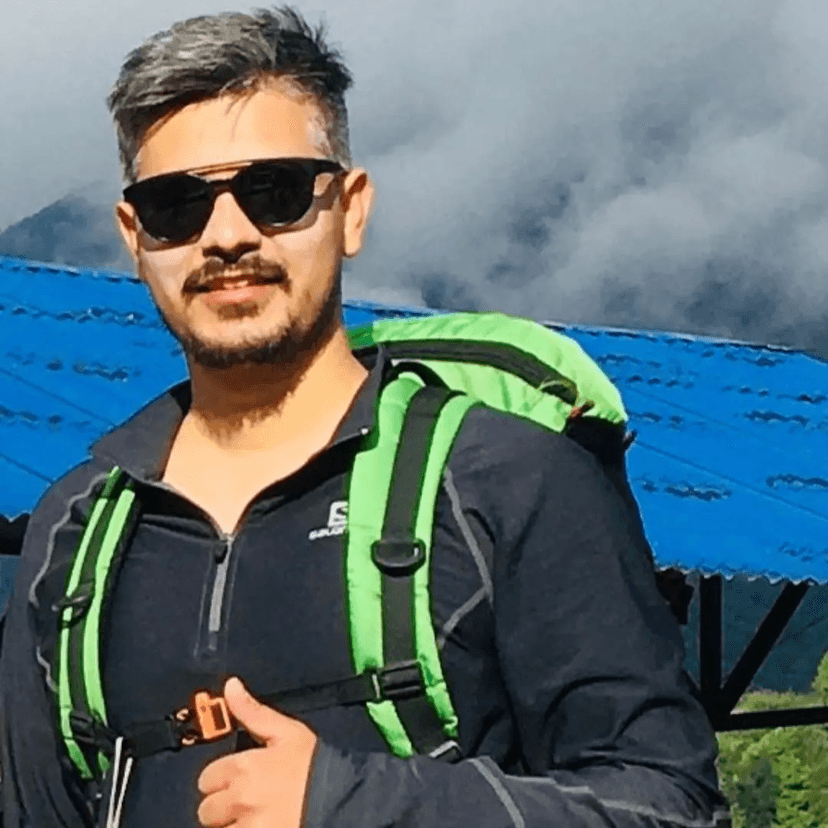
Amir Adhikari is the Founder and Trip Curator of Everest Thrill Trek and Expedition. With 10+ years of experience in Nepal’s competitive tourism sector, he is a recognized expert in designing safe, personalized, and high-thrill Himalayan itineraries. His dedication to responsible travel and creating authentic experiences has positioned Everest Thrill as a leading specialist for Everest, Annapurna, and off-the-beaten-path adventures.