Hire a Trekking Guide or Porter in Nepal | Cost, Roles & How to Choose
Table of Contents
- Guide, Porter, or Both: What Do You Actually Need?
- Choose a Trekking Guide If You Need Someone to Manage the Trek
- Choose a Porter If Your Main Problem Is Your Backpack
- Choose a Porter-Guide for a Smaller Level of Support
- Choose Both for More Demanding Treks
- Do You Need a Guide for Trekking in Nepal?
- How Much Does It Cost to Hire a Guide or Porter in Nepal?
- Ask What the Daily Rate Includes
- What About Tips?
- What Does a Trekking Guide Do Each Day?
- Before the Trek
- During the Trek
- If You Become Unwell
- What Does a Porter Do?
- How Much Should a Porter Carry?
- What Is the Difference Between a Guide and a Porter?
- Which Treks Usually Need More Support?
- Everest Base Camp
- Annapurna Circuit
- Langtang Valley
- Manaslu Circuit
- Upper Mustang
- Dolpo and Kanchenjunga
- What If the Trek Does Not Go According to Plan?
- Bad Weather
- Altitude Problems
- Flight or Transport Delays
- An Extra Trekking Day
- Emergency Evacuation
- How Should a Trekking Agency Treat Its Guides and Porters?
- How to Choose a Guide or Porter in Nepal
- What Should You Confirm Before Paying?
- Should You Hire a Guide or Porter Before Arriving in Nepal?
- How to Hire a Guide or Porter With Everest Thrill
- Going To Hire Independent Guides Or Porters? The Risk Of Hiring Independently
- Frequently Asked Questions
- Do I need a guide to trek in Nepal?
- Can I hire only a porter?
- What is a porter-guide?
- How much does a trekking guide cost in Nepal?
- How much does a porter cost in Nepal?
- How much luggage can a porter carry?
- Are guide and porter costs inclusive of food and accommodation?
- Should I tip my guide and porter?
- Can I request a particular guide?
- Hire the Right Trekking Support for Your Nepal Trip
If you are planning a trek in Nepal, one of the first practical decisions is whether to hire a guide, a porter, or both.
The answer depends on your route, trekking experience, luggage, and the level of support you want during the walk.
For many trekking routes, foreign trekkers are required to travel with a licensed guide and make the required TIMS arrangements. The exact rules depend on the trekking area, so check the requirements for your particular route before travelling.
If a guide is required, hiring one through a registered trekking agency also gives you someone responsible for the arrangements behind your trek. A porter, meanwhile, is mainly there to carry your luggage and reduce the weight you have to walk with.
Guide, Porter, or Both: What Do You Actually Need?
You do not need to hire a full trekking team simply because you are visiting Nepal.
Think about what you actually need help with.
Choose a Trekking Guide If You Need Someone to Manage the Trek
A guide is responsible for more than showing you the trail.
Depending on the trek, a guide can:
- Navigate the route
- Check trail and weather conditions
- Help organize accommodation
- Manage the day's walking plan
- Communicate with lodge owners and local people
- Recognize signs of altitude-related problems
- Help coordinate assistance when a trekker becomes ill or injured
- Explain local customs, villages, monasteries, and places along the route
This becomes more important when the route is remote, the weather is unpredictable, or the itinerary involves significant altitude gain.
Choose a Porter If Your Main Problem Is Your Backpack
A porter is a practical choice when you are comfortable following the route but do not want to carry your full trekking luggage.
You normally keep a small daypack with things you need during the walk while the porter carries your main bag.
This is particularly useful on long uphill days. Carrying 8-10 kg yourself can feel very different from carrying 15-20 kg, especially as the altitude increases.
A porter is not a replacement for a licensed guide where the route requires one.
Choose a Porter-Guide for a Smaller Level of Support
A porter-guide can combine luggage carrying with basic guiding assistance.
This arrangement can work for trekkers who want someone familiar with the route while keeping the overall service simpler than hiring a separate guide and porter.
However, ask exactly what the person will do before booking. “Porter-guide” does not always mean the same level of guiding service as that offered by a dedicated trekking guide.
Choose Both for More Demanding Treks
A guide and porter together make sense when:
- You are trekking at higher altitude
- You are carrying substantial equipment
- You want someone managing the route and accommodation
- You are travelling with family or a mixed-ability group
- You are going into a remote or restricted trekking area
- You do not want luggage to affect your walking pace
The decision should be based on the trek rather than on what another traveler has chosen.
Do You Need a Guide for Trekking in Nepal?
There is no single answer for every trekking route.
Current regulations require foreign trekkers to use licensed guides and follow the applicable TIMS requirements on many designated routes. The requirements are different from simply saying that every trek in Nepal requires a guide.
This is why you should check your exact itinerary before booking flights or accommodation.
There is also a practical reason to have a guide even beyond the regulations.
A trail that looks straightforward on a map can become less obvious after bad weather, a landslide, construction, or a change in the usual route. Your guide can also adjust the day's plan when a trekker is struggling with altitude or when weather makes continuing unsafe.
The value of a guide is therefore not just knowing where the trail goes. It is having someone experienced enough to decide what to do when the original plan no longer works.
How Much Does It Cost to Hire a Guide or Porter in Nepal?
Guide and porter prices vary according to the trekking region, route difficulty, season, experience, and what the agency includes.
For planning purposes, you may see rates around:
| Service | Approximate Daily Cost (Per Person) |
|---|---|
| Trekking guide | $25-45/day |
| Porter | $20-30/day |
| Porter-guide | $25-35/day |
Remote routes and restricted areas can cost more.
These figures should be treated as planning ranges rather than fixed national rates.
Ask What the Daily Rate Includes
Before comparing prices, ask whether the quoted amount includes:
- Staff wages
- Food
- Accommodation
- Insurance
- Transportation related to the trek
- Permits or other staff-related arrangements
Two agencies can quote different daily rates while providing essentially the same service once all costs are included.
A cheap headline price is not necessarily cheaper at the end.
What About Tips?
Tipping is customary in Nepal's trekking industry and is normally given at the end of the trek.
The amount should depend on the length of the trek and the quality of service. Your agency can explain the current local practice before departure.
What Does a Trekking Guide Do Each Day?
The guide's work starts before you reach the trail.
Before the Trek
Your guide should help confirm:
- Transportation
- Accommodation plan
- Gear check and recommended equipment
- Daily walking distances
- Altitude gain
- Meeting arrangements
A good pre-trek discussion also gives you an opportunity to explain your walking speed, previous experience, dietary needs, and any concerns about altitude.
During the Trek
On the trail, the guide manages the practical side of the day.
They may adjust the walking pace, select suitable stopping points, communicate with lodges, and keep track of the next day's plan.
If the original plan becomes impractical, the guide should explain the available options rather than simply continuing because the itinerary says so.
If You Become Unwell
Altitude problems should never be ignored.
A guide can recognize warning signs, assess the situation, and help arrange the appropriate response. Depending on the circumstances, that may mean stopping for the day, descending, contacting the agency, or arranging further assistance.
A guide is not a substitute for medical treatment, which is why suitable travel insurance remains important.
What Does a Porter Do?
The porter's job is mainly to carry your agreed luggage.
You should normally keep your important personal items and anything needed during the day's walk in your own daypack.
That can include:
- Passport and money
- Water
- Medication
- Phone and camera
- Snacks
- Rain jacket
- Warm layer
- Other personal essentials
Your larger bag can travel with the porter.
The arrangement should be clear before the trek starts, including the size and weight of the luggage.
How Much Should a Porter Carry?
This is an important question to ask before hiring a porter.
A practical load is often around 20-25 kg, depending on the route, altitude, porter, and arrangement.
The maximum possible weight should not be the target.
A porter may carry your luggage for several hours over steep terrain and at considerable altitude. A responsible trekking operator should consider the person's workload, the length of the day, and the conditions of the route.
At Everest Thrill, we believe luggage should be packed around a reasonable working load rather than asking a porter to carry everything a traveller happens to bring.
If your luggage is too heavy, the better solution is to reduce the load or arrange additional porter support.
What Is the Difference Between a Guide and a Porter?
The simplest way to look at it is:
| Guide | Porter | Porter-guide | |
|---|---|---|---|
| Leads the route | Yes | No | Depending on arrangement |
| Carries main luggage | No | Yes | Yes |
| Manage daily logistics | Yes | No | Limited |
| Help with local communication | Yes | Sometimes | Yes |
| Provide cultural information | Yes | Limited | Basic |
| Best for | Full trekking support | Luggage carrying | Simpler trekking support |
If you are unsure which option suits your trek, tell the agency your route, experience, group size, and luggage rather than simply asking for the cheapest option.
Which Treks Usually Need More Support?
The amount of support that makes sense changes considerably between trekking areas.
Everest Base Camp
The route involves significant altitude gain and several long walking days. A licensed guide is required under current requirements, while a porter can carry your main luggage.
For more information, see our private 14 days Everest Base Camp Trek package page.
Annapurna Circuit
The route covers varied terrain and includes substantial elevation changes. A guide is required under current requirements, while porter support can make the longer walking days easier.
See our Annapurna Circuit Trek package guide for route details.
Langtang Valley
Langtang is closer to Kathmandu than many Himalayan trekking areas, but that does not remove the need to prepare properly for altitude and changing mountain conditions.
For current route information, see our Langtang Valley Trek package page.
Manaslu Circuit
Manaslu is a more remote and regulated trekking area. Permit requirements and route logistics make professional trekking support particularly important.
Read our Manaslu Circuit Trek package before planning the trek.
Upper Mustang
Upper Mustang is a restricted trekking area with specific permit and guide requirements. Independent arrangements that might work on simpler routes are not appropriate here.
Learn more through our Upper Mustang Trek information.
Dolpo and Kanchenjunga
These areas have fewer facilities and longer stretches between settlements. Experience with remote trekking logistics becomes much more important than simply finding someone to carry a bag.
For these routes, please ask your agency about the guide's previous experience in the specific region, or review our Kanchejunga Base Camp Trek Package for details.
What If the Trek Does Not Go According to Plan?
This is one of the questions travellers often forget to ask before booking.
Bad Weather
Flights, trails, and passes can be affected by weather.
Your guide or agency should explain what alternatives are available rather than leaving you to make arrangements alone.
Altitude Problems
If someone is not adapting well to altitude, the planned itinerary may need to change.
A responsible guide should prioritize the trekker's condition over completing the original schedule.
Flight or Transport Delays
A delayed flight to or from a trekking region can affect the itinerary.
Ask your agency how they handle additional accommodation, transportation, or trekking days when delays occur.
An Extra Trekking Day
Find out in advance whether an additional day means an extra guide or porter charge and what other costs may apply.
Emergency Evacuation
Your guide and agency can help coordinate the response, but your travel insurance should cover the relevant medical and evacuation costs.
Do not assume that hiring a guide automatically includes helicopter evacuation or medical expenses.
How Should a Trekking Agency Treat Its Guides and Porters?
The price and service are only part of the decision.
The people working on your trek also need appropriate food, accommodation, insurance, equipment, wages, and reasonable working conditions.
At Everest Thrill, our trekking arrangements include:
- Experienced and appropriately licensed guides
- Insurance coverage for trekking staff
- Food and accommodation arrangements
- Fair wages
- Reasonable luggage loads
- Local staff familiar with the trekking regions
- English-speaking guides for international trekkers
If an agency cannot clearly explain how its guides and porters are looked after, ask questions before booking.
Responsible trekking should apply to the people working behind the trip as well as the traveller.
How to Choose a Guide or Porter in Nepal
Do not choose solely on the lowest daily price.
Before confirming your booking, ask:
- Who will be my actual guide or porter?
- Is the guide licensed for my trekking route?
- How much experience does the guide have on this particular route?
- What is included in the daily rate?
- Who pays for food and accommodation?
- How much luggage will the porter carry?
- Are staff insured?
- What happens if the assigned guide becomes unavailable?
- What happens if I need another trekking day?
- Can I speak with the guide before departure?
The answers will tell you much more about an operator than a list of claims on a website.
What Should You Confirm Before Paying?
Get the important details in writing.
Confirm:
- Trekking route
- Trekking dates
- Number of trekkers
- Type of trekking staff
- Daily price
- Included expenses
- Porter luggage allowance
- Insurance arrangements
- Additional-day charges
- Cancellation conditions
- Emergency arrangements
- Meeting point
- Contact person
This takes only a few minutes and can prevent disagreements once you are on the trail.
Should You Hire a Guide or Porter Before Arriving in Nepal?
For popular trekking seasons, remote routes, and treks where a licensed guide is required, arranging your trekking staff before arrival is usually the sensible option.
You know who you are meeting, what you are paying, and what service you are receiving.
It also gives the agency time to arrange the correct permits, transportation, accommodation, and staff for your itinerary.
If you are already in Nepal, you can still discuss your options with a registered trekking agency before making a decision.
How to Hire a Guide or Porter With Everest Thrill
The process is straightforward.
- Tell Us Your Trek and Dates: Send us your intended route and travel dates.
- Tell Us About Your Group: Let us know the number of trekkers, your experience level, and the approximate weight of your luggage.
- Tell Us What Support You Want: Choose between a guide, porter, porter-guide, or guide and porter combination.
- We Match the Trekking Staff: We consider your route, walking pace, experience, and preferences when selecting the appropriate staff.
- Confirm the Arrangement: We explain the price, inclusions, responsibilities, and meeting arrangements before you make the booking.
Our packages already include a guide and a porter. Normally, we organize private trips and assign 1 guide for groups of up to 5 people and 1 porter for 2 hikers. For enquiries, contact Everest Thrill at info@everetthrills.com or WhatsApp +977-984-1651152.
Going To Hire Independent Guides Or Porters? The Risk Of Hiring Independently
Getting a guide or porter directly to work from an uncertified place or simply from roads or tea houses can seem cheaper; however, it comes with many risks, especially in a country like Nepal, where terrain, height, and weather can be unpredictable.
- Independent hiring may not be government-certified.
- They may lack knowledge about first aid support or altitude sickness.
- In emergencies, untrained help can cause major problems.
- Most freelance guides/porters do not have insurance. If they become ill or injured during the trip, you may be responsible for their treatment or withdrawal.
- No guarantee of experience or honesty. You cannot always confirm their previous trekking experience.
- Some may misrepresent their skills or overcharge during the mid-trial. In rare cases, theft may occur or be abandoned.
- Due to no companies behind them, there is no replacement option if your guide gets sick or fails to show up.
- Logistic problems, such as last-minute cancellations or misunderstandings, are difficult to solve.
Frequently Asked Questions
Do I need a guide to trek in Nepal?
For many designated trekking routes, foreign trekkers must travel with a licensed guide and follow the applicable TIMS requirements. The exact rules depend on the route, so check your particular trek before departure.
Can I hire only a porter?
Yes, where the route regulations permit it. A porter primarily carries luggage and should not be considered a replacement for a licensed guide where a guide is required.
What is a porter-guide?
A porter-guide combines luggage carrying with basic guiding assistance. The exact service varies, so confirm the person's responsibilities before booking.
How much does a trekking guide cost in Nepal?
A practical planning range is around US$25-45 per day. Remote routes, experienced guides, and arrangements with additional inclusions may cost more.
How much does a porter cost in Nepal?
Porter rates commonly fall around US$20-30 per day, depending on the route, season, and arrangement.
How much luggage can a porter carry?
A reasonable working range is often around 20-25 kg, but the appropriate load depends on the route and conditions. Confirm the load with your trekking agency before departure.
Are guide and porter costs inclusive of food and accommodation?
Not always. Ask specifically whether food, accommodation, insurance, transportation, and other expenses are included in the quoted rate. However, our package includes the mentioned things.
Should I tip my guide and porter?
Tipping is customary but discretionary. Consider the quality and length of service when deciding the amount.
Can I request a particular guide?
Yes. If you have preferences regarding language, experience, previous route knowledge, or communication style, tell the agency before booking.
Hire the Right Trekking Support for Your Nepal Trip
You do not necessarily need the most expensive trekking arrangement.
If your main concern is carrying luggage, hire a porter. If you need someone to manage the route and daily logistics, hire a guide. If you are travelling on a demanding or remote route, having both can be the more practical choice.
The important thing is to know what you are paying for, who will accompany you, how the staff will be treated, and what happens when the plan changes.
If you already know your trekking route and dates, contact Everest Thrill with those details. We can recommend the appropriate guide or porter arrangement and explain the cost before you book.
About Author
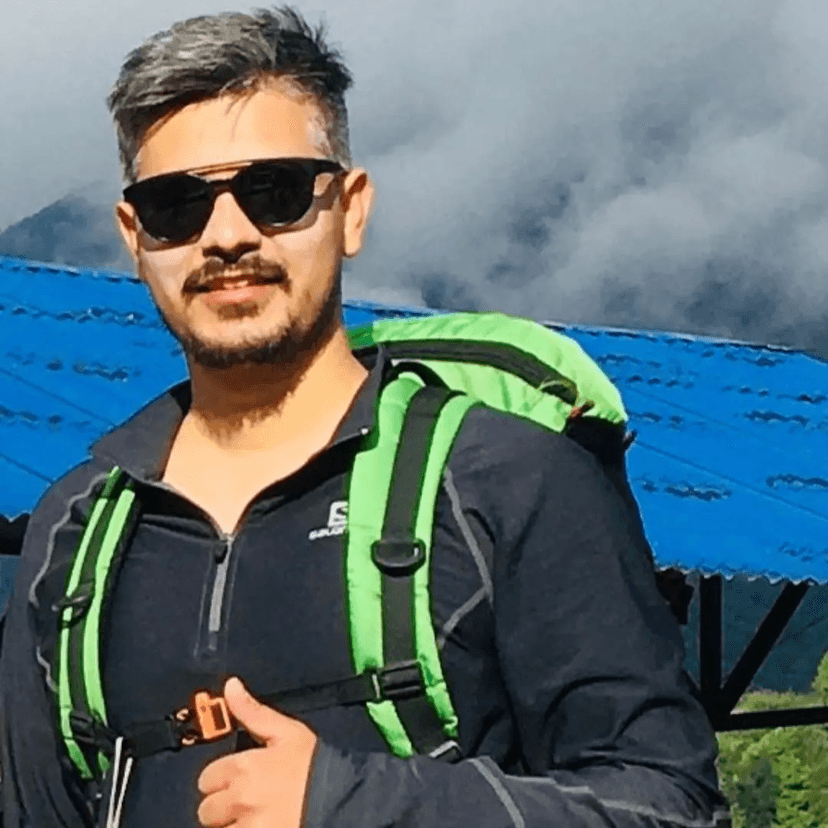
Amir Adhikari is the Founder and Trip Curator of Everest Thrill Trek and Expedition. With 10+ years of experience in Nepal’s competitive tourism sector, he is a recognized expert in designing safe, personalized, and high-thrill Himalayan itineraries. His dedication to responsible travel and creating authentic experiences has positioned Everest Thrill as a leading specialist for Everest, Annapurna, and off-the-beaten-path adventures.