Nepal Travel Guide | Expert Tips and Information 2026/27
Table of Contents
- Welcome to Nepal - A Land Of Wonders
- Dream Trip Ideas - From Relaxed Tours to Extreme Adventures
- Relaxation and Cultural tourism (light and comfortable)
- Trekking and Hiking (Challenge yourself)
- Extreme Adventures and Campaigns
- Culture And Festivals - Dive Into The Lively Legacy Of Nepal
- Land of old Temples and Traditions
- Festivals that bring Nepal to life
- Respecting Nepalese Traditions as a Traveler
- A Culinary Journey - Savor The Flavors Of Nepal
- Nepali Recipes you should try
- Street Food and Local Drinks
- Where should I eat in Nepal?
- Getting Around - Knowing The Transport System
- Local Flights: Soaring over the Himalayas
- Public Transport: Travel as a local
- Private Transport: Relaxing and Stylish Journeys
- Where Are You Staying - Find Your Comfort
- Luxury Hotels and Resorts
- Mid-Range Hotels and Guest Houses
- Live within Budget- Save for Exploration
- Homestay - Live as a Local
- Popular Homestay Destination
- Travel Essentials - Know Before You Go!
- Visa Requirements
- Travel Insurance – Must for each traveler
- Trekking permission to restricted areas
- Currency and payment
- When To Visit Nepal - Plan The Perfect Trip!
- Spring (March, April, and May): Best for trekking and blooming nature
- Summer/Monsoon (June, July, and August) - Greenery and Low Crowd
- Autumn (September, October, and November) – Top season and perfect weather
- Winter (December, January, and February) - Icy Peaks and Peaceful Journeys
- Last Idea - when are you going?
- Why Choose Everest Thrill? - Your Trusted Nepal Travel Partner
- Conclusion - Nepal Is Waiting!
Welcome to Nepal - A Land Of Wonders
Between China and India, a paradise known as Nepal lies, where travelers seeking adventure, tradition, and natural beauty experience an excursion like no other.
Being home to the world's highest peak, Mount Everest, and rich with ancient temples, lush jungles, and welcoming locals, this nation offers a totally memorable stay for every kind of visitor.
Whether you’re an adrenaline junkie dreaming of hiking within the Himalayas, a cultural lover eager to discover centuries-old historical sites, or a foodie geared up to take pleasure in local Nepali cuisine, this diverse country has something special for you.
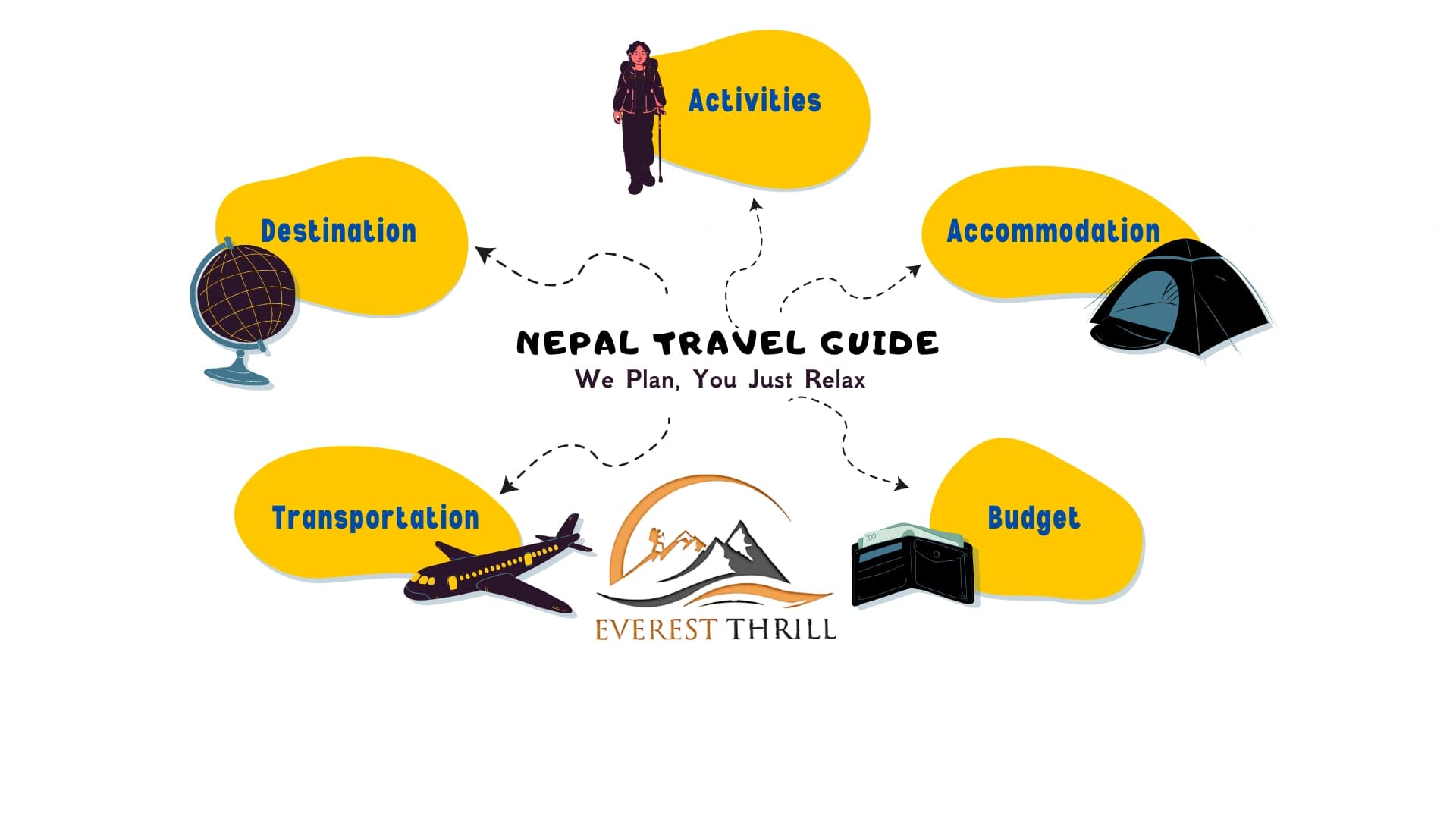
Are you looking for a personalized Nepal Travel Package? Our expert and experienced adventure professionals are here to guide you through each step of your trip planning. For expert free trip consultation, Contact Us.
Dream Trip Ideas - From Relaxed Tours to Extreme Adventures
Nepal is a dream goal for all types of travelers - whether you are looking for a comfortable cultural trip or an exciting adventure in the Himalayas. Here are some fantastic travel ideas that are equivalent to different travel categories.
Relaxation and Cultural tourism (light and comfortable)
Perfect for those who want to see Nepal's heritage, nature, and culture comfortably.
Heritage and City Tour (4-7 days)
Explore UNESCO-listed cultural heritage sites in Kathmandu Valley (Swayambhunath, Pashupatinath, and Bhaktapur Durbar Square).
- Recommended Trip: Kathmandu Day Tour
Take a beautiful drive to Bandipur or Ghandruk, an attractive Hill City with fantastic scenes.
- Recommended Trip: Ghandruk Tour
Experience Lumbini, Buddha's birthplace, and spiritual peace.
Nature and Wildlife Safari (4-8 days)
Go to a jungle safari in the Chitwan National Park and look out for one-horn rhinos, elephants, and even Bengal tigers.
- Recommended Trip: Kathmandu Chitwan Tour, Kathmandu Pokhara Chitwan Tour
Exploring Bardia National Park rewards you with wildlife experiences on an off-beaten path.
Relax on a boat trip on the tranquil Fewa Lake of Pokhara, enjoying the view of the famous Machhapuchhre.
- Recommended Trip: Kathmandu Pokhara Tour
Trekking and Hiking (Challenge yourself)
If you love the mountains, Nepal has the most breathtaking trails in the world.
Short and Scenic Trek (3-8 days)
Ghorepani Poon Hill Trek - a small but fantastic trek with panoramic views of Annapurna and Dhaulagiri.
- Recommended Trip: Poon Hill Trek
Langtang Valley Trek - Beautiful Alpine scenes and a less crowded trip through Tibetan-touched villages.
- Recommended Trip: Langtang Valley Trek
Dhulikhel hike from Nagarkot - a relaxing hike near Kathmandu with incredible sunrise views over the Himalayas.
- Recommended Trip: Chisapani Nagarkot Hike
Classic Treks: 10-20 days in high altitude
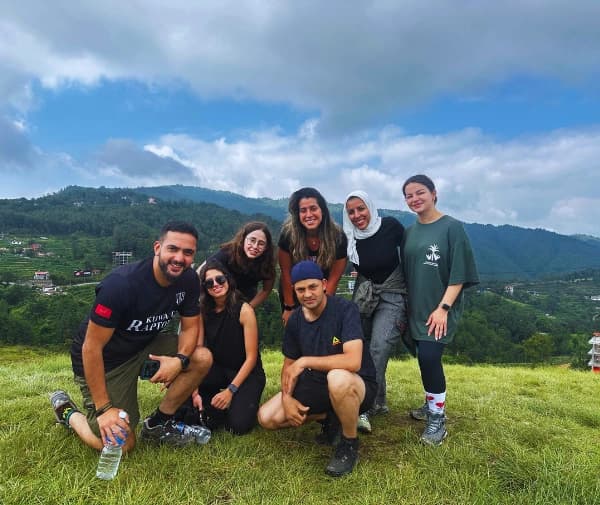
Everest Base Camp Trek (EBC) – Provides an opportunity to walk in the footsteps of historical mountaineers, witnessing jaw-dropping views of the Himalayas.
- Recommended Trip: 14-day Everest Base Camp Trek, EBC Trek with Heli Return
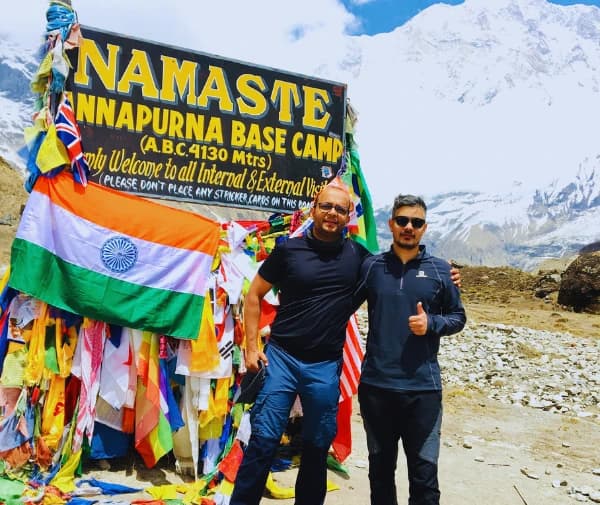
Annapurna Base Camp and Circuit Trek - A diverse trek crossing the high mountain passes and lush valleys.
- Recommended Trip: Annapurna Base Camp Trek, Annapurna Circuit Trek
Mansalu Circuit Trek - A Remote and challenging trek, perfect for adventurers.
- Recommended Trip: Manaslu Circuit Trek
Extreme Adventures and Campaigns
For daring adventurers looking for Nepal for a thrilling experience, these electrifying adventures and sports activities are a must-try.
Adventure Sports and Activities
- Paragliding in Pokhara - Soar over Fewa Lake with a bird's-eye view of the Himalayas.
- Bhote Koshi bungee jumping - Dare to experience one of the world's highest Bungee jumps!
- Rafting in the white rivers - Navigate the wild rapids in rivers like Trishuli, Seti, or Bhote Koshi.
- Rock climbing and Ziplining - Try one of the world's longest zip lines in Pokhara or rock climbing in Nagarjun.
Mountaineering Expedition
Island Peak and Mera Peak - Ideal for trekkers looking to conquer a peak for the first time.
- Recommended Trip: Island Peak Climbing, Mera Peak Climbing
Lobuche East Peak - A technical climb with fantastic scenes of Everest.
- Recommended Trip: Lobuche Peak Climbing
Mount Everest Expedition - Ultimate adventure for professional climbers.
- Recommended Trip: Everest Expedition, Ama Dablam Expedition
Culture And Festivals - Dive Into The Lively Legacy Of Nepal
The culture of Nepal is as diverse and colorful as the landscape. With over 120 ethnic groups and 120+ languages, the country is a melting pot of traditions, customs and faith. Integrated into Hinduism and Buddhism, Nepal's heritage is reflected in centuries-old temples, sacred rituals, and magnificent ceremonies.
Land of old Temples and Traditions
From the bustling streets of Kathmandu to the peaceful Lumbini stupas (Buddha's birthplace), Nepal's cultural prosperity is seen everywhere. Each city, village, and even the Mountain Trail has spiritual significance, which makes the whole country feel like a living museum.
Festivals that bring Nepal to life
Nepal is known as "Festival's Land", which has ceremonies throughout the year. Some of the famous and must-attend festivals are:
- Dashain (October): Nepal's largest Hindu festival, which celebrates the victory of good over evil.
- Tihar (Deepawali) (November): Tihar is a 5-day long festival of lights that honors gods, animals, and relationships.
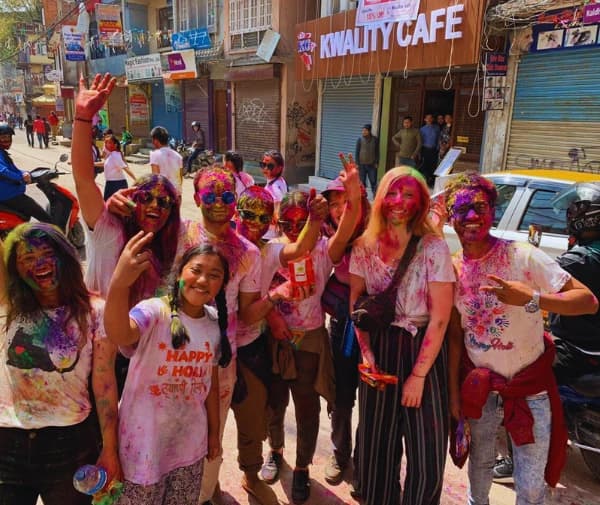
- Holi (March): Holi, also known as the festival of color in Nepal, is a vibrant festival where people play with color and dance on the streets.
- Buddha Jayanti (April/May): As its name suggests, Buddha Jayanti is a prime festival for Buddhists that celebrates the birth of the Lord Buddha with prayers and procession.
- Indra Jatra (September): A magnificent festival in Kathmandu with chariot processions and masked dances.
Respecting Nepalese Traditions as a Traveler
- Greetings with a humble "namaste" instead of a handshake.
- Dress modestly when going to temples and religious places.
- Always walk clockwise around the stupas and the temples.
- Take off your shoes before entering temples and your home.
The culture of Nepal is not only something to see but more to experience and learn. Whether you join a festival, go to an old monastery, or just share food with a local family, you will feel the warmth and hospitality that makes Nepal really special.
A Culinary Journey - Savor The Flavors Of Nepal
Nepali food is highly influenced by the diverse topography and ethnic groups. However, no matter where you taste, i.e. Hearty mountain food or spicy street food, every dish reminds you of the tradition and culture. So, if you love to rate destinations through food, Nepal will not disappoint!
Nepali Recipes you should try
The foods in Nepal are sourced locally, which makes them simple yet very delicious and fresh. Here are some dishes you shouldn't miss:
- Rice and Lentils: The main food of Nepal, known as Dal Bhat here, consists of pulses, rice, and side dishes such as vegetables, pickles, and meat.
- Momo: These Tibetan-style dumplings are Nepal's favorite street food. They serve with spicy chutney and are must must-try option!
- Newari Cuisine: A feast with unique flavors, including dishes like Yomari (Sweet Dumplings), Bara (Lentil Pancakes), and Choila (spicy grilled meat).
- Thakali Set: Thakali offers a rich version of Dal Bhat with ghee-fried spinach, meat curry, and pickles.
- Sel roti: Sweet, crispy bread from rice flour, having the shape of a doughnut, which is usually prepared during festivals.
Street Food and Local Drinks
Nepal's street scene is full of bold tastes. If you feel adventurous, you can try:
- Chatpate: You must try this spicy, tasty snack made with puffed rice, veggies, and masala, if you haven’t ever tried.
- Sekuwa: These are grilled meat with local spices, widely appreciated.
- Tongba: A traditional fermented millet drink, served warm in a bamboo mug.
- Chyang: If you love Beer, try this homemade rice beer, which is popular in the Himalayan regions.
Where should I eat in Nepal?
From the best dining to local tea shops, Nepal has all budget options. If you prefer luxury dining, enjoy good Nepali recipes in places like Krishnarpan (Dwarika Hotel) or The Old House in Kathmandu. Likewise, OR2K in Thamel is a midrange option. To experience the local eateries, go to a roadside Momo stall or a Thakali restaurant.
Nepali food is not only food- it is a way to connect the rich culture and warm hospitality in the country. Whether you drink butter tea in the Himalayas’ cold or enjoy a plate of Dal Bhat after a long walk, every bite is part of your Nepal adventure.
Getting Around - Knowing The Transport System
Nepal lacks waterways which results in the basic two kinds transport options - navigating winding mountain roads in local buses or surfing above Himalayas in flights. Whether you prefer comfort or want to experience Nepal as a local, knowing the transport options will make your trip smooth.
Local Flights: Soaring over the Himalayas
Here in Nepal, reaching the remote areas via flights is considered a better option than roadways. Domestic Airlines operate flights to some of the popular trekking destinations.
- Lukla Flight: Lukla is the entry point for Everest Base Camp. Known as one of the most thrilling airports in the world!
- Pokhara: A 25-minute beautiful flight from Kathmandu, ideal for trekkers and nature lovers.
- Jomsom: An entrance to the Mustang region, offers fantastic views of the Annapurna region.
Tip: Flights can be delayed or canceled due to weather, so always have a buffer day in your travel program!
Public Transport: Travel as a local
Public transport in Nepal is cheap but can be overcrowded and time-consuming. General options include:
- Local buses: Local buses are budget-friendly and good for short distances. But often unpleasant due to overcrowding.
- Tourist buses: A more comfortable alternative for routes such as Kathmandu –Pokhara or Kathmandu -Chitwan.
- Microbus and Tempo: Small vans and three-wheelers are used for transportation inside the city.
Tip: For a smooth journey, prefer VVIP tourist buses on long routes.
Private Transport: Relaxing and Stylish Journeys
For flexibility and comfort, it is the best option to hire a private vehicle. The options include:
- Car rental with a driver: Ideal for long rides such as Bandipur or Lumbini for sightseeing.
- 4WD Jeep: For Mustang, Manang, or Rara Lake.
- Motorcycle Rentals: An exciting way to discover Nepal’s countryside, popular in Pokhara and Kathmandu.
- Use Pathao or Yango for a city drive
Tip: If you rent a motorcycle, always wear a helmet and check the road before going out!
Where Are You Staying - Find Your Comfort
Your accommodation option ranges from luxury 5-star hotels to basic homestays. Whether you are looking for comfort or budget-friendly options, there’s nothing to worry about. Here’s a more detailed breakdown:
Luxury Hotels and Resorts
For travelers who prefer comfort and luxury, Nepal has several options that offer world-class services. Some top luxury stays include:
- Dwarika Hotel (Kathmandu): A Heritage Hotel consisting of surprising Newari architecture and a royal atmosphere.
- Tiger Tops (Chitwan): A luxurious jungle lodge that offers a wildlife safari in Chitwan National Park.
- The Pavilions Himalayas (Pokhara): An environment-friendly, luxurious retreat with astonishing scenes of the Himalayas.
Tip: Book in advance, especially in the peak season (spring and autumn).
Mid-Range Hotels and Guest Houses
If you want a balance between comfort and affordability, there are many intermediate options in Nepal:
- Kantipur Temple House (Kathmandu): A beautiful hotel in the heart of the city.
- Hotel Middle Path (Pokhara): A comfortable hotel near Fewa Lake with excellent hospitality.
- Community Homestays: Powered by local families, they provide a cultural experience at an affordable price.
Tip: Many middle-range hotels offer free breakfast and Wi-Fi, so check the facilities before ordering.
Live within Budget- Save for Exploration
For budget passengers, Nepal has very good alternatives that do not compromise on experience:
- Alobar1000 (Kathmandu): A famous backpacker hotel with a lively atmosphere.
- Zostell (Pokhara): A fun and social space for single travelers.
- Teahouses: The Basic Lodge, yet comfortable in trekking routes like Everest Base Camp and Annapurna Circuit.
Tip: If trekking, carry cash, as most teahouses do not accept cards.
Homestay - Live as a Local
Want to experience authentic Nepali hospitality? - Live in a Homestay:
- Have fun with the home-cooked Nepali food.
- Learn about local traditions and daily life.
- Support community-based tourism.
Popular Homestay Destination
- Panouti Community Homestay: An attractive cultural retreat near Kathmandu.
- Nagarkot Homestay: Homestay with surprising Himalayan scenes.
- Sirubari Village Homestay: One of Nepal's first social tourism initiatives.
Travel Essentials - Know Before You Go!
Before packing the bags for Nepal, it is necessary to be prepared. From visa to permits and travel insurance, a small planning can make the trip smooth and stress-free. Here’s what you need to know before you go there.
Visa Requirements
Nepal has a visa-on-arrival system for most nationalities, making it easier to enter the country. Below are the details:
- Visa on arrival: Available at Tribhuvan International Airport (Kathmandu) and most land borders.Visa fee:
Visa fee:
- 15 days - USD 30
- 30 days - USD 50
- 90 days - USD 125
Necessary Documents:
- Valid passport (validity of at least 6 months).
- Passport-sized photo (can be taken at the airport).
- Online application (recommended for quick processing – Department of Immigration Nepal).
Tip: Some nationalities need to apply for a visa in advance, so check the latest visa policies before traveling.
Travel Insurance – Must for each traveler
Whether you go for mountain trekking or city exploration, travel insurance is important. Make sure your policy covers:
- High-altitude treks and rescue (if hiking over 3000 m).
- Medical emergency and hospitalization (including helicopter rescue).
- Trip cancellation and lost baggage.
Tip: If you plan to trek, choose insurance that covers heights of up to 6000 meters (for Everest Base Camp and Annapurna Circuit).
Trekking permission to restricted areas
If you are planning a trip, you need permission. The most important are:
- TIMS card (Trekking Information Management System): Required for most of the trekking routes.
- Annapurna Conservation Area Permit (ACAP): Needed for the Annapurna region Trek.
- Sagarmatha National Park Permit: Required for Everest Base Camp Trek.
- Restricted Area Permit (RAP): Required for special areas like Upper Mustang and Manaslu (can only be obtained through registered trekking agencies like Everest Thrill).
Where should I get permits?
- Kathmandu: Nepal Tourism Board Office.
- Pokhara: ACAP/TIMS office.
Please note: In case of choosing Everest Thrill as your trekking partner, arranging permits is no longer your headache. We’ll manage everything of your concern.
Currency and payment
The official currency is the Nepali Rupee (NPR). ATMs are available in larger cities, but they can charge for withdrawals. Meanwhile, Credit cards are accepted in hotels and large restaurants, but in remote areas require cash.
Tip: Always carry small change for local markets, taxis, and rural areas.
When To Visit Nepal - Plan The Perfect Trip!
Nepal is a year-round destination, but the best time to travel depends on what you want to experience. Whether you go to the Himalayas, search for cultural places, or enjoy a wildlife safari, each season provides something unique.
Spring (March, April, and May): Best for trekking and blooming nature
Spring is one of the most popular seasons to travel to Nepal, offering clear skies, mild temperatures, and flowering rhododendrons.
Why travel in the spring?
- The best time for Everest Base Camp, Annapurna, and other treks.
- Beautiful flowers and greenery in low-altitude areas.
- Ideal for wildlife safari in Chitwan and Bardia National Parks.
Tip: Spring is a top trekking season, so book flights and accommodation earlier than the date.
Summer/Monsoon (June, July, and August) - Greenery and Low Crowd
The monsoon season brings heavy rainfall, but still have a great time exploring some areas.
Why travel in the summer?
- Low-crowded trekking.
- Perfect time to visit the Upper Mustang and Dolpo regions.
- Hotel prices in cities such as Kathmandu and Pokhara decrease.
Tip: Expect humid weather and relevant landslides on trekking routes.
Autumn (September, October, and November) – Top season and perfect weather
Autumn is the best time to visit Nepal, with clear skies, comfortable temperatures, and surprising mountain scenes.
Why travel in the fall?
- Ideal for trekking and climbing - Best visibility Himalayas.
- Big festivals like Dashain and Tihar add cultural attractions.
- Perfect weather for Paragliding and rafting.
Tip: This is Nepal's busiest season, so book flights, hotels, and permits in advance.
Winter (December, January, and February) - Icy Peaks and Peaceful Journeys
The mountains are cold in the winter in Nepal, but are good for cultural tourism and low-altitude growth.
Why travel in winter?
- Best time for flights, sightseeing, and cultural heritage tourism.
- Low-crowded trekking route (trip with lower height recommended).
- Snow lovers can enjoy mountain scenes and photography in winter.
Tip: Trekking at high altitudes like Everest Base Camp can be extremely difficult, so prepare for this!
Last Idea - when are you going?
| Purpose | Season |
|---|---|
| For trekking | Spring (March -May) and Autumn (September -November). |
| For cultural tourism and sightseeing | Winter (December -February). |
| For Offbeat Adventures and Budget Travel | Monsoon (June -August) |
Why Choose Everest Thrill? - Your Trusted Nepal Travel Partner
With countless travel agencies in Nepal, it can be difficult to find the best. In such a situation, Everest Thrill stands as a reliable and experienced travel partner, ensuring a trouble-free and unforgettable Nepal experience. We have:
- Expertise & Experience You Can Trust: With expertise and years of experience, we offer customized trekking schedules, cultural and adventure tourism to match your preferences, budget, and time.
- Authentic and unique adventures: Beyond the general tourist spots, we also take you to experience places off the beaten path and their local life and culture.
- Safety & Reliability First: For your safety, our licensed guides and experienced members will manage your emergency preparation, helicopter evacuation(if needed), and a safe journey with the authorities' approved services.
- Responsible & Sustainable Travel: We support communally based tourism, eco-friendly practices, and conservation initiatives to protect Nepal's culture and environment.
- Customer Satisfaction & Glowing Reviews: Thousands of customer reviews highlight our professionalism, well-planned routes, and top-notch hospitality.
Whether you dream of hiking to Everest Base Camp, searching for Nepal's rich culture, or looking for adrenaline-fueled adventures, Everest Thrill is here to make it happen. Contact us today and start your Nepal visit with confidence.
Conclusion - Nepal Is Waiting!
Nepal is a country of Royal Mountains, rich culture, and exciting adventures. Whether you trek through the Himalayas, explore ancient temples, go on a wildlife safari, or enjoy fantastic scenery, Nepal offers something unique to each traveler.
With the right planning, travel partner, and time of visit, your trip to Nepal can be an unforgettable experience.
Why wait? Start planning your Nepal adventure today!
Let us take care of the details so you can focus on creating lifetime memories.
Book your trip now and embark on a lifetime adventure!
Let's travel to dreamland!
About Author
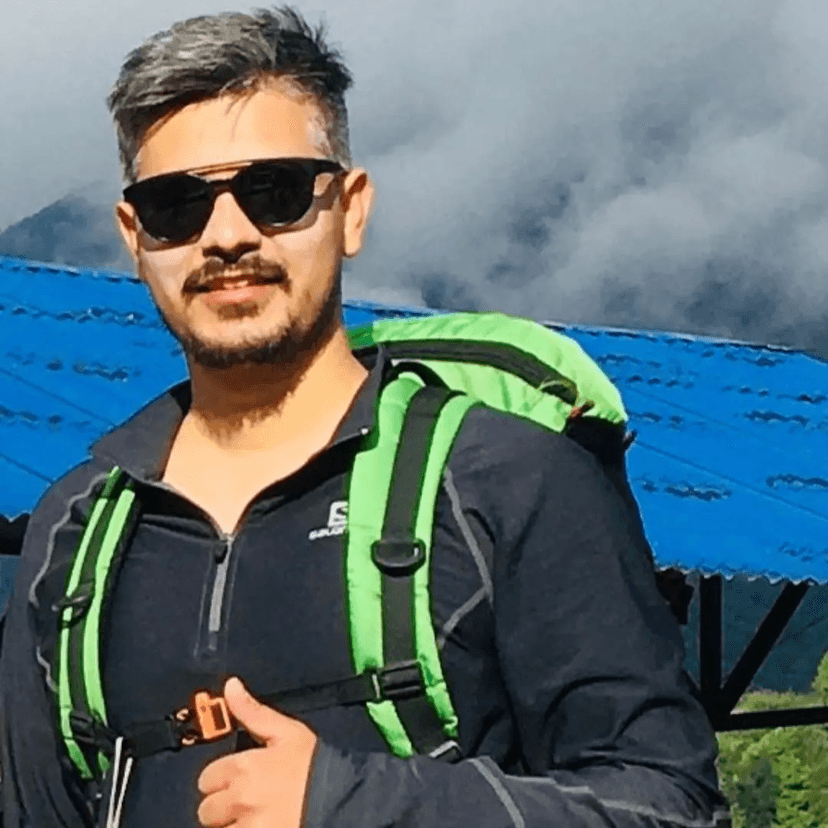
Amir Adhikari is the Founder and Trip Curator of Everest Thrill Trek and Expedition. With 10+ years of experience in Nepal’s competitive tourism sector, he is a recognized expert in designing safe, personalized, and high-thrill Himalayan itineraries. His dedication to responsible travel and creating authentic experiences has positioned Everest Thrill as a leading specialist for Everest, Annapurna, and off-the-beaten-path adventures.