Mount Everest | A Climber's Ultimate Dream
Table of Contents
- Why Everest?
- Where is Mount Everest?
- How Tall Is Everest?
- Getting There: How to Reach Mount Everest
- Starting Point: Kathmandu, Nepal
- The Everest Base Camp (Nepal Side)
- The Northern Approach: Tibet Side
- Climbing Everest: The Challenges
- Altitude Adaptation
- Tough Weather
- Physical And Mental Strain
- Technical Complications
- Overcrowding And Logistical Issues
- The Weather: Extreme Conditions
- Temperature Extremes
- High Winds
- Snow And Ice
- Altitude-Related Weather Phenomena
- Fun Facts About Everest
- Names And Meanings
- Unique Geographical Features
- Climbers And Records
- Flora And Fauna
- Cultural Significance
- Life On Everest: The Ecosystem
- Flora On Everest
- Fauna On Everest
- Microbial Life
- Human Impact On The Ecosystem
- Everest's Environmental Issues
- Waste Management
- Climate Change
- Overcrowding
- Conclusion: The Dream of The Everest
Why Everest?
It's a kids’ thing to say that Everest is just the tallest mountain in the world. Mount Everest, historically known as “Pandrau chuli,” is more a symbol of adventure, determination, and the ultimate test of human strength than just the highest peak.
Glancing down from 8,848.86 meters, Everest has continuously captivated hikers, explorers, and dreamers for generations.
If we come to talk about conquering it, summiting Everest is much more than simply reaching the top. It's about pushing yourself in ways you never thought, confronting the unknown, and extending your limits much higher.
The mountain signifies the peak of human achievement, and reaching the summit demands inner growth and physical endurance.
The beauty of the surrounding Himalayas and the tales of those who have tried and occasionally failed to ascend Everest make it attractive. In this blog, we'll discuss why Everest has such a powerful hold on people's imaginations and what it takes to stand atop the globe.
Where is Mount Everest?
In the majestic Himalaya range lies the glory of Nepal. Everest is specifically located on the boundary between Nepal and China's self-sustaining Tibet region. Its precise location is 27.9881° N and 86.9250° E, making it a notable geographical landmark.
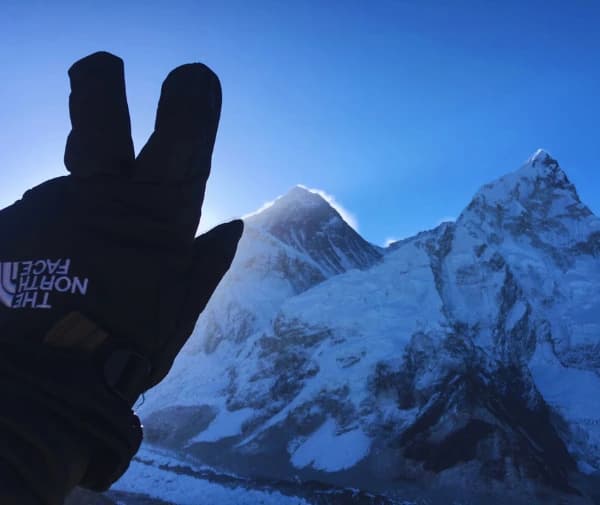
On the Nepalese side, the mountain is part of Sagarmatha National Park, a UNESCO World Heritage Site known for its biodiversity and Sherpa culture.
In Nepal, locals call it Sagarmatha, which means "Forehead of the Sky" in Nepali, signifying its towering presence in contrast to the heavens.
On the Tibetan side, the mountain lies in the Qomolangma National Nature Preserve, where it is known as Chomolungma, meaning "Goddess Mother of the World" in Tibetan.
These names highlight the mountain's cultural and spiritual importance to the people of the region.
The dual location of Everest makes it accessible through two main routes, each offering unique experiences.
From Nepal, climbers take the southern route, passing through the vibrant Sherpa town of Namche Bazaar and scenic valleys before reaching the Everest Base Camp.
From Tibet, the northern route provides a more remote and serene approach with stunning views of the mountain's rugged northern face.
Both routes showcase the breathtaking landscapes and the enduring cultural legacy of the people who live in Everest's shadow.
How Tall Is Everest?
Mount Everest is officially recognized as standing at 8,848.86 meters (29,031.7 ft) above sea level and is the highest among all different peaks on Earth.
This was confirmed in 2020 after a joint survey conducted by China and Nepal, putting an end to arguments about the precision of peak height.
However, the exact height of Everest isn’t a fixed number. Variations in measurements arise from factors like whether the snow cap at the summit is included or if calculations extend to the mountain’s underlying rock.
Modern tools such as GPS and radar technology have greatly enhanced the precision of these measurements.
Mount Everest's extreme height represents both the excellent face of nature and humanity's never-ending ambition, It is virtually a lasting image of adventure and an ultimate challenge like no other to attain the exceptional.
Getting There: How to Reach Mount Everest
Reaching Mount Everest is an adventure in itself. It requires careful planning and preparation. Let’s see the overview of the journey:
Starting Point: Kathmandu, Nepal
- Kathmandu, Nepal's lively city, is the primary starting point for Everest excursions.
- Fly from Kathmandu to Lukla, a little alpine village with a tricky runway and breathtaking vistas.
The Everest Base Camp (Nepal Side)
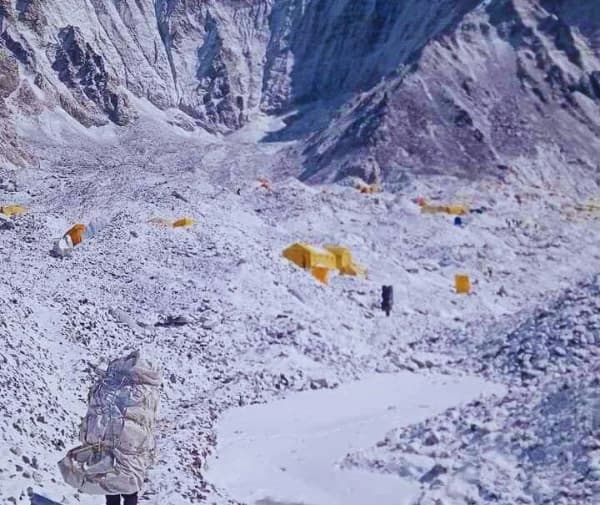
- Depending on the hikers' getting used to it and their speediness, the hike normally takes 8-14 days.
- Rugged treks and suspension bridges are major highlights.
- Villages, including Namche Bazaar, are must-visit locations.
- The Himalayas offer breathtaking views, while prayer flags and Buddhist temples add to the tranquil atmosphere.
The Northern Approach: Tibet Side
- Lhasa, The Starting Place: The cultural and spiritual center of Tibet, Lhasa is where visitors who fly into the country start their tour.
- Overland to Base Camp: The Tibetan side of the Everest Base Camp road tour offers spectacular scenery and stops at the world's highest monastery, the Rongbuk Monastery.
- Ascending Everest is, however rare from the northern side. The southern side, i.e. from Nepal, is considered safer and more adventurous as per explorers and experts.
Climbing Everest: The Challenges
Conquering Mount Everest is the biggest achievement in mountaineering; however, it cannot be expected as a normal trek.
The challenges concerned require additional intellectual flexibility and professional preparation. Below are the key obstacles that climbers face:
Altitude Adaptation
- Extreme Elevation: Not sure you may have heard the term “Death Zone,” but it is what you call at 8,848 meters elevation, where oxygen levels are dangerously low.
- Acclimatization: It is a must-do for trekkers to spend weeks steadily adjusting to the altitude with the assistance of ascending and descending among camps to keep themself away from excessive altitude sickness.
Tough Weather
- Unpredictable Weather: At Everest, there are some of concerning conditions to be aware of. Sudden storms, high winds, and freezing temperatures are a few of them.
Physical And Mental Strain
- Exhaustion: The ascent demands immense physical strength to endure long climbs, heavy gear, and limited rest.
- Mental Challenges: This is an ultimate test for the psychological strength of hikers, not just the physical one. The isolation, high stakes, and extreme environment are some of the unavoidable obstacles that the hikers should be ready to face.
Technical Complications
- Traitorous Terrain: Icefalls, cracks, steep rock faces, and bare edges are likely to be faced by the climbers.
- Technical Gear: Navigating these risks requires specialized systems like crampons, ice axes, and ropes.
Overcrowding And Logistical Issues
- Overcrowding: Popular hiking routes regularly experience bottlenecks, in particular close to the summit.
- Resource Management: Ensuring adequate food, water, and oxygen supplies is a serious matter of concern.
- Climbing Mount Everest necessitates preparation and respect for the mountain's strong influence.
- Despite the risks, it continues to inspire adventurers to push their limits and achieve greatness.
The Weather: Extreme Conditions
Mount Everest's climate is as mythical as its height. Unsurprisingly, it provides climbers and trekkers with one of the best challenges.
Understanding and preparing for such extreme conditions is critical for a successful excursion.
Temperature Extremes
- Temperatures at the summit can reach - 60°C (-76°F) during winter and rarely rise above zero during summer.
- Wind Chill: Strong winds can reduce temperatures to dangerous levels.
High Winds
- Jet Stream Influence: Everest’s summit often falls under the path of the jet stream, resulting in winds exceeding 160 km/h (100 mph).
- Summit Window: Climbers typically aim for brief periods of reduced wind speeds, known as weather windows, to attempt their ascent.
Snow And Ice
- Heavy Snowfall: Sudden snowstorms can create avalanche risks and unclear trails, making navigation treacherous.
- Glacial Terrain: The Khumbu Icefall and other glacier-protected sections are troubled with cracks and unpredictable ice formations.
Altitude-Related Weather Phenomena
- Thin Atmosphere: The reduced air pressure at high altitudes ends in severe cold and much-decreased ranges of oxygen, making it hard for climbers.
- Sudden Changes: Weather on Everest can flip very quickly, turning a clear day right into a risky storm within an hour.
The unforgettable climate of Mount Everest serves as a reminder of nature's strength and requires mindful preparation from all who dare to ascend to its summit.
Fun Facts About Everest
Mount Everest is a fascinating natural wonder with countless intriguing aspects beyond its height and challenges. Here are some fun and lesser-known facts about this iconic peak:
Names And Meanings
- Pandrau Chuli: Everest was once called "Pandrau Chuli" by certain locals, particularly most of the indigenous communities in Nepal, earlier than it was renamed through the colonial government.
- Sagarmatha and Chomolungma (Qomolangma): In Nepal, Everest is called Sagarmatha, meaning "Forehead of the Sky," and in Tibet, it's called Chomolungma, which means "Goddess Mother of the World."
- George Everest: The mountain became named after Sir George Everest, a British surveyor of India, even though he by no means noticed the peak himself.
Unique Geographical Features
- Growing Taller: It may shock you, but it is a fact that Everest grows every moment. Not noticeable but it is a proven fact that Everest, every year grows by 4milimeters.
- Highest Point on Earth’s Surface: What if you are told that Mount Everest is not technically the peak with the highest height? Mauna Kea is indeed the tallest peak in terms of height, but since its base is measured on the ocean floor, it can’t be the highest peak in the world.
Climbers And Records
- Youngest Conquer: Jordan Romero from the USA is the youngest conqueror of the Everest Summit as he climbed it at just 13 years old in 2010.
- Oldest Submitter: Surprises have no limits when it comes to Everest. Yuichiro Miura from Japan holds the record for the oldest submitter, conquering the peak at age 80 in 2013.
- First Climbers: The world knows that Sir Edmund Hillary from New Zealand and Tenzing Norgay, a Sherpa from Nepal, made history as the first to successfully summit Everest on May 29, 1953.
Flora And Fauna
- High-Altitude Species: Despite the harsh surroundings, Everest is home to species like snow leopards, Himalayan tahrs, and hardy lichens.
- Rare Birds: Bar-headed geese have been noticed flying over Everest, showcasing notable adaptations to excessive altitudes.
Cultural Significance
- Prayer Flags and Monasteries: The Everest Base Camp Trek paths are decorated with colorful prayer flags, and plenty of climbers visit monasteries for rewards before their expeditions.
- A Sacred Mountain: Everest possesses a deep non-secular significance for local communities, who adore and admire it.
Hence, these statistics help us to conclude that Mount Everest is more than only a towering peak; it's miles a treasure of records, lifestyle, and natural marvels that continue to amaze the world.
Life On Everest: The Ecosystem
Despite its extreme conditions, Mount Everest supports a unique and resilient ecosystem. From the lower slopes to the icy summit, life has adapted to survive in this challenging environment.
Flora On Everest
- Hardy Plants: Rhododendrons, junipers, and many more hardy plants are found along the lower altitudes of Everest. They survive the cold temperatures and flourish on rocky kinds of soil.
- Lichens and Mosses: Higher up, lichens and mosses predominate; they attach to rocks and take in moisture from the atmosphere. These few plant species are among the few that can endure at elevations of more than 5,000 meters.
Fauna On Everest
- Snow Leopards: These elusive predators roam the lower slopes, preying on Himalayan blue sheep (bharal) and different small mammals.
- Himalayan Tahrs: These goat-like animals are regularly noticed navigating rocky terrain quite simply.
- Birds at High Altitudes: The bar-headed goose is thought for its first-rate potential to fly over the summit, and choughs, a kind of crow, are regularly visible scavenging near camps.
Microbial Life
- Extremophiles: Some microbes that succeed in very harsh conditions were discovered in Everest’s glaciers, proving the adaptability of lifestyles even in freezing temperatures.
Human Impact On The Ecosystem
- Pollution: Increasing base site visitors has caused a buildup in waste material, affecting the area’s flora and fauna.
- Conservation Efforts: Several conservation efforts have been made, and several programs are smoothly running presently to minimize the threat to the region’s environment. Initiatives like waste management etiquette and other programs are intended to moderate human impact and maintain Everest’s sensitive ecosystem.
The environment of Everest is a tribute to nature's persistence and resilience. Even among excessive bloodlessness, low oxygen, and human interference, lifestyles somehow find a way to thrive.
Everest's Environmental Issues
The rising popularity of Mount Everest as a trekking and climbing destination has brought significant environmental challenges. Below are the key issues and ongoing efforts to mitigate them:
Waste Management
- Accumulating Trash: Discarded oxygen cylinders, tents, and other wreckage have earned Everest the nickname “the world’s highest garbage dump.”
- Clean-Up Initiatives: Expeditions like the "Eco Everest Expedition" focus on collecting waste from the mountain.
Climate Change
- Melting Glaciers: The rapid increase in global warming of the present day is accelerating glacier melt, which is a direct threat to Glacier Lake Outburst Flood (GLOF) and other disasters for locals.
- Changing Ecosystems: Rising temperatures are changing habitats, thus putting native species at risk.
Overcrowding
- Traffic Jams: The huge number of Everest expeditors has consequently caused overcrowding on popular routes, raising safety and environmental concerns.
- Permit Regulations: Stricter permit systems attempt to control the number of climbers and reduce environmental strain.
Efforts to protect Everest’s environment emphasize the need for sustainable tourism and responsible climbing practices to ensure the mountain’s natural beauty endures for future generations.
Conclusion: The Dream of The Everest
Mount Everest isn’t simply the tallest mountain: it’s a massive heartbeat of the earth, calling out to dreamers, adventurers, and seekers from all around the globe. For some, achieving the summit is like touching the sky itself.
For others, simply standing at the base, feeling dwarfed by its majesty, is a dream that feels as huge as the Himalayas themselves.
But Sherpa takes Everest not only about climbing or conquering but also as a guru, teaching us the significance of respecting nature, informing our limits, and celebrating the precise cultures that flourish around it.
Its uncertain environment demonstrates the remarkable ability of life to adapt to extreme conditions, and its cultural and spiritual importance highlights the interconnectedness of humanity and the natural world.
As more people come to explore and recognize Sagarmatha, it’s our prime responsibility to hold its splendor unbroken for the generations to return.
Whether you’re trekking, mountain climbing, or just admiring the snowy peaks from a distance, Everest stands as a lasting image of a human prodigy with curiosity and determination.
About Author

Amir Adhikari is the Founder and Trip Curator of Everest Thrill Trek and Expedition. With 10+ years of experience in Nepal’s competitive tourism sector, he is a recognized expert in designing safe, personalized, and high-thrill Himalayan itineraries. His dedication to responsible travel and creating authentic experiences has positioned Everest Thrill as a leading specialist for Everest, Annapurna, and off-the-beaten-path adventures.