Festivals In Nepal | Colorful Culture and Celebration
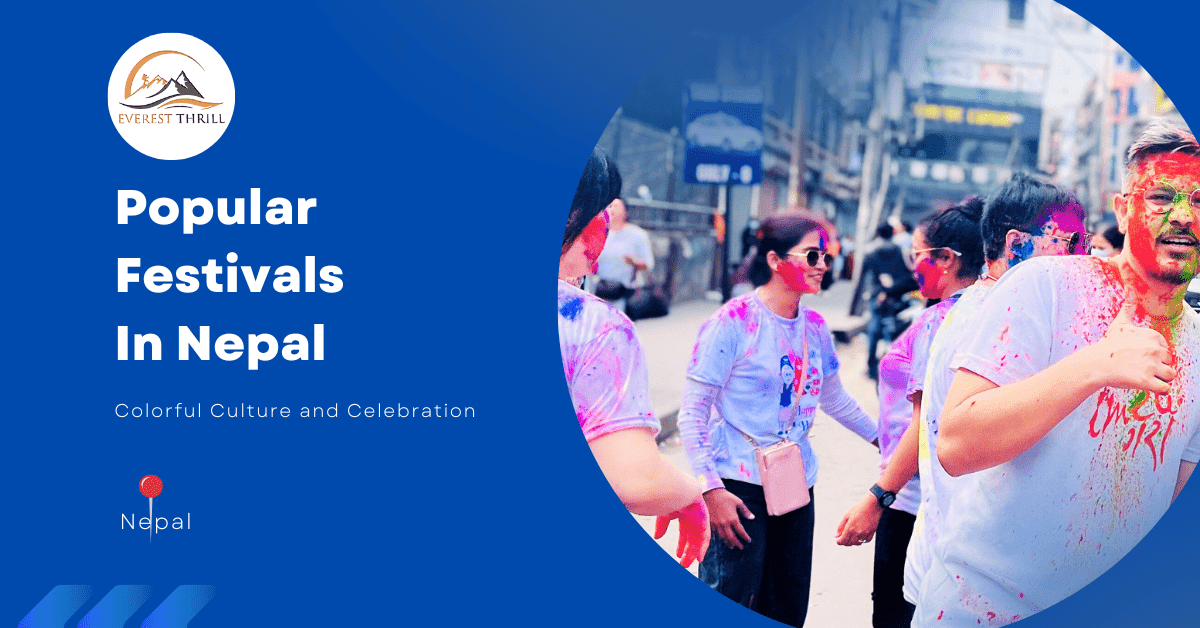
Table of Contents
- Celebrating Nepali Festivals
- Festival To Explore
- Why Experiencing Nepal's Festivals Is A Must-Do For Every Traveler
- Deep Cultural Insight
- Community & Connection
- Unique Experiences
- Cultural Immersion
- Flavorful Culinary Delights
- Lively Atmosphere
- Photo Opportunities
- Spiritual Enrichment
- Unique Souvenirs
- Broader Perspectives
- Top Festivals and Celebration In Nepal
- DASHAIN (DUSSEHRA): THE GRAND CELEBRATION OF VICTORY
- Tihar (Deepawali): Festivals Of Lights And Brotherhood
- Holi: The Festival Of Colors
- Indra Jatra: Kathmandu's Rain God Festival
- Teej: Women's Day Of Fasting And Festivity
- Chhath Puja: Sun Worship And Devotion
- Wrapping Up: The Magic Of Nepal's Festivals
- Frequently Asked Questions About Festivals In Nepal
Nepal, known for its breathtaking scenery and diverse cultural tapestry, has a plethora of festivals that highlight the country's rich traditions and community spirit.
Each festival is a lively celebration that delves into the country's history, traditions, and shared delight.
Celebrating Nepali Festivals
Nepalese festivals are more than just public festivities; they are important to the country's cultural identity.
They hold elaborate ceremonies and communal gatherings to remember historical events, honor deities, and observe the passing of the seasons.
From Dashain's grandeur to Holi's exuberance, these festivals offer a vibrant and engaging experience that reflects the essence of Nepali living.
Festival To Explore
- Dashain (Dussehra): The country's most important festival, famed for its complex ceremonies and family gatherings.
- Tihar (Deepawali): A light festival honoring numerous deities and the unique link between people and animals.
- Holi: A vibrant festival of colors commemorating the entrance of spring and the triumph of good over evil.
- Indra Jatra: An ancient celebration honoring Lord Indra, with colorful processions and traditional dances.
- Teej: A holiday for ladies that celebrates marital bliss and well-being.
Why Experiencing Nepal's Festivals Is A Must-Do For Every Traveler
Nepal's festivals are more than just events; they embody the country's cultural character and community spirit. Witnessing them directly is essential for the following reasons:
Deep Cultural Insight
Festivals offer a deep insight into Nepalese traditions, beliefs, and values. Participating in these festivals allows you to experience age-old customs, learn about their historical significance, and connect with the spiritual essence of Nepalese culture.
Community & Connection
Festivals bring communities together in celebration. Joining these events allows you to meet with people, feel their kindness and generosity, and become a part of their collective delight. Making friendships and feeling a sense of belonging is a rare opportunity.
Unique Experiences
Each festival is unique in terms of customs, rituals, and festivities. From the grandeur of Dashain to the brilliant mayhem of Holi, these events provide one-of-a-kind visual and emotional experiences. The range of events ensures that each visitor experiences something fresh and entertaining.
Cultural Immersion
Immersion in festivals entails actively participating in customs and practices instead of simply witnessing them. This hands-on experience deepens understanding of Nepal's cultural heritage and delivers insights that typical touring may not provide.
Flavorful Culinary Delights
Festivals are sometimes accompanied by special cuisines and dishes that are specific to the event. Sampling these festive dishes allows you to experience Nepalese cuisine in its most authentic and joyous form, which will improve your culinary adventure.
Lively Atmosphere
The energy and enthusiasm at festivals are apparent. The colorful decorations, energetic music, and traditional dances combine to create an exhilarating and unique experience. Being a part of this vibrant atmosphere improves the whole vacation experience.
Photo Opportunities
Festivals provide excellent possibilities for photography. The dynamic scenes of parades, the vibrant colors of traditional costumes, and the complex details of ceremonies all provide a rich tapestry for shooting memorable photos.
Spiritual Enrichment
Many holidays, like Buddha Jayanti, can provide spiritual enrichment. Participating in such festivals allows you to engage in rituals that promote meditation, peace, and a deeper knowledge of spiritual principles.
Unique Souvenirs
Festival celebrations frequently include local crafts, artworks, and souvenirs that are unique to the occasion. These one-of-a-kind objects make excellent souvenirs, capturing the soul of the festival and your experience.
Broader Perspectives
Attending festivals broadens one's understanding of many cultures and traditions. It challenges preconceived beliefs and offers a richer, more nuanced view of the world, improving one's overall travel experience.
Top Festivals and Celebration In Nepal
DASHAIN (DUSSEHRA): THE GRAND CELEBRATION OF VICTORY
Dashain, often called Dussehra, is Nepal's most important and highly celebrated festival. It commemorates the triumph of good over evil and provides an opportunity for families to reunite and celebrate the goddess Durga.
Dashain, which lasts 15 days and combines religious rites, cultural customs, and joyful gatherings, is a watershed moment in Nepalese culture.
What To Expect
The Rituals and Ceremonies
Dashain begins with the adoration of Durga and ends with the celebration of Vijaya Dashami. The event includes a variety of ceremonies, including animal sacrifices in which goats, buffaloes, and chickens are presented to Durga as symbols of devotion and cleansing.
Houses and temples are decked out in colorful designs, and special prayers and ceremonies are performed to seek blessings for prosperity and health.
Family Reunions
One of the most treasured features of Dashain is the emphasis on family reunions. Many Nepalese people travel from across the country to be with their loved ones.
The occasion is celebrated with huge feasts with traditional cuisine like rice, pork, and vegetables.
Festival Traditions
During Dashain, individuals frequently wear new costumes and engage in cultural activities such as traditional games and kite flying. The celebration also includes vivid processions and markets, which contribute to the festive ambiance.
The Myth Behind Dashain
Dashain's history is rich in myth and folklore. According to Hindu mythology, the festival celebrates the goddess Durga's victory over the monster Mahishasura.
Mahishasura, a strong demon capable of transforming into different shapes, tormented both gods and mankind.
Unable to overcome him, the gods created Durga, a ferocious and powerful goddess gifted with their combined abilities.
Durga fought Mahishasura for nine days and nights before defeating him on the tenth day, known as Vijaya Dashami, which symbolized good triumphing over evil. This epic conquest is commemorated with elaborate rites and festivities throughout Dashain.
Why It Is Special?
- Cultural significance: Dashain delves deeply into Nepalese culture, displaying centuries-old ceremonies and traditions. It's a remarkable event that emphasizes the country's religious and cultural traditions.
- Family bonding: The festival's emphasis on family reunions creates a joyful experience. Being a part of these parties allows you to see how important family relationships are in Nepalese society while also enjoying the warmth and hospitality of local families.
- Festival Atmosphere: Dashain's grandeur, complete with elaborate ceremonies, vivid decorations, and exuberant celebrations, produces a one-of-a-kind and immersive setting. Participating in this festival allows you to truly connect with the heart of Nepalese cultural and spiritual life.
- Memorable experiences: Dashain provides a variety of activities, from lively street festivals to calm times of worship, that will leave you with unique memories. It's a festival where you may connect with Nepalese customs in a meaningful way.
Participating in the Dashain celebrations allows you to obtain a better understanding of Nepalese culture while also experiencing one of the country's most significant and enjoyable events.
Tihar (Deepawali): Festivals Of Lights And Brotherhood
Tihar, also known as Deepawali, is a five-day holiday in Nepal that brings joy and cultural significance.
Tihar, which takes place in late October or early November, symbolizes the lunar New Year and is a time to thank deities, celebrate the link between humans and animals, and participate in communal activities.
Each Day Explained
Day 1: Kaag Tihar (Crow Day)
The event begins with Kaag Tihar, which honors crows, which are considered messengers of death in Nepalese culture.
On this day, crows are fed specific meals to avoid bringing misfortune. This ritual exemplifies Nepali traditions that value nature and its creatures.
Day 2: Kukur Tihar (Dog Day)
The second day is Kukur Tihar, which honors dogs for their devotion and companionship.
Dogs are dressed in flower garlands, their foreheads are marked with tika (a mixture of rice, yogurt, and vermillion), and they are given special goodies.
This ceremony emphasizes the strong link between humans and animals.
Day 3: Gai Tihar and Laxmi Puja (Cow Day and the Worship of Goddess Laxmi)
On the third day, Gai Tihar concentrates on cows, which are venerated for their contribution to agriculture. Cows are decorated, revered, and given special goodies.
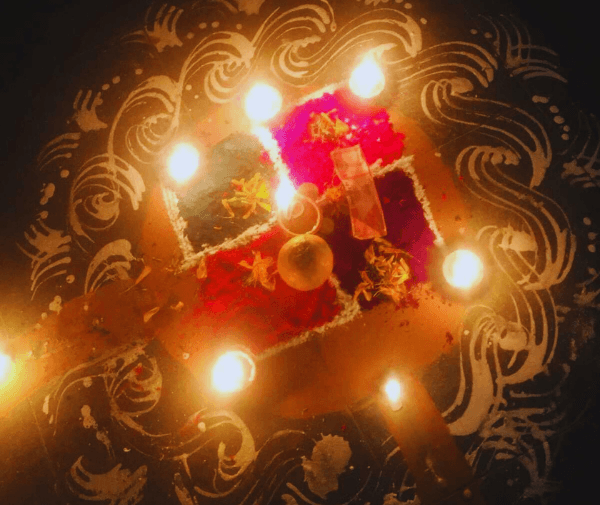
In the evening, homes are lit up with oil lamps and candles to welcome Goddess Laxmi, the goddess of wealth and prosperity. Families tidy and adorn their homes before inviting her blessings.
Day 4: Govardhan Puja
The fourth day is dedicated to Govardhan Puja, which honors the tradition of Lord Krishna lifting Govardhan Hill to shelter residents from a storm caused by the god Indra.
A little pile of cow dung is made and worshipped, signifying Krishna's hill. This ceremony focuses on the triumph of divine intervention and protection.
Day 5: Bhai Tika
The final day, Bhai Tika, commemorates the link between brothers and sisters.
Sisters apply tika on their brothers' foreheads, praying for their long life and wealth, while brothers reciprocate with presents.
The day ends with celebratory dinners and more celebrations, stressing family connection and love.
The Myth behind Tihar
The most famous myth associated with Tihar is the story of Yama, the God of Death, and his sister, Yamuna.
In this tale, after a long period of separation, Yama visits Yamuna, who greets him with heartfelt rituals, including lighting oil lamps and applying a sacred tika on his forehead, symbolizing her prayers for his well-being.
Touched by her love, Yama grants that anyone who receives a tika from their sister on this day will be blessed with a long and prosperous life, leading to the celebration of Bhai Tika on the final day of Tihar.
Another myth associated with Tihar is the story of the Goddess Lakshmi, the Hindu goddess of wealth and prosperity.
According to this myth, during Tihar, particularly on the third day, which is known as Laxmi Puja, the goddess is believed to visit every home to bless it with wealth and good fortune.
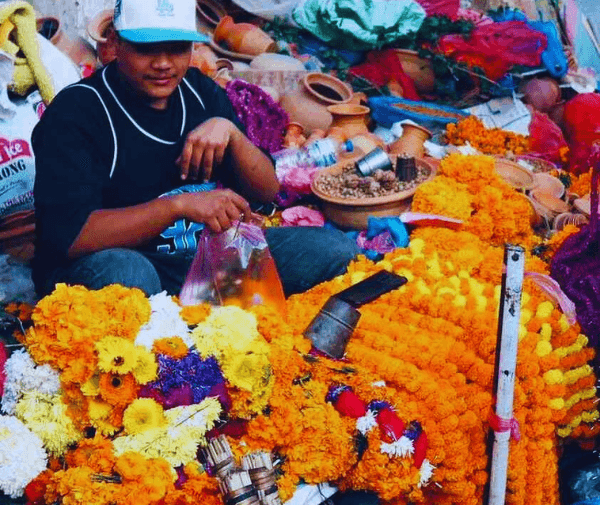
To welcome her, people clean and decorate their homes with oil lamps (diyas), colorful rangoli designs, and marigold flowers.
It is believed that the brighter and cleaner the house, the more likely Goddess Lakshmi will enter and bring prosperity for the coming year.
This myth highlights the importance of cleanliness, light, and devotion in attracting positive energy and abundance during the festival.
The Reason Why It's Special
- Cultural richness: Tihar is a five-day celebration of Nepali culture that showcases a wide range of ceremonies and traditions. Each day represents a different facet of Nepali life, ranging from animal worship to prosperity celebrations.
- Festival Atmosphere: The festival's vivid decorations, illuminated homes, and exuberant gatherings all contribute to a magnificent atmosphere. The sight of streets aglow with lights and the sound of festive music add to the magical atmosphere.
- Community Spirit: Tihar develops a sense of community by bringing people together through common rituals and celebrations. It develops social relationships and fosters a shared sense of delight and celebration.
- Meaningful Traditions: The festival's ceremonies, which range from animal honoring to deity worship, provide valuable cultural insights while also reflecting Nepali values and beliefs.
Experiencing Tihar immerses you in the heart of Nepali culture, with each day of the festival providing a distinct and intriguing experience.
Tihar highlights the complexity and diversity of Nepalese customs, from animal worship to deity celebrations.
Participating in these activities allows you to witness the vibrant rituals, stunning décor, and communal joy that mark the festival.
The warmth of the celebrations, the spiritual significance, and the energetic environment elevate Tihar from a festival to a meaningful cultural experience.
It allows you to connect with local communities, learn about their customs, and make lasting memories that showcase Nepal's unique cultural tapestry.
Holi: The Festival Of Colors
Holi, also known as the Festival of Colors, is one of Nepal's most joyful and highly celebrated celebrations.
Holi, a vibrant celebration that marks the arrival of spring and the triumph of good over evil, is traditionally observed in March.
Holi, known for its joyful atmosphere and bright display, brings people together in joy and abandon.
What To Expect
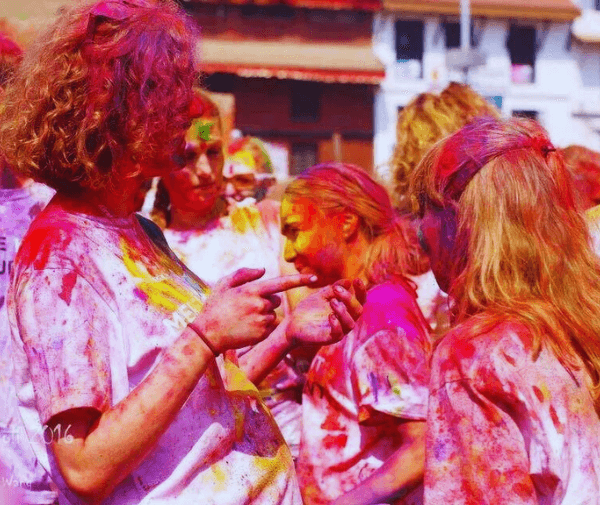
- Colorful Celebrations: Holi is known for its colorful celebrations. People assemble in public places to throw colorful powders (gulal) and water at one another, resulting in a lively and energetic atmosphere. The streets are alive with laughter, music, and a kaleidoscope of colors, providing a genuinely spectacular experience.
- Bonfire Rituals: The event opens with Holika Dahan, a ritualistic bonfire that represents the destruction of evil. This ceremony commemorates the fable of Prahlad and Holika and celebrates good triumphing over evil. The bonfire is frequently accompanied by singing and dancing around the flames.
- Traditional Music and Dance: Holi is a time for lively music and dancing. Traditional songs and folk music fill the air, as enthusiastic dancers follow the rhythms. The enticing beats and energetic tunes uplift the festive mood and inspire everyone to participate in the fun.
- Feasting and Celebration: The festival is also distinguished by special cuisine and desserts. Traditional sweets like gujiya (sweet dumplings) and thandai (a spicy milk drink) are prepared.
The Myth Behind Holi
Holi has profound mythological roots, particularly the narrative of Prahlad and Holika. According to Hindu legend, Prahlad, a devout follower of Lord Vishnu, was rescued from the demon Holika, who attempted to burn him in a fire.
Holika's malicious plans were foiled, and she was destroyed by the fire instead. The event recalls Prahlad's miraculous protection as well as the victory of good over evil.
Holi also commemorates the playful love of Lord Krishna and Radha, which represents the arrival of spring and the end of winter.
Why is it Unique?
- Cultural Celebration: Holi provides a colorful and immersive journey into Nepali culture. The festival's traditions, such as the fun throwing of colors and the communal bonfire, offer a unique perspective on local customs and cultural values.
- Joyful Atmosphere: The festival's vibrant and lively nature fosters an exceptionally joyful mood. The sight of individuals covered in colorful powders, as well as the sound of laughing and music, make Holi an unforgettable festival.
- Community Engagement: Holi creates a strong sense of community by bringing people from all walks of life together to celebrate. The celebration removes social barriers and promotes a spirit of unity and camaraderie.
- A Memorable Experience: Participating in Holi allows you to partake in a festive tradition that is both enjoyable and meaningful. The vibrant colors, loud music, and cheerful interactions create lasting memories that encapsulate the essence of Nepalese festivities.
Experiencing Holi allows you to completely participate in one of Nepal's most exuberant holidays, celebrating not just with colors but also with the spirit of unity and joy that marks this vivid cultural occasion.
Indra Jatra: Kathmandu's Rain God Festival
Indra Jatra, also known as the Kathmandu celebration, is a prominent celebration held in Nepal, primarily in the Kathmandu Valley.
Indra Jatra, held in late August or early September, is a vibrant and traditional celebration dedicated to Indra, the Hindu god of rain and agriculture.
It combines religious rites with magnificent public events, providing a unique perspective on Nepali culture and heritage.
What To Expect
- The Grand Processions: One of the attractions of Indra Jatra is the huge procession through Kathmandu's streets. The celebration includes spectacular carriages transporting deities like the Kumari (the living goddess) and other gods and goddesses. Locals and visitors enthusiastically participate in these processions, which are accompanied by traditional music and dancing.
- The Linguistic Ceremony: The Lingo ceremony is a key event at Indra Jatra. During the event, a giant pole (lingo) is built in Kathmandu's main square. This ceremonial pole is decked with numerous ornaments and emblems, and its erection signals the start of the event. The event is a colorful and lively spectacle that attracts enormous spectators.
- The Kumari Jatra: The Kumari Jatra is a highlight of Indra Jatra, in which the living goddess Kumari is paraded through the streets on a lavishly decked chariot. The Kumari, a little prepubescent girl chosen for her supernatural attributes, blesses the throng as she travels across the city. This event highlights the festival's significant cultural and religious significance.
- Traditional foods and festivities: Indra Jatra is also an occasion to celebrate traditional foods and community events. Street vendors sell a range of local delicacies, and the environment is lively with music, dance, and local acts. The event fosters a lively and cheerful atmosphere that encourages everyone to join in the fun.
The Myth of Indra Jatra
Indra Jatra has its origins in ancient Hindu mythology. The celebration is named for Indra, the deity of rain and harvest.
According to mythology, Indra once went to the Kathmandu Valley in disguise to get a rare flower for his mother. The people of Kathmandu recognized him and, in their excitement, apprehended him.
In response, Indra unleashed a storm to punish them. To please him and cease the storm, the people performed a variety of ceremonies and sacrifices, including the erection of the lingo.
The event honors Indra's appeasing and the end of the storm, as well as his involvement in guaranteeing a bountiful harvest and sufficient rain.
The specialty of this festival
- Cultural Heritage: Indra Jatra delves deeply into Nepal's cultural and religious traditions. The elaborate processions, traditional ceremonies, and presence of the Kumari make the event a one-of-a-kind and immersive experience of Nepal's rich past.
- Vibrant Atmosphere: The festival's bright processions, music, and public celebrations foster a joyous mood. The sight of multicolored chariots and the enthusiastic participation of people make Indra Jatra both visually and emotionally striking.
- Community Engagement: Indra Jatra develops a strong feeling of community by bringing people from many backgrounds together to celebrate. The festival's community activities and public rituals strengthen social bonds and foster a shared sense of delight.
- Rememberable Traditions: The diverse rites and activities of Indra Jatra, including the Lingo ceremony and the Kumari Jatra, provide unforgettable and fascinating experiences. These rituals underline the festival's significance and provide a lasting impression of Nepalese culture.
Thus, Indra Jatra is one of Nepal's most important and colorful festivals, offering a deep and immersive glimpse into the country's cultural and religious practices.
Teej: Women's Day Of Fasting And Festivity
Teej is a bright event observed mostly by Hindu women in Nepal. Teej, observed in late August or early September, honors the goddess Parvati and her union with Lord Shiva.
The event is distinguished by complex ceremonies, fasting, and jubilant celebrations that highlight women's devotion and significance in ancient Hindu rites.
What To Expect
- Fasting and Worship: Women's fasting is a major part of Teej. They fast from sunrise to moonrise and devote the day to prayer and adoration of Goddess Parvati. The fast is viewed as a sign of devotion and hope for the health and life of their husbands or prospective husbands.
- Traditional Rituals: Women assemble at temples and shrines to perform rituals honoring Goddess Parvati. The rituals involve praying, dancing, and singing devotional songs. Temples are adorned with flowers and lights, creating a joyful and spiritual ambiance.
- Dance, Music: Teej is noted for its lively cultural performances. Traditional dances, known as "Teej dances," are performed in groups and frequently celebrate the festival's themes of marital pleasure and devotion. The dances are backed by traditional Nepalese music and singing.
- Special Food: During Teej, unique dishes are cooked and shared with family and friends. Traditional meals such as "sel roti" (a sweet rice doughnut), "alu-tama" (a spicy potato and bamboo stalk curry), and different sweets are popular. These foods are frequently prepared in large amounts and served as part of a communal celebration.
The Myth behind Teej
Teej has ancient roots in Hindu mythology and is related to the narrative of Goddess Parvati. According to tradition, Parvati performed extreme penance and fasting to gain Lord Shiva's affection.
Teej celebrates their wonderful relationship, which resulted from her devotion and perseverance. The celebration represents the strength of devotion and the holy relationship between husband and wife.
Why It Is Special
- Cultural significance: Teej provides a full cultural experience with ancient ceremonies, music, and dancing. The festival's practices represent Nepal's deep-rooted Hindu traditions as well as its cultural history.
- Spiritual Experience: Teej's fasting and worship establish a spiritual connection with Hindu deities. The event enables attendees to engage in meaningful religious practices and express their devotions.
- Community and bonding: Teej promotes a sense of community and improves social relationships among women. Shared rituals, dances, and feasts foster a strong sense of community and celebration.
- Joyous Atmosphere: The exuberant dances, colorful costumes, and festive cuisine all help to create a joyous and vibrant ambiance. Teej is a time for celebration and gladness, offering a respite from daily routines and an opportunity to embrace traditional beliefs.
Teej provides a comprehensive insight into Hindu religious practices and cultural traditions, resulting in a meaningful and unique celebration of devotion and togetherness.
Chhath Puja: Sun Worship And Devotion
Chhath Puja is a prominent Hindu event that takes place mostly in Nepal's Terai area and in parts of India.
Chhath Puja, held in October or November, is dedicated to the worship of the Sun God (Surya) and his wife, Usha.
The four-day event includes complex ceremonies and fasting, emphasizing purity, dedication, and thanks to the Sun for supporting life.
What To Expect
- Ritualistic Worship: Chhath Puja entails precise procedures carried out over four days. Devotees fast, take ritual baths, and make offerings to the Sun God. The festival begins with "Nahay Khay" (the day of taking a holy bath), then "Kharna" (an evening fasting ritual), and finally "Sankranti" (the day of praying to the setting and rising sun).
- Offering Prayers in Rivers: The most important part of Chhath Puja is the offering of prayers to the Sun God on riverbanks or other water bodies. Devotees assemble at these spots to perform "Arghya," which involves offering water, fruits, and other offerings to the sun as it sets and rises. The sight of thousands of devotees standing in the sea praying is both spiritually moving and artistically stunning.
- Traditional Preparedness: The celebration features special preparations of traditional dishes, such as "Thekua" (a sort of sweet made from wheat flour and jaggery), which are cooked and dedicated to the Sun God. The meal is prepared with great care and purity, mirroring the festival's emphasis on cleanliness and dedication.
- Community and Family Bonding: Chhath Puja is an occasion for family and community gatherings. During the festival, families gather to perform rituals and provide support for one another. The common experience of fasting and participating in ceremonies enhances communal and familial bonding.
The Myth of Chhath Puja
Chhath Puja is based on ancient Hindu mythology and is related to the worship of Surya, the Sun God.
According to tradition, King "Karan" sought power and blessings from Surya via extreme penance and devotion.
The Sun God was pleased with the king's devotion and granted his wishes.
The event commemorates humanity's sacred relationship with the Sun God, signifying the sun's crucial role in supporting life and bestowing benefits.
Why It Is Special
- Spiritual Significance: Chhath Puja is a very spiritual experience that emphasizes the value of devotion, purity, and appreciation. The elaborate ceremonies and fasting offer a strong link to Hindu spiritual traditions and the importance of the Sun God.
- Cultural Richness: The festival displays Nepal and India's diverse cultural traditions. The ceremonies, traditional meals, and community gatherings all represent the cultural history and ideals of Chhath Puja.
- Visual and Emotional Impact: The sight of devotees performing rituals along the riverbanks, along with the festival's lively ambiance, creates a visually and emotionally overwhelming experience. The participants' enthusiasm and dedication emphasize the festival's significance and beauty.
- Community and Family Unity: Chhath Puja instills a strong sense of community and family solidarity. The common practice of rituals and support throughout the festival strengthens social relationships and fosters a sense of community joy.
Experiencing Chhath Puja provides a comprehensive understanding of its spiritual, cultural, and communal dimensions, allowing for a meaningful and memorable participation in one of Nepal's most beloved holidays.
Wrapping Up: The Magic Of Nepal's Festivals
Nepal's festivals are a bright tapestry of tradition, spirituality, and social joy. Each celebration, from the vibrant colors of Holi to the serious dedication of Teej, provides a unique insight into Nepal's rich cultural past.
Participating in these festivals is more than simply a fun time; it allows you to connect directly with the local traditions, mythology, and communal spirit that define Nepali life.
Whether you're drawn to the high-energy celebrations of Dashain, the colorful mayhem of Holi, or the contemplative rites of Indra Jatra, each festival encourages you to interact with Nepal's unique and dynamic cultural landscape.
These festivals provide not only chances for celebration, but also for personal reflection, cultural immersion, and the formation of important connections with local communities.
Immersing yourself in these festivals gives you a deep understanding of Nepal's cultural richness and spiritual depth, turning your vacation into a transforming journey into the heart of one of the world's most culturally diverse countries.
Frequently Asked Questions About Festivals In Nepal
About Author
Amir Adhikari is the Founder and Trip Curator of Everest Thrill Trek and Expedition. With 10+ years of experience in Nepal’s competitive tourism sector, he is a recognized expert in designing safe, personalized, and high-thrill Himalayan itineraries. His dedication to responsible travel and creating authentic experiences has positioned Everest Thrill as a leading specialist for Everest, Annapurna, and off-the-beaten-path adventures.