Date Updated:
Mera Peak Climbing Difficulty | How Hard Is the Summit?
Table of Contents
- What Makes Mera Peak Climbing Difficult? Factors That Make the Journey Challenging
- High Altitude and Low Oxygen
- Altitude Sickness (AMS)
- Physical Fitness Challenges
- Long and Demanding Trekking Days
- Technical Climbing Challenges
- Summit Day Challenges
- Glacier and Snow Conditions
- Extreme Weather Conditions
- Mental Challenges
- Equipment Challenges
- Acclimatization Challenges
- Common Mistakes That Increase Mera Peak Climbing Difficulty
- Climbing Too Fast
- Poor Physical Preparation
- Ignoring Altitude Sickness Symptoms
- Inadequate Hydration
- Using Improper Equipment
- Factors That Affect Mera Peak Summit Success
- Climbing Season Comparison
- Weather Conditions
- Fitness Level
- Previous High-Altitude Experience
- Route Conditions
- Support From Guides and Porters
- Mera Peak Climb Difficulty Compared to Island Peak and Lobuche Peak
- Mera Peak vs Island Peak
- Mera Peak vs Lobuche East
- How to Reduce the Mera Peak Climbing Difficulties
- Build Physical Fitness
- Follow a Proper Training plan
- Allow Enough Acclimatization
- Hire Experienced Guides
- Choose the Best Climbing Season
- Use quality climbing equipment
- Frequently Asked Questions of Mera Peak Climbing Difficulties
- Is Mera Peak difficult for beginners?
- What are the common challenges faced by climbers?
- What altitude sickness symptoms should climbers expect?
- Is Mera Peak technical?
- How difficult is summit day on Mera Peak?
- Is Mera Peak safe for solo climbers?
- Do I need a guide for Mera Peak?
Many people researching climbing challenges come across the term "trekking peak," which can be misleading. It seems like an easy thing to do at first, like a long stroll to the top of the mountain with a scenic view. Actually, Mera Peak is over 6400 meters, and any trek of this height is never a stroll. Since many climbers underestimate the Mera Peak climbing difficulties, we have prepared this guide of all the climbing challenges you will face, from thin air to the icy slopes of the summit, so that you know what to prepare for before booking the Mera Peak Climbing Package.
What Makes Mera Peak Climbing Difficult? Factors That Make the Journey Challenging
High Altitude and Low Oxygen
Mera Peak climbing difficulty is clear because of height and low levels of oxygen. Oxygen in the air decreases with every single step you make when moving from Lukla Airport to the peak of 6,476 meters.
- Elevation of Mera Peak
Mera North Peak is 6,476 m at its highest point, Mera Peak Central is 6,461 m and Mera South is 6,065 m. This is above all base camp treks in Nepal and near the level where climbers on larger trips begin to use supplemental oxygen, but Mera Peak climbers do not require it.
- Effects of Reduced Oxygen
9% of the oxygen that exists at sea level is present in the air at the summit. You will have to put in a lot more effort just to move around and even tying a bootlace can make you breathless. If a brief hike at home leaves you winded, you may be panting close to High Camp.
- Breathing Difficulties
At elevations above 5,000 m, climbers may observe short, shallow breathing, particularly when approaching High Camp. That is normal, but if the person becomes dizzy and/or has a pounding headache, it is an indication that the body is beginning to suffer from poor adaptation to this.
- Importance of Acclimatization
There is no choice but to acclimatize on Mera Peak. Rest days are always part of a good plan and they are also part of the plan if you stop at places like Khare, where you can make more red blood cells and adapt to lower oxygen levels before taking it higher. Also, a lot of climbers take a rest day in which they take a short acclimatization hike above Khare, thus helping the body adjust quicker than lying down.
Altitude Sickness (AMS)
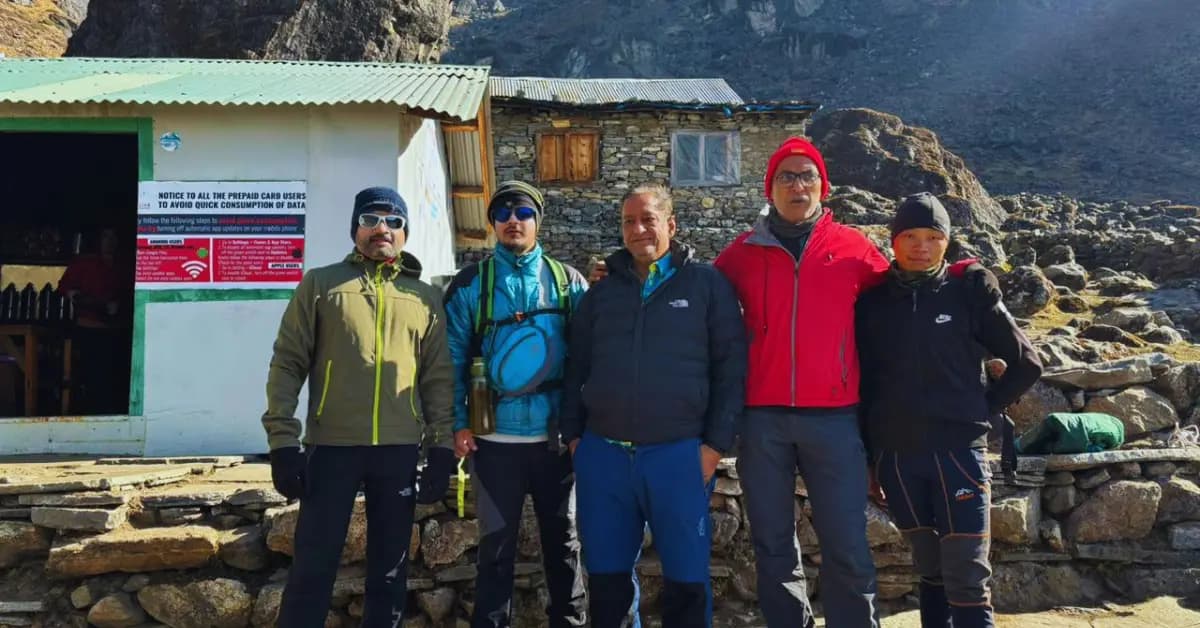
The main health concern for climbers on Mera Peak is altitude sickness, which can impact fitness and experienced or inexperienced climbers alike. It is the early recognition of the symptoms and warning signs of its nature that will make the difference between a manageable climb and an early return trip home.
- Common Symptoms
Headache, nausea, fatigue and insomnia are common symptoms of AMS that can be seen during Mera Peak climbing. Also, some climbers get vertigo and loss of appetite when reaching a height of 2,500m along the route of the Mera Peak.
- Risk Factors
Running too quickly, not taking the time to rest and not drinking enough fluids can all make you susceptible. Curiously, fitness is not much of a factor here as even well-trained athletes can suffer from AMS if they start to go up too fast. The rate of ascent is also the most important single factor although age and previous exposure to altitude also contribute.
- Prevention Tips
You need to stay hydrated by drinking 3-4 liters of water per day and eat enough calories and climb slowly. Medicines or sleeping pills are very risky at altitude as they can mask the symptoms and influence breathing while sleeping. Some of the trekkers take Diamox medicine which helps in acclimatization, but first consult to a doctor before the trip.
- When to Descend
If symptoms aggravate after rest (confusion, loss of balance or persistent cough), the only treatment is to descend immediately. While it is one of the most common and dangerous mistake made by climbers, it's also why the judgment of the guide is more important than the climber's desire to keep going.
Physical Fitness Challenges
While it's not a matter of brute strength, physical fitness is a factor of the difficulty of Mera Peak. But climbers who come here untrained sometimes have more trouble with fatigue and recovery than with properly training for several months prior.
- Cardiovascular Endurance
You will be on foot for 5-7 hours a day, for more than a week of your time, before you even get to the summit push. Running, cycling and stair climbing in the months leading up to your trek will make a difference on the tough days.
- Leg Strength
The steep, rocky paths and snow slopes require strong quads, calves and glutes. Basic exercises with weight pack when climbing stairs can provide your legs with necessary strength.
- Stamina for Long Trekking Days
Mera Peak is not a one-time effort but demands multi-day treks. On day ten, you need as much stamina as you had on day one, and it's all about endurance here.
- Carrying a Backpack
You will have a daypack and water, snacks and layers as well as portering for main luggage, and on summit day you will also carry climbing equipment. It's best to practice with the pack loaded with 8-10kg first, to get your shoulders and back used to the actual weight you'll be carrying up the mountain.
For more, read our blog “Expert Preparation Tips and Training for Mera Peak Climbing”.
Long and Demanding Trekking Days
One of the most underestimated Mera Peak climbing difficulties is the long trekking days, which, when added up over a span of more than a week, are the challenge itself. Having an idea of what to anticipate every day allows you to pace yourself.
- Daily Hiking Duration
The duration of walk is typically 5-6 hours per day. It also can take up to 7 hours in some areas, especially when you get closer to High Camp depending upon the weather conditions and your pace.
- Steep Ascents and Descents
The ascent is not on level ground all the time. What this means is a lot of passes to be climbed, river valleys to be descended into and climbed again which means there is a lot of rising and falling done each day, often more than 800m in one day alone.
- Consecutive Days of Trekking
The typical one-week tour of activities is gradual with few complete rest days. So it's more important to pace yourself early on the trek, rather than trying to cover as much ground as you can on the first day; the cumulative effect of the trail is what will catch up with almost everyone after about two weeks.
- Physical Fatigue
At Khare, most climbers are tired of climbing and have some level of tiredness in their legs and lower back. This is a normal level of tiredness and appropriate nutrition and sleep will restore you to a condition where you can attempt the summit the next day.
Technical Climbing Challenges
The technical difficulties of Mera Peak are not as great as other peak climbs like Island Peak but there are still some challenges that cannot be underestimated. Before the summit day, climbers need to learn some basic mountaineering skills like the use of crampons and glaciers.
- Walking with Crampons
Crampons require practice, particularly when going up and down slopes. Your guide will typically have a brief training session with you beforehand at Khare, to inform you about how not to catch the spikes on your trousers, a common beginner mistake which can lead to a trip.
- Using an Ice Axe
The ice axe is primarily used for balance and self-arrest should you slip. Your itinerary includes basic training and while it's not as technical as some, it's important to learn the proper grip and stance for safety on steeper parts above Khare.
- Fixed Rope Climbing
Close to the top, climbers need to attach themselves to a fixed rope using a jumar to climb the snow dome. It is the most technical section of the whole climbing route and usually will take 30-45 minutes to pass.
- Glacier Travel
It is very important to proceed carefully and with ropes on the sections of the Mera Glacier, as hidden crevasses may lie beneath the snow. Guides are the most important and set the pace here because the conditions of the glaciers change from year to year.
- Basic Mountaineering Skills
There is no need for any previous experience in climbing, but it is essential to learn fast and do exactly what's being asked. Climbing is not the time to be improvising technique, so be prepared ahead.
Summit Day Challenges
The summit day is the most difficult day of the whole expedition. All previously mentioned challenges - the height, fatigue and cold all combine in one day. This is when climbers' mentality will be as important as physical fitness.
- Early Morning Summit Push
The time of day that Summit day begins is typically around midnight or 1 am from High Camp. It is both mentally and physically challenging enough to climb in the dark and freezing weather.
- Long Climbing Hours
The round trip will take 8 to 12 hours a day at high altitude. The rate of progression will be much slower above 6,000 metres. This is not an issue and that is why guides plan for a slower, steadier pace rather than speed.
- Steep Snow Slopes
This is the final stage that has a slope of 30-45 degrees and the snow dome is about 50 degrees at the top. Crampons and careful placement of feet are required in this part along with short breaks frequently taken near the top.
- Fatigue at High Altitude
Even fit climbers experience the feeling of heavy legs and slow reactions close to the summit. This is where mental strength can overcome physical fitness, which is why guides monitor each trekker throughout the climb.
- Safe Descent After The Summit
Many accidents take place during descent rather than ascent as climbers become careless once they reach the top. Staying alert and remaining roped up until reaching the High Camp is as important as the climbing process itself.
Glacier and Snow Conditions
Conditions on the glaciers and snow on Mera Peak are constantly shifting and climbers must have an understanding of how glacial conditions will react at altitude to ensure their safety. Weather is stable in the morning and unstable in the afternoon.
- Walking on Glaciers
Glacier travel involves walking on a mass of ice that is always moving, but which can vary in behavior based on time of day and temperature. Another reason for the early summit attempts is that the crossings in the morning are more solid than those in the afternoon.
- Hidden Crevasses
Ice cracks are termed crevasses and some have a thin layer of snow over them. That is why climbers rope up on the glacier in the first place to make sure that a fall doesn't become serious.
- Slippery Snow and Ice
Firm snow can be slippery when it becomes slush in the warm afternoon sun. Often guides make early morning attempts to avoid this softer and less stable surface.
- Changing Snow Conditions
If these recent weather conditions have been warm, snow that was solid last week may be soft or icy this week. For this reason, the route conditions found on Mera Peak may differ significantly from group to group - even on the same dates.
Extreme Weather Conditions
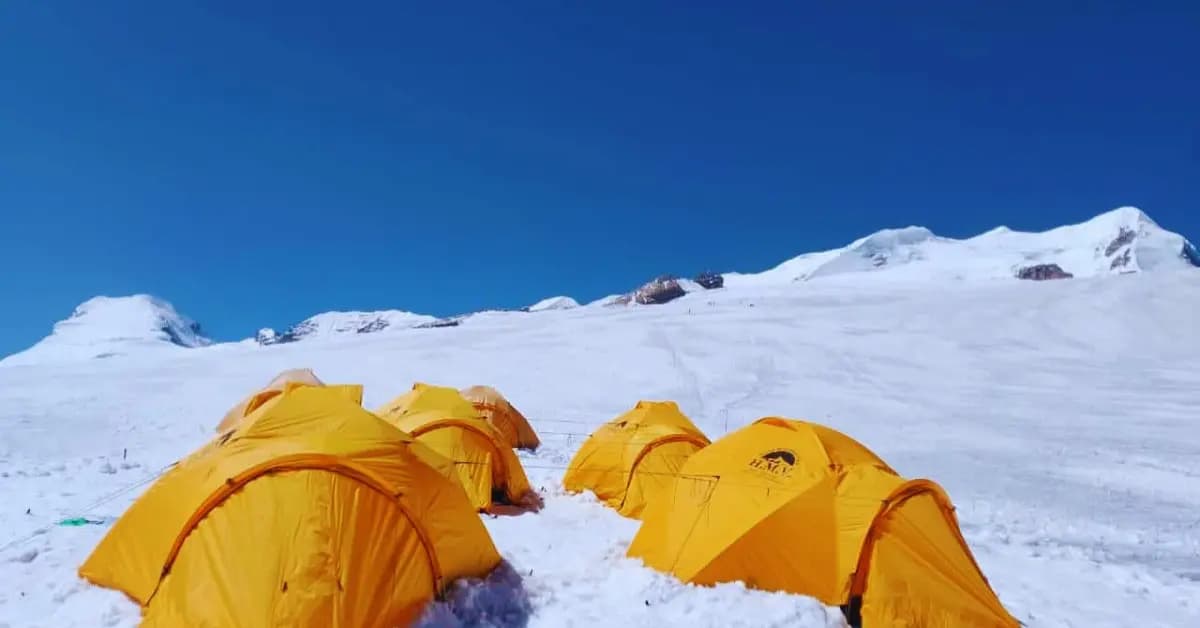
Sudden storms are one of the least controllable conditions for climbing Mera Peak and even well-prepared climbs can be postponed because of sudden storms. With knowledge of what to expect, you can pack and plan accordingly.
- Cold Temperatures
High Camp also has relatively low night temperatures that regularly drop below freezing and the summit is sometimes very cold in the morning with the windchill added, as cold as negative 15 to negative 20 degrees Celsius.
- Strong Winds
At altitude, wind can cut through layers quickly and make an already cold morning even more miserable! It can also cause frostbite in exposed areas of skin, including around the face and fingertips.
- Snowfall
Guides carefully monitor snow conditions before heading to the summit and will postpone a push if the conditions seem critical for avalanches on steeper sections.
- Poor Visibility
Clouds or snow could blur the path view and make navigation difficult and summit pushing even more hazardous without clear sightlines.
- Rapid Weather Changes
Weather in the Himalayas may change in a span of hours. It is important to note that a clear morning doesn't mean a clear afternoon, and if you don't have a day to spare in your trip plans, it may be an extra headache for you.
Mental Challenges
While the focus for climbers is usually on physical conditioning, mental endurance and determination are tested to the same extent as the body is. The difficulty of the climb is not just in the cold; it's also in the fatigue and in the long hours.
- Staying Motivated
Tiredness is not only due to the body’s muscles but also to motivation. And tiredness is experienced more on long days, cold nights, and many uphill climbs. On the harder days, just remember why you’re climbing, and it will be easy for you to concentrate on your small personal goals.
- Managing Fear and Stress
Often steep snow slopes and glacier crossings seem threatening at first. That being said, relying on your guide's experience and expertise and the instructions that he or she gives you will eliminate a lot of unnecessary worry.
- Coping with Exhaustion
Your body will want to give it a rest, especially during the summit night. Try to concentrate on the top of the climb rather than its entirety by breaking it up into manageable sections.
- Maintaining Focus During the Climb
Focus and decision making may be affected by altitude. Focus is key to your safety in technical sections such as the fixed rope crossing, particularly when tiredness begins to make your judgement cloudy.
Equipment Challenges
Equipment challenges on Mera Peak come down to using the right gear correctly, since even good equipment can cause problems if it is unfamiliar or poorly fitted. Preparing your gear in advance removes an entire layer of difficulty from the climb.
- Wearing Mountaineering Boots
Double mountaineering boots are stiffer and heavier than trekking boots. Ideally, with a few long walks before the trip, there will be no blisters on the climb as they have been broken in prior to the trip.
- Using Climbing Gear Correctly
Harnesses, jumars and carabiners all need to be used correctly under pressure. Your guide will demonstrate each piece, although practicing beforehand builds confidence and speeds up the training session at Khare.
- Managing Heavy Clothing and Equipment
The downside to layering for extreme cold is increased weight and bulk, which can be cumbersome. This hike requires a good down jacket, insulated gloves and a sleeping bag of -20°C or lower.
- Importance of Proper Gear
One of the easiest things to avoid and prevent is poor-quality or ill-fitting gear. A correctly planned-out investment in it can make a significant difference and is underestimated.
Acclimatization Challenges
Whether or not your body catches up with the trip is a matter of acclimatization: one of the most frequent causes climbers return early. A slow and steady pace is the best way to keep you safe and increase your odds of reaching the summit.
- Need for Rest Days
It is a common and risky error to miss out on rest days to save time. A well-drafted climbing itinerary, as mentioned in our Mera Peak Climbing Itinerary, always takes into account an adequate period of acclimatization before the final ascent of the summit.
- Gradual Ascent
The principle of altitude is to move up high, sleep low if possible, and avoid big gains in altitude in a single day.
- Hydration and Nutrition
The higher you climb, the more water your body wants and the more calories you burn. If you're not feeling hungry, you need to eat enough to boost energy levels to climb ahead. Hot meals contain more nutrients which are more effective than light snacks.
- Monitoring Your Health
One of the easiest steps you can take to avoid turning a small problem into a big one is to be honest with yourself when you do a self check on your symptoms or listen when your guide has concerns.
Common Mistakes That Increase Mera Peak Climbing Difficulty
Most of the climbing difficulties on Mera Peak are avoidable with proper preparation, and these mistakes are the ones that climbers typically make.
Climbing Too Fast
The main reason for altitude sickness and unsuccessful summit attempts on Mera Peak is rushing around in an effort to save a day or two.
Poor Physical Preparation
Without any cardio or strength training, each day of the trek will be more challenging than necessary, and it can make an appearance as early as the first few days.
Ignoring Altitude Sickness Symptoms
Enduring a headache or nausea and moving ahead instead of resting is a serious issue which can lead to danger within an hour.
Inadequate Hydration
Even when all other safety measures are taken, many climbers are not adequately hydrated in cold dry conditions due to their lack of understanding of their water requirements.
Using Improper Equipment
If you use unfamiliar or cheap equipment, particularly boots and crampons, a fairly easy technical section can become a very dangerous one.
Factors That Affect Mera Peak Summit Success
So many things can impact a successful Mera Peak summit. These factors help you know what can be done before or during the climb.
Climbing Season Comparison
The best times to climb Mera Peak are spring, between March and May, and fall, from September to November. Climbing to the top is easiest from March to May and most stable from September to November. The weather is more snowy, windy, and unpredictable during the winter and monsoon seasons, increasing the overall challenge of climbing Mera Peak.
For more in-depth details, read “Best Time For Mera Peak Climbing”. Explore month-by-month and seasonal tips.
Weather Conditions
Weather is unpredictable, even in the best of seasons, and you should always plan for a day to catch up if you get stuck in one.
Fitness Level
Climbers who have a good fitness base usually don't have as much trouble with the long days of trekking and the summit push, but good fitness does not guarantee that a climber will be free of altitude sickness.
Previous High-Altitude Experience
Climbers who have done trekking higher above 4,000 m are mostly aware of altitude symptoms sooner and can adapt more quickly than first-time climbers.
Route Conditions
Glacier and snow conditions are subject to change from day to day and from year to year; local and up-to-date guide knowledge is more important than info you can access online.
Support From Guides and Porters
On summit day, experienced guides read the weather, pace and make decisions that result in a noticeable reduction in overall risk. Most reputable operators maintain most of their climbers to guide ratio of somewhere around 2:1 or 4:1, giving them more opportunity to keep an eye on the climbers in the final push to the top.
Mera Peak Climb Difficulty Compared to Island Peak and Lobuche Peak
The difficulty of Mera Peak on a trekking level is compared to other trekking peaks in Nepal, which would help a person in deciding among various options of trekking and climbing peaks in Nepal.
Mera Peak vs Island Peak
Despite the fact that Mera Peak is 6,476m high, while Island Peak is 6,189m, Island Peak Climbing is more technical as there is a steep ice wall close to the summit, which requires the use of fixed ropes and jumar ascents. The Mera Peak climbing difficulties are mostly in terms of strength of mind and stamina, while at Island Peak it's more on the technical climbing level.
Check our Island Peak vs Mera Peak Climbing comparison guide for an in-depth idea and knowledge.
Mera Peak vs Lobuche East
Lobuche East Peak Climbing is a slightly less technical climb than Mera Peak, though it is a dangerous climb. In summary, Mera Peak is less steep and is good for first-time peak climbers who are newer to peak climbing.
How to Reduce the Mera Peak Climbing Difficulties
Reducing Mera Peak climbing difficulty is entirely possible with the right preparation, even though the mountain's core challenges, altitude and distance, cannot be changed. The following Mera Peak Climbing training tips and steps are the most effective ways climbers improve their chances of summiting.
Build Physical Fitness
Start training at least two to three months in advance, combining cardio, strength, and hill walking with a loaded pack.
Follow a Proper Training plan
A structured plan beats random workouts, since it builds endurance gradually without risking injury before your trip even begins.
Allow Enough Acclimatization
Choose an itinerary with adequate rest days rather than the shortest, cheapest option available, since extra days directly lower your Mera Peak climbing difficulty.
Hire Experienced Guides
Working with guides who know the current route and glacier conditions, like our team through the Peak Climbing programs at Everest Thrill, meaningfully lowers your risk.
Choose the Best Climbing Season
Booking in spring or autumn avoids the harshest weather and gives you the most stable summit window.
Use quality climbing equipment
A good pair of boots, a fitting harness and reliable crampons are worth the price since bad gear only makes things more difficult on an already difficult climb.
Frequently Asked Questions of Mera Peak Climbing Difficulties
Is Mera Peak difficult for beginners?
Although, we can say that Mera Peak is one of the climbable peaks for beginners. It is also true that it is a difficult trek for beginners which demands them to have physical fitness, mental toughness and learn basic mountaineering skills fast while on the trek.
What are the common challenges faced by climbers?
The most common difficulties include altitude sickness, longer trekking days, cold weather and a technical snow dome closer to the top for climbers.
What altitude sickness symptoms should climbers expect?
The early symptoms of altitude sickness include headache, nausea, fatigue, and insomnia. You will feel these symptoms at elevations above 2500 meters.
Is Mera Peak technical?
As per guides, Mera Peak is a non-technical mountain that is generally graded Alpine PD. However, there is a real technical snow dome part near the peak summit where climbers will need crampons, an ice axe and a fixed rope.
How difficult is summit day on Mera Peak?
The last summit day is the main difficult climb of Mera Peak. It usually takes 8-12 hours for the round trip, which covers steep snow slopes at the high elevation of the peak summit.
Is Mera Peak safe for solo climbers?
Solo climbing on Mera Peak is not recommended as there is crevasse risk, weather unpredictability and the technical section of the summit, all of which are much safer with an experienced guide.
Do I need a guide for Mera Peak?
Yes, a licensed guide is required by Nepali regulations. On glacier day, it is necessary as it is key to navigating sections, pacing, and making safety decisions. You can book a guide-led Mera Peak climb, or contact us directly to make a package that suits you.
About Author
Amir Adhikari is the Founder and Trip Curator of Everest Thrill Trek and Expedition. With 10+ years of experience in Nepal’s competitive tourism sector, he is a recognized expert in designing safe, personalized, and high-thrill Himalayan itineraries. His dedication to responsible travel and creating authentic experiences has positioned Everest Thrill as a leading specialist for Everest, Annapurna, and off-the-beaten-path adventures.


Mera Peak Climbing Package - 17 Days
USD 2355/per person