Date Updated:
Training for Mera Peak Climbing 2026-27 | Expert Preparation Tips
Table of Contents
- Understand Mera Peak Climbing Difficulty
- The Approach
- The Altitude
- The Temperature
- The slope
- Summit Day
- Mera Peak Physical Preparation and Training
- Cardiovascular Endurance Training
- Core and Strength Training
- Flexibility and Mobility
- Mental Preparation
- Technical Skills Required for Mera Peak Preparation
- Walking in Crampons
- Using an Ice Axe Properly
- Fixed Rope and Harness Basics
- Common Mistakes to Avoid While Preparing
- Final Checklist for Mera Peak Climbing Training and Preparation
Mera Peak lies quietly in the Hinku Valley, looking innocent. But don’t let that fool you. At 6,476 meters, it presents a serious challenge for the trekker's body as well as mind. For years, many strong trekkers have underestimated it just because it’s called a “trekking peak.” Big mistake.
Training and preparation aren’t about turning into a superhero with a super physique. They’re instead showing up ready and strong enough that the mountain doesn’t bully you.
Trekkers need to be serious and follow a wise Mera Peak climbing training and preparation tips from experts. This guide is for trekkers who’ve done some altitude and the dreamers planning their first peak.
If you, too, are someone looking for this adventure and don’t want your Mera story to end at base camp with a headache, this is for you.
Understand Mera Peak Climbing Difficulty
You hear the words “trekking peak” and relax a little too much. Beware! Mera Peak can take advantage of that mindset.
On paper, it looks friendly. There are no steep rock walls, no complicated rope work and no sharp ridges where one mistake can end everything.
That’s why guides often say it’s suitable for beginners. Technically, they are correct. But people must understand that difficulty is not always about technical skills. Sometimes it’s about how long you can withstand the mountain to keep going.
Here you’ll learn the 5 layers of difficulties in the Mera Peak climbing expedition.
The Approach
The approach slowly wears you down. Day after day of walking, nothing dramatic, just constant movement. Up and down, across valleys that feel endless.
You don’t feel exhausted on the first or second day. It usually creeps in around day five or six. Time comes when your legs still feel fine, but your energy doesn’t return as it should.
The Altitude
Then altitude becomes the main challenge. Altitude does not act in a dramatic way. Instead, it takes down the weaker ones slowly and quietly before reaching the summit at 6,476 meters.
Your breathing becomes shallow. Your pace slows even though your mind wants to push forward. You stop for no clear reason and notice your heart racing.
Nothing hurts badly, yet everything feels heavier. That is the real Mera Peak difficulty.
The Temperature
Cold adds another layer. Mornings at high camp are harsh and biting. Fingers go numb quickly. Water bottles freeze.
Simple tasks take much longer because thick gloves make everything awkward. It feels like you are fighting the mountain. But you are actually not. You are learning to work with it.
The slope
The slope itself is not scary and that is the trick. It makes you underestimate how demanding it really is. The real challenge is staying patient when your body starts offering excuses.
This is where ego causes problems. Those who rush usually struggle. Those who listen, adjust, and move steadily have a much better chance of success.
Summit Day
Summit day shows Mera’s true nature. It begins in darkness, with headlamps glowing and crampons crunching on snow.
After you climb for hours, the summit still looks far away. Progress feels slow and almost frustrating. You are moving, but the mountain hardly seems to notice.
To tackle all these Mera Peak difficulties, trekkers have to move without getting frustrated, handle discomfort without panic and trust their guide when they say “slowly, slowly.” Besides, being physically, mentally and tactically fit is important for your Mera Peak preparation.
Mera Peak Physical Preparation and Training
Mera Peak surely doesn’t care if you feel fit, and this is the blunt truth. It only responds to what your body can do again and again when oxygen is limited, and recovery is slow.
Understand that you don’t need the body of a professional athlete for Mera Peak preparation. You just need a tough, well-prepared core that keeps moving even when mountain tests.
You don’t try to gain speed, appearance, or gym numbers. Instead, focus on endurance, strength that lasts all day, and joints that don’t complain too much.
Cardiovascular Endurance Training
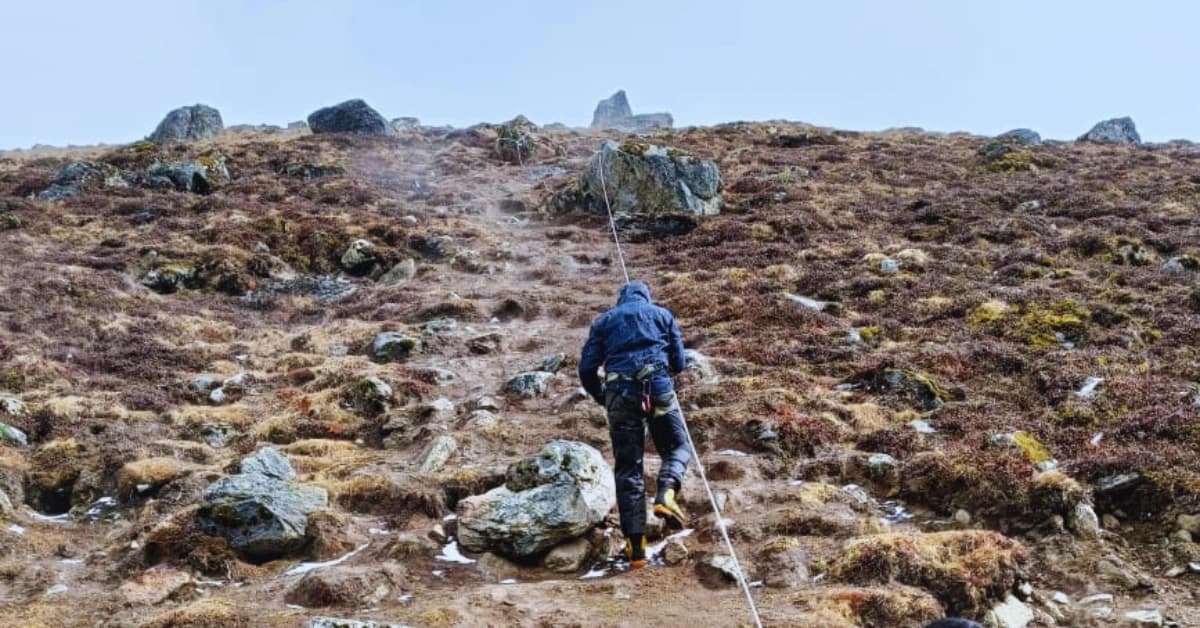
Cardio training assists you with long, steady movement in tough trails. Walking uphill is the best training you can do. Find hills. If you don’t have hills, use stairs.
Slowly add weight to your backpack over time. Start light, then increase it. The goal is to teach your body that climbing uphill for hours is normal, not a shock.
Running can also help to build strong cardio. If you enjoy it, do it. Cycling, swimming, rowing or long fast walks are also exercises you can do once or twice a week.
A trainee can apply a simple test. You might not be able to sing, but you should be able to talk while moving. That’s the ideal zone. This will ensure that your breathing feels controlled, not desperate, on the Mera Peak climb.
Core and Strength Training
Now let’s talk about muscles, especially the ones that matter in the mountains.
Your legs do most of the work. Quads, hamstrings, calves, and glutes carry you up and protect your knees on the way down. Weak legs make descents painful and climbs unnecessarily heavy.
Squats are one of the best exercises you can do. Start with bodyweight, then slowly add load. Lunges are equally important. Step-ups are especially useful because they closely copy trekking movement. Do them slowly and under control.
Understand that you’ll use trekking poles every day, handle ropes, and carry a pack for weeks. Push-ups and light pull-up exercises are enough to prepare your arms.
Test: If you can step onto a bench with a loaded backpack for 20 minutes, you’re training the right way.
Core strength is often ignored, but it matters a lot. A strong core helps you stay balanced on uneven, icy or narrow trails.
It also saves energy. Practice planks, side planks, and slow controlled movements. You don’t need a six-pack. Stability is what counts.
Flexibility and Mobility
This is where many people get careless and regret it later.
Being weak in flexibility and mobility does not end a trip instantly, but it slowly drains your energy and enjoyment.
The benefits of practicing flexibility aren’t immediate, but at altitude, when your body is cold and tired, flexibility becomes protection.
That’s why practice stretching. Spend time loosening your hips. Stretch your hamstrings and calves regularly. Keep your ankles mobile. Even five to ten minutes a day makes a real difference.
Yoga is very helpful. It combines breathing, balance, and controlled movement. These skills quietly matter on summit day. When you are slow, tired, and working in the cold with bulky gloves, good mobility lowers your risk of injury.
Main Tip: Train 5 to 6 days a week. Consistency in the Mera Peak training plan matters more than intensity.
Mental Preparation
Mera Peak climbing isn’t technically frightening. But mentally, it can be exhausting. Climbers will face early morning climbs in complete darkness, sharp cold, and painfully slow progress. This is when doubt appears -
Why am I doing this?
Why does the summit still look so far? Do I really need to keep going?
These thoughts are normal. Everyone has them. What matters is how you deal with them.
Mental strength doesn’t mean forcing positive thoughts. It means staying calm when discomfort becomes familiar. The best way to build that calm is through experience.
Train when conditions aren’t ideal. Hike in the rain. Walk when you’re already tired. Exercise early sometimes, even when you want more sleep. These moments teach your brain that discomfort is not the same as danger.
Another important mental skill is managing expectations. Many climbers imagine a dramatic and emotional summit moment.
In reality, it’s often quiet. You’re cold, tired, and focused on each step rather than the view. Accepting this beforehand prevents disappointment and mental burnout.
At 6,000 meters, trust becomes a safety tool. Trust your guide. Trust the pace. Trust the process because they are the experienced ones who’ve submitted the peak many times before. Fighting the mountain in your head will just waste energy you will need later.
Main Tip: Altitude tests your body. The mountain tests your patience. Those who respect both usually return with a smile from the Mera Peak climb expedition.
Technical Skills Required for Mera Peak Preparation
You don’t need to arrive knowing everything. But you do need to come ready to learn, listen, and practice without ego. Here are the aspects where you should be technically sound.
Walking in Crampons
This sounds simple, almost too basic, until you actually put crampons on.
Crampons change the way you walk. If you lift your feet too high, you catch your own pants. If you walk too casually, the spikes don’t grip the snow properly. Learning these small things matters more than most people expect at high altitudes.
Take shorter steps. Keep your feet slightly wider than normal. Check your foot placement from time to time instead of staring straight ahead.
Once you find a rhythm, crampons stop feeling like dangerous tools on your boots and start feeling like part of them.
Using an Ice Axe Properly
An ice axe provides balance, confidence and safety in one simple tool.
On Mera Peak, you won’t be aggressively swinging it into ice walls. You’ll use it mainly for support while walking, stability on slopes, and as protection if you slip.
You have to be adapted with skills like knowing where to hold it, which side should face the snow, and when to switch hands as the slope changes.
When you’re tired and wearing thick gloves, muscle memory becomes important. That’s why guides repeat the same instructions many times.
Not because climbers don’t understand, but because repetition prevents mistakes later when energy is low.
Fixed Rope and Harness Basics
Fixed ropes are used on steeper sections near the summit of Mera Peak. This is where many people feel nervous because it’s unfamiliar.
You’ll wear a harness, clip into the rope with a jumar or carabiner, and move forward step by step. The most important thing here is staying steady. Sudden movements waste energy. Calm, smooth motion helps you move safely and efficiently.
Many first-time climbers are surprised by how simple this feels once they actually try it. The fear usually exists in the mind, not on the rope itself. A good guide will explain everything slowly and may repeat it more than once.
Expert Tip: Move calmly. Don’t rush. Don’t fidget. Protect your energy carefully, because at altitude, energy is limited.
Common Mistakes to Avoid While Preparing
This section exists and you must learn it because the same mistakes show up season after season.
The biggest one is believing that fitness alone will solve everything. It won’t. Being fit helps, but altitude doesn’t care about your gym routine. People who rely only on strength often push too hard, too fast, and ignore early warning signs.
Another common mistake is rushing the itinerary. Many people want shorter trips, tighter schedules, and faster summit attempts. The mountain doesn’t negotiate. Skipping acclimatization days is one of the quickest ways to end a climb early with disappointment.
Never ignore small pains. A hot spot on your heel, a slightly sore knee, or a tight Achilles tendon may seem manageable at first. At altitude, they rarely get better. What feels minor at 3,000 meters can become serious at 5,500. Therefore, dealing with issues early saves entire trips.
Gear mistakes also deserve special attention. New boots, untested gloves, or unfamiliar backpacks are comfort risks that turn into real problems when it’s cold, windy, or exhausting. If you haven’t used it before, the mountain is not the place to test it.
Then there’s mindset. Don’t compare yourself to others. This isn’t a competition. So, be on your comfortable pace rather than pushing to keep up. Everyone acclimatizes at a different pace.
Final Checklist for Mera Peak Climbing Training and Preparation
Physically, be honest with yourself. Can you walk for several hours on back-to-back days? Can you manage long descents without knee pain? Can you carry a backpack comfortably without your shoulders aching badly? If the answer is mostly yes, your Mera Peak preparation is on the right track.
Medically, don’t skip the basics. Get a general health check. Discuss any existing conditions with your doctor. Make sure your travel and rescue insurance clearly covers high-altitude climbing. Don’t assume coverage. Confirm it.
Logistics matter more than many people realize. Permits, climbing documents, passport validity, and copies of important papers should be sorted early. Doing this ahead of time clears your mind for the climb.
Finally, Mera Peak mental preparation matters. Be ready to accept situations where plans may change. Summit attempts sometimes turn around, and the weather may affect the itinerary.
When you leave Kathmandu, make sure you feel prepared and excited to face the Mera Peak. This way the entire journey feels smoother. The mountain too responds well to that kind of readiness.
About Author
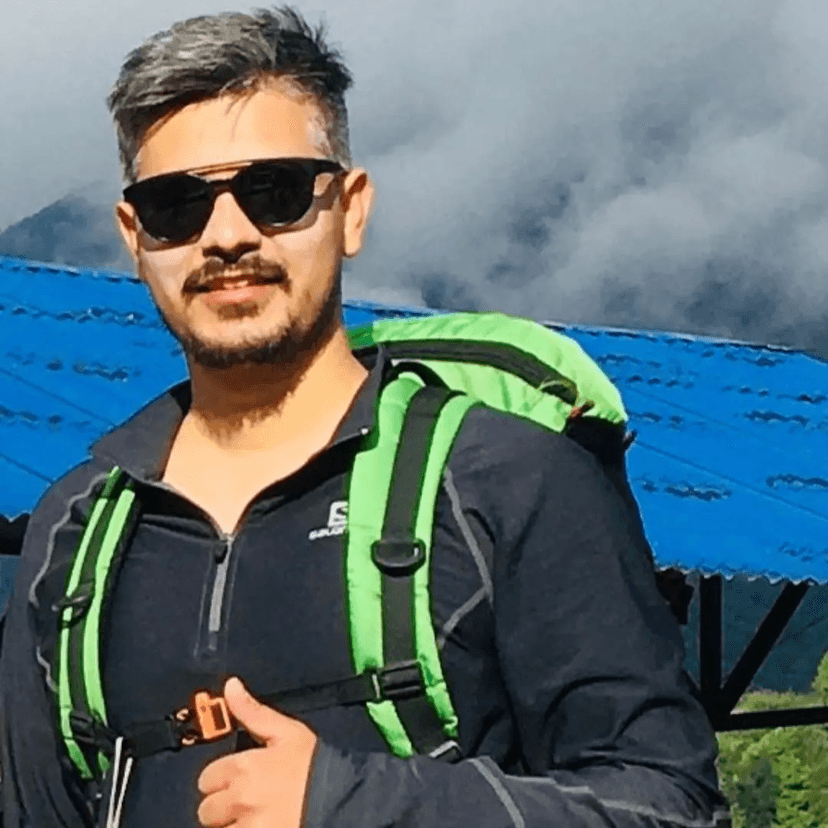
Amir Adhikari is the Founder and Trip Curator of Everest Thrill Trek and Expedition. With 10+ years of experience in Nepal’s competitive tourism sector, he is a recognized expert in designing safe, personalized, and high-thrill Himalayan itineraries. His dedication to responsible travel and creating authentic experiences has positioned Everest Thrill as a leading specialist for Everest, Annapurna, and off-the-beaten-path adventures.


Mera Peak Climbing Package - 17 Days
USD 2355/per person