Date Updated:
Best Time For Mera Peak Climbing | Seasons and Months
Table of Contents
- April or October: Which Is Better for Mera Peak Climbing?
- Why Conditions Around Khare Matter
- Wind and Exposure
- Snowfall and Glacier Conditions
- Visibility and Summit Timing
- Which Months Are Best for Mera Peak Climbing?
- March: An Early Spring Option
- April: A Strong Spring Climbing Window
- May: Suitable, but Weather Can Change
- September: Timing Matters
- October: A Leading Choice for Clear Views
- November: Prepare for Increasing Cold
- What About Winter and Monsoon Expeditions?
- Winter: Severe Cold at Higher Elevations
- Monsoon: Rain, Cloud, and Travel Delays
- Mera Peak Climbing: Month-by-Month Breakdown
- Three Things to Plan Before Your Summit Attempt
- Allow time for weather delays
- Prepare for the upper mountain
- Keep the summit decision flexible
- Frequently Asked Questions
- What is the best month for Mera Peak climbing?
- Is April better than October for Mera Peak?
- Can you climb Mera Peak in November?
- Is Mera Peak climbing possible during the monsoon?
- Why do Mera Peak summit attempts start early?
- How many buffer days should I allow for Mera Peak climbing?
- Final Recommendation
The best time for Mera Peak climbing is generally spring (March to May) and autumn (September to November). April and October are two of the strongest months to consider. April offers a favorable spring climbing window, while October often brings clear skies and excellent views of the surrounding Himalayan peaks.
However, choosing the right month involves more than looking at seasonal weather patterns. Mera Peak stands at 6,476 metres, and conditions change as you move from the lower Hinku Valley towards Khare, High Camp, and the summit. Wind, snowfall, freezing temperatures, and limited visibility can affect your climbing plan, even during the main seasons.
The key is to choose a suitable climbing window, prepare for conditions at altitude, and allow enough flexibility to adjust your summit attempt if the weather changes.
April or October: Which Is Better for Mera Peak Climbing?
April and October are both the best options, but each has different advantages. April falls within the main spring climbing season, while October follows the monsoon and often offers clearer mountain views.
| Consideration | April | October |
|---|---|---|
| Seasonal conditions | Spring conditions gradually improve | Post-monsoon conditions often bring clearer skies |
| Mountain views | Good visibility is possible, although cloud may develop | Often excellent visibility across the Himalayas |
| Main consideration | Changing weather and snow at higher elevations | Popular departure dates and changing summit conditions |
| Best suited to | Climbers planning a spring expedition | Climbers prioritizing clear mountain views |
Neither month guarantees a successful summit. Wind, snowfall, visibility, and the condition of the glacier route still need to be observed.
Our recommendation is to consider April for a spring expedition and October for an autumn departure. If your schedule allows, keep some flexibility around your planned summit date rather than relying on a single day.
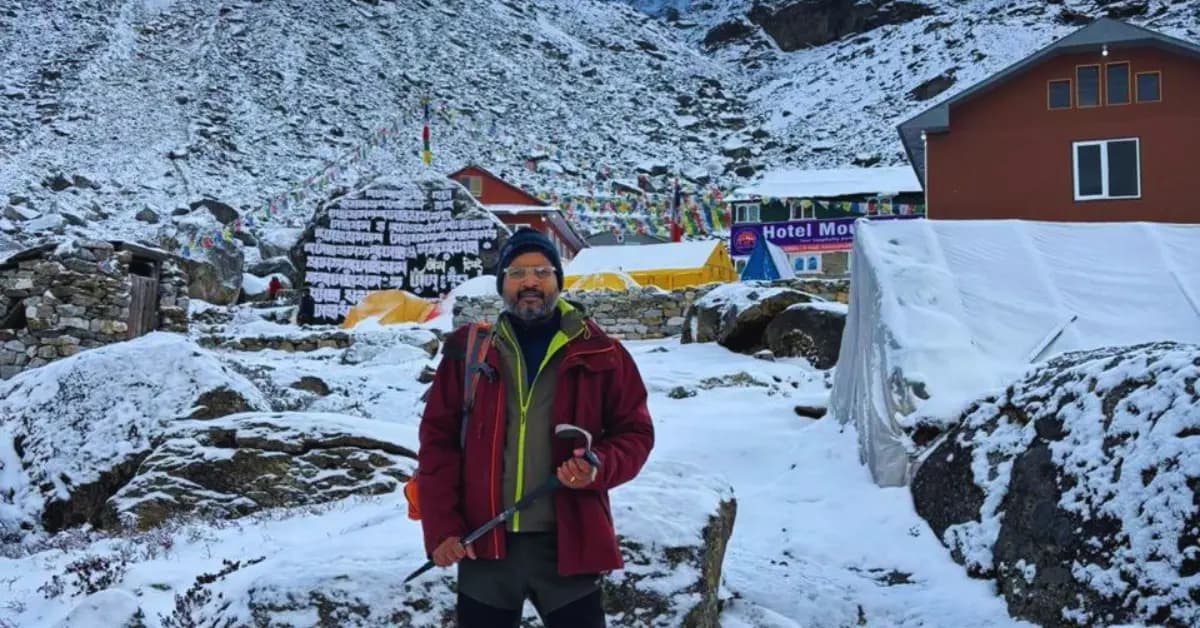
Why Conditions Around Khare Matter
Khare is an important point in the Mera Peak itinerary because the climb becomes more demanding as you move towards the higher camps and summit route. Conditions along the lower trek do not necessarily reflect what you will encounter at altitude.
Three factors deserve particular attention.
Wind and Exposure
Strong winds can make exposed sections more difficult and increase heat loss. This becomes especially important during the summit attempt, when climbers spend several hours outside before sunrise.
A clear sky does not automatically mean the conditions are suitable for climbing. Wind must be considered alongside temperature, visibility, and the team's physical condition.
Snowfall and Glacier Conditions
Fresh snowfall can cover sections of the glacier and conceal crevasses. Depending on the amount of snow and the condition of the route, progress may slow or the summit attempt may need to be postponed.
This is one reason seasonal averages cannot determine whether a particular summit day will be suitable. Current conditions and the team's climbing guide for the route must inform the decision.
Visibility and Summit Timing
Clouds can develop during the day, reducing visibility and making navigation more difficult. Climbers may also reach the summit without getting the panoramic views they hoped to see.
Summit attempts often begin during the night or early morning to make use of the available climbing window. The exact departure time depends on the forecast, route conditions, and the team's expected pace.
Which Months Are Best for Mera Peak Climbing?
Spring and autumn offer the main climbing windows, but the months around their peak periods can also be suitable. The main difference is how much seasonal uncertainty you may need to account for.
March: An Early Spring Option
March marks the transition from winter, but cold temperatures and snow can persist at higher elevations. Early in the month, conditions around Khare and above may remain demanding.
March can suit climbers who have appropriate equipment and flexibility in their itinerary. Do not assume that the arrival of spring means winter conditions have disappeared from the upper route.
April: A Strong Spring Climbing Window
April is one of the best months to consider for Mera Peak climbing. Conditions along the lower route generally become more manageable, while the upper route still requires proper protection against cold and exposure.
For climbers planning a spring expedition, April offers a favorable seasonal window. Snowfall, wind, and poor visibility can still affect the summit plan, so flexibility remains important.
May: Suitable, but Weather Can Change
May can also be suitable for climbing. However, warmer conditions at lower elevations do not necessarily make the upper mountain easier. Cloud and changing weather may increasingly affect visibility as the monsoon approaches.
If you choose May, allow enough time for itinerary adjustments rather than planning around a rigid summit date.
September: Timing Matters
September is a transition from the monsoon to autumn. Early in the month, rain and cloud may still affect the approach and mountain views. Conditions often improve later in September.
If you are considering a September departure, discuss the expected conditions and contingency arrangements with your expedition operator before confirming your plans.
October: A Leading Choice for Clear Views
October is one of the strongest months for Mera Peak climbing. Following the monsoon, the air often becomes clearer, offering rewarding views of Everest, Lhotse, Makalu, and the surrounding Himalayan range.
It is particularly attractive for climbers who value mountain visibility alongside a favorable seasonal climbing window. However, clear skies do not eliminate the risks associated with wind, snowfall, or changing glacier conditions.
October is popular, so arranging your expedition and travel logistics in advance is sensible.
November: Prepare for Increasing Cold
November can remain suitable, particularly earlier in the month. As winter approaches, temperatures fall and conditions at High Camp and during the summit attempt become more demanding.
Later departures require greater attention to cold, wind, and snow conditions. The decision to proceed should depend on the conditions encountered, not simply the time of year.
What About Winter and Monsoon Expeditions?
Winter and monsoon departures may appeal to climbers seeking quieter trails, but both introduce additional challenges.
Winter: Severe Cold at Higher Elevations
From December to February, severe cold and strong winds can make exposed sections difficult. Water may freeze, batteries can lose charge quickly, and handling equipment becomes harder when your hands are cold.
February may begin to show signs of the approaching spring, but winter conditions can persist at higher elevations. A winter expedition requires suitable cold-weather equipment, relevant experience, and the flexibility to change the plan.
Monsoon: Rain, Cloud, and Travel Delays
From June to August, rain can make lower trails muddy and slippery, while persistent cloud may restrict mountain views. Weather-related flight delays can also disrupt travel arrangements.
At higher elevations, snowfall and changing route conditions create additional concerns. Although quieter trails may appeal to some climbers, the uncertainty makes the monsoon a less favorable option for most conventional Mera Peak expeditions.
If your dates are flexible, choosing a spring or autumn departure is generally more practical.
Mera Peak Climbing: Month-by-Month Breakdown
Use this overview to compare the entire year before selecting your departure dates.
| Month | General outlook | Planning consideration |
|---|---|---|
| January | Severe cold | Requires appropriate winter preparation |
| February | Winter conditions persist at altitude | Cold and snow remain possible |
| March | Transition towards spring | Prepare for cold conditions |
| April | Favorable spring climbing window | One of the best choices |
| May | Suitable, with changing pre-monsoon weather | Allow flexibility |
| June | Increasing rain and cloud | Generally less favorable |
| July | Peak monsoon conditions | Generally avoid |
| August | Continued monsoon uncertainty | Conditions may remain unsettled |
| September | Often improves later in the month | Departure timing matters |
| October | Clear post-monsoon skies are often possible | One of the best choices |
| November | Increasing cold | Earlier departures may be more practical |
| December | Winter conditions return | Requires appropriate preparation |
These are general seasonal patterns, not a forecast for a particular expedition. Conditions can vary between years, and the latest weather and route assessments should take priority.
Three Things to Plan Before Your Summit Attempt
Choosing the right season is only the beginning. Your itinerary should account for the conditions you may encounter during the climb.
Allow time for weather delays
Flights and summit plans can be affected by weather. If you have fixed international travel arrangements, allow contingency days rather than assuming you will return on the earliest scheduled date.
Discuss possible delays and the flexibility of your itinerary with your expedition operator before booking.
Prepare for the upper mountain
The lower and summit routes require different levels of protection against the cold. Even in April and October, temperatures at higher elevations can be freezing.
Your equipment should suit the expected conditions, including appropriate insulation, gloves, mountaineering boots, and protection for essential electronics.
Keep the summit decision flexible
Before a summit attempt, the team should assess the latest forecast, wind, visibility, snowfall, and the condition of the glacier route. The climbers' physical condition and acclimatization are equally important.
If the conditions are unsuitable, delaying or cancelling the attempt may be the right decision. A well-planned expedition allows room for this possibility.
Frequently Asked Questions
What is the best month for Mera Peak climbing?
April and October are two of the strongest choices. April offers a favorable spring climbing window, while October often provides excellent post-monsoon visibility. Neither month guarantees a successful summit.
Is April better than October for Mera Peak?
Neither month is universally better. April suits a spring expedition, while October is particularly attractive for clear post-monsoon views. Actual conditions vary from year to year.
Can you climb Mera Peak in November?
Yes, November can be suitable, particularly earlier in the month. However, temperatures fall as winter approaches, making the higher camps and summit attempt more demanding.
Is Mera Peak climbing possible during the monsoon?
It may be possible under specific circumstances, but June to August is generally less favorable because of rain, cloud cover, slippery trails, and potential travel delays.
Why do Mera Peak summit attempts start early?
An early start helps the team make use of the available climbing window and manage the time required for the ascent and descent. The exact departure time depends on weather, route conditions, and the team's pace.
How many buffer days should I allow for Mera Peak climbing?
The number depends on your itinerary, acclimatization plan, transport arrangements, and the possibility of a postponed summit attempt. Discuss contingency days with your expedition operator before booking.
Final Recommendation
April and October are the strongest starting points when choosing the best time for Mera Peak climbing. April offers a favorable spring window, while October is particularly attractive for clear post-monsoon mountain views.
March, May, September, and November can also be suitable, but the timing of your departure becomes more important as conditions change between seasons. Winter and monsoon expeditions require additional consideration because of cold, snow, rain, and travel uncertainty.
Choose your climbing window carefully, prepare for Mera Peak Climbing, and allow enough flexibility to respond to changes on the mountain. A favorable season improves your planning options, but sound decisions based on actual conditions remain essential to a safe expedition.
About Author
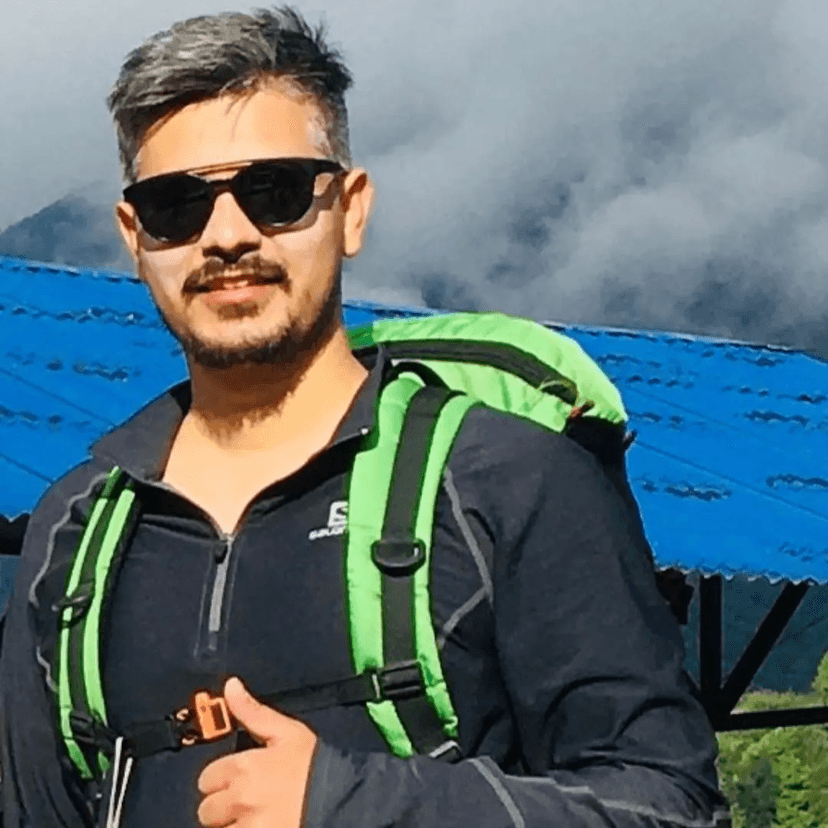
Amir Adhikari is the Founder and Trip Curator of Everest Thrill Trek and Expedition. With 10+ years of experience in Nepal’s competitive tourism sector, he is a recognized expert in designing safe, personalized, and high-thrill Himalayan itineraries. His dedication to responsible travel and creating authentic experiences has positioned Everest Thrill as a leading specialist for Everest, Annapurna, and off-the-beaten-path adventures.


Mera Peak Climbing Package - 17 Days
USD 2355/per person