Date Updated:
Accommodation on Everest Base Camp Trek Route | Where to Stay & Facilities
Table of Contents
- Everest Base Camp Trek Route Accommodation Overview
- What Are Teahouses?
- Types of Accommodation on the Everest Base Camp Trek Route
- What Are the Rooms Like?
- Bathroom Facilities
- Electricity, Wi-Fi, and Phone Charging
- Food and Dining Experience
- How Seasons Affect Accommodation Availability on the Everest Base Camp Trek Route
- Spring (March to May)
- Autumn (September to November)
- Winter (December to February)
- Monsoon (June to August)
- Does Everest Thrill Book Accommodation in Advance?
- Everest Base Camp Trek Route Accommodation Stops by Location (Lukla to Gorak Shep + Pheriche)
- Quick Overview Of Key Accommodation Stops Along the Everest Base Camp Trek Route
- Accommodation in Lukla (2,860 m)
- Accommodation in Phakding (2,610 m)
- Accommodation in Namche Bazaar (3,440 m)
- Accommodation in Tengboche (3,867 m)
- Accommodation in Diboche (3,640 m)
- Accommodation in Pangboche (3,930 m)
- Accommodation in Dingboche (4,410 m)
- Accommodation in Lobuche (4,940 m)
- Accommodation in Gorak Shep (5,164 m)
- Accommodation in Pheriche (4,371 m)
- Conclusion: Finding the Right Accommodation for Your Everest Base Camp Trek
- Everest Base Camp Trek Accommodation FAQs
- What type of accommodation is available on the Everest Base Camp Trek?
- Do Everest Base Camp lodges have private rooms?
- Do Everest Base Camp teahouses have attached bathrooms?
- Are hot showers available during the Everest Base Camp Trek?
- How much does accommodation cost on the Everest Base Camp Trek?
The Everest Base Camp (EBC) Trek is one of the world's most iconic trekking adventures, attracting thousands of trekkers every year to the heart of Nepal's Khumbu region. Following the trails beneath the world's highest mountain, Mount Everest (8,848.86 m), the journey combines spectacular Himalayan scenery, rich Sherpa culture, ancient monasteries, and unforgettable high-altitude experiences.
While the breathtaking landscapes are the highlight of the trek, comfortable accommodation plays an equally important role in making your journey enjoyable and safe. After several hours of hiking each day, having a warm room, a hearty meal, and a welcoming place to rest helps you recover for the next stage of the adventure.
Unlike many remote mountain destinations, the Everest Base Camp Trek has a well-established network of teahouses and mountain lodges stretching from Lukla to Gorak Shep. These lodges provide essential facilities, including comfortable rooms, freshly prepared meals, and common dining areas where trekkers from around the world gather to share their experiences.
Accommodation along the trail ranges from simple family-run teahouses to comfortable luxury lodges in selected villages. As you gain altitude, the facilities become more basic due to the challenging mountain environment, while accommodation costs gradually increase because transporting supplies to higher elevations becomes more expensive.
Whether you're planning the classic Everest Base Camp Trek, the Everest Base Camp Trek with Helicopter Return, or a customized itinerary, understanding what accommodation is available at each overnight stop helps you prepare with confidence and set realistic expectations.
At Everest Thrill, we've spent years guiding trekkers through the Khumbu region and work closely with trusted local lodge owners. This allows us to arrange clean, comfortable accommodation throughout the trek, even during the busy trekking seasons whenever possible.
In this guide, we'll take you through the accommodation available in each village along the Everest Base Camp Trek, including room types, facilities, dining options, and our local recommendations to help you choose the best places to stay.
Everest Base Camp Trek Route Accommodation Overview
One of the most common questions we receive from trekkers is, "What is accommodation like on the Everest Base Camp Trek?"
The good news is that you don't need to carry a tent or camping equipment. Throughout the Everest Base Camp trail, you'll stay in locally operated teahouses and mountain lodges that provide a comfortable place to sleep, freshly prepared meals, and a warm dining area after a day of trekking.
Although accommodation becomes more basic as you climb higher, the hospitality of the Sherpa people and the unique mountain experience make every overnight stay memorable.
At Everest Thrill, we carefully select lodges that offer clean rooms, good service, and reliable hospitality to ensure our trekkers enjoy a comfortable stay throughout the journey.
What Are Teahouses?
Teahouses are family-run mountain lodges that accommodate trekkers along the Everest Base Camp route. Despite the name, they offer much more than tea. Most teahouses provide comfortable rooms, home-cooked meals, hot drinks, and a welcoming dining hall where trekkers can relax and socialize.
These lodges are the backbone of trekking in the Khumbu region and have supported mountaineers and trekkers for decades.
Unlike hotels in cities, teahouses are designed for the mountain environment. Facilities are simple but practical, and service becomes more basic as the altitude increases.
Types of Accommodation on the Everest Base Camp Trek Route
Accommodation along the trail generally falls into two categories.
Standard Teahouses
Standard teahouses are the most common accommodation throughout the Everest Base Camp Trek. They are available in every overnight stop, from Lukla to Gorak Shep.
Most standard teahouses offer:
- Twin-sharing rooms with two single beds
- Comfortable mattresses, pillows, and blankets
- Shared bathrooms
- Warm communal dining rooms
- Freshly cooked breakfast, lunch, and dinner
- Charging facilities (additional charge in most villages)
- Wi-Fi in many villages (paid in higher elevations)
The rooms are simple and clean, designed mainly for resting after a full day of trekking. Since trekkers spend most of their time hiking or relaxing in the dining hall, bedrooms usually include only the essentials.
Luxury Lodges
Trekkers looking for greater comfort can upgrade to luxury lodges in selected villages, particularly in the lower Khumbu region.
Luxury lodges typically provide:
- Larger, well-furnished rooms
- Private attached bathrooms
- Comfortable beds with quality bedding
- Heated dining areas
- Hot showers
- Reliable electricity
- Better Wi-Fi connectivity
- Premium meals and a wider menu
- Higher standards of hospitality
Luxury accommodation is mainly available in Lukla, Phakding, and Namche Bazaar. Beyond these villages, accommodation becomes progressively more basic due to the remoteness and high altitude.
If comfort is a priority, our team at Everest Thrill can customize your itinerary to include the best available luxury lodges wherever possible.
What Are the Rooms Like?
Most rooms on the Everest Base Camp Trek are twin-sharing, meaning you'll share a room with your trekking partner or another trekker if you're travelling solo.
A standard room usually includes:
- Two single beds
- Mattress
- Pillow
- Blanket
- Small table
- Coat hooks or shelves
Heating is generally not available inside the bedrooms. Instead, trekkers gather in the communal dining hall, where a stove, often fueled by yak dung or eco-friendly briquettes, keeps the space warm during the evening.
As temperatures drop with altitude, we recommend bringing a high-quality sleeping bag for extra warmth, especially during winter and the colder months.
Bathroom Facilities
Bathroom facilities vary depending on the village and lodge.
In lower-altitude villages such as Lukla, Phakding, and Namche Bazaar, many lodges offer attached bathrooms, western-style toilets, and hot showers.
From Tengboche onwards, shared bathrooms become more common, and attached bathrooms are available only in a few lodges.
Hot showers are available in many villages but usually require an additional payment. At higher elevations, hot water is limited, and showers may not always be available due to freezing temperatures and water shortages.
Electricity, Wi-Fi, and Phone Charging
Most teahouses provide electricity, but the availability and reliability decrease with altitude.
Along the trail, you can generally expect:
- Charging facilities for mobile phones and cameras (usually at an extra cost)
- Wi-Fi access in many villages
- Mobile network coverage in several locations, although signals become weaker at higher elevations
Because electricity in remote villages is generated by solar power or small hydroelectric systems, charging electronic devices is usually paid separately, especially above Namche Bazaar.
We recommend carrying a power bank so you can keep your essential devices charged throughout the trek.
Food and Dining Experience
Almost every teahouse has a communal dining hall where trekkers enjoy meals, warm drinks, and conversation after a day on the trail.
Menus are surprisingly varied and commonly include:
- Dal Bhat
- Fried rice
- Noodles
- Soups
- Pasta
- Pizza
- Tibetan bread
- Pancakes
- Eggs
- Tea and coffee
- Hot lemon, ginger, and honey drinks
As you ascend, food prices increase because all the supplies must be transported by porters, yaks, or helicopters. Despite the remote location, most lodges prepare fresh meals daily using locally available ingredients.
Our Tips: Choose comfort where it matters most. We recommend upgrading to luxury lodges in Lukla, Phakding, and Namche Bazaar, where the difference in comfort and facilities is significant. Above Namche Bazaar, accommodation becomes more uniform, so the focus shifts from luxury to cleanliness, warm hospitality, and a good night's rest before continuing your trek.
How Seasons Affect Accommodation Availability on the Everest Base Camp Trek Route
Accommodation availability on the Everest Base Camp Trek varies significantly depending on the trekking season. While teahouses remain open throughout most of the year, the number of trekkers, room availability, and the overall trekking experience change from season to season.
At Everest Thrill, we recommend choosing your best EBC trekking season based not only on the weather but also on your comfort level, preferred crowd size, and accommodation expectations.
Spring (March to May)
Spring is one of the most popular times to trek to Everest Base Camp. The weather is generally stable, temperatures are moderate, and the trails come alive with blooming rhododendron forests and clear mountain views. Because this is a peak trekking season, villages such as Namche Bazaar, Dingboche, Lobuche, and Gorak Shep can become very busy.
During this period:
- Popular lodges often fill up early.
- Luxury lodges in Lukla, Phakding, and Namche Bazaar are in high demand.
- Gorak Shep and Lobuche frequently reach full capacity during busy weeks.
Advance booking is highly recommended, especially if you're travelling in a group or prefer upgraded accommodation.
Autumn (September to November)
Autumn is widely considered the best season for the Everest Base Camp Trek. Clear skies, crisp mountain views, and comfortable trekking conditions attract thousands of trekkers from around the world. As a result, accommodation demand is at its highest.
During autumn:
- Most lodges operate at full capacity.
- Rooms in Gorak Shep are often fully booked several days in advance.
- Private rooms and attached bathrooms are limited.
- Early reservations are essential for securing your preferred lodges.
If you plan to trek during October or early November, booking your trek well in advance gives you the best chance of staying in higher-quality lodges throughout the route.
Winter (December to February)
Winter offers a completely different experience. The trails are much quieter, making it easier to find accommodation without advance reservations. Most teahouses remain open, although some smaller lodges at higher elevations may close temporarily due to heavy snowfall or reduced visitor numbers.
During winter, you can expect:
- Greater room availability.
- Less crowded dining halls and villages.
- More flexibility when choosing where to stay.
- Colder temperatures, especially at Lobuche and Gorak Shep.
- Basic facilities, as some services may be limited.
Although finding a room is generally easier, warm accommodation becomes even more important. Choosing well-maintained lodges with comfortable dining areas can make a noticeable difference during cold evenings.
Monsoon (June to August)
The monsoon season sees the fewest trekkers on the Everest Base Camp trail. As a result, accommodation is usually easy to find, and most villages are relatively quiet. However, frequent rain, cloudy conditions, and occasional flight delays to and from Lukla can affect travel plans.
During the monsoon:
- Most lodges have plenty of available rooms.
- Last-minute accommodation is rarely a problem.
- Flights to Lukla are more likely to be delayed or cancelled due to poor weather.
- Trails can become muddy and slippery, particularly at lower elevations.
Trekkers choosing this season should remain flexible with their itinerary and allow extra days in case of weather-related travel disruptions.
Does Everest Thrill Book Accommodation in Advance?
Yes. At Everest Thrill, we arrange accommodation for our trekkers throughout the Everest Base Camp Trek. During the peak spring and autumn seasons, we reserve rooms in advance whenever possible, particularly in busy villages such as Namche Bazaar, Dingboche, Lobuche, and Gorak Shep, where lodges often reach full capacity.
Our strong relationships with local lodge owners help us secure clean, comfortable accommodation and reduce the stress of searching for available rooms after a long day of trekking.
Tip: Even during peak seasons, flexibility is important. Weather conditions, flight delays, or changes in your trekking pace can affect your overnight stop. Our guides monitor the itinerary daily and coordinate with local lodges to arrange the best available accommodation based on your progress.
Trekking during peak seasons, choosing private rooms, or upgrading accommodation can affect your final trekking expenses. Our detailed Everest Base Camp Trek Cost guide explains the expected expenses and helps you plan your budget effectively.
Everest Base Camp Trek Route Accommodation Stops by Location (Lukla to Gorak Shep + Pheriche)
Quick Overview Of Key Accommodation Stops Along the Everest Base Camp Trek Route
| Location | Altitude | Accommodation Standard | Main Features |
|---|---|---|---|
| Lukla | 2,860 m | Standard to Luxury | Best facilities, comfortable lodges, Wi-Fi, attached bathrooms in some hotels |
| Phakding | 2,610 m | Standard to Luxury | Peaceful riverside lodges, comfortable first-night stay |
| Namche Bazaar | 3,440 m | Best on the route | Premium lodges, cafes, bakeries, shops, better internet |
| Tengboche | 3,867 m | Basic Teahouses | Monastery views, simple rooms, peaceful atmosphere |
| Deboche | 3,640 m | Basic to Comfortable | Quiet village, forest surroundings, fewer crowds |
| Pangboche | 3,930 m | Basic Teahouses | Traditional Sherpa village experience |
| Dingboche | 4,410 m | Standard to Comfortable | Best high-altitude accommodation options, acclimatization stop |
| Lobuche | 4,940 m | Basic Teahouses | Limited facilities, essential overnight stop |
| Gorak Shep | 5,164 m | Very Basic | Closest accommodation to Everest Base Camp |
| Pheriche | 4,371 m | Standard to Comfortable | Recovery stop with better comfort after high altitude |
Accommodation in Lukla (2,860 m)
Lukla is the gateway to the Everest Base Camp Trek and the last overnight stop for most trekkers. As the starting point of the journey and home to the famous Tenzing-Hillary Airport, Lukla offers some of the best accommodation options on the entire trail.
Compared to higher-altitude villages, you'll find a wider variety of lodges here, ranging from comfortable family-run teahouses to luxury mountain lodges. Many trekkers also spend an extra night in Lukla after completing the trek, especially if flights are delayed due to mountain weather.
Most lodges offer clean and comfortable twin-sharing rooms with mattresses, pillows, blankets, and basic furniture. If you prefer additional comfort before or after your trek, Lukla is one of the best places to upgrade your accommodation.
Lukla has some of the most extensive menus on the Everest Base Camp route. Along with traditional Nepali meals such as Dal Bhat, you'll find a wide variety of dishes. Whether you're looking for local cuisine or familiar international dishes, Lukla offers plenty of choices to suit different tastes.
Our Tip: Lukla offers the highest standard of accommodation you'll experience before heading into the more remote parts of the Khumbu region. If your budget allows, upgrading to a luxury lodge here is worthwhile, as you'll enjoy better facilities, a comfortable night's sleep, and a relaxed time after your Everest Base Camp adventure.
Accommodation in Phakding (2,610 m)
Phakding is the first overnight stop for most trekkers after a 3 to 4-hour hike from Lukla. Nestled along the banks of the Dudh Koshi River, this peaceful Sherpa village offers a relaxing environment to ease into the Everest Base Camp Trek.
Although it sits at a lower altitude, Phakding has a good selection of teahouses and a few comfortable luxury lodges. The village is well-equipped for trekkers and provides a pleasant introduction to mountain accommodation before heading into the higher Himalayas.
Accommodation in Phakding is comfortable, with most lodges offering clean rooms, hearty meals, and the basic facilities needed for a restful night's stay. Since the village is at a relatively low altitude, you'll generally find better amenities here than in the villages further along the trail.
Our Tip: Phakding offers an excellent balance of comfort, scenery, and traditional Sherpa hospitality. Whether you choose a standard teahouse or a luxury lodge, you'll find clean accommodation and welcoming hosts ready to make your stay enjoyable. For trekkers seeking extra comfort, we recommend staying at Yeti Mountain Home or The Beyul & Hermitage Farm, both of which provide some of the best accommodation in Phakding.
Accommodation in Namche Bazaar (3,440 m)
Namche Bazaar is the most famous and developed settlement on the Everest Base Camp Trek route. Often called the gateway to Everest, this vibrant Sherpa town is an important acclimatization stop where trekkers usually spend an extra night before continuing toward higher elevations.
Built on a natural amphitheater surrounded by spectacular Himalayan peaks, Namche offers the widest range of accommodation options after Lukla. Compared to other villages along the trail, it provides a higher level of comfort, better facilities, and more choices for trekkers.
From traditional teahouses to premium mountain lodges, accommodation in Namche Bazaar can suit different budgets and preferences. It is also one of the best places on the trek to enjoy modern comforts before entering the more remote sections of the Khumbu region.
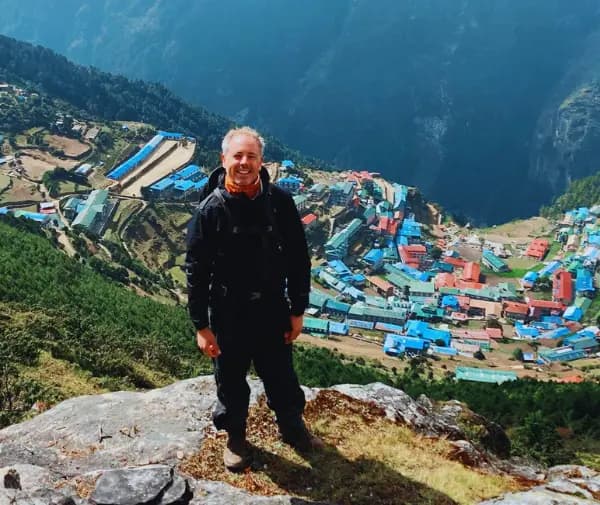
Namche is more than just a resting point. It is a lively mountain town with bakeries, cafes, shops, gear stores, museums, and local markets. This makes it an ideal place to relax, explore Sherpa culture, and prepare for the challenging days ahead.
Our Tip: Namche Bazaar is the best location on the Everest Base Camp Trek to experience a balance between Himalayan adventure and modern comfort. For trekkers seeking premium accommodation, upgrading in Namche is highly recommended because the difference in comfort is noticeable before entering higher-altitude areas.
Accommodation in Tengboche (3,867 m)
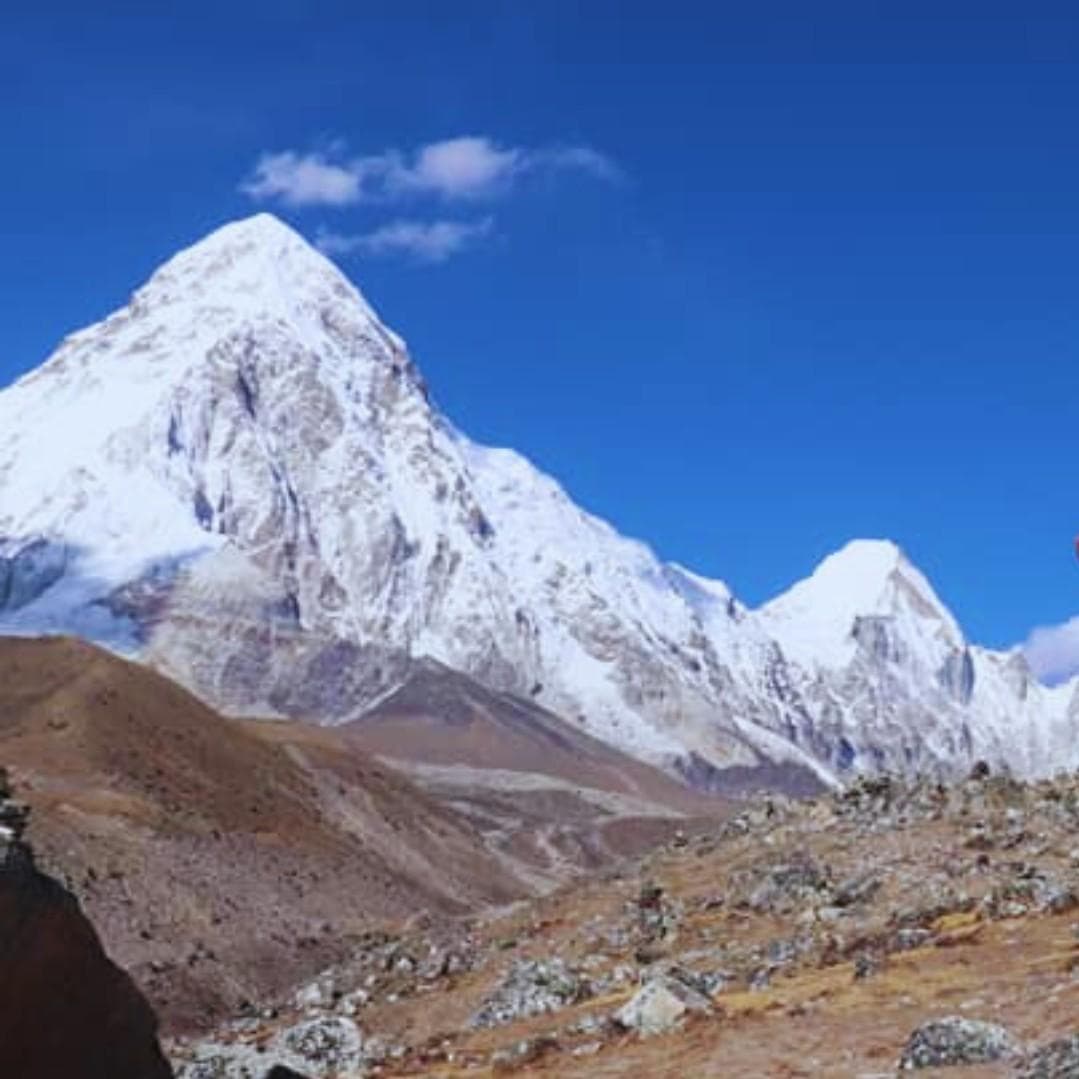
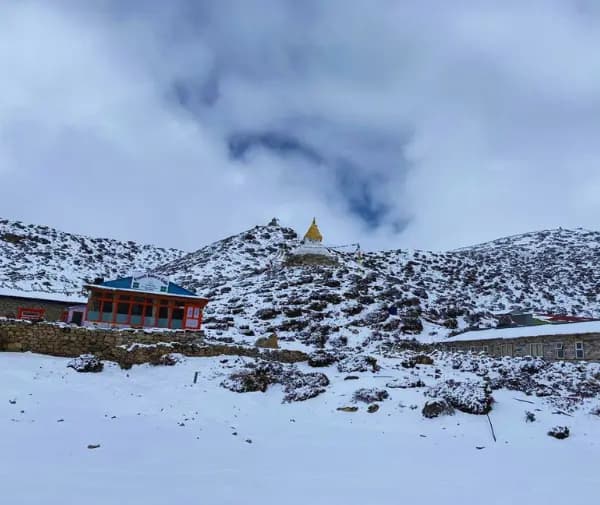
Tengboche is one of the most beautiful and spiritually significant stops on the Everest Base Camp Trek. Located at an altitude of 3,867 meters, this peaceful mountain village is famous for the historic Tengboche Monastery and its breathtaking views of some of the Himalayas' most iconic peaks, including Ama Dablam, Everest, Lhotse, and Thamserku.
Unlike Lukla, Phakding, and Namche Bazaar, Tengboche is a smaller and more remote settlement. Therefore, accommodation options are more limited and focused mainly on simple, comfortable teahouses rather than luxury lodges.
Tip: Tengboche offers a completely different accommodation experience compared to the lower villages. Here, the focus shifts from comfort and facilities to authentic Himalayan atmosphere, Sherpa culture, and incredible mountain scenery. Wake up early if possible and enjoy the sunrise views over Ama Dablam and the surrounding Himalayan peaks.
Accommodation in Diboche (3,640 m)
Deboche is a peaceful and scenic village located just below Tengboche on the Everest Base Camp Trek route. Situated at an altitude of 3,640 meters, it offers a quieter alternative to the more popular Tengboche overnight stop.
Surrounded by beautiful rhododendron forests and spectacular Himalayan views, Deboche provides trekkers with a calm environment to rest, recover, and adjust to the increasing altitude before continuing toward Pangboche, Dingboche, and the Everest Base Camp region.
Many experienced trekkers prefer staying in Deboche because it is less crowded than Tengboche while still offering easy access to the famous Tengboche Monastery area. The village provides a more peaceful mountain experience with comfortable teahouses and warm Sherpa hospitality.
Tip: Deboche is an excellent choice for trekkers who prefer a quieter environment. Staying here allows you to enjoy the peaceful Himalayan surroundings while avoiding some of the evening crowds found in larger settlements. The forested landscape and mountain views make it one of the most relaxing overnight stops on the Everest Base Camp route.
Accommodation in Pangboche (3,930 m)
Pangboche is one of the oldest and most culturally significant Sherpa villages in the Khumbu region. Located at an altitude of 3,930 meters, this traditional mountain settlement sits along the Everest Base Camp Trek route and offers spectacular views of Ama Dablam, Thamserku, and surrounding Himalayan peaks.
Known for its ancient Sherpa heritage and the historic Pangboche Monastery, the village provides trekkers with an opportunity to experience authentic Himalayan life before continuing toward the higher-altitude villages of Dingboche, Lobuche, and Gorak Shep.
Compared to Namche Bazaar and Dingboche, Pangboche is smaller and quieter. Accommodation options are limited, but the available teahouses provide a warm, comfortable, and genuine mountain experience.
Tip: Pangboche is a great place to slow down and experience authentic Sherpa culture. Take some time to explore the village and visit Pangboche Monastery if your schedule allows. The cultural experience here adds a special dimension to the Everest Base Camp Trek beyond the mountain scenery.
Accommodation in Dingboche (4,410 m)
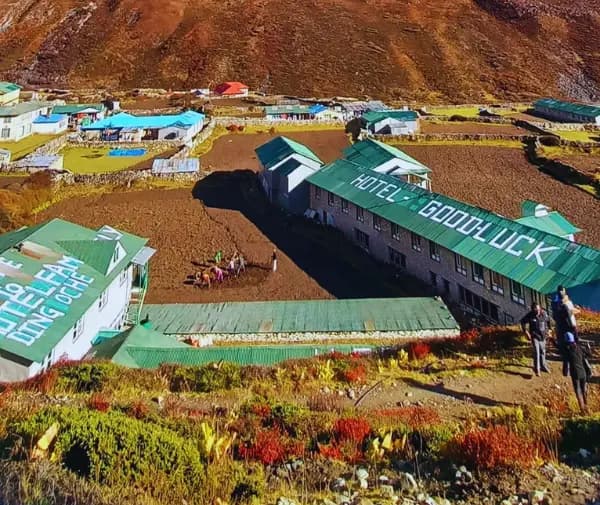
Dingboche is one of the most important overnight stops on the Everest Base Camp Trek. Located at an altitude of 4,410 meters, this beautiful Sherpa village is a major acclimatization point where trekkers usually spend an extra night to help their bodies adjust before continuing toward Lobuche, Gorak Shep, and Everest Base Camp.
Surrounded by spectacular Himalayan landscapes, Dingboche offers impressive views of Ama Dablam, Lhotse, Island Peak, and the surrounding peaks. Compared to Pangboche and Tengboche, it is a larger settlement with a wider selection of teahouses and slightly better trekking facilities.
Although accommodation becomes more basic due to the altitude, Dingboche provides a comfortable and welcoming environment where trekkers can rest, acclimatize, and prepare for the challenging days ahead.
Tip: Dingboche is not just a place to sleep; it is a crucial acclimatization stop. Use your extra day wisely by taking a short hike to Nangkartshang Hill, staying hydrated, and allowing your body enough time to adjust before moving higher toward Lobuche and Gorak Shep.
Accommodation in Lobuche (4,940 m)
Lobuche is one of the highest overnight stops on the Everest Base Camp Trek and an important resting point before the final journey to Gorak Shep and Everest Base Camp. Located at an altitude of 4,940 meters, this small mountain settlement sits close to the Khumbu Glacier and offers dramatic views of the surrounding Himalayan peaks.
Unlike lower villages such as Lukla, Namche Bazaar, and Dingboche, accommodation in Lobuche is much more basic due to its extreme altitude and remote location. However, the available teahouses provide the essential facilities trekkers need: a warm place to sleep, nourishing meals, and a comfortable dining area to recover before the challenging final section of the trek.
For many trekkers, Lobuche represents an important milestone. After reaching this altitude, the focus shifts from comfort and facilities to proper rest, acclimatization, and preparation for reaching Everest Base Camp.
Tip: Lobuche is a short but important stop before reaching Everest Base Camp. Do not focus on luxury here; focus on rest, hydration, and keeping yourself warm. A comfortable evening and good sleep can make a significant difference for your early morning trek toward Gorak Shep and Everest Base Camp.
Accommodation in Gorak Shep (5,164 m)
Gorak Shep is the final settlement on the Everest Base Camp Trek and the last overnight stop before reaching Everest Base Camp (5,364 m) and Kala Patthar (5,644 m). Located at an altitude of 5,164 meters, this remote Himalayan village sits beside the Khumbu Glacier and offers some of the closest accommodation to Mount Everest.
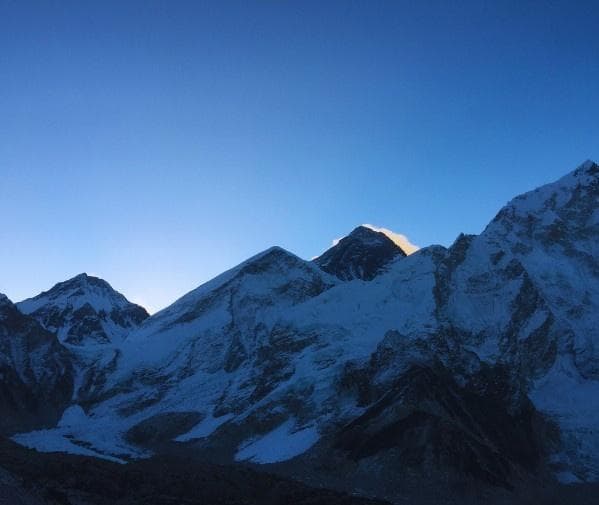
For most trekkers, staying in Gorak Shep is one of the most exciting moments of the entire journey. From here, you can complete the final hike to Everest Base Camp and enjoy one of the world's most iconic mountain viewpoints from Kala Patthar.
However, it is important to have realistic expectations. Due to its extreme altitude and harsh environment, accommodation in Gorak Shep is the most basic of the entire Everest Base Camp route. The limited facilities, cold temperatures, and high demand make it very different from the comfortable lodges found in Lukla or Namche Bazaar.
Despite the simplicity, the incredible location and once-in-a-lifetime experience make a stay in Gorak Shep unforgettable.
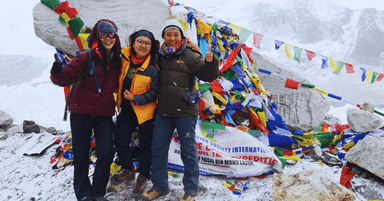
Just before reaching the EBC, you’ll have to travel through the Gorak Shep, a mythical place that feels unearthly.
Tip: Do not judge Gorak Shep accommodation by normal hotel standards. This is one of the highest settlements in the world where trekkers can sleep, and its value comes from location rather than luxury. A warm meal, a safe room, and a clear morning view of Everest make the experience truly special.
Accommodation in Pheriche (4,371 m)
Pheriche is a beautiful Sherpa village located at an altitude of 4,371 meters in the Khumbu region. Although many trekkers stay in Dingboche while heading toward Everest Base Camp, Pheriche is a popular overnight stop, especially on the return journey after completing the Everest Base Camp and Kala Patthar hikes.
Surrounded by wide valleys, glacial landscapes, and impressive Himalayan peaks, Pheriche offers a more open and peaceful environment compared to some of the busier villages along the route.
One of the reasons Pheriche is important on the Everest Base Camp Trek is its role in altitude awareness and recovery. The village is home to the Himalayan Rescue Association (HRA) Aid Post, which provides medical support and altitude-related information for trekkers.
Accommodation in Pheriche is more comfortable than in the higher settlements of Lobuche and Gorak Shep because of its lower elevation and larger village area. The lodges here offer a good balance of basic Himalayan accommodation and improved facilities, making it a pleasant place to rest after the challenging high-altitude sections of the trek.
Tip: Many trekkers rush through Pheriche because they are focused on reaching Everest Base Camp. However, it is one of the most enjoyable villages to appreciate after the high-altitude section. Take time to relax, enjoy the scenery, and allow your body to recover before continuing back toward Namche and Lukla.
Conclusion: Finding the Right Accommodation for Your Everest Base Camp Trek
Accommodation is one of the most important parts of planning a successful Everest Base Camp Trek. From the comfortable lodges of Lukla and Namche Bazaar to the simple mountain teahouses of Lobuche and Gorak Shep, each stop along the route offers a different experience shaped by altitude, location, and local Sherpa culture.
The Everest Base Camp route has a well-established network of teahouses that provides trekkers with essential services, including meals, warm rooms, and a place to rest after long days of hiking. Although facilities become more basic as you move higher, the incredible mountain scenery, friendly lodge owners, and authentic Himalayan atmosphere make every overnight stay special.
Trekkers should understand that accommodation on the Everest Base Camp Trek is different from regular hotel travel. At lower elevations, you can find more comfortable lodges with better facilities, while higher-altitude villages focus on providing essential comfort in a challenging environment.
The best accommodation choice depends on:
- Your trekking season
- Budget
- Comfort expectations
- Trekking itinerary
- Group size
- Availability during your travel period
During peak seasons, especially spring and autumn, advance planning is highly recommended because popular villages such as Namche Bazaar, Dingboche, Lobuche, and Gorak Shep have limited accommodation capacity.
At Everest Thrill, we understand that a comfortable stay plays an important role in your overall trekking experience. Through our local knowledge and strong relationships with lodge owners in the Khumbu region, we help arrange suitable accommodation throughout your Everest Base Camp journey.
Whether you choose a standard teahouse experience or upgraded accommodation where available, our goal is to make your trek comfortable, safe, and memorable.
The Everest Base Camp Trek is not only about reaching the destination; it is about experiencing the journey through the heart of the Himalayas, connecting with Sherpa culture, and creating memories that last a lifetime.
Ready? Book 14 days Everest Base Camp trek Package in Nepal with us.
Everest Base Camp Trek Accommodation FAQs
What type of accommodation is available on the Everest Base Camp Trek?
Accommodation on the Everest Base Camp Trek mainly consists of teahouses and lodges operated by local Sherpa families. These provide basic but comfortable facilities, including twin-sharing rooms, meals, bathrooms, and common dining areas.
In lower villages such as Lukla, Phakding, and Namche Bazaar, trekkers can find more comfortable lodges with upgraded facilities. Higher villages like Lobuche and Gorak Shep offer simpler accommodation due to altitude and remote conditions.
Do Everest Base Camp lodges have private rooms?
Private rooms are available in some lower-altitude villages, including:
- Lukla
- Phakding
- Namche Bazaar
Availability becomes limited at higher elevations. In places like Lobuche and Gorak Shep, most trekkers stay in twin-sharing rooms because accommodation options are limited. If you require a private room, it is best to inform your trekking company before starting the trek.
Do Everest Base Camp teahouses have attached bathrooms?
Attached bathrooms are available in some lodges in lower villages, particularly Lukla, Phakding, and Namche Bazaar. However, most higher-altitude teahouses provide shared bathroom facilities. Above Dingboche, attached bathrooms are rare due to limited water supply, infrastructure challenges, and extreme weather conditions.
Are hot showers available during the Everest Base Camp Trek?
Hot showers are available in many lower villages and some higher-altitude lodges, usually for an additional charge. Availability decreases as altitude increases.
In villages such as:
- Lukla
- Phakding
- Namche Bazaar
- Dinboche, hot showers are commonly available.
In:
- Lobuche
- Gorak Shep, may be limited or unavailable.
How much does accommodation cost on the Everest Base Camp Trek?
Accommodation costs vary depending on:
- Location
- Season
- Lodge standard
- Room type
Lower villages generally offer more accommodation choices, while prices increase at higher elevations because supplies must be transported from lower regions. Most trekkers choose standard teahouses as they provide the best balance between comfort and cost.
About Author
Amir Adhikari is the Founder and Trip Curator of Everest Thrill Trek and Expedition. With 10+ years of experience in Nepal’s competitive tourism sector, he is a recognized expert in designing safe, personalized, and high-thrill Himalayan itineraries. His dedication to responsible travel and creating authentic experiences has positioned Everest Thrill as a leading specialist for Everest, Annapurna, and off-the-beaten-path adventures.


Private Everest Base Camp Trek Package (14 days)
USD 1366/per person