Date Updated:
Best Time for Manaslu Circuit Trek 2026/27 | Month By Month Guide
Table of Contents
- Quick Answer: When Should You Trek Manaslu?
- Why Timing Matters on the Manaslu Circuit
- Manaslu Circuit Weather by Month
- January and February
- March
- April
- May
- June to August
- September
- October
- November
- December
- Larke La Pass Conditions by Season
- When Is Larkya La Most Favorable?
- What Makes the Pass Difficult?
- Manaslu Weather at Different Elevations
- Lower Budhi Gandaki Valley
- Namrung, Lho and Samagaun
- Samdo and Dharmasala
- Larkya La
- October vs. April: Which Should You Choose?
- How to Choose Your Manaslu Trek Dates
- Your Experience and Walking Pace
- Acclimatization
- Flexibility
- Current Trail Conditions
- What to Pack for the Manaslu Circuit by Season
- Spring and Autumn
- Monsoon
- Winter and Early Spring
- Final Thoughts: When Should You Trek Manaslu?
The best time for the Manaslu Circuit Trek is generally autumn (September to November) and spring (March to May). For most trekkers, October offers the best combination of clear mountain views, relatively dry trails, and favorable conditions for crossing Larke La Pass at 5,106 m. April is the strongest spring alternative, particularly if you want rhododendron blooms and greener landscapes.
From our experience organizing Manaslu trips, the biggest seasonal difference is felt after Samagaun. The lower Budhi Gandaki Valley can be comfortable, while conditions around Samdo, Dharmasala and Larke La are already much colder. Snow, wind, visibility and the condition of the high trail can change the experience considerably.
Quick Answer: When Should You Trek Manaslu?
| Month | Season | Typical Conditions | Larke La | Crowds | Planning |
|---|---|---|---|---|---|
| January | Winter | Very cold; snow likely at high elevations | Difficult | Very low | Experienced trekkers |
| February | Winter | Cold; snow possible | Difficult | Very low | Experienced trekkers |
| March | Spring | Cold early; improving later | Snow possible | Low-moderate | Better later |
| April | Spring | Mild and generally stable | Favorable | Moderate | Excellent |
| May | Spring | Warmer; clouds increase | Variable | Moderate | Better early |
| June | Monsoon transition | Increasing rain and cloud | Less predictable | Very Low | Not preferred |
| July | Monsoon | Wet, muddy and cloudy | Unpredictable | Very Low | Avoid for most |
| August | Monsoon | Wet with poor visibility | Unpredictable | Very Low | Avoid for most |
| September | Autumn transition | Improving after monsoon | Better later | Moderate | Good later |
| October | Autumn | Dry, clear and stable | Generally favorable | High | Excellent |
| November | Late autumn | Clear but colder | Usually favorable early | Moderate | Excellent early |
| December | Winter | Cold; snow increasingly possible | Can become difficult | Low | Experienced trekkers |
Short answer:
- Best overall: October
- Best spring month: April
- Quieter alternatives: Late September and November
- Best for rhododendrons: March and April
- Winter option: December to February for experienced trekkers
- Least suitable for a standard itinerary: July and August
Why Timing Matters on the Manaslu Circuit
The Manaslu route climbs from the lower Budhi Gandaki Valley through forests and alpine terrain toward Larkya La. The large change in elevation creates significant differences in temperature, precipitation and trail conditions along the Manaslu route.
This is why we do not judge a departure date only by conditions at the trailhead.
Before confirming dates, we pay particular attention to:
- Trail conditions in the lower valley
- Snow around Samdo, Dharmasala and Larkya La
- Mountain visibility
- Overnight temperatures
- Accommodation availability
- Daylight for the pass crossing
- Flexibility if the weather delays the itinerary
A good season improves your chances of favorable conditions, but it does not guarantee them.
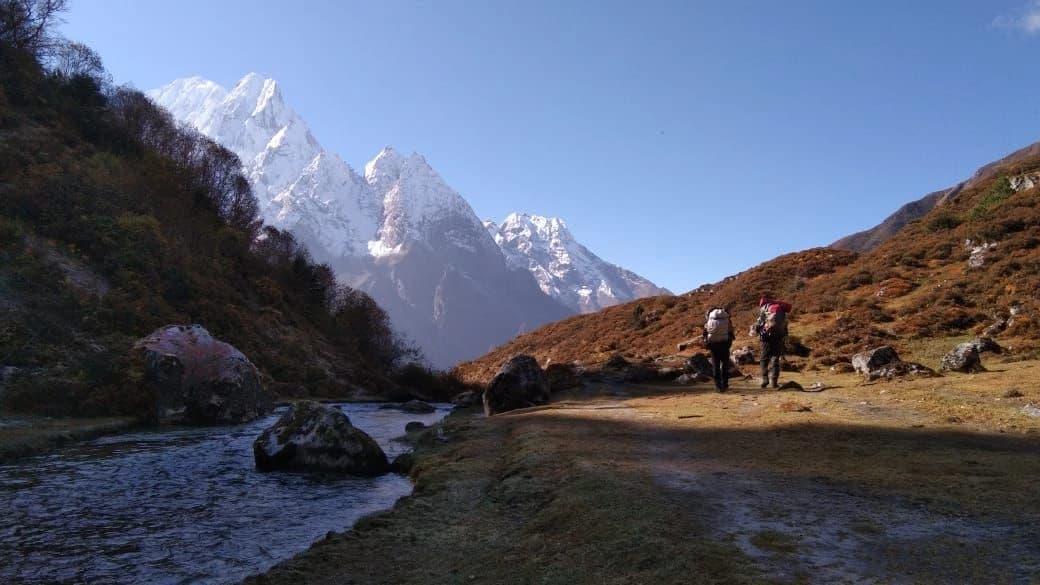
Manaslu Circuit Weather by Month
January and February
January and February are the coldest months on the high sections of the Manaslu circuit. Snow and ice can make the Larkya La Pass much harder to cross.
Lower villages can still have sunny days, but conditions become much colder as you climb. Services and Manaslu trek route accommodations can also be more limited in the higher sections.
We would plan a winter circuit only for trekkers who are prepared for cold conditions and have enough flexibility to change the itinerary if the pass becomes unsuitable.
March
March is a transition month. Lower sections begin warming, but winter conditions can remain around Larkya La, particularly early in the month.
For March departures, we prefer allowing some flexibility rather than scheduling the pass crossing with no room for delay.
April
April brings warmer days, greener forests and rhododendron blooms along the lower and middle sections.
The high trail is also generally more manageable than during early spring.
April is particularly suitable if you want:
- Rhododendron scenery
- Comfortable daytime walking
- Good mountain visibility
- A favorable spring period for Larkya La
May
May remains within the spring trekking season, but the approach of the monsoon becomes more noticeable.
The lower Budhi Gandaki Valley becomes warmer, while clouds can develop more frequently as the month progresses.
If trekking in May, we would favor the first half of the month where possible and maintain flexibility around the higher sections.
June to August
The monsoon affects the lower Manaslu trail most strongly.
Rain can make trails muddy and slippery, while landslides, swollen streams, leeches and cloud cover can affect walking and mountain visibility.
The challenge is not limited to Larkya La. Reaching the higher sections can already be complicated by wet and unstable trails lower down.
For a conventional Manaslu Circuit itinerary, July and August are therefore not our preferred months.
September
September is a transition from monsoon to autumn.
Early September can still be wet in the lower valley. Conditions generally improve later in the month as rainfall decreases and mountain visibility becomes more favorable.
Late September can be a useful option if you want to travel before the busiest part of October.
October
October is the month we most often suggest for trekkers who want classic autumn conditions.
The monsoon has generally withdrawn, lower trails are drier, and mountain visibility is often excellent.
For trekkers focused on Manaslu mountain views and the Larkya La crossing, October provides a strong seasonal window.
The trade-off is demand. October is a busy trekking period, so Manaslu restricted-area permits, accommodation and transportation should be arranged ahead of time.
November
November can remain excellent, particularly during the first half.
Mountain visibility is often good, but temperatures drop noticeably at Samdo and Dharmasala. Early starts for the Larkya La crossing can be very cold.
For trekkers who prefer fewer people and do not mind colder nights, November is a practical alternative to October.
December
By December, winter conditions become increasingly important.
Snow can affect the high trail, temperatures fall sharply, and Larkya La can become more demanding. Sunny conditions lower down should not be taken as an indication of conditions at the pass.
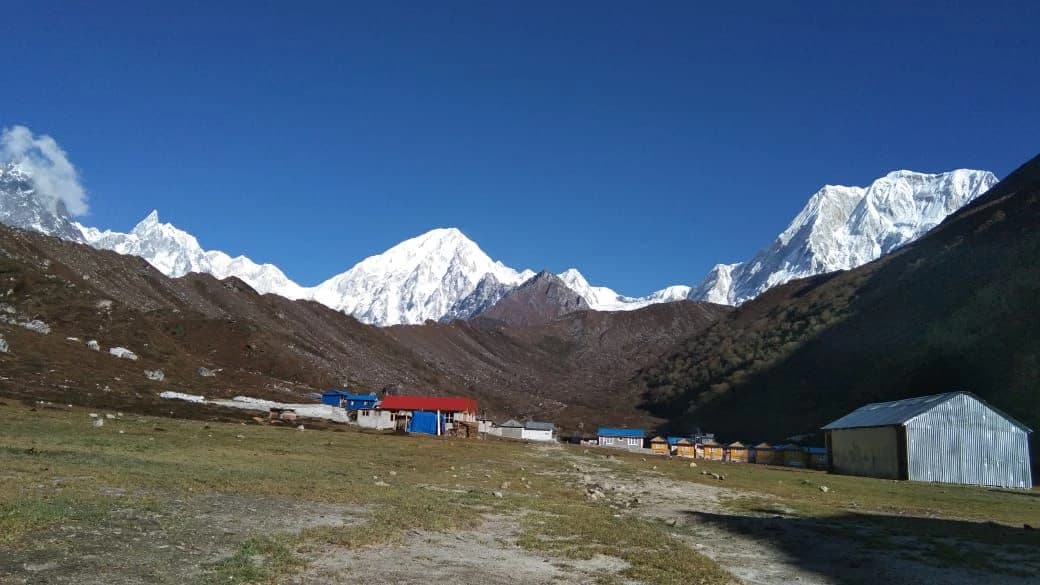
Larke La Pass Conditions by Season
Larkya La is the highest point of the circuit and the section where seasonal weather matters most.
When Is Larkya La Most Favorable?
Spring and autumn generally offer the most practical conditions, particularly around April and October.
However, no month guarantees an easy crossing. Snowfall, wind and visibility can change quickly.
What Makes the Pass Difficult?
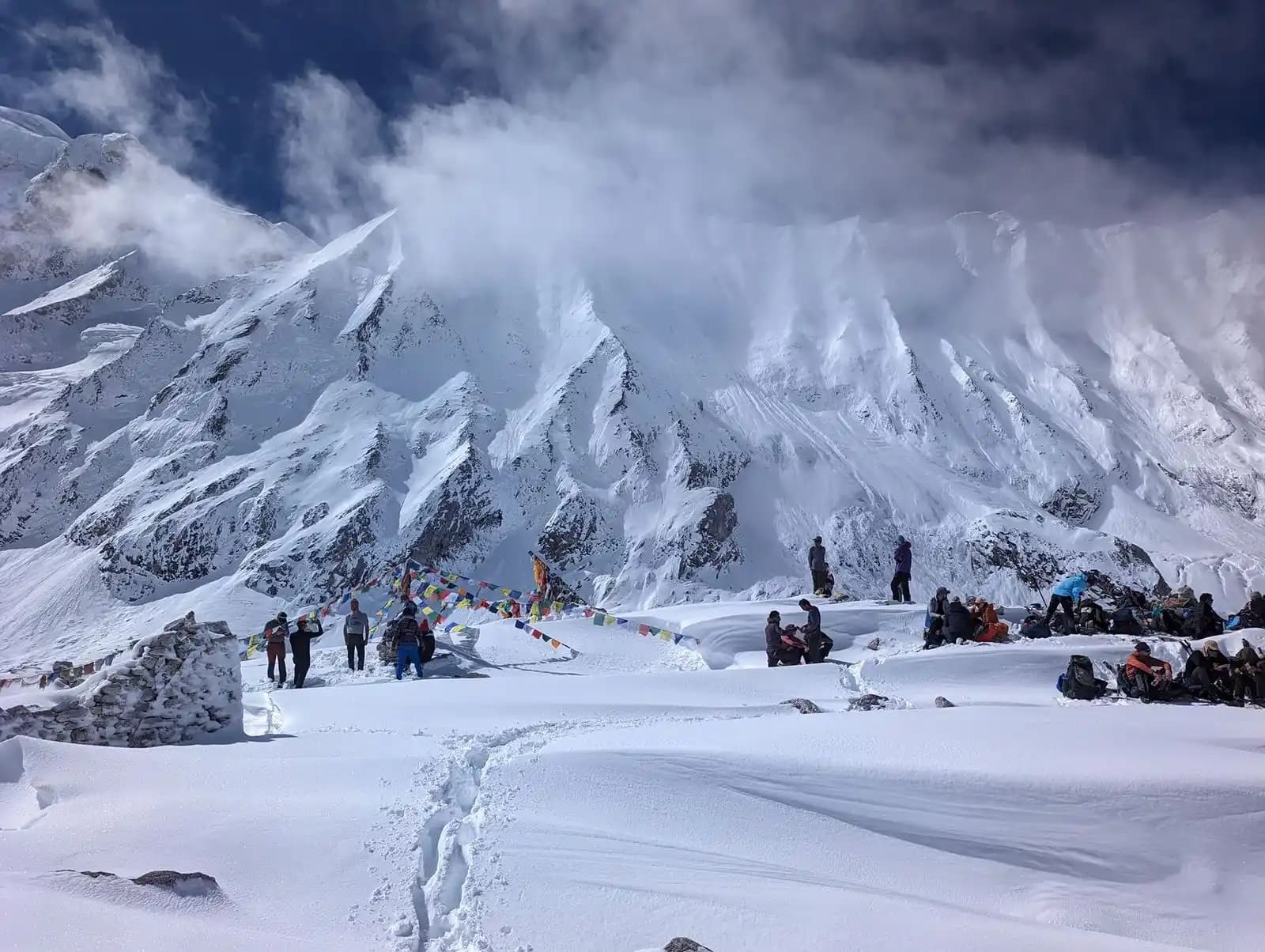
Fresh snow can slow progress and obscure parts of the trail. Ice can make footing difficult, while strong winds and cloud can reduce visibility.
For this reason, we assess the actual conditions before the crossing rather than relying only on the month.
The Larkya La Pass crossing requires an early start, appropriate equipment and enough daylight.
Check our detailed difficulty guide for the Manaslu Circuit trek before planning your remote Himalaya adventure.
Manaslu Weather at Different Elevations
Lower Budhi Gandaki Valley
The lower trail can be warm during the daytime, particularly in spring and early autumn. During the monsoon, rain has a much greater effect here than at higher elevations.
Namrung, Lho and Samagaun
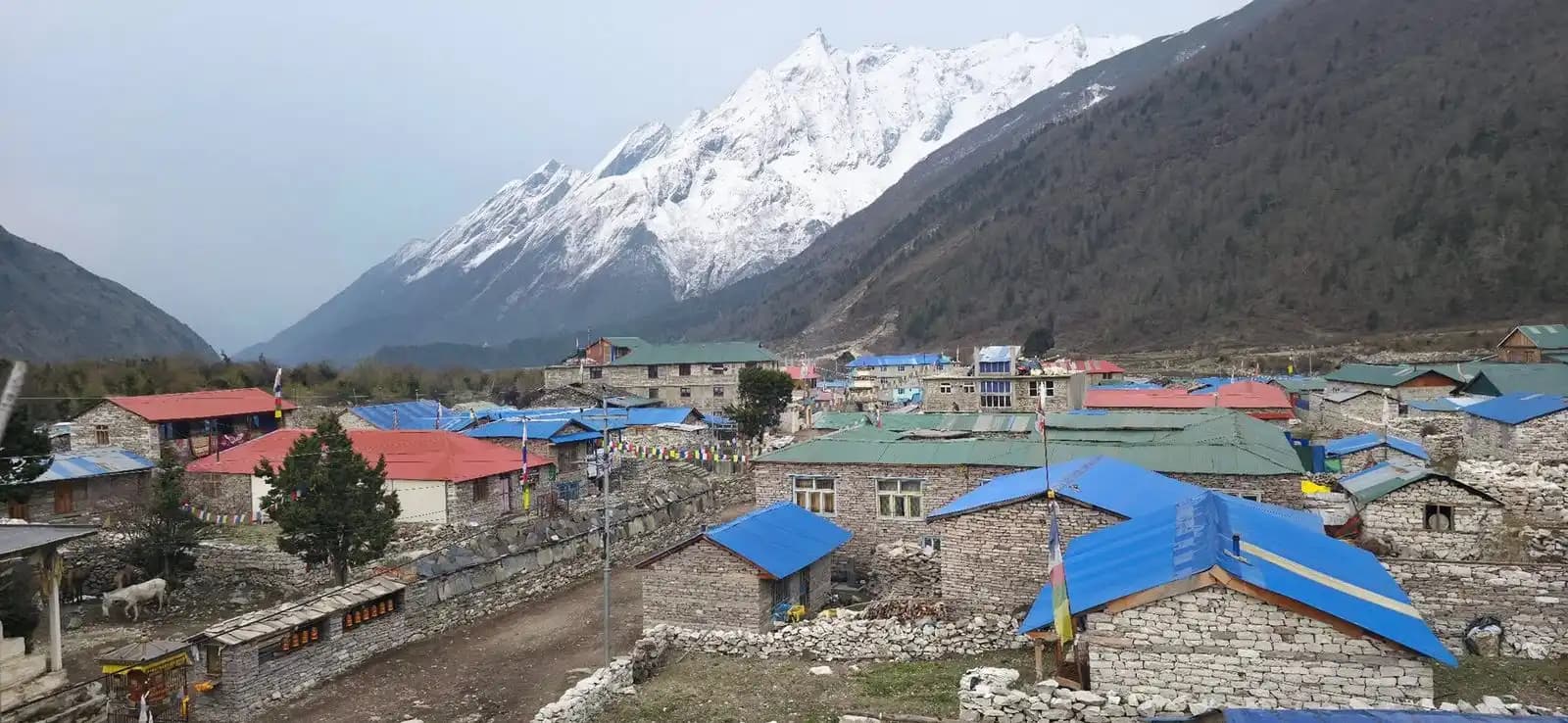
Temperatures become cooler as you climb. Around Namrung, Lho and Samagaun, clear mornings can provide excellent mountain views before clouds develop later in the day.
Samdo and Dharmasala
Cold becomes a major consideration here. Nights can be freezing, and wind can make conditions feel considerably colder.
Dharmasala is also the final major overnight stop before Larkya La, so both your physical condition and the current trail conditions matter.
Larkya La
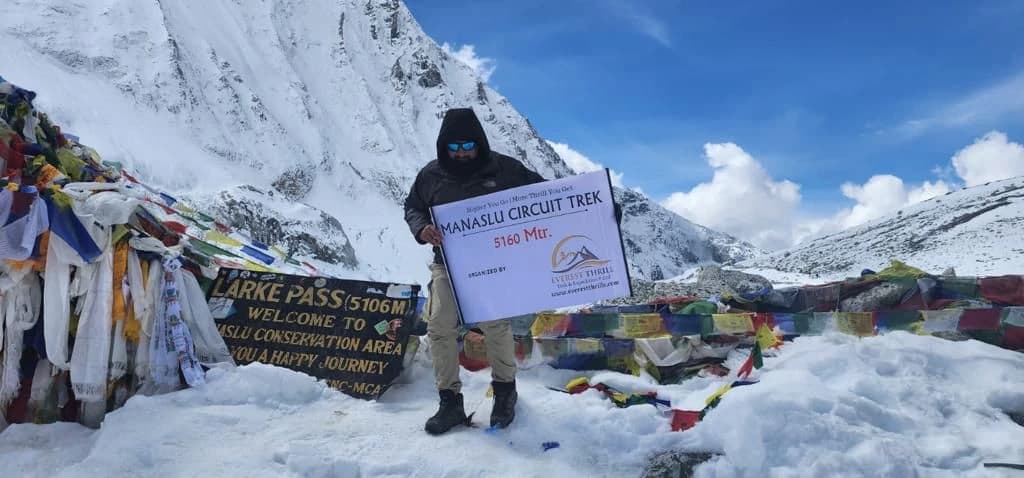
At 5,106 m, the pass can have very different conditions from the villages below. Snow, wind, ice and visibility can change within a short period.
For the pass, current conditions matter more than a historical monthly average.
October vs. April: Which Should You Choose?
Both months fall within the main trekking seasons, but the experience differs.
October suits trekkers who prioritize post-monsoon clarity, dry trails and classic autumn mountain views.
April suits those who prefer spring landscapes, rhododendron blooms and gradually warmer conditions.
If both fit your schedule, the choice mainly comes down to autumn clarity versus spring scenery.
How to Choose Your Manaslu Trek Dates
We recommend considering four practical factors before fixing your departure.
Your Experience and Walking Pace
Your walking pace affects how much flexibility you have each day. Avoid choosing an itinerary based only on the minimum number of trekking days.
Acclimatization
The itinerary should allow gradual elevation gain and appropriate acclimatization before the highest sections.
Flexibility
One or two spare days can be valuable if snow, rain, road conditions or other delays affect your schedule.
Current Trail Conditions
Seasonal patterns are useful for choosing a month, but current conditions become more important as your departure approaches.
What to Pack for the Manaslu Circuit by Season
Spring and Autumn
A warm insulating layer, fleece or mid-layer, waterproof shell, thermal base layers, gloves, warm hat, trekking boots, sunglasses, sunscreen and a suitable sleeping bag are essential.
Monsoon
Prioritize reliable rain protection, backpack protection, quick-drying clothing, gaiters and extra socks. Keep documents and electronics protected from water.
Winter and Early Spring
Use warmer insulation, thermal layers, insulated gloves, a warm sleeping bag and footwear suitable for snow and ice.
Microspikes can be useful when icy conditions remain on the high trail.
Your exact equipment should reflect current conditions rather than the month alone.
Note: Packing list are differ by season for the Manaslu Circuit Trek. Ask for the packing list items with your trekking partner for a better and safer trekking experience.
Final Thoughts: When Should You Trek Manaslu?
| Trekker Type | Best Time | Why |
|---|---|---|
| First-time trekkers | October - Early November | Stable weather, best visibility |
| Photographers | April or November | Bloom or clarity |
| Budget travelers | April or March | Lower permit fees |
| Solitude seekers | Early December or late March | Quiet trails, great weather |
For most trekkers, October is a strong choice because it combines the main autumn trekking window with generally favorable visibility and trail conditions.
April is the main spring alternative, while late September and November can suit trekkers who prefer a quieter trail.
March and May can also work with appropriate flexibility. Winter and monsoon departures require more preparation because conditions can change significantly between the lower valley and Larkya La.
At Everest Thrill, we plan each Manaslu Circuit Trek Package around the season, current route conditions, acclimatization requirements and the trekker's experience rather than treating every departure as identical. We can arrange the Manaslu restricted area permit, guide, transportation, accommodation and itinerary according to the conditions expected during your travel period.
About Author
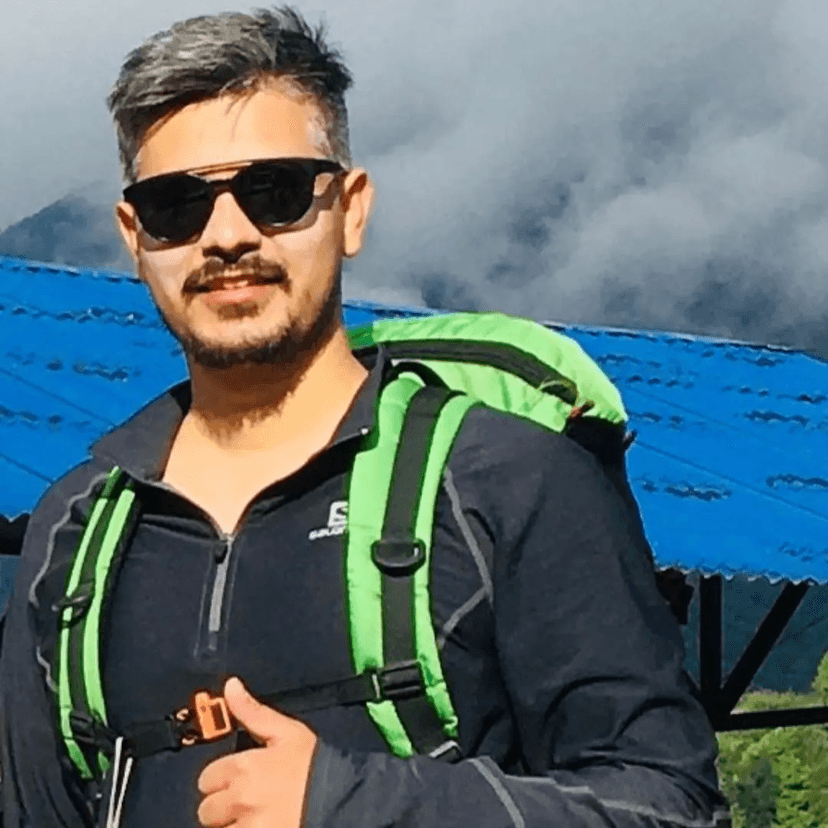
Amir Adhikari is the Founder and Trip Curator of Everest Thrill Trek and Expedition. With 10+ years of experience in Nepal’s competitive tourism sector, he is a recognized expert in designing safe, personalized, and high-thrill Himalayan itineraries. His dedication to responsible travel and creating authentic experiences has positioned Everest Thrill as a leading specialist for Everest, Annapurna, and off-the-beaten-path adventures.


Manaslu Circuit Trek Package - 14 Days
USD 1215/per person