Everest Base Camp Trek For Beginners | Top Tips and Suggestions
Table of Contents
- Highlights Of The Journey
- Gazing up at Giants in Shadow
- Stunning Views Around Every Corner
- A Taste of Sherpa Life
- An Offering Task
- Finding the beginner-friendly Time for The Hiking
- Spring, March to May
- Autumn, September to November
- Other Seasons
- Trek Challenges And How They Can Be Prepared
- Improve Physical Fitness
- Managing Acclimatization
- Mental Readiness
- Getting the Appropriate Gears
- Packing Essentials for Beginners
- Clothing
- Footwear
- Sleeping Suit and Backpack
- Gadgets and Accessories
- First Aid and Toiletries
- Records and Licenses
- Accommodation and Meals Idea
- Lodges and Teahouses in EBC Route
- Meals
- Adequate Nutrition
- How Much Does it Cost for Beginners?
- Are Beginners Required Porter And Guide?
- Tipping Idea For Beginner
- Permits And Regulations For The Trek
- Sagarmatha National Park Permit
- Khumbu Pasang Lhamu Rural Municipality Permit
- Regulations to Follow
- Journey Reflections
Imagine standing at the door to the roof of the world, where the air is crisp, and each breath gives you a sense of achievement.
The Everest Base Camp trek is an experience that changes you, not just a place to go.
As you wander winding trails through lush forests, cross suspension bridges over roaring rivers, and ascend tricky paths scattered with vibrant prayer flags, you will be enthralled by the jaw-dropping views of the Himalayas.
Along the way, you'll meet warmhearted Sherpa communities, explore ancient monasteries, and witness awe-inspiring views of towering peaks, including the majestic Mount Everest.
Whether you're an avid trekker or a curious traveler, the journey to Everest Base Camp offers a unique blend of challenge, culture, and natural splendor that leaves an unforgettable mark on your soul.
Careful trip planning will help beginners complete the Everest Base Camp trek comfortably and safely.
Highlights Of The Journey
The Everest Base Camp trek involves more than just walking - it consists of entering an almost unearthly environment.
It attracts tourists in massive numbers, even those who are new to trekking, for the following reasons:
Gazing up at Giants in Shadow
Imagine yourself being so close to the top of the world, Mount Everest, that you can practically feel its freezing breath.
That is this trek's magic. It is amazing to witness Everest in reality rather than simply in images like meeting a living legend.
Stunning Views Around Every Corner
There is something to be amazed at every turn of this journey. When you first arrive in Lukla, you are encircled by deep valleys and hills.
The mountains are more spectacular as you ascend higher. Long after the walk, you will still enjoy the stunning views of Ama Dablam, Lhotse, and Everest.
A Taste of Sherpa Life
The Sherpa people, who are renowned for their climbing ability and generosity, live in the Khumbu region, which is the backdrop for the trek.
A thorough understanding of this distinctive culture can be gained by exploring their communities, going to monasteries, and living as they do.
It's about making connections with the people who live here, not just about the hike.
An Offering Task
The journey is considered moderately difficult. However, that adds to the charm.
Achieving Everest Base Camp is more than just following a route on a map; it's demonstrating to yourself that you are tougher in facing all kinds of challenges and overcoming lengthy hikes at high altitudes.
And there's no better feeling of accomplishment than reaching your destination.
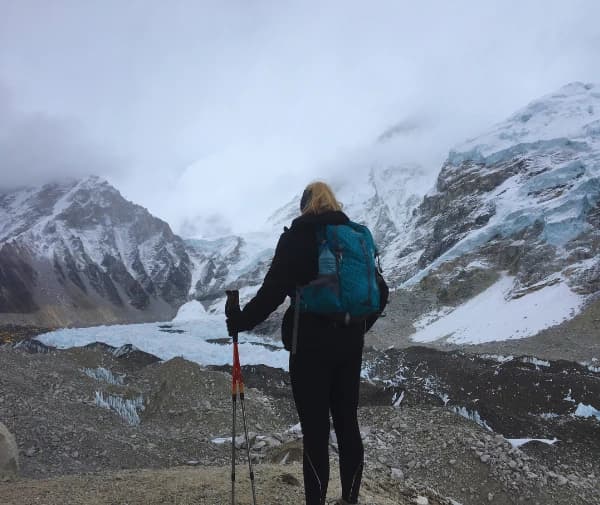
Deciding to hike to Everest Base Camp is choosing to embark on an experience full of culture, beauty, and personal success. You will be rewarded and challenged in ways you could not have predicted on this adventure.
An 11-day Everest Base Camp trek with a heli return package is more suitable for beginners to avoid more days and knee pain.
Finding the beginner-friendly Time for The Hiking
Choosing the Best time to hike to Everest Base Camp is the key to this amazing adventure. A brief overview is provided here for your guidance:
Spring, March to May
Springtime is the most optimal time to go trekking. As the weather warms, the blooming rhododendrons along the walks will add a touch of color to your journey.
Longer days will provide you with more daylight to enjoy the hike and usually offer clear views of the mountains.
Autumn, September to November
Autumn is another appreciated hiking season. Now that the monsoon rains have passed and the sky is clear, some of the best views of Everest and the neighboring peaks are visible.
The excitement is increased by the number of hikers on the routes, making the trek more comfortable.
Other Seasons
It is possible to go trekking in the winter (December to February) and monsoon (June to August), though there are certain difficulties.
Winter brings fewer days and a lot of snow covering the pathways. It's also freezing outside. During the monsoon season, heavy rains can make paths hazardous and block views of the mountains.
For beginners, autumn and spring are the best seasons. The most reliable weather and perfect conditions for an unforgettable hike are offered during these particular times of the year.
Trek Challenges And How They Can Be Prepared
Trekking to Everest Base Camp is a rewarding task, especially for individuals who are new to such excursions.
You can increase the trip's feasibility and comfort with slightly thoughtful preparation.
Below is how to prepare:
Improve Physical Fitness
- Cardio Workouts: Begin by including regular cardiovascular exercises in your routine, such as cycling, swimming, or jogging. These exercises increase the stamina required for strenuous hiking days.
- Strengthening Exercises: Pay particular attention to exercises like lunges and squats that develop leg endurance. This gets your muscles ready for the challenging hills and descents you'll encounter.
- Practice Hikes: Make an effort to go on a few practice hikes while carrying a full backpack. This will increase your endurance for the real hike and help you get used to carrying weight.
Managing Acclimatization
- Scheduled Resting Periods: Your body will need certain days to acclimate to the high altitude during the hike. Regarding the betterment of your health, these acclimatization days are crucial.
- Pace Yourself: Even if you're feeling terrific, walk steadily and don't rush. Going slowly aids in your body's improved altitude adaptation.
- Remain Hydrated: Drink a lot of water when hiking. Maintaining adequate hydration is essential for acclimatization and energy levels.
Mental Readiness
- Positive Thinking: Hiking, particularly in difficult environments, may be mentally draining. To keep motivated, maintain a positive mentality and remind yourself of what you want to achieve.
- Comprehensive Focus: Pay attention to getting to the next community or checkpoint rather than the length of the hike.
- Enjoy the Experience: Remember that the journey is about more than just reaching Everest Base Camp, so cherish every moment. Take in the beauty, enjoy the cultural encounters, and savor the entire experience.
Getting the Appropriate Gears
- Footwear: To prevent blisters and foot pain, use cozy, broken-in trekking boots. You must have comfortable shoes for a rewarding hike.
- Layered Clothes: Wear clothing that is easy to add or remove to be ready for changing weather conditions. You'll be more comfortable all day long if you do this.
- Trekking poles: These can be quite beneficial as they provide additional stability and minimize knee strain, particularly on steeper descents.
You'll be well prepared for the journey to Everest Base Camp if you concentrate on these four areas: fitness, acclimatization, mental toughness, and equipment. Remember, it’s a journey to be enjoyed one step at a time.
Check our comprehensive Everest Base Camp trek preparation guide for more detailed info.
Packing Essentials for Beginners
Having the appropriate gear is essential for a pleasant and successful journey to Everest Base Camp.
The list of everything you'll need is as follows:
Clothing
- Base Layers: Moisture-wicking base layers help keep you dry by drawing moisture away from your skin. For the trek, you'll need at least a couple of sets.
- Insulating Layers: A quality fleece or down jacket is necessary to stay warm on chilly mornings and evenings.
- Outer Layer: You'll be protected from the wind and rain by a windproof and waterproof jacket and pants. These are essentials because alpine weather can be erratic.
- Trekking Shirts and Pants: The finest clothing is light and quick-drying outfits. Convertible pants (those that zip off into shorts) can be handy. Gloves, Hat, and Buff: Warm gloves and a hat are necessary for cold weather. A buff or scarf can protect your face from wind and sun.
Footwear
- Trekking Boots: Invest in a comfortable and well-worn pair of trekking boots. They must be waterproof and offer ankle support.
- Hiking Socks: Pack many sets of socks that can absorb moisture. It is advisable to use wool or synthetic materials, and liner socks can assist in preventing blisters.
- Camp Shoes: Lightweight shoes or sandals for wearing around the evening teahouses can give your feet a break from your trekking boots.
Sleeping Suit and Backpack
- Daypack: For carrying your daily necessities, such as water, snacks, and layers, a comfortable daypack with a decent suspension system is significant.
- Sleeping Bag: It is advised to use a warm sleeping bag rated for at least -10°C. Higher altitude nights can get extremely cold.
- Sleeping Bag Liner: A liner adds extra warmth and helps keep your sleeping bag clean.
Gadgets and Accessories
- Trekking poles: Particularly on steep descents, these aid with balance and lessen knee pain.
- Headlamp: For use at night and in the early morning, a high-quality headlamp with extra batteries is necessary.
- Sunglasses and sunscreen: At high elevations, the sun can be very harsh. To protect your eyes and skin, wear sunglasses with UV protection and apply sunscreen with a high SPF.
- Water Bottles or Hydration System: It's important to stay hydrated, so pack a minimum 2-liter hydration bladder or bottle.
- Portable Charger: A portable charger can keep your electronics charged because there may not always be electricity at higher elevations.
First Aid and Toiletries
- First Aid Kit: For providing supplies such as bandages, painkillers, antiseptic cream, blister cures, and any personal prescriptions you may require.
- Basic Toiletries: Pack personal goods such as toothbrushes, toothpaste, and biodegradable soap. Wet wipes can be useful for freshening up when showers are unavailable.
- Hand sanitizer and toilet paper: Since the trail's facilities can be just basics, these are vital for personal hygiene.
Records and Licenses
- Passport and Visa: Verify that you have the appropriate visa for Nepal and that your passport is valid.
- Trekking Permits: Sagarmatha National Park Entry Permit and TIMS (Trekkers' Information Management System) card are required. These can be made in Kathmandu or through your trekking company.
- Travel Insurance: Bring a copy of your travel insurance plan, which should cover emergency evacuation and trekking at high altitudes.
Making wise packing choices guarantees that you're ready for the challenges of the Everest Base Camp trek.
Possessing the right gear allows you to stay focused on enjoying the journey rather than stressing about any skipped items.
Accommodation and Meals Idea
Maintaining comfort and a healthy diet during your hike to Everest Base Camp is essential for enjoying the trip.
This is an overall look at what you can anticipate:
Lodges and Teahouses in EBC Route
- The local lodges: During the walk, simple guesthouses managed by local families will serve as your lodging. These lodges offer comfortable, modest rooms with twin beds for guests to rest in. The warmth of the hospitality makes up for the limited facilities.
- Facilities: Many hotels have common restrooms; the higher the elevation you go, the less luxurious the facilities can seem. You will encounter some rustic conditions, but that's all part of the trip.
- Reservations: Teahouses tend to fill up rapidly during certain seasons. To guarantee your place, it's advisable to make reservations in advance through a trekking agency or guide, particularly if you wish to guarantee your accommodation in advance.
Meals
- Menu Selections: Teahouses normally serve a variety of meals, ranging from international selections like pasta and noodles to traditional Nepali cuisine like dal Bhat (lentil soup with rice). Normally, you will get the food that you like with local taste.
- Nutrition: To keep your energy levels stable, eat balanced meals. To fuel your trekking days, choose filling, high-carb meals, and don't forget to add vegetables and protein to your diet.
- Hydration: Maintaining proper hydration is crucial. Although teahouses supply boiled water, you may wish to bring along a filter or purification tablets just in case.
Adequate Nutrition
- Communicate in Advance: Let your trekking company or guide know in advance if you have any food needs, such as being gluten-free or vegetarian. While many teahouses can accommodate particular diets, it's advisable to let them know in advance.
- Bring Snacks: There may not be many food options in rural places. Having some nuts or energy bars with you can be a convenient way to add to your meals.
While meals and lodging at Everest Base Camp may be basic, they provide an opportunity to fully experience the native way of life and provide a necessary level of comfort.
Being aware of what to expect helps in planning and enjoying every aspect of your adventure. Check accommodation during the EBC route in detail.
How Much Does it Cost for Beginners?
Normally, cost varies from different factors like no. of days, package options, accommodation options, and guide's involvement.
Generally, 14 14-day Everest Base Camp trek costs 1200$ to 1500$ for beginners. If the number of days increases, prices automatically increase.
Trekking, acclimatization, and cultural encounters are all well-balanced in this schedule, which provides a detailed plan for your Trek to Everest Base Camp.
People who are beginners to the Everest Base Camp Trek can modify the plan according to their physical stamina, pace, weather, and tastes.
It may take 17-18 days, and Everest Thrill suggests and helps every hiker, even if you are a beginner to the trek, in every way possible to make your trek safe and successful. We are also one of the best local operators for the Everest Base Camp trek.
Are Beginners Required Porter And Guide?
Having a guide or porter with you on your journey to Everest Base Camp can be quite beneficial, particularly for inexperienced hikers.
Their assistance is important in terms of improving the overall experience as well as providing useful support. The following justifies why hiring them is fruitful:
A guide helps more than just lead the way. They are seasoned experts who provide important knowledge about the path, the local way of life, and the scenery.
For Everest Base Camp Trek beginners, carrying large weights at high elevations can be physically demanding. Porters fill in that role. They take care of the majority of your equipment, which greatly simplifies the trip.
Hiring a guide/porter combination is an option for those looking to keep expenses under control. This is an affordable option because these people not only carry part of your equipment but also provide some basic advice.
Tipping Idea For Beginner
At the end of the hike, tips are common. Trekkers often donate 10% of the overall trek fee. However, the percentage might change depending on the quality of services.
So it is always recommended to tip guides and porters, which is the source of their extra income and a way to show your heartfelt gratitude to them.
Including porters and guides in your trip can enhance your experience and make the route to Everest Base Camp easier.
Their presence, assistance, and local knowledge provide your journey with a layer of comfort and cultural richness that transforms an exhausting trek into a fun one.
Permits And Regulations For The Trek
To hike to Everest Base Camp, you’ll need to secure a few permits and follow local regulations. These permits help manage the number of trekkers and support the conservation efforts in the region.
Here’s what you need to know:
Sagarmatha National Park Permit
As Everest Base Camp lies within Sagarmatha National Park, you’ll need a permit to enter this protected area.
Cost: Around $30 (3,000 NPR) per person.
Where to Get It: You can obtain this permit at the entrance of Sagarmatha National Park in Monjo.
Khumbu Pasang Lhamu Rural Municipality Permit
This permit is required for trekking in the Khumbu region, which includes Everest Base Camp.
Cost: Around $20 (2,000 NPR).
Where to Get It: Available in Lukla upon arrival.
Regulations to Follow
- Stay on Designated Trails: Always stick to marked trails to avoid damaging the environment.
- Respect Local Customs: Follow local cultural practices and respect religious sites.
- No Unauthorized Camping: You’re required to stay in lodges or teahouses along the trail- wild camping is not allowed.
By securing these permits and following local regulations, you’ll be contributing to the preservation of the natural beauty and cultural heritage of the Everest region.
Journey Reflections
To wrap things up, the Everest Base Camp hike is a once-in-a-lifetime experience that, with the correct planning, even beginners can complete.
The trek itself is just as significant as arriving at the foot of the highest mountain in the world.
Trekking through colorful Sherpa communities, exhilarating suspension bridges, and never-ending views of the mountains are all part of the experience.
Although tough terrain and altitude may challenge you, the sense of accomplishment, the breathtaking scenery, and the friendly natives make the experience worthwhile.
Hence, this trip provides first-time trekkers with more than just a demanding journey; it's an opportunity to fully immerse oneself in the pure beauty and culture of the Himalayas and make lifelong memories.
Ensure that you have the best Nepal Travel Insurance that covers everything in case of an emergency to reduce the burden or pressure.
Contact us for booking and any kind of inquiries related to the Everest Base Camp trekking.
Good Luck, and Happy Trekking!
About Author
Amir Adhikari is the Founder and Trip Curator of Everest Thrill Trek and Expedition. With 10+ years of experience in Nepal’s competitive tourism sector, he is a recognized expert in designing safe, personalized, and high-thrill Himalayan itineraries. His dedication to responsible travel and creating authentic experiences has positioned Everest Thrill as a leading specialist for Everest, Annapurna, and off-the-beaten-path adventures.