Date Updated:
Manaslu Circuit Trek Food Guide | Meals, Menu & Tips
Table of Contents
- What Food Is Available on the Manaslu Circuit?
- How Food Changes From Soti Khola to Larkya La
- Breakfast on the Manaslu Circuit
- Dal Bhat
- Lunch on the Manaslu Circuit
- Dinner on the Manaslu Circuit
- Momos, Thukpa and Other Local Dishes
- Is Meat Available on the Manaslu Circuit?
- What to Eat on the Larkya La Pass Day
- Snacks: What Should You Carry?
- Drinking Water on the Manaslu Circuit
- Boiled Water
- Water Filters
- Purification Tablets
- Bottled Water
- Does Drinking More Water Prevent Altitude Sickness?
- Vegetarian, Vegan and Gluten-Free Food
- Vegetarian Food
- Vegan Food
- Gluten-Free Food
- How Much Does Food Cost on the Manaslu Circuit?
- Are Meals Included in a Manaslu Trek Package?
- How Much Cash Should You Carry for Food?
- Practical Food Advice From a Trek Organizer
- Simple Food Plan for Different Trekking Days
- What Food Should You Pack From Kathmandu?
- Our Final Say
Food on the Manaslu Circuit Trek is mainly available at teahouses and mountain lodges along the route. Lower villages offer a wider choice of meals, while options become simpler and more expensive as you reach higher, more remote areas.
You do not need to carry food for the entire trek. Most trekkers eat three meals at teahouses and carry snacks for the trail. If you have dietary restrictions, you should plan ahead because choices become limited at higher elevations.
This guide explains what you can expect to eat on the Manaslu Circuit, how food changes along the route, what to carry, how to manage drinking water, and how to plan your food budget.
What Food Is Available on the Manaslu Circuit?
The Manaslu Circuit is mainly a teahouse trek, so food is available at most overnight stops. Each lodge has its own menu, and the choice depends on the village, available supplies, and altitude.
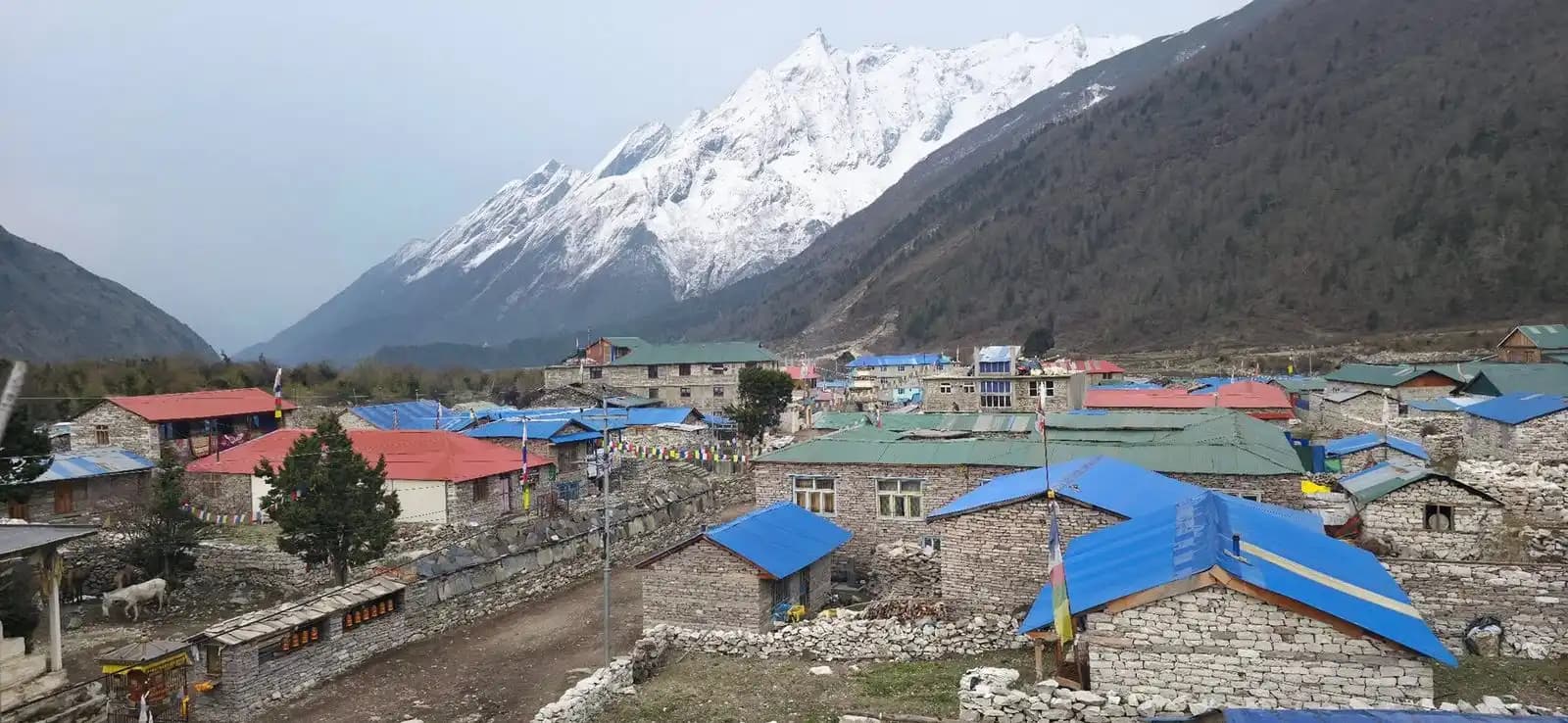
In lower villages such as Soti Khola, Machha Khola, and Jagat, you can usually find a wider range of food, including dal bhat, noodles, fried rice, momos, pasta, eggs, bread, pancakes, and soups.
As you move toward Deng, Namrung, and Samagaon, the menu becomes smaller. Dal bhat, noodles, potatoes, soups, eggs, porridge, and Tibetan-style bread become more common.
Around Samdo and the Larkya La section, expect basic meals and fewer choices. Food supplies are harder to transport to these villages, so you should not expect the same menu available in the lower sections.
How Food Changes From Soti Khola to Larkya La
Your food expectations should change as the trek gains elevation.
| Section | What to Expect |
|---|---|
| Soti Khola - Jagat | Wider choice of rice, noodles, pasta, eggs, momos, bread and soups |
| Deng - Namrung | Fewer Western choices; dal bhat, noodles, soups and potatoes become more common |
| Namrung - Samagaon | Simpler meals and fewer fresh ingredients |
| Samagaon - Samdo | Basic meals such as dal bhat, noodles, potatoes, soup and bread |
| Larke La section | Limited meal stops; carry enough snacks and drinking water for the crossing |
These are general expectations, not fixed menus. Individual teahouses may offer different dishes depending on their supplies.
Breakfast on the Manaslu Circuit
Breakfast should provide enough energy for the morning's walking. This is especially important on days with long climbs or an early departure.

Common choices include:
- Eggs: boiled, fried, scrambled, or omelet
- Tibetan bread
- Toast
- Chapati
- Pancakes
- Paratha
- Porridge
- Muesli or cereal
- Rice porridge
- Tea
- Coffee
- Hot chocolate
For a long walking day, porridge with honey or fruit, or eggs with bread, can be a practical choice.
If you need to leave early, order breakfast the evening before. This gives the lodge time to prepare the meal and helps avoid delays in the morning.
Dal Bhat
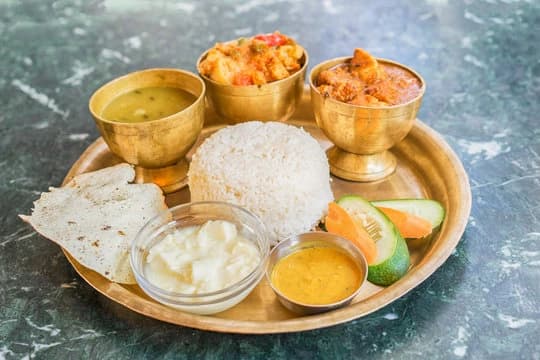
Dal bhat is one of the most common meals on the Manaslu Circuit. A typical serving includes rice, lentil soup, vegetable curry, and pickle, with additional vegetables or side dishes depending on the lodge.
It is a practical trekking meal because it provides plenty of carbohydrates and protein from lentils. Many teahouses also provide additional rice or dal if requested.
For trekkers who prefer familiar food, dal bhat is one of the easiest meals to rely on throughout much of the route.
For advice on physical preparation, see our Manaslu Circuit Trek Training & Preparation Guide.
Lunch on the Manaslu Circuit
Lunch is usually taken at a teahouse along the trail or at the lodge where you stop for the night.
Depending on the location, you may find:
- Dal bhat
- Fried rice
- Fried or soup noodles
- Thukpa
- Momos
- Potato dishes
- Pasta
- Soup
- Tibetan bread
- Eggs
On a long trekking day, choose food that you know you can digest comfortably. There is little benefit in ordering a heavy meal simply for variety if it leaves you uncomfortable for the afternoon walk.
Dinner on the Manaslu Circuit
Dinner is normally served at your teahouse after the day's walk.
Common choices include dal bhat, noodle soup, fried rice, potatoes, momos, pasta, and vegetable dishes.
The menu becomes smaller at higher elevations. Around Samagaon, Samdo, and the Larkya La section, simple meals are more common than Western-style dishes.
If your stomach feels unsettled, choose simple food such as rice, dal, potatoes, porridge, or soup instead of a heavily fried meal.
Momos, Thukpa and Other Local Dishes
Momos and thukpa are useful alternatives when you want something different from dal bhat.
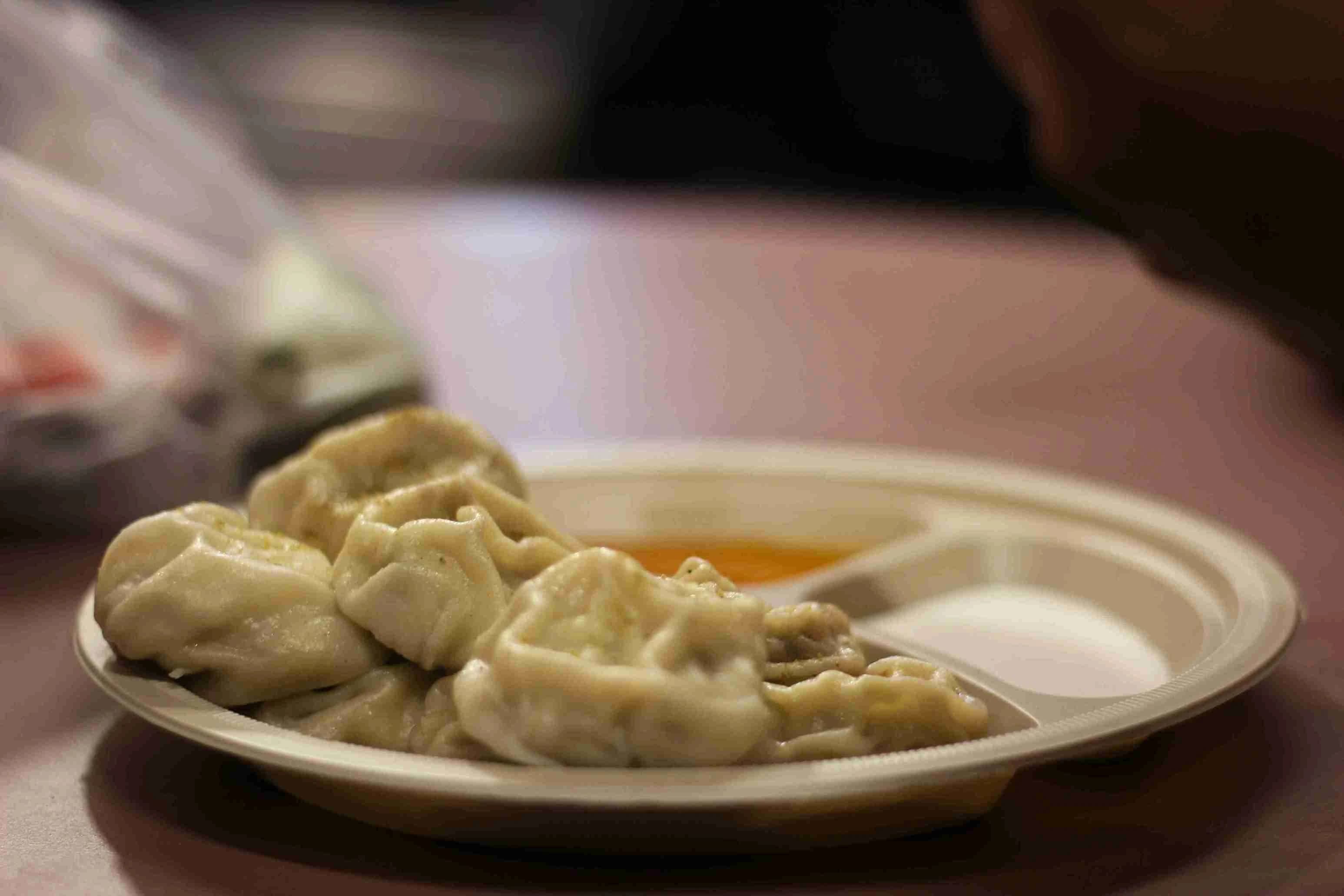
Momos are dumplings that can be steamed or fried. Depending on the lodge, fillings may include vegetables, potato, cheese, or meat.
Thukpa is a noodle soup that is usually served with vegetables or other available ingredients. It is a practical choice on cold days when you want a warm meal with liquid.
You may also find Tibetan bread, potato dishes, fried rice, noodles, and different types of soup.
The availability of these dishes varies from one teahouse to another.
Is Meat Available on the Manaslu Circuit?
Meat may be available in lower villages, but choices become less predictable as you move higher.
The main consideration is the freshness, storage, and transportation of the meat. Mountain lodges have fewer refrigeration and supply options than restaurants in Kathmandu and larger towns.
For this reason, many trekkers choose vegetarian meals in the higher sections. Dal, vegetables, potatoes, eggs, rice, noodles, and soups are practical alternatives.
Rather than following a fixed altitude rule about meat, consider the individual lodge, food freshness, and storage conditions.
What to Eat on the Larkya La Pass Day
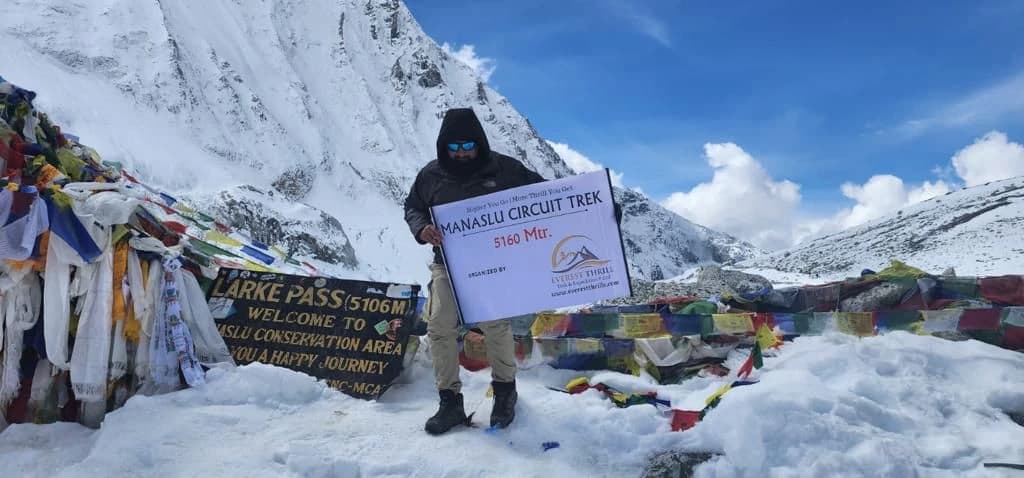
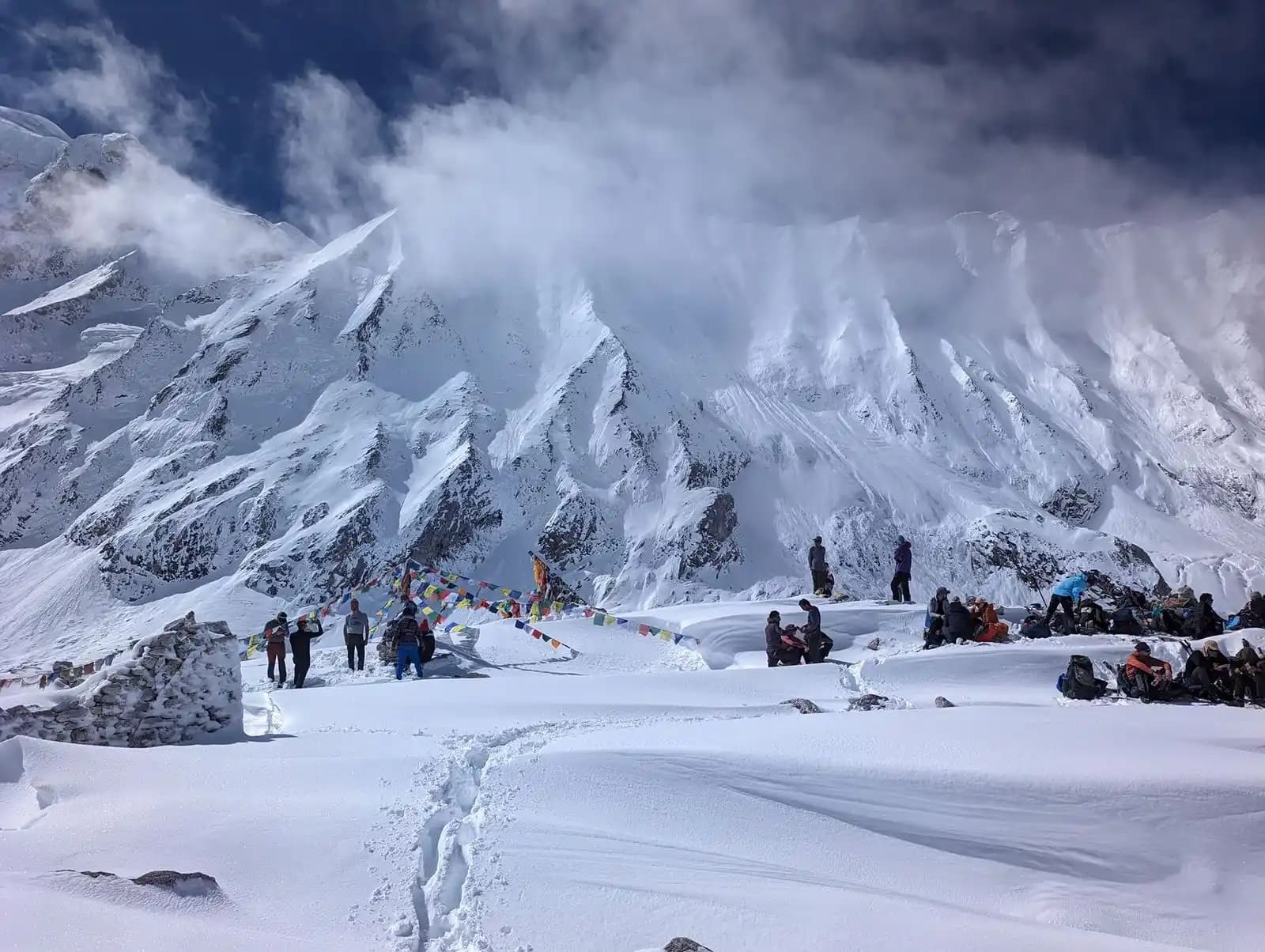
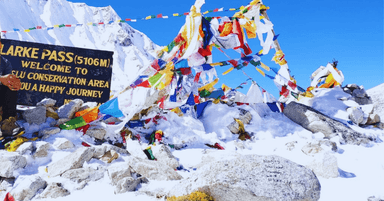
The Larkya La Pass, at about 5,106 m, is one of the longest and most demanding days of the Manaslu Circuit.
Food planning is particularly important because you should not depend on regular meal stops during the crossing.
Have breakfast before leaving and choose food you have already eaten comfortably during the trek.
Carry easily accessible snacks such as:
- Energy bars
- Chocolate
- Nuts
- Dried fruit
- Biscuits
- Other familiar high-energy snacks
You should also carry sufficient drinking water and a suitable purification method if you plan to refill during the day.
Normally, your guide carries a packed lunch and advises you about the departure time, food, water requirements, and expected walking duration based on the itinerary and current trail conditions.
Snacks: What Should You Carry?
You do not need to carry a large food supply, but a personal snack supply is useful.
Buy your preferred snacks in Kathmandu or during the early part of the trek because the selection becomes more limited at higher elevations.
Useful choices include:
- Nuts and trail mix
- Dried fruit
- Chocolate
- Energy bars
- Peanut-based snacks
- Electrolyte sachets
Keep some snacks in your daypack so they are available whenever you need them.
They are particularly useful when lunch is delayed, when a long climb takes more time than expected, or when you do not feel like eating a full meal.
See our Manaslu Circuit Trek Packing List for snacks and portable options to carry along.
Drinking Water on the Manaslu Circuit
Drinking water is available from teahouses, lodges, taps, springs, and other local sources along the route.
Natural water should be treated before drinking.
Boiled Water
Many teahouses provide boiled water. At higher elevations, water should be brought to a rolling boil for about three minutes when using boiling as the treatment method.
Allow enough time for the water to cool before drinking if necessary.
Water Filters
A reliable filter can reduce your dependence on bottled water and is useful if you plan to refill regularly.
Check what organisms your filter is designed to remove. Some filters do not protect against every type of waterborne pathogen.
Purification Tablets
Purification tablets are lightweight and useful as a backup. Follow the instructions provided with the product, including the required treatment time.
Bottled Water
Bottled water is available along much of the route, but prices generally increase with altitude.
For a multi-day trek, using a reusable bottle with boiled or properly treated water is often more practical than depending entirely on bottled water.
Does Drinking More Water Prevent Altitude Sickness?
No. Staying hydrated is important, but drinking excessive amounts of water does not prevent altitude sickness.
Proper acclimatization is more important. A sensible itinerary should allow your body time to adjust to increasing elevation, particularly around the higher sections of the Manaslu Circuit.
If you develop a severe headache, repeated vomiting, difficulty walking normally, confusion, or worsening altitude-related symptoms, tell your guide immediately.
Do not rely on food, tea, or extra water to treat serious altitude symptoms.
Vegetarian, Vegan and Gluten-Free Food
Vegetarian Food
Vegetarian trekkers generally have several choices throughout the Manaslu Circuit.
Dal bhat, vegetables, potatoes, rice, noodles, soups, momos, porridge, and eggs are common options.
Vegan Food
Vegan trekkers need to check ingredients carefully. Some foods that appear vegetarian may contain milk, butter, or eggs.
Tell the lodge staff clearly that you do not eat animal products.
It is also sensible to carry several personal snacks for the higher sections where suitable choices may be limited.
Gluten-Free Food
Gluten-free trekking requires more preparation because bread, chapati, pancakes, and noodles are common menu items.
Rice, dal, potatoes, vegetables, eggs, and suitable soups may provide alternatives, but preparation practices vary between lodges.
If you need to avoid gluten for medical reasons, carry suitable backup food and explain your requirements clearly before ordering.
See our Manaslu Circuit Trek Map to locate villages and teahouses.
How Much Does Food Cost on the Manaslu Circuit?
Food prices vary by village, altitude, season, lodge, and available supplies. Prices generally increase in the higher sections because transporting food becomes more difficult.
The following figures should be treated as approximate planning ranges, not fixed prices:
| Food or drink | Approximate cost |
|---|---|
| Breakfast | 4-8 USD |
| Dal Bhat | 5-10 USD |
| Noodles, fried rice, momos or similar meals | 4-8 USD |
| Other main meals | 5-10 USD |
| Tea and other hot drinks | 1-4 USD |
| Snacks | 2-4 USD |
For many teahouse treks, USD 30-40 per person per day is a useful planning allowance for food, drinks, and snacks.
Your actual spending may be lower or higher depending on your choices and what your trekking package includes.
Always check current prices with your trekking operator or lodge rather than treating online price ranges as fixed.
Are Meals Included in a Manaslu Trek Package?
This depends on the trekking company and the package you book.
Normally, our Manaslu Circuit Trek package includes:
- Breakfast
- Lunch
- Dinner
- Accommodation
- Tea or coffee
- Some Snacks
- Special dietary meals
Do not assume that every drink or snack is included simply because your package includes three meals a day.
A clear list of inclusions helps you calculate how much cash and how many personal snacks you need to carry.
How Much Cash Should You Carry for Food?
Do not depend on ATMs throughout the Manaslu Circuit. Banking facilities are limited once you enter the remote trekking areas.
Carry enough Nepalese rupees before entering the higher sections. Depending on the package that you choose, you may need cash for:
- Drinks
- Snacks
- Drinking water
- Extra meals not included in your package
- Charging
- Other personal expenses
Your trekking operator can provide a more accurate recommendation based on your itinerary and package inclusions.
Practical Food Advice From a Trek Organizer
A few simple habits can make meal planning easier:
- Order breakfast the evening before if you have an early start.
- Buy personal snacks early rather than waiting for the higher villages.
- Keep emergency snacks in your daypack rather than your main luggage.
- Eat regularly on long climbing days instead of waiting until you are exhausted.
- Choose familiar food when your stomach is unsettled.
- Limit heavily fried food if you find it difficult to digest at altitude.
- Carry a backup water purification method even if you normally use boiled water.
- Tell your guide about dietary restrictions before the trek.
- Do not depend on Western food at high elevations.
- Avoid alcohol during high-altitude sections, especially while acclimatizing or if you have altitude-related symptoms.
- Order meals early when several trekking groups arrive at the same lodge, as mountain kitchens may have limited staff and cooking space.
Simple Food Plan for Different Trekking Days
| Trekking day | Breakfast | Trail snacks | Lunch | Dinner |
|---|---|---|---|---|
| Lower-elevation day | Eggs and bread or porridge with tea | Nuts, chocolate | Dal bhat, noodles or fried rice | Dal bhat, momos or pasta |
| Long climbing day | Porridge or eggs with bread | Energy bar, dried fruit, chocolate, water | Dal bhat, noodles or soup | Dal bhat and soup |
| Higher-altitude day | Porridge, bread and hot tea | Nuts, biscuits, dried fruit, electrolyte drink | Noodles, potatoes or soup | Dal bhat, potatoes or noodle soup |
| Larkya La crossing | Early breakfast | Chocolate, nuts, bars, dried fruit and water | Snacks or food according to conditions | Simple, warm meal after reaching the overnight village |
This is a planning example. Actual meals depend on the teahouse, available supplies, weather, itinerary, and walking schedule.
What Food Should You Pack From Kathmandu?
Most trekkers only need a small personal food supply.
Consider packing:
- Energy bars
- Chocolate
- Nuts
- Dried fruit
- Electrolyte sachets
- Preferred dietary snacks
- A reusable water bottle
- Water purification tablets as a backup
If you follow a vegan, gluten-free, allergy-specific, or other restricted diet, carry additional suitable food because alternatives may be limited in higher villages.
Our Final Say
Food on the Manaslu Circuit becomes simpler as the trail moves from the lower valleys toward the high mountain section. You can expect more choice around Soti Khola, Machha Khola, and Jagat, while meals become more basic around Namrung, Samagaon, Samdo, and the Larkya La section.
The easiest approach is to use teahouse meals as your main source of food, carry snacks for long walking days, treat natural water before drinking, and prepare additional supplies if you have dietary restrictions.
If you are booking a guided Manaslu Circuit Trek, confirm exactly what your package includes before departure. Knowing which meals, drinks, water, and other food-related costs are covered will help you plan your personal budget and pack the right amount of food.
About Author
Amir Adhikari is the Founder and Trip Curator of Everest Thrill Trek and Expedition. With 10+ years of experience in Nepal’s competitive tourism sector, he is a recognized expert in designing safe, personalized, and high-thrill Himalayan itineraries. His dedication to responsible travel and creating authentic experiences has positioned Everest Thrill as a leading specialist for Everest, Annapurna, and off-the-beaten-path adventures.


Manaslu Circuit Trek Package - 14 Days
USD 1215/per person