A Complete Mera Peak Climbing Guide | Difficulties | Cost | Gear | Weather

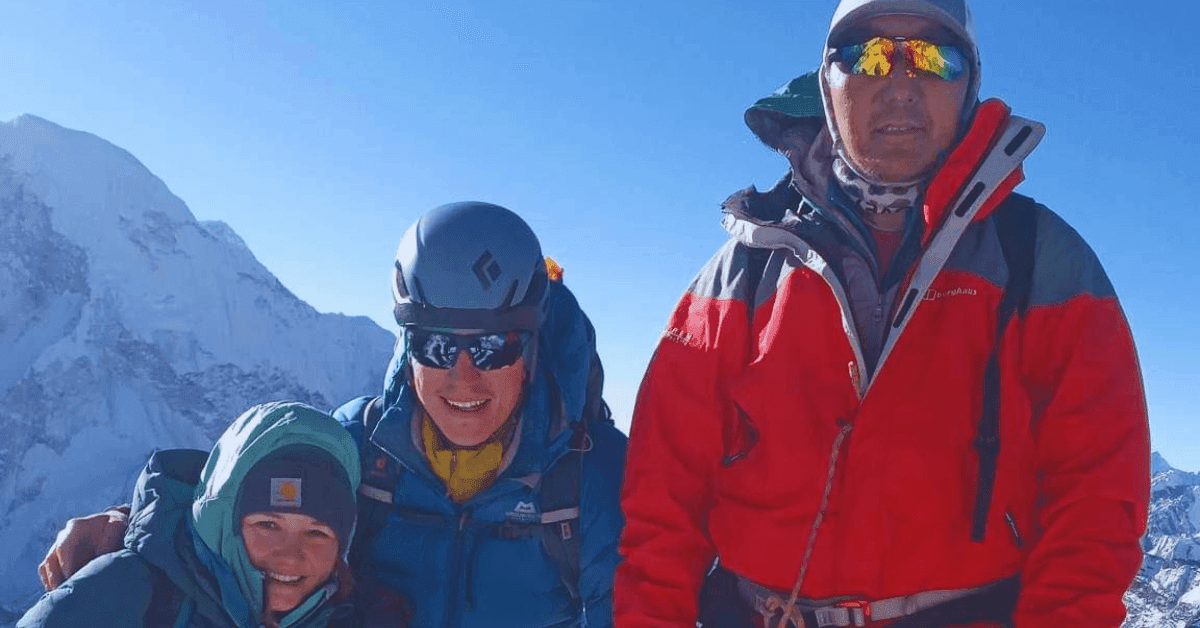
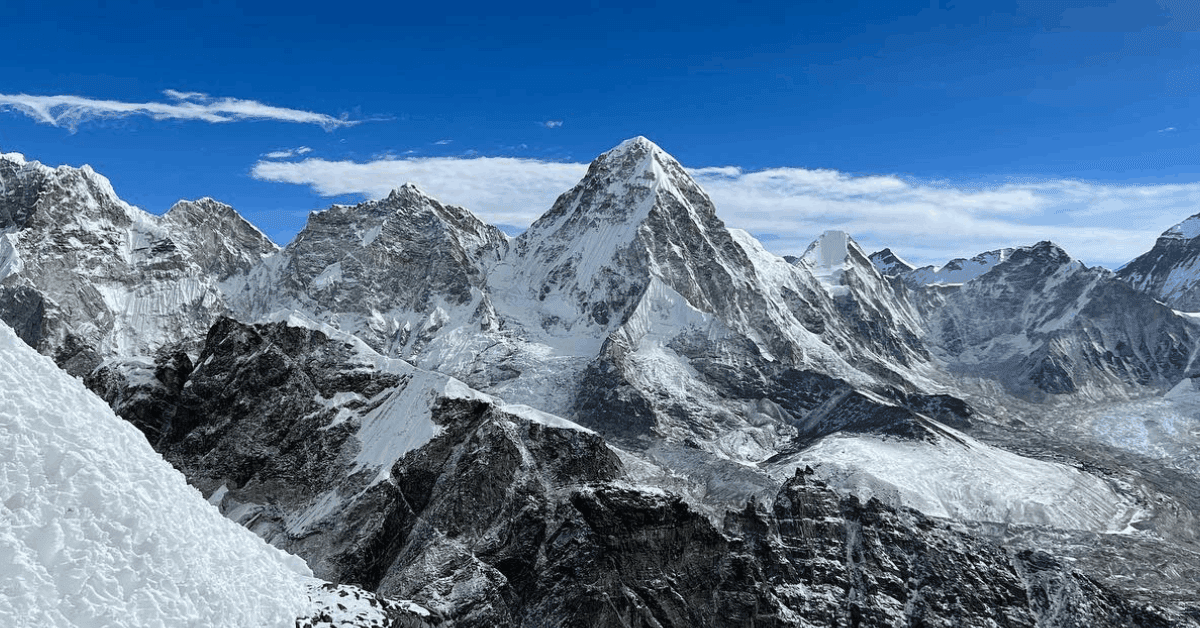
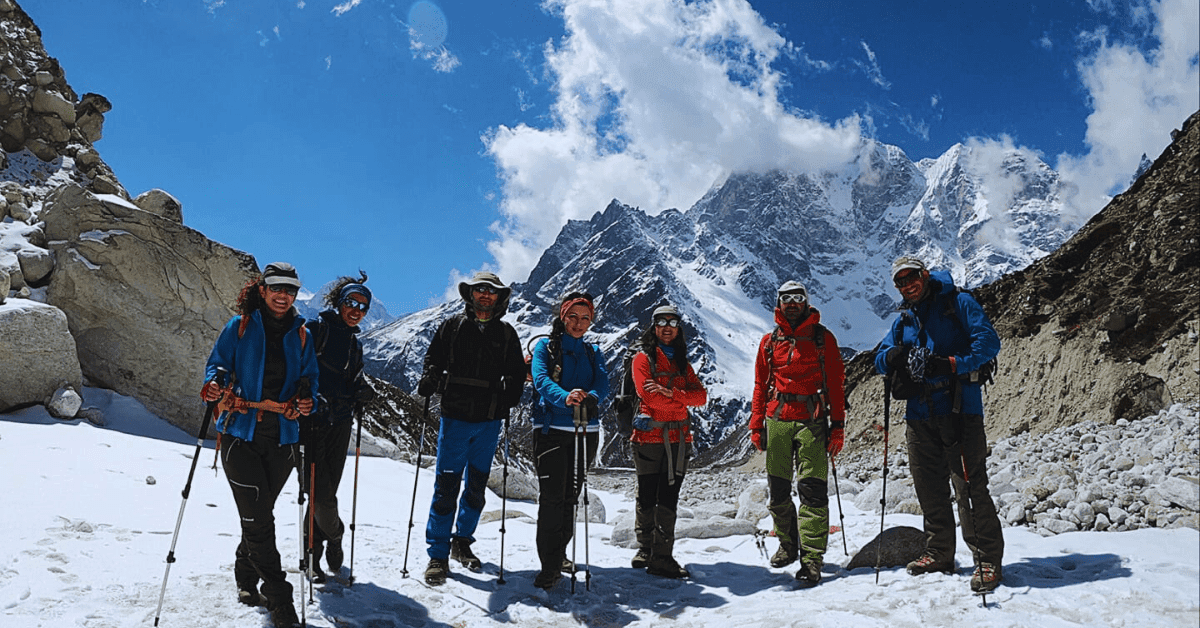
Mera Peak, the mountain with greater popularity every day, is the highest trekkable mountain in Nepal. Located in the Mahalangur section of the Himalayas, elevated to 6,476 meters, and holding a remarkable view of five mountains over 8000 meters at once, including the majestic Mt. Everest, this journey is more likely a treasure hunt that tests your stamina and spirit and rewards you with beautiful panoramas and infinite memories lasting for a lifetime.
Whether you are looking for a personalized guided Mera Peak Climbing package or expert climbing trip consultation, just Contact Us.
Unlike many other high peaks, Mount Mera is considered to be less technical, making it a good option for beginners who don’t have advanced mountaineering skills but still want to experience climbing in the Himalayas and test their strength and ability in high-altitude conditions. Hence, whether you are an experienced trekker or a first-time climber, Mera Peak is a perfect option for trekking and climbing in the Himalayas.
MERA PEAK CHALLENGES: DIFFICULTIES AND HOW TO PREPARE FOR THEM
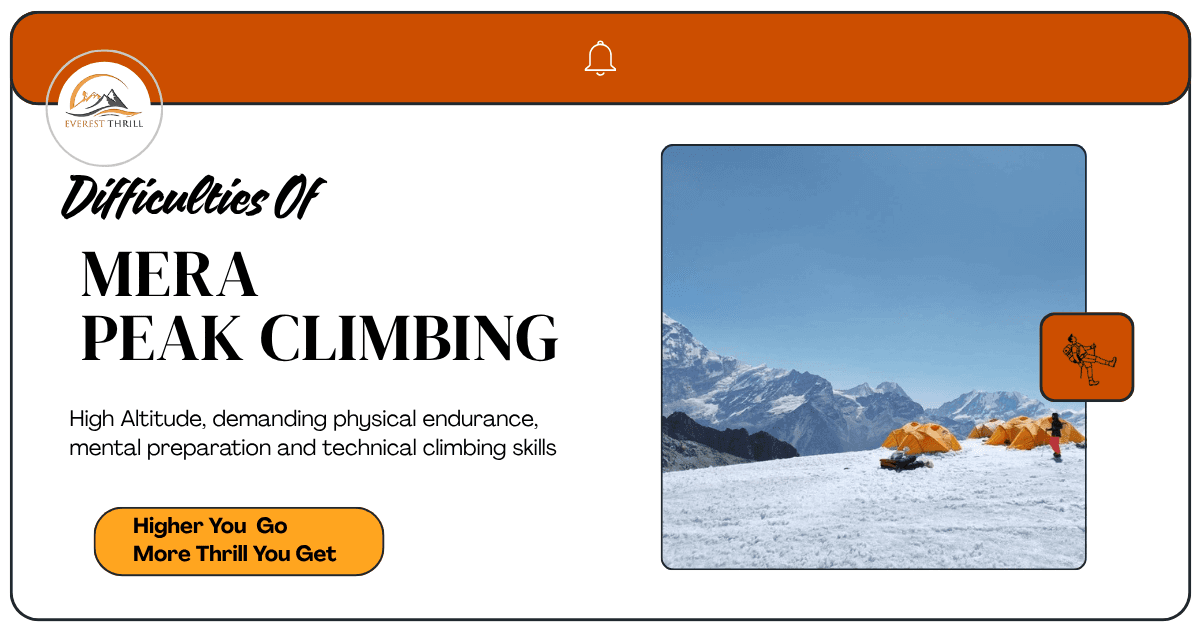
Although, indeed, climbing to Mera doesn’t require advanced technical skills, it's still difficult. Altitude, physical durability, and unpredictable weather are some of the biggest challenges trekkers have to face. Understanding these challenges and being prepared for them is key to a safe and successful climb.
The Height Challenge: The biggest obstacle of Mt. Mera is the altitude. At almost 6500 meters in height, the air is surely thin, and you are at high risk of altitude sickness all the time. So, what you can do to stay away from it is acclimatization. Adding a few extra days on your itinerary to stay or rest can help you get used to the environment.
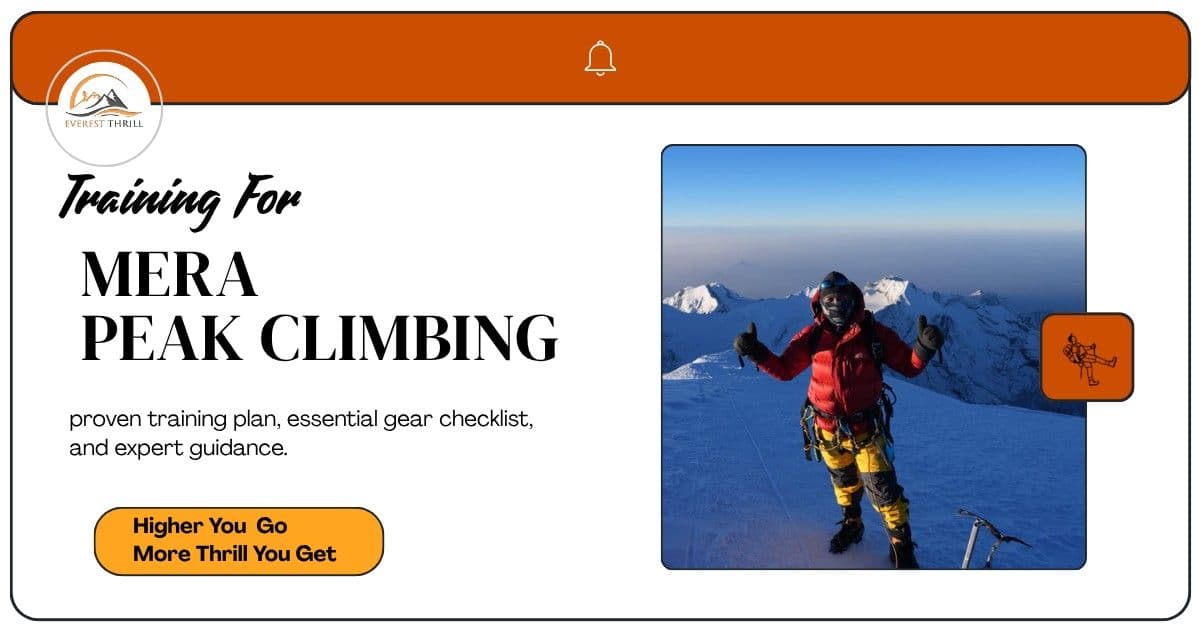
Physical Fitness: Climbing Mount Mera requires endurance and stamina. You will be on steep trails for extended periods, usually in the winter. To prepare, start working out a few months before you climb. Add cardio training and walking to build endurance.
Weather Conditions: The weather at Mera Peak can change quickly. Strong winds, snow, or ice can make the climb difficult. Checking the weather forecast and making the right gear can help you deal with these situations.
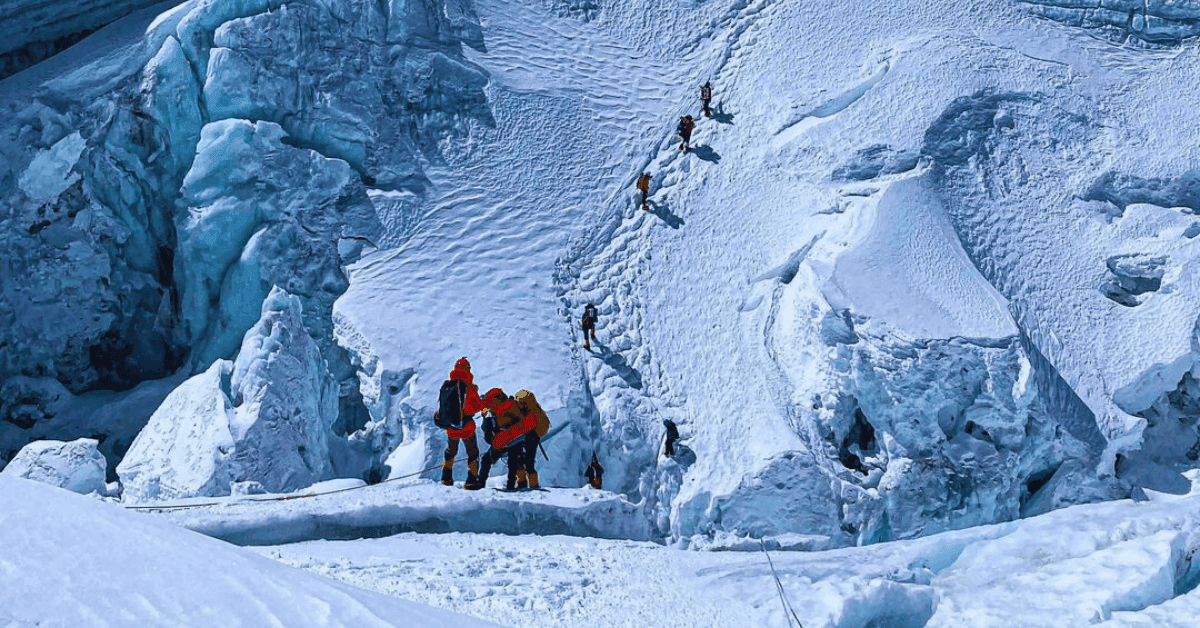
Basic Knowledge of Climbing: Since you are trekking a trail that’s not so technical and complicated. You should just know the basics of mountaineering, such as using crampons and ropes. Be concerned with your equipment; learning these skills can, however, be done during the journey with your guides.
Preparation Advice
- Train regularly to improve your fitness.
- Follow an adaptation plan to avoid altitude illness.
- Pack your needs appropriately and in detail.
- Get in touch with a well-established trekking agency to hire an experienced guide.
By understanding the challenges and being well-prepared, you can continue on your journey to Mera Peak.
WHEN TO ASCEND MERA PEAK: THE BEST SEASONS FOR SUCCESSFUL CLIMB
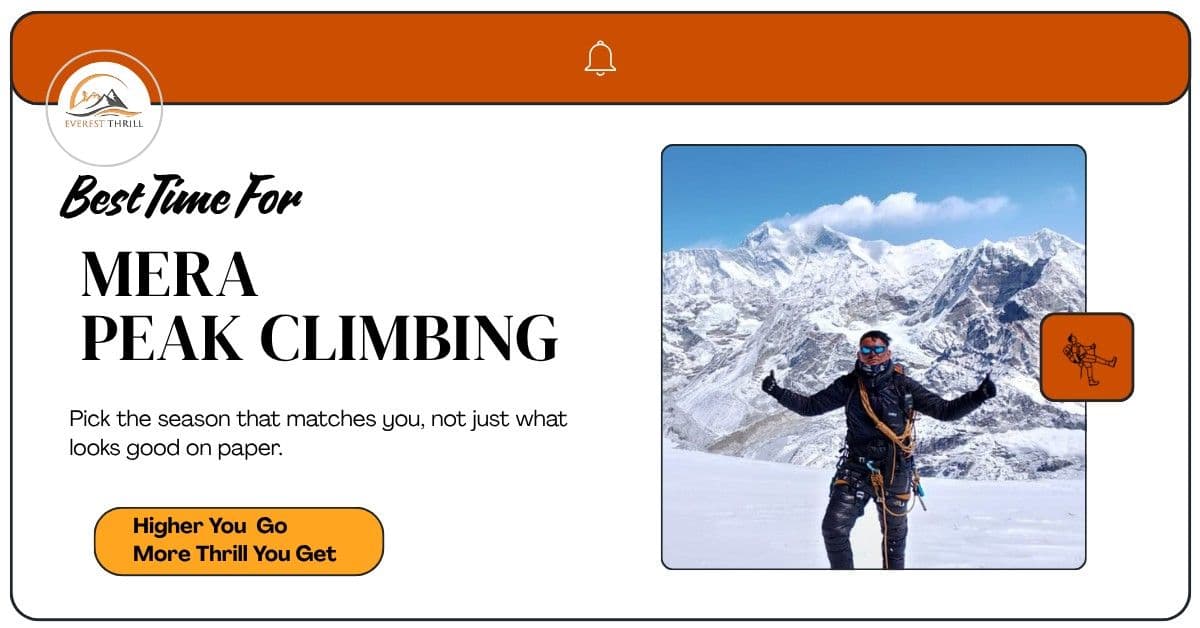
We get that you are full of confidence, energy, and time. Now, all you need is to find the perfect time to embark on this treasure hunt of the Himalayas. You can ascend the peak at any of the four seasons; however, summer, autumn, or spring is mostly recommended as winter brings harsh conditions due to extreme cold. Here’s a breakdown:
Spring (March to May)
Being one of the most popular times for Mera Peak Climbing, the spring greets you with several fascinating wildflowers and blooming rhododendrons lining the way. The climate at this time is perfect for traveling and hence welcomes a huge number of visitors.
Autumn (September to November)
Autumn is also regarded as a good season for trekking and climbing. However, it doesn’t bring in any kind of trouble while trekking the Mera Peak. Instead, it’s a great time to climb here. The rainfall clears out the fog and makes the sky clearer, allowing you to witness the true beauty of Nepal’s Himalayas. The environment is cool, and the weather is constant, which makes your hike more comfortable.
Summer/Monsoon (June to August)
Heavy rains, muddy trails, and frequent cloud cover can make the climb more challenging and unpleasant. Adding on to it, the soil erosion and mosquitoes are other factors that will degrade your experience. With proper planning, you may still find an experience of isolation and solitude, as there are rare trekkers.
Winter (December to February)
When it comes to first-time or less-experienced trekkers, trekking in winter may not be an ideal option, as winter brings heavy snowfall, making the climb extremely challenging for newcomers. However, experienced climbers looking for solitude and a new challenge sometimes choose this time.
Suggestion
To ensure a fruitful journey, you are recommended to plan your trip in spring or autumn. Both the period offers a fantastic climbing experience moderating the trek difficulties.
MERA PEAK'S CLIMATE STORY: WEATHER AND TEMPERATURE EXPLAINED
At any destination belonging to high altitude, it’s very crucial to understand the pattern of the weather as at such height; climate is supposed to change drastically. Similar precautions go to Mera’s trail since, at 6,476 meters, the rapid climate variation along with altitude sickness is your main challenge to face.
Weather on The Trails
At lower altitudes, the weather is fairly mild, and the days are sunny in spring and autumn. The nights can, however, be colder than your expectations. As you ascend on your trail and reach a higher altitude, the temperature drops to minus, and the surroundings become unpredictable.
Colder conditions can be expected at base camp and higher elevations with constant wind. Clear skies are common during peak hiking times, offering beautiful views of the surrounding mountains.
Temperature at Different Altitudes
- Low Zone (Lukla to Khare): Daytime temperatures range from 10°C to 20°C in summer and autumn. It can drop from 0°C to 5°C at night.
- Base Camp (5,300m): Daytime temperatures range from 0°C to 5°C, while nighttime temperatures can be -10°C or lower.
- Peak (6,476m): Temperatures at the summit can range from -5°C to -10°C during the day and freeze to -20°C or below at night.
Seasonal Changes in Climate
- Spring (March to May): Days are warm with little snow. The sky is clear, offering a great view.
- Autumn (September to November): The weather is stable, with cool days and cold nights. There are clear skies, making it perfect for climbing.
- Winter (December to February): Very cold temperatures and heavy snowfall make climbing more difficult. Mount Mera is usually only attempted by experienced mountaineers in winter.
- Monsoon (June to August): Heavy rainfall along the trails and possible snowfall at higher elevations. Poor visibility and slippery roads make it inappropriate for this season.
Advice for Dealing with Climate Challenges
- Pack appropriately, including warm clothing, insulation, and a good sleeping bag.
- Check regular weather updates, especially before attempting to attend a meeting.
- Plan your climbing in the spring or autumn for the most comfortable conditions.
Lastly, understanding the weather circumstances and preparing accordingly can help you stay comfortable throughout the trek and make lasting memories for decades.
WHERE TO REST: ACCOMMODATION FACILITIES ON THE MERA PEAK CLIMBING ROUTE
Staying in the right place is an important part of your Mera Peak climbing trip. The trail offers a mixture of basic tea houses and camping facilities, depending on your chosen route and preference. Though modest, the accommodation provides hikers and climbers with essential accommodations and meals.
Roadside Tea Houses
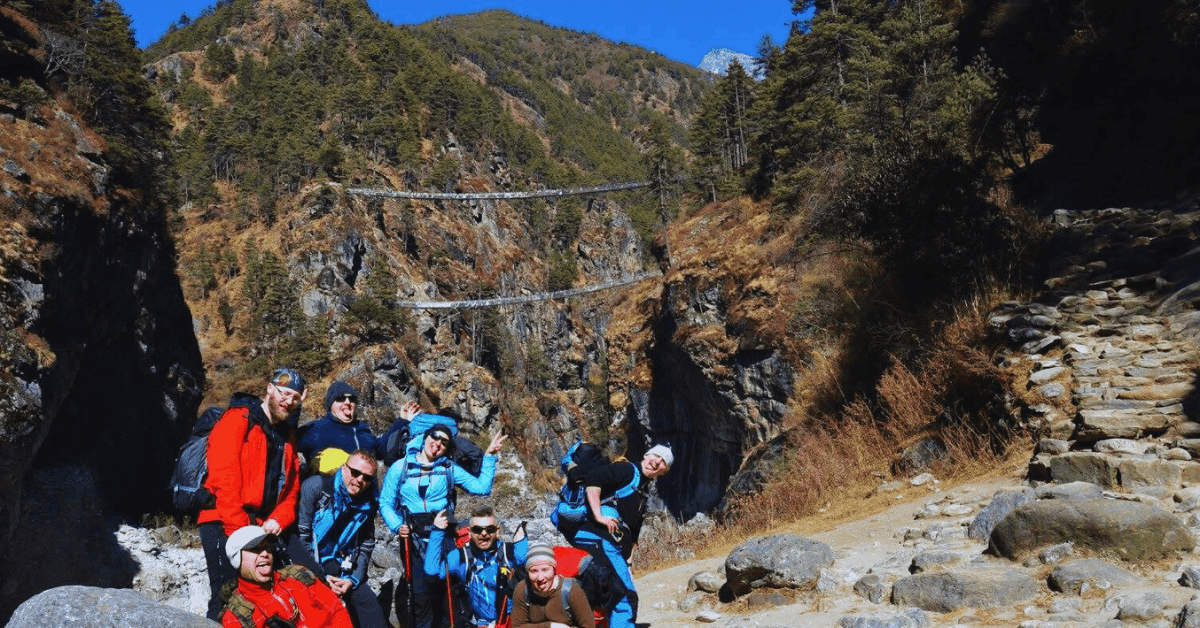
Tea houses can be found in villages like Lukla, Chutang, and Khare at lower altitudes. These teahouses are basic hotels with small double-bedded rooms, shared bathrooms, and simple meals. Although small, the rooms provide a warm and welcoming environment for pedestrians.
Rooms: Rooms may be cozy and small. However, they are clean and comfortable. Trekkers are advised to expect accordingly.
Food: The food usually consists of Nepalese dishes like dalbhat (rice and lentils), noodles, soups, and tea. Some teahouses also serve simple Western foods like pasta or pancakes.
Camping at High Altitude
As you climb to Mera Peak Base Camp and High Camp, the teahouses become unavailable, and camping is essential. Your tour group will set up the tents and handle the food preparation during this part of the climb.
Tents: You will sleep in a sturdy, weatherproof tent designed for the cold and wind. A warm sleeping bag and mattress are essential for comfort.
Food: Meals are prepared by your team and are usually hot soups, rice, pasta, or other easy-to-digest foods to boost your energy levels.
Accommodation Advice
- Book in Advance: Tea rooms can get crowded during peak times, so plan.
- Bring Essentials: Pack warm sleeping bags, as blankets provided by tea houses may not be enough in colder climates.
- Flexible Expectations: Offerings are basic, especially at higher levels. Focus on the experience rather than the luxury.
Experience the Local Culture
Staying in the tea houses allows you to interact with the local Sherpas and learn about their way of life. Their hospitality and stories add a unique cultural dimension to your trip.
While the accommodation may not be fancy, it offers everything you need for a good journey and climb. With planning and wise packing, you will have a comfortable and memorable trip on the Mera Peak Trail.
FIND YOUR RIGHT GEAR: ESSENTIAL EQUIPMENT FOR CONQUERING MERA PEAK
Getting the right gear is a must in every trek and climb. Especially when you are preparing to summit a mountain, it becomes crucial to find the best gear and equipment. For Mera Peak, you have to pass a variety of terrain and face harsh weather and high altitudes. Hence, to be fully prepared for the climb, you must carry the following gear as a hiker:
Clothes and Layers
Layering is key to staying warm and comfortable, as temperatures can vary widely.
- Base Layer: Thermals top and bottoms.
- Insulating Layer: Fleece or down jacket for warmth.
- Outdoor Gear: Waterproof and windproof jackets and pants for snow and wind protection.
- Travel Clothing: Lightweight, breathable trekking shirts and pants.
- Gloves: Inner thermal gloves and waterproof outer gloves.
- Headgear: Warm hat, balaclava, and sun hat for protection.
Footwears
- Hiking Shoes: Sturdy, waterproof shoes with toes that provide excellent trail support.
- Climbing Shoes: Climbing shoes must be insulated and crampon-compatible.
- Gaiters: Gaiters will help you keep snow and dirt out of your boots.
- Socks: Check out the durability and woolen insoles while buying them.
Climbing Equipment
When you join a guided tour, most technical equipment is usually provided. If not, make sure you have:
- Crampons
- Trekking Poles
- Ice axes
- Climbing harness and ropes
- Helmet
Sleep Essentials
- Sleeping Bags: High-quality sleeping bags rated for -20°C or below.
- Sleeping Mat: Insulated mats for maximum warmth and comfort.
Backpack
- Daypack: 30 - 40L backpack for essentials like water, snacks, and extra layers.
- Duffle Bag: to carry your gear (usually carried by porters).
Other Requirements
- Sunglasses: UV protective sunglasses that shield the eyes.
- Headlamp: should have additional batteries for the needy conditions.
- Water Bottles: Bottles with insulating material to prevent freezing.
- Personal First Aid Kits: Most include altitude sickness medication, dressings, and basic medicines.
- Snacks: Healthy snacks like protein bars and fruit.
Miscellaneous
- Lip balm and sunscreen (high SPF)
- Absorbent towels
- Portable power bank for electronics
- A lightweight camera to capture the experience
Packaging Tips
- Make adjustments for lighter packing, but do not compromise essentials.
- Test your gear before climbing to ensure it fits and works properly.
- If necessary, rent or buy gear in Kathmandu; most climbing gear is readily available.
Mera Peak holds lots of challenges and technical difficulties that can only be tackled with the right gear and equipment. Now, when you’ve got these, be confident, pack essentials, and embark smoothly collecting memories all along this amazing trip.
COUNTING THE COSTS: BUDGETING FOR YOUR MERA PEAK CLIMBING ADVENTURE
Breaking down the cost of the journey could assist with your planning and trek budgeting. That’s why you are provided with a detailed description of the ideal trek budget and major cost involvement. Remember that the cost may vary depending on the service you choose, the size of your team, and the season of the trek.
Walking Permits and Fees
You will need a permit to climb Mera Peak. These include:
- Mera Peak Climbing Permit:
Spring: USD 350
Autumn: USD 175
Summer/Winter: USD 175
- Makalu Barun National Park Entry Permit: Approximately U.S. $30 per person.
- Local Permits: about $20 per person.
Cost of Guide and Porter
Hiring experienced guides and porters is essential for safety and security.
- Guide Fee: USD 25 - 30 per day.
- Porter Fee: US$20 - 25 per day.
Accommodation and Food
- Tea house accommodation costs USD 10 - 30 per night, depending on location.
- Meals cost USD 5 - 10 per meal, and you will need three meals per day.
Transportation Facilities
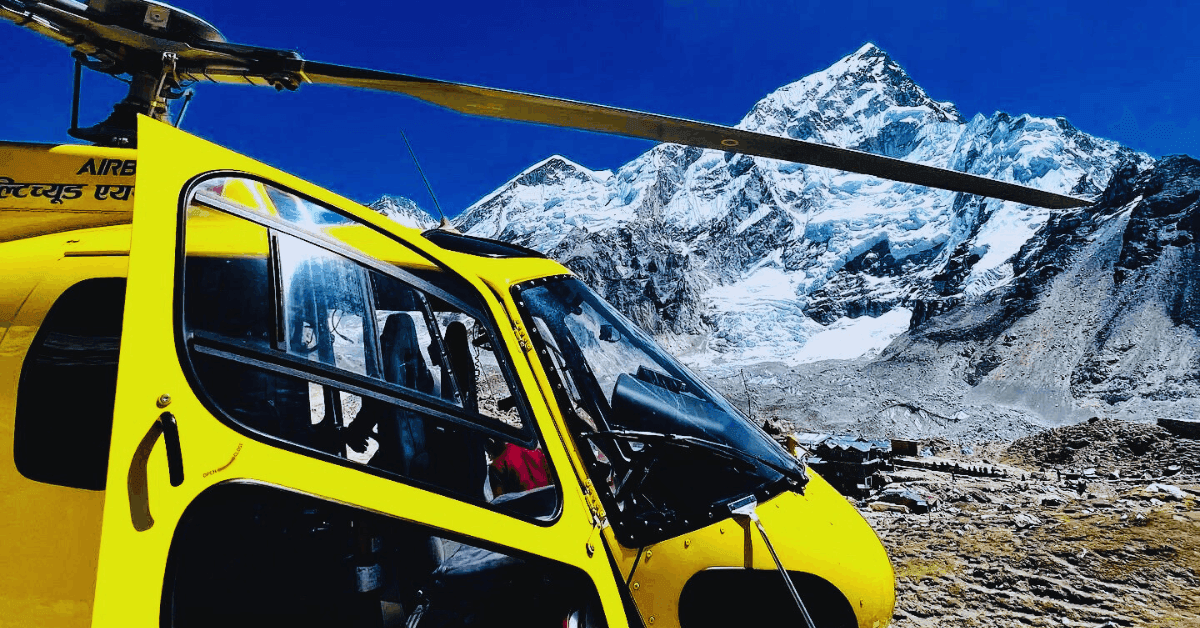
- Flights: A round-trip flight from Kathmandu to Lukla costs approximately US$180 - 230 per person.
- Local Transportation: Add 20 - 50 USD if you are using a jeep or bus for part of the trip.
Gear and Equipment
If you don’t already have climbing gear, hiring or buying equipment will add to the cost.
- Gear Rental: USD 100 - 200 for essentials like crampons, harnesses, and sleeping bags.
Insurance
- Travel insurance that covers high-altitude climbs is a must. Expect to pay around USD 150 - 200 for a plan that includes emergency evacuations.
Miscellaneous Expenses
- Tipping: It is not mandatory, but it is a habit to tip guides and porters. Budget USD 100 - 150 to tip the entire staff if you are planning to.
- Beverages and Snacks: Energy drinks, bottled water, and snacks can add USD 5 - 10 per day.
- Charging and Wi-Fi: At higher altitudes, expect to pay 2 - 5 USD for charging devices or Wi-Fi access.
Total Cost Estimation
For a typical 15 - 20-day Mera peak expedition, the total cost ranges from US. $2,500 in U.S. dollars. $4,000 per person. Costs can be lower for casual travelers or higher for luxury services.
Tips to Manage Cost
- Travel in groups to split the costs of guides and porters.
- If it’s your first time climbing, rent equipment instead of buying it.
- Get packages from reputable trekking agencies like us that offer bundled services at competitive prices.
Understanding the cost allows you to prepare for the climb without financial stress. Proper planning ensures a smooth and enjoyable experience on this Himalayan trek.
CONCLUSION: EMBRACING THE MERA PEAK EXPERIENCE WITH CONFIDENCE
Mera Peak Climbing isn’t just about climbing; it's more about learning to face challenges, win over problems, and embrace peace. It is where the mountain tests your spirit and strength every step of the way, but also rewards you by letting you witness the true beauty of nature and gather memories for a lifetime.
From preparing with the right gear and understanding the challenges to timing the climb in the perfect season and budgeting for the trek, every step plays an important role in making this experience safe and enjoyable. With proper preparation, an experienced team, and a spirit of determination, Mera Peak is also achievable for those looking to climb high mountains for the first time.
Whether it’s the serene beauty of the Hinku Valley, the hospitality of the Sherpas, or the sense of accomplishment at the summit, Mera Peak offers tons of memories that’ll last for a lifetime.
Your Mera Peak climbing adventure awaits!

Trekking With Kids in Nepal | Best Family Friendly Trails and Tips

Luxury Everest Base Camp Trek Guide | Experience In Comport

How to Prepare for the Everest Base Camp Trek? All Training Tips

A Complete Mera Peak Climbing Guide | Difficulties | Cost | Gear | Weather

Everest Base Camp Trek Cost | Understanding the Costs Involved

Best Everest Base Camp Trek Local Operator | Why With Everest Thrill

Peak Climbing In Nepal | The Best Climbing Destination