How to Prepare/Train for Climbing in Nepal Below 7000m?
Table of Contents
- Best Trekking Peaks In Nepal Below 7,000M
- Island Peak (Imja Tse) - 6,189 m
- Mera Peak - 6,476m
- Lobuche East Peak - 6,119m
- Ama Dablam
- Quick Comparison
- How To Prepare For Peak Climbing In Nepal Below 7,000M
- Training Tips for Climbing below 7,000m:
- Preparation Tips for Climbing Below 7,000m
- Required Permits For Climbing 6000m+ Peaks In Nepal
- Trekkers Information Management System (TIMS) Card (optional now)
- Designated Climbing Permit
- National Park or Conservation Area Permit
- Restricted Area Permit (If Needed)
- The role of the Liaison Officer
- How does Everest Thrill help with Permit Management?
- The Benefits Of Joining Everest Thrill
- Conclusion
- Frequently Asked Questions About Preparation and Climbing Tips Below 7000m
Nepal is renowned for its 8,000+ meter peaks, but for those seeking mountaineering challenges without extreme altitudes, the country’s peaks below 7,000 meters offer an ideal balance.
These climbs combine adventure, skill, and altitude in a way that is both accessible and deeply rewarding.
Are you looking for a personalized Peak Climbing Package? Our expert, experienced adventure professionals are here to guide you through every step of your climbing trip planning. For a free trip consultation, Contact Us.
Why climb peaks under 7000 meters in Nepal?
- These peaks provide a true taste of the Himalaya even without requiring months of logistical preparation.
- They are perfect for those transitioning from trekking to mountaineering.
- This is a challenging adventure without a doubt; however, easier to achieve and equally rewarding as higher peaks.
Who are these climbs for?
- Fit and experienced trekkers are ready to take on some greater challenges.
- Mountain climbers who are preparing for greater campaigns (e.g., Manaslu Expedition or Everest Expedition).
- Braver adventurers wanting more than just trekking (Climbing).
Why is proper preparation required?
The success and safety of these climbs depend heavily on how well you are preparing. If proper training, equipment, and acclimatization are ignored by any chance, height-related problems, cold injuries, and fatigue are the real risks.
Hence, to avoid emergencies at such an altitude, proper preparation is crucial.
What does this blog cover?
This blog gives you a complete road map for the preparation of these prestigious climbs. From understanding the right peaks and the benefits of physical training, equipment, permission, and an organized team, here is all the useful information to make your climb safe, successful, and memorable.
Best Trekking Peaks In Nepal Below 7,000M
Nepal is home to dozens of treks and climbing peaks under 7000 meters. While each provides a unique route and experience, some really stand out among all for their beauty, accessibility, and level of challenge.
Below are some of the most popular peaks explained:
Island Peak (Imja Tse) - 6,189 m
Region: Everest
Best for: first-time climbers with trekking experience
Difficulty: Moderate; Need basic rope and glacier skills
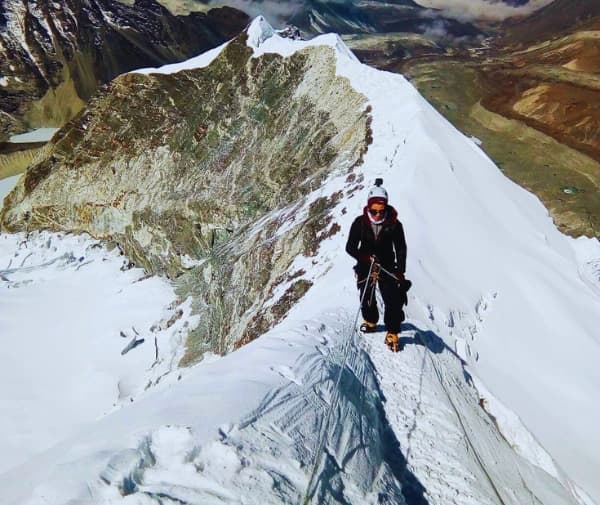
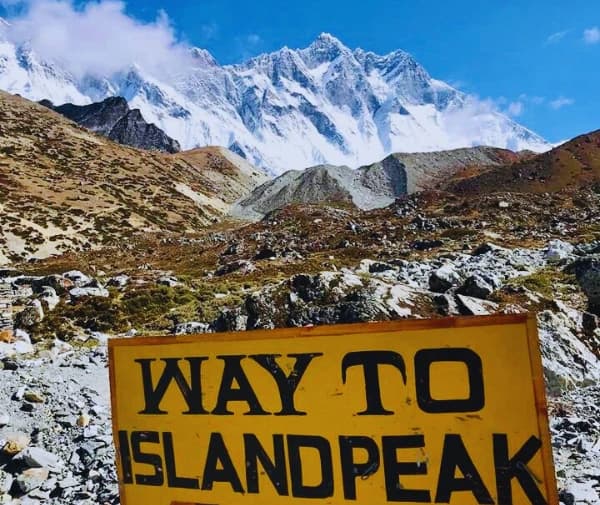
Island Peak Climbing is one of the most accessible and achievable 6000 m+ climbs in Nepal. Named for its appearance, an island rising from a sea of ice, this peak is near Everest Base Camp and often climbed as an extension of the EBC trek.
Although being considered a "trekking peak", Island Peak requires more than just that. The final section of the summit push involves a steep ascent that requires climbing with crampons, ice axes, and ropes.
Mera Peak - 6,476m
Region: Hinku Valley (East of Everest)
Best for: Strong trekkers looking forward to gaining an authentic peak climbing experience without extreme technical difficulty.
Difficulty Level: Moderate, less technical
Being the highest trekking peak of Nepal, Climbing Mera Peak is a matter of glory in itself. The rewards of adventure itself, along with the sense of accomplishment, are doubled by the fantastic panoramas of 8,000m+ peaks like Everest, Kanchenjunga, Makalu, and Cho-Oyu.
Climbing here requires basic mountaineering skills like rope climbing, the use of ice axes, crampons, and moving across the glacier.
Spring and autumn, as usual, are considered the best seasons to embark here; however, each season provides an unique experience. If you are planning to go big (8000m+ peak like Everest) in the future, this could be a great warmup.
Lobuche East Peak - 6,119m
Region: Khumbu, Everest Region
Best for: Physically fit trekkers with awareness about mountains and having greater climbing goals in the future.
Challenge Level: High and technical
On the east of the Khumbu glacier rises this peak, with its growing popularity, which rewards its conqueror with the mesmerizing views of Everest, Lhotse, Nuptse, Makalu, and other higher peaks. However, this can only be experienced with a true dedication to hard work and a passion for nature.
Considered a little more technical than the Mera Peak, the Lobuche Peak Climbing requires certain mountaineering skills like ascending and abseiling with harness, crampons, and ice-axes, and decent physical training.
These techniques can be learned with the help of our local guides during your journey however being physically trained in advanced is crucial.
Ama Dablam
Region: Khumbu, Everest Region
Challenge level: High
Best for: Experienced climbers or trekkers with mountaineering skills.
The long ridges on either side of the peak look like the outstretched arm of a woman, and a hanging glacier below the summit resembles to necklace.
The scene looks identical to a mother protecting her baby, which is the reason for the peak named so, as in Sherpa language, “Ama” means mother, and “Dablam” refers to a necklace, a mother’s necklace.
Located in the Khumbu region, an area that hides a lot of Himalayan mystery, the Ama Dablam Expedition provides a unique blend of adventure and culture.
However, this is one of the most beautiful alpine climbs, which only welcomes climbers with technical skill on a harness and crampons.
Quick Comparison
| Peaks | Height | Physical Demand | Best for |
|---|---|---|---|
| Island Peak | 6,189 meters | Medium | Beginner as well as experienced in climbing |
| Mera Peak | 6,476 meters | High | Fit trekkers aiming for altitude |
| Lobuche East Peak | 6,119 meters | High | Climbers with some technical skills |
| Ama Dablam | 6,812 meters | Very High | Experienced alpine climbers only |
How To Prepare For Peak Climbing In Nepal Below 7,000M
High altitude and challenge are always together. In the Himalayas, where every step ahead is unpredictable, being properly trained is not an exception.
Training Tips for Climbing below 7,000m:
Physical Training builds your strength and endurance
There is no doubt that being in your best physical state is crucial to successfully conquer a 6,000m+ peak of the Himalayas.
Here are some expert training tips that you can follow beforehand to ensure the best from your side:
- Try hiking with a loaded backpack (10-12 kg), and if possible, prefer a higher altitude.
- Cycling or swimming multiple times a week helps to build endurance.
- Exercise like squats, lunges, deadlifts, planks, and pull-ups should be included in your daily workout.
- Work on your hand grips to establish better strength.
High-altitude training for 6,000m is crucial
Take training sessions for high altitude, which shall prepare you to withstand the pressure of the thin air at such height.
You may practice:
- Actual exposure at the highest altitude possible.
- Trekking in high-altitude trails before 2-4 months of the actual peak climb.
- Learning about the AMS (Acute Mountain Sickness) and your body limits.
- Hypoxic tents and altitude masks (optional), as they are used by many to practice for a lower oxygen environment.
Technical Mountaineering Skill makes you a real climber.
Technical Mountaineering skills include rope and harness skills, crampons and ice-axes skills, and facing the icy conditions of the trail in the most ideal way.
Below are some ways to build your technical skills in the mountains.
- Rock climbing- indoor or outdoor
- Practice jumping (climbing with the help of a rope) in gyms or rock climbing areas.
- Take a mountaineering course if you haven’t trekked before.
- Practice ascending with your full gear and clothes on.
Mental Preparation finalizes you to face a real peak
Looks so easy, part of the training, but not as much as you’ve expected. It is indeed the most important task to be ready mentally for any adventure or challenging activity.
Here’s what you should do:
- Do your training decently to build your confidence.
- Know beforehand about exposed ridges and icy conditions.
- If something scares you (like slipping off), face it first (practice falling off in snowy surface over and over until you trust your ice-axe).
- Set your goals and motivation clearly.
Preparation Tips for Climbing Below 7,000m
Find the Best Logistics For Yourself
Getting gears and equipment of the best quality is always important. If you are confused or have little idea about it, consulting with our expert is a good idea.
Everest Thrill takes full responsibility for managing gears for you. So, better choose them.
Choose The Right Peak
Choosing the right peak means analyzing your ability and experience and finding the most suitable peak accordingly. Here’s a list that helps you choose the right peak for you:
| Climbing Skills and Experience | Best Suited Peaks |
|---|---|
| Beginner, no Experience | Island Peak and Mera Peak |
| Intermediate with basic skills | Lobuche East Peak |
| Experienced and fit | Ama Dablam |
Estimation cost for climbing a peak in Nepal below 7000m
Here’s a breakdown (climbing + trekking) provided to aid your estimation:
| Popular Peaks | Approx. Total Cost (USD) |
|---|---|
| Mera Peak | $2,200 - $2,800 |
| Island Peak | $2,100 - 2,700$ |
| Lobuche East Peak | $2,100 - 2,700$ |
| Ama Dablam | $5,500 - 8000$ |
| Tent Peak (Tharpu Chuli) | $2,200 - $3,000 |
| Yala Peak | $1,500 - 2,000$ |
The cost varies with peaks and climbing seasons, so once you choose your peak, confirm with your trekking agency about the estimations.
Choose Your Agency Carefully
Your agency is your partner throughout the entire journey. Whatever quality of services you get (from guides and porters to lodging and meals) during the trip depends on the agency you’re partnering with.
Hence, always research services and consult properly before booking. Look for the following traits in your agency earlier to booking :
- Safety first mindset
- Government-authorized agency and guides
- Transparent budget planning
- Properly planned itinerary
Be Ahead Of Time
Learn about the trail, keep updated about the weather forecast, and finish preparing before your journey actually starts.
This will ensure you are ready to face any kind of unexpected or unusual activity that might occur during the journey.
Required Permits For Climbing 6000m+ Peaks In Nepal
Before you move on to the peak climbing in Nepal, check your permits twice, as lacking even one can be troublesome after reaching such an altitude.
Besides guides, porters, and an authorized agency, there are several permits you must get in advance. Here’re the details:
Trekkers Information Management System (TIMS) Card (optional now)
Before, the TIMS card was required for almost every trekking region in Nepal but now it is not mandatory.
It is issued by the TAAN and NTB and is a crucial safety measure to keep track of the trekkers.
Price: Typically, the charge for trekking in a group is NPR 2,000 per person.
Designated Climbing Permit
These are the permits required for climbing the peaks that are designated as ‘trekking peaks’ (5,800 - 6,600 m). Here’s the details:
Price: The price of the permit can vary according to the peak and season. However, an estimation of USD 350 for spring, USD 175 for autumn, and USD 175 for winter/monsoon is ideal. (The cost of Ama Dablam’s permit is comparatively more - USD 400 to 500 in spring)
Note: These are issued by Nepal Mountaineering Association (NMA) and are sometimes called NMA permits. So, do not get confused as they are the same.
National Park or Conservation Area Permit
The National Park entry permit or Conservation Area Permit is required only when you are trekking or climbing the area that lies within it.
Some popular climbing destinations, such as Island peak & Lobuche (East/ West) peak, lie on Sagarmatha National Park, Mera peak, and Chamlang lie on Makalu Barun National Park.
Price: The price for these permits is generally NPR 3,000 (can vary) per person.
Note: If your approach crosses any restricted area, you should get an additional permit known as a Restricted Area Permit (RAP).
Restricted Area Permit (If Needed)
These are the additional permits that should be obtained earlier than the trek or climb if your trip includes reaching or passing through any restricted areas, such as Upper Mustang, Manaslu, etc. They are time-bound permits, which means they are charged per day/week.
Price: Charges vary with the place. An RAP cost for Mustang or Dolpo is USD 500 per person for the first 10 days and USD 50 per extra day. Likewise, USD 100 per week in Manaslu and Nar Phu.
Note: These are always separate, non-refundable, and non-optional permits and must be acquired before the trek.
The role of the Liaison Officer
The Liaison Officer is a government-appointed official who travels along with you in your journey, not as a guide but as a monitor.
These are appointed for peaks above 6,500m. Ama Dablam is an example. The Liaison officer is responsible for:
- Ensuring environmental and climbing rules are being followed.
- Reporting accidents, emergencies, and rescues.
- Verify garbage deposit compliance.
- Coordinate communication between the climber and the local authority.
How does Everest Thrill help with Permit Management?
- We handle all paperwork on your behalf.
- We ensure that you get the right permits at the right time to avoid delay.
- Even managing the RAPs isn’t your headache.
- We register your travel program with the relevant administrators for further security and traceability.
The Benefits Of Joining Everest Thrill
Climbing peaks below 7000m may sound less challenging in Nepal, where eight of the world’s top 10 highest peaks await you; however, they present a real deal of challenge that tests you physically and mentally.
In such situations, being partnered with an authentic and experienced agency like Everest Thrill helps you stay safe and guided in each step. Here are the benefits of being with us:
- Professional Guides: Our certified and highly experienced guides ensure your safety, the right pace, and smart decisions in the mountains. Many of them have climbed these peaks dozens of times.
- Well-crafted travel itinerary: We prioritize gradual ascent, comfort days, side trips, and proper acclimatization, while increasing the success rate and decreasing the health risk.
- All permits and problems handled: From permits to domestic flights, food, and porters - we manage everything for you.
- High-quality gear support: We provide proper, reliable climbing gear- Ice axes, crampons, harness, and more. If requested, we also help in renting clothes, crampons, and gear in Kathmandu to ensure a more budget-friendly trip.
- Strong security measures: Our guides have medical kits for unexpected injuries, satellite phones for updates, and an oximeter to monitor climbers’ oxygen levels regularly.
With us, your climb is not normal - you are prepared, instructed, and supported all the way. Your safety, comfort, and success are always our top priorities.
Conclusion
Nepal, being the ultimate trekking and climbing destination, holds tons of peaks of preferred height.
Climbing those below 7,000m is an ideal balance of adventure, height, and accessibility.
These peaks are the stepping stones for gigantic 8,000m+ peaks, as they give the same thrill and a real challenge of high-altitude mountaineering.
Choosing peaks below 7,000m means ensuring a high reward with moderate risk.
Embark on this journey with the right preparation, proper itinerary, and Everest Thrill by your side to experience the feeling of standing taller than a real peak.
So, why wait? You are just a decision away from accomplishing the glory of conquering a real peak. Listen to the Himalayas, this once-in-a-lifetime opportunity is calling you!!
Frequently Asked Questions About Preparation and Climbing Tips Below 7000m
About Author
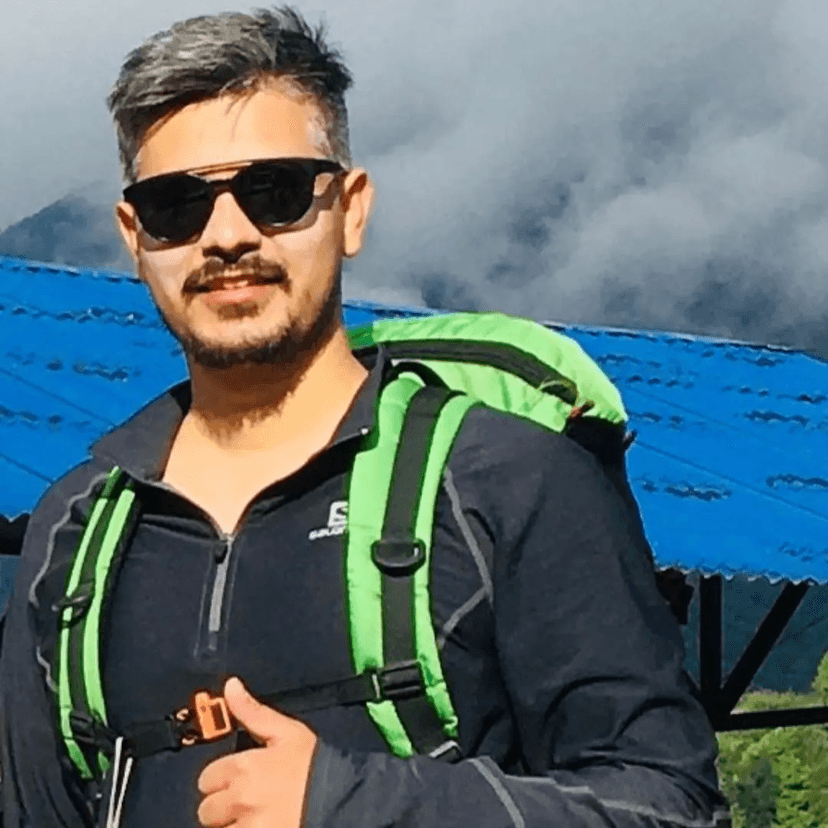
Amir Adhikari is the Founder and Trip Curator of Everest Thrill Trek and Expedition. With 10+ years of experience in Nepal’s competitive tourism sector, he is a recognized expert in designing safe, personalized, and high-thrill Himalayan itineraries. His dedication to responsible travel and creating authentic experiences has positioned Everest Thrill as a leading specialist for Everest, Annapurna, and off-the-beaten-path adventures.