Date Updated:
Training For Langtang Valley Trek | Realistic Preparation Tips 2026-27
Table of Contents
Langtang Valley Trek is not a showy trek. It doesn’t demand attention the way Everest routes do. It sits quietly, waiting for you to come to it. The trail starts close to Kathmandu, which makes many people assume it will be easy. But within a few days, road noise fades away, your legs start to feel the effort, and the mountains begin to feel very real.
Once you understand how to prepare for the Langtang Valley trek, the demanding trek becomes simple. The steady hikes can be tackled with consistency. Altitude is handled with patience. And each day in the Himalayas is manageable with wise packing. There’s nothing technical here. No ropes. No ice axes. Just you, your breathing, and a trail that slowly takes you higher than your body is used to.
Trekking in Langtang Valley is all about learning and experiencing. You see homes rebuilt after the earthquake, old prayer flags faded by time, and children walking to school in thin jackets while you’re wrapped in layers. Reaching Kyanjin Gompa feels like a slower, quieter achievement, not a heroic or dramatic one.
To really understand this trek, you have to let go of the idea of conquering something. Langtang is a valley that asks for patience, respect, and a bit of humility. If you come ready for simplicity, repetition, and quiet beauty, Langtang reveals far more than photos ever can.
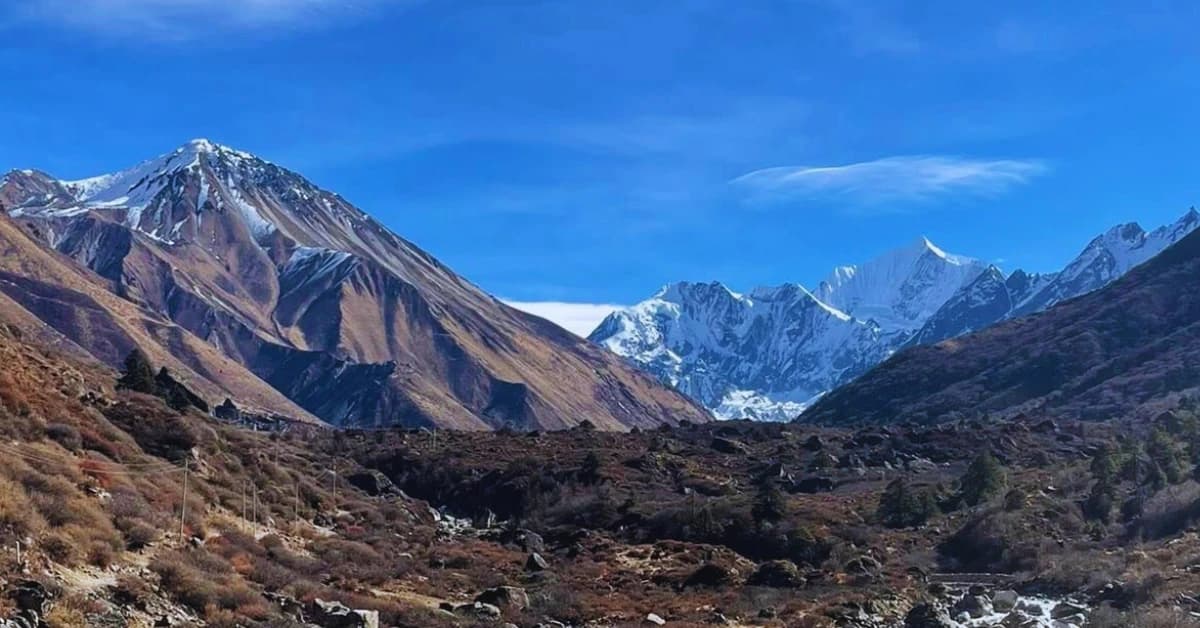
Physical Training
Langtang Valley Trek cannot be taken lightly. You definitely need to be physically sound and prepared. However, this doesn’t mean any extreme body training or sudden obsession with protein shakes. What you need is to stop living a completely flat routine before asking your body to walk uphill for days.
Start with walking. It is too simple, and it works. Long walks teach your legs to keep moving even when your mind gets bored. Add stairs whenever possible. If there’s a hill nearby, try it. If there isn’t, use stairs again.
Cardio helps. So learn to stay consistent with it. Jogging and cycling three to four days a week is enough. Note that skipping weeks and then panicking a couple of days before the trek is a common mistake.
You may not know downhill walking hurts more than uphill if you lack trekking experience. Your knees feel it first. That’s why you need to train for that. Practice walking downhill. Don’t avoid descents just because they’re uncomfortable.
And wear the boots you plan to trek in. This is a common way you find your comfortable footwear to avoid blisters on the trail. If you can walk for five to seven hours and feel tired, but not completely exhausted, you’re ready.
Mental Preparation
You think you’re prepared because your bag is packed and your legs feel strong. Then, around day three, this mentality can shift. The trail looks the same as yesterday. Your phone hasn’t shown a signal bar in hours. Conversations slow down. And suddenly your mind starts getting loud.
Langtang has a lot of quiet space. There comes a time when you’re on a long, uninterrupted walk. Just the sound of boots, wind in the trees, and your breathing. Someone like you, used to constant noise, music, scrolling, and messages, can find this silence uncomfortable at first.
You’ll also have moments when progress feels slow. The hike is just steady and endless. This is where expectations trip people. You imagine constant excitement and big views every hour. However, real trekking is repetition. Wake up. Eat. Walk. Eat again. Sleep. Repeat.
Mental preparation means accepting that routine without fighting it. It means knowing that some days you won’t feel motivated for no obvious reason. That’s normal. You still walk. You still arrive.
There’s more. Weather delays, tired teammates, or changing plans can mess with your mood. Once you accept all these and prepare accordingly, the trek becomes lighter in your head.
Acclimatization and Altitude Training
Altitude doesn’t hit you suddenly in Langtang Valley trek. It’s more like a slow hand on your shoulder that gets heavier each day. That’s why you underestimate it, and that’s where trouble starts.
How does Altitude Sickness Actually Feel Here? You won’t suddenly collapse or gasp for air. You hike more slowly. Sleep feels lighter. A mild headache lingers longer than it should. Your appetite drops for no clear reason. But none of this feels dramatic enough to worry about, which is exactly why people ignore it.
So, then. How to be prepared for the Langtang Valley altitude? The hardest rule for you to follow is to go slowly, even when you feel fine. You feel strong in the early days, so you walk fast, which is a big mistake.
You must not be so slow that it feels silly, and not so fast that your breathing becomes heavy. If you can talk while walking, you’re probably doing it right.
Always be prepared to add days to your itinerary for unforeseen events. There are rest days, especially around Kyanjin Gompa. Follow them. They aren’t wasted days. They give your body time to catch up in height.
A common mistake is focusing only on walking hours. Acclimatization happens when you rest. Sleep well when you can. Eat even if food feels uninteresting and drink water like it’s part of your job.
We consider this route an easy and beginner-friendly trekking trail in Nepal, and most people complete the Langtang trek without serious issues because the ascent is gradual. Keep it that way. Respect the pace to enjoy the trip.
Real-World Tips Before You Trek
Most of you only realize this after the trek. Usually, while sipping tea somewhere, and replaying the whole thing in their head. Here are the top tips gathered straight out of experiences:
Don’t Rush the Valley
Though Langtang looks simple on maps and distances feel short, rushing days to save time isn’t wise. Walk, arrive, sit. Let your body and mind settle properly before thinking about the next morning.
Some of the best moments happen when you stop trying to be efficient.
Talk to People, Not Just Your Group
Lodge owners, guides, porters, and locals on the trail carry stories that don’t show up online. A short chat over tea can change how you see the valley, especially when you understand what this region has lived through.
Expect Discomfort and Let It Be There
You’ll be cold sometimes. Tired often. Maybe a little grumpy for no clear reason. That doesn’t mean anything is wrong. That’s just trekking. The moment you stop fighting discomfort and accept it as part of the process, things start to feel lighter.
Photos Are Nice But Presence Is Better
Yes, take pictures. But also put the camera away when the light hits the valley just right and nothing needs explaining. As you may have experienced, memories work better when they stay unrecorded.
Leave With Respect
Carry your trash. Use water wisely. Treat the valley like someone else’s home, because it is. The Langtang Valley trek doesn’t ask for much. Just attention, patience, and a bit of humility.
Trek with a Guide and Porter
Hire a guide and porter from a reputable company. So that you can enjoy the trek without worrying about anything. They always help you make a journey more enjoyable and safe.
Expert's voice: Even though the Langtang trek is considered beginner-friendly, the trail ruins your experience if you neglect and avoid basic preparation. A simple and effective preparation helps you enhance your overall trek experience.
About Author
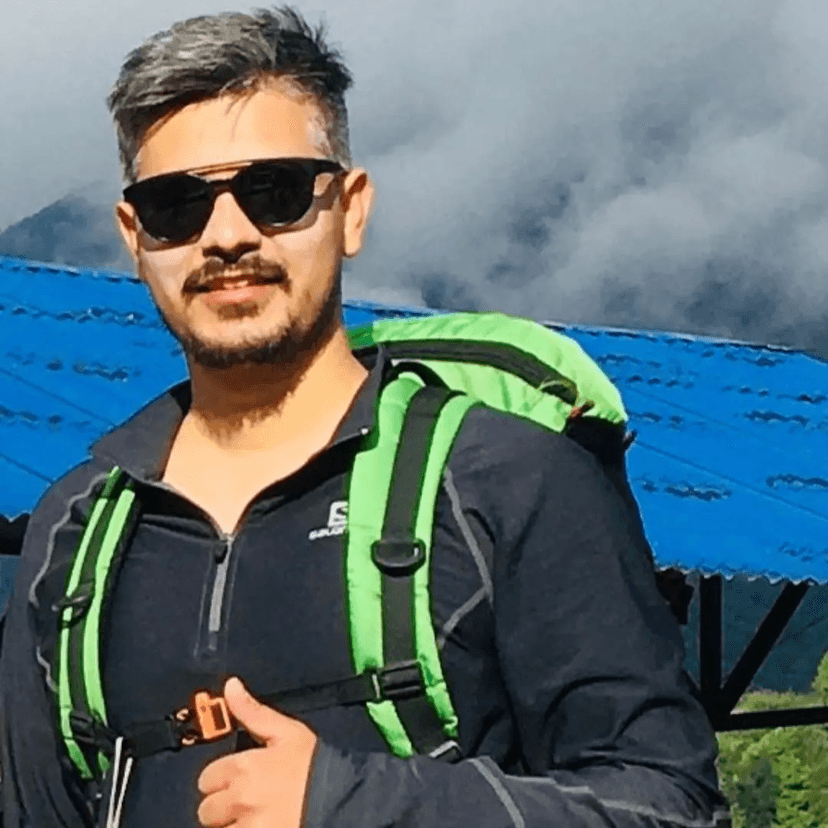
Amir Adhikari is the Founder and Trip Curator of Everest Thrill Trek and Expedition. With 10+ years of experience in Nepal’s competitive tourism sector, he is a recognized expert in designing safe, personalized, and high-thrill Himalayan itineraries. His dedication to responsible travel and creating authentic experiences has positioned Everest Thrill as a leading specialist for Everest, Annapurna, and off-the-beaten-path adventures.


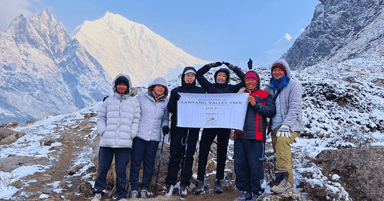
Langtang Valley Trek Package - 10 Days
USD 705/per person